Public playground procurement in South Africa moves from design intent to compliance action quickly. A supplier may hold EN 1176 certificates, but a public project team still needs to show how those documents align with the South African National Standard framework and the evidence local authorities expect. For playground equipment, the practical question is not only whether a unit was tested once, but whether the test reports, material traceability, and site checks form a defensible file for the specific equipment being installed.
What a SANS Certificate Actually Covers
In the South African context, “SANS certification” for playground equipment normally refers to conformity with the SANS 51130 series, which is aligned with EN 1176 and carries equivalent safety requirements for equipment installed in public play spaces. A SANS 51130-based evaluation covers structural integrity, entrapment hazards, protrusions, fall height, accessible openings, and age-appropriate design considerations that affect how children use the equipment [1].
For a public project, the certificate is not a single line item. It is a file. It links the declared product configuration, drawings, material specifications, and test scope to the actual units shipped and installed. A certificate that cannot be connected to the equipment on site loses much of its value during an audit or tender review.
The SANS 51130 Series and Its Public Project Role
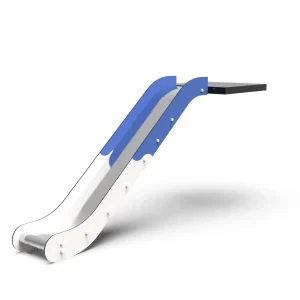
Public buyers often ask for “SANS compliance” without specifying the part. That creates confusion because different parts of SANS 51130 address different equipment families. Part 1 sets general safety requirements and test methods [1]. Part 2 adds requirements for swings, including load dynamics and seat geometry [2]. Part 3 adds requirements for slides, covering access, starting sections, sliding sections, run-outs, and side protection [3]. Part 7 provides guidance on installation, inspection, maintenance, and operation for playground owners and operators [4].
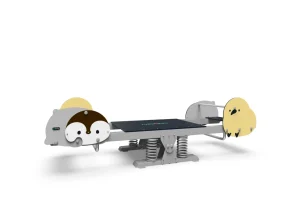
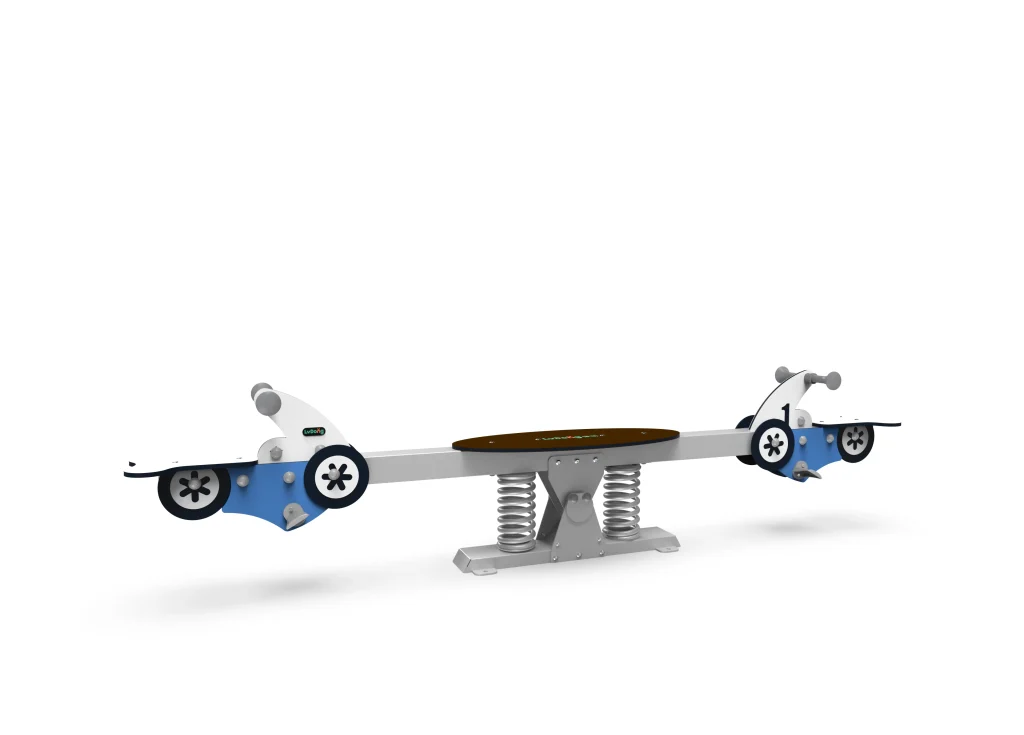
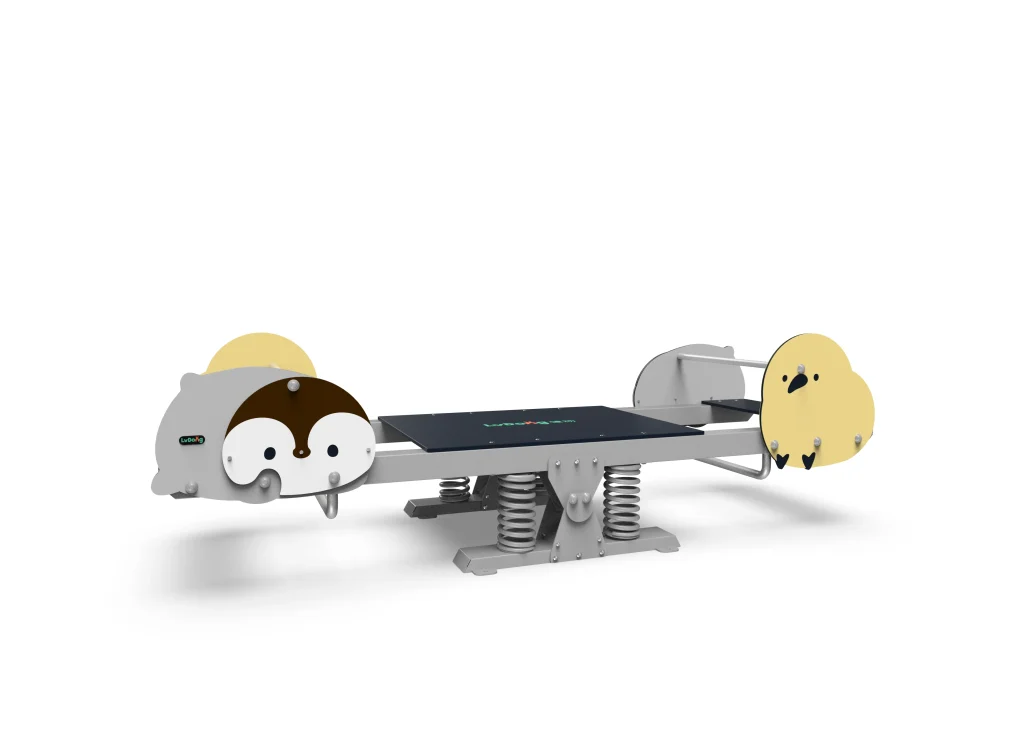
This structure matters for tender specifications. A project with swings, slides, and multi-person seesaws should not rely on a generic “SANS tested” statement. Instead, the compliance map should list each product type and identify which parts of the standard apply. A slide submission would reference SANS 51130-1 and SANS 51130-3, while a swing submission would reference Part 1 and Part 2. LvDong supports this mapping with product-specific declarations and third-party test reports; email huyg@lvdongtoys.com for the current compliance pack. For slide, swing, and seesaw categories, project teams can compare product documentation from playground slides, playground swings, and playground seesaws.
Local Testing Workflow for Public Tenders
Local verification in South Africa typically moves through four stages: documentation review, type testing confirmation, material and coating checks, and site-level inspection. A public buyer or consultant will check whether the test laboratory is accredited or recognized, whether the test report matches the product model and revision, and whether the test scope covers the intended age group and free height of fall [1].
Type testing may be performed overseas under EN 1176-aligned methods, but the public project file usually requires a local translation layer: a statement of alignment with the corresponding SANS 51130 part, supported by the original test data. Where a compulsory specification applies under the National Regulator for Compulsory Specifications framework, importers may also need to demonstrate that their equipment meets the applicable regulatory requirements before clearance [5].
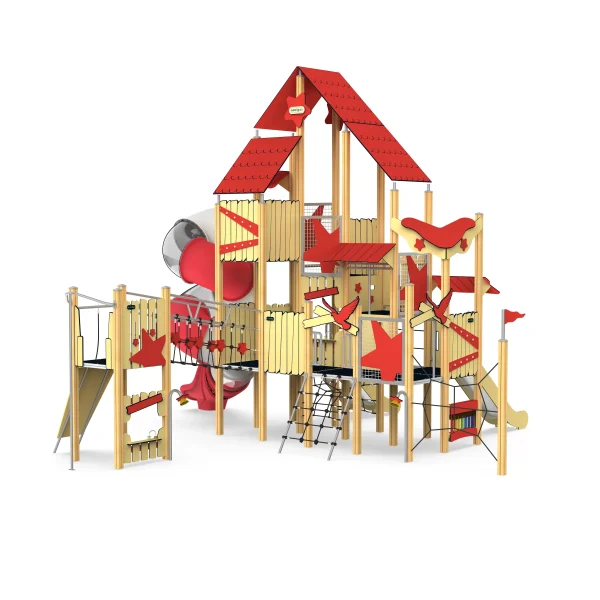
The physical inspection is not a formality. Inspectors look for sharp edges, exposed fasteners, entrapment openings, moving-part clearances, and stability after installation. They also compare the installed surfacing and safety zone against the fall height assumptions used in the type test. If the safety surface is thinner than required, the certificate cannot compensate for the increase in injury risk.
Technical Evidence Buyers Should Request
A strong public tender file includes more than a compliance certificate. It includes drawings with critical dimensions, material data sheets for steel, plastic, and fasteners, test reports for fall height and entrapment probes, coating and UV stability evidence, and installation instructions that match the tested configuration. It also includes maintenance schedules aligned with SANS 51130-7 [4].
For teams that need to check equipment before acceptance, sample evaluation starts with measuring critical gaps and confirming protective surfacing conditions. <Evaluate Playground Equipment Samples Before Buying A Guide> covers a practical pre-buy process that aligns well with SANS tender reviews.
One common gap is surfacing. Playground impact attenuation is assessed as part of the total system, not the equipment alone. A slide with a given free height of fall still needs the specified impact-attenuating surface beneath and around the exit and landing zones. If the tender file only addresses the steel and plastic components, it is incomplete.
Safety inspectors begin with the same questions that a self-inspection routine should capture: are fasteners secure, are openings within limits, and are moving parts free of excessive wear? <Playground Equipment Safety Your Essential Self Inspection Checklist> covers those daily and periodic checks in detail.
Turning a Compliance File into a Safer Public Playground
For public projects, certification is best treated as a decision-making tool rather than a final badge. The certificate tells procurement teams which configurations were validated; the maintenance plan and inspection history tell operators how to keep the equipment in that validated condition. SANS 51130-7 sets out inspection intervals, record-keeping principles, and the division of responsibility between owner, operator, and maintenance provider [4].
When equipment arrives on site, the project team should confirm that the delivered models match the tested versions. A change in platform height, slide length, swing chain composition, or spring rider frame material can affect the validity of the original test report. Product-level documentation should be traceable from the purchase order to the installation drawing so that substitutions do not enter the playground unnoticed.
Certification systems are only as useful as the manufacturing controls behind them. <Why ISO Certification Elevates Commercial Playground Equipment Manufacturers> explains how quality-management maturity supports consistent compliance across production batches.
Mid-project note: If your team is compiling a public tender file and needs SANS 51130-aligned documentation for slides, swings, spinners, or spring riders, contact LvDong at huyg@lvdongtoys.com or WhatsApp +86 139 1568 4545. We organize certificates, material data sheets, and third-party reports by equipment category so the compliance review moves faster and with fewer gaps.
Ready to Source SANS-Aligned Playground Equipment?
Public projects succeed when the compliance file is clear before installation begins. LvDong works with buyers to align product selections with the SANS 51130 framework, prepare technical documentation, and support the local inspection points that South African authorities and consultants commonly review. Send your equipment list and project location to huyg@lvdongtoys.com, or contact us on WhatsApp at +86 139 1568 4545 to discuss certification packages, test scope, and lead time.
Frequently Asked Questions
What is the difference between SANS 51130 and EN 1176?
SANS 51130 is South Africa’s adoption of the EN 1176 playground equipment safety framework. The technical requirements are closely aligned, but public projects in South Africa usually require documentation that maps to the SANS 51130 part structure. EN 1176 test reports can strongly support a compliance file, while local project requirements and any compulsory specification controls determine whether additional local verification is needed [1][5].
Which SANS 51130 part applies to slides?
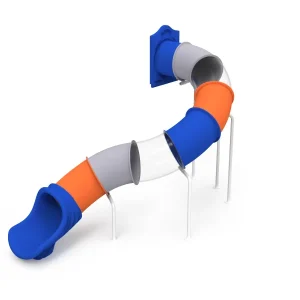
Slides are evaluated under SANS 51130-1 for general safety requirements and SANS 51130-3 for slide-specific requirements such as access, starting section, sliding section geometry, run-out, and side protection [1][3]. Tunnel slides and curved slides still fall under Part 3, with additional attention to internal clearances and exit visibility.
Do public playground projects require a SABS mark?
Not all public playground projects require a SABS mark. Many specifications require compliance with the SANS 51130 series and a complete documentation file. Where a compulsory specification applies under the National Regulator for Compulsory Specifications, importers must follow the applicable clearance requirements [5]. Buyers should confirm the exact evidence format in their tender documents.
What should an imported playground equipment supplier provide for local acceptance?
A supplier should provide product-level test reports for the relevant SANS 51130 parts, drawings with dimensions, material specifications, maintenance schedules based on SANS 51130-7, and traceability between tested and shipped configurations [1][2][3][4]. A compliance map that lists each product and its applicable standards makes tender review easier.
Is site inspection part of certification?
Site inspection does not replace type testing, but it is an essential part of safe installation. SANS 51130-7 provides guidance on installation, inspection, maintenance, and operation so that equipment remains consistent with its tested condition after installation [4]. Public project handover often includes post-installation verification of safety zones, surfacing, fasteners, and moving-part clearances.
References
[1] South African Bureau of Standards. SANS 51130-1, Playground equipment and surfacing — Part 1: General safety requirements and test methods.
[2] South African Bureau of Standards. SANS 51130-2, Playground equipment and surfacing — Part 2: Additional specific safety requirements and test methods for swings.
[3] South African Bureau of Standards. SANS 51130-3, Playground equipment and surfacing — Part 3: Additional specific safety requirements and test methods for slides.
[4] South African Bureau of Standards. SANS 51130-7, Playground equipment and surfacing — Part 7: Guidance on installation, inspection, maintenance and operation.
[5] National Regulator for Compulsory Specifications Act, 2008 (Act 5 of 2008), Republic of South Africa.
If you’re interested, check out these related articles:
UV Resistance Testing Protecting Outdoor Playground Spring Riders
Top 10 Animal Spring Rider Designs for Modern Playgrounds
Single vs Double Seat Playground Horse Spring Riders A Comparison