Emergency playground replacements rarely arrive at a convenient time. A damaged slide panel, a failed spring, or a worn spinner bearing can close a play area, create liability exposure, and pressure operators to restore service quickly. A rush order surcharge is the fee a manufacturer applies when a replacement must move ahead of the normal production queue. Understanding how that surcharge is calculated—and how production line scheduling absorbs the disruption—helps buyers make faster, more cost-controlled decisions.
What a Rush Order Surcharge Actually Covers
A rush order surcharge is not a vague penalty. It covers the real cost of interrupting a production plan that was already balanced around material delivery, labor allocation, paint batches, and shipping windows. When an emergency replacement enters the queue, several things change at once.
The factory may need to re-check engineering drawings, pull material from reserve stock, reschedule overtime labor, or reorder a specific component that is not normally held in inventory. The surcharge also covers the additional coordination required for quality inspection and early logistics release. Because playground equipment is safety-related, the inspection burden cannot be reduced simply because the order is urgent.
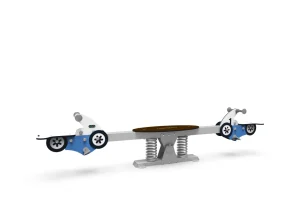
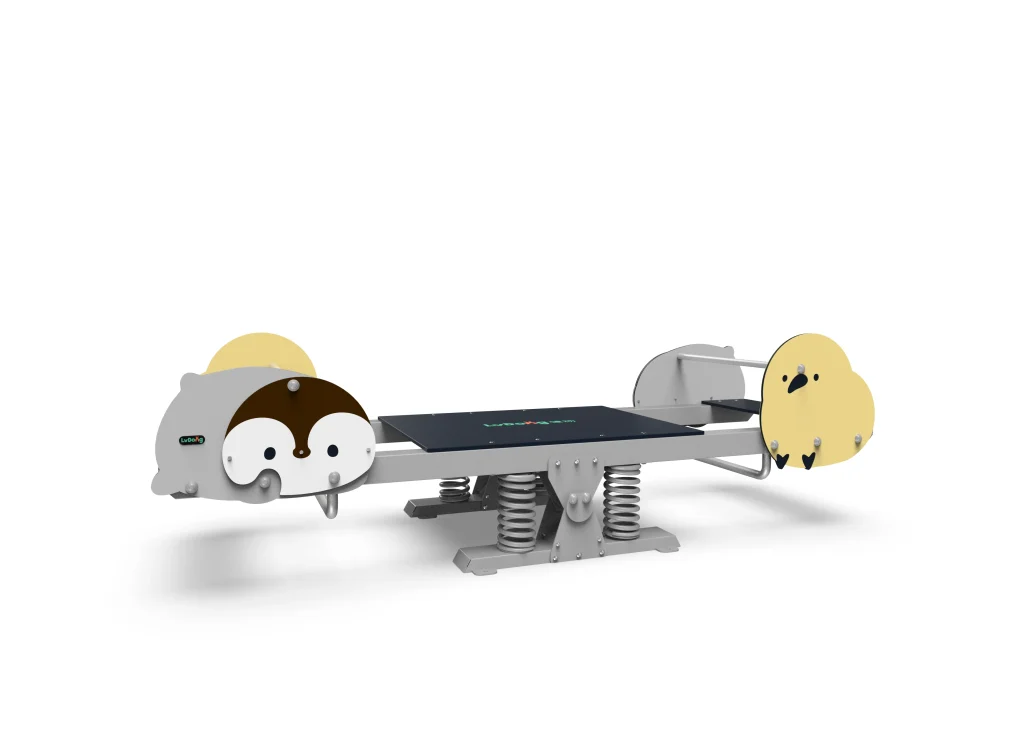
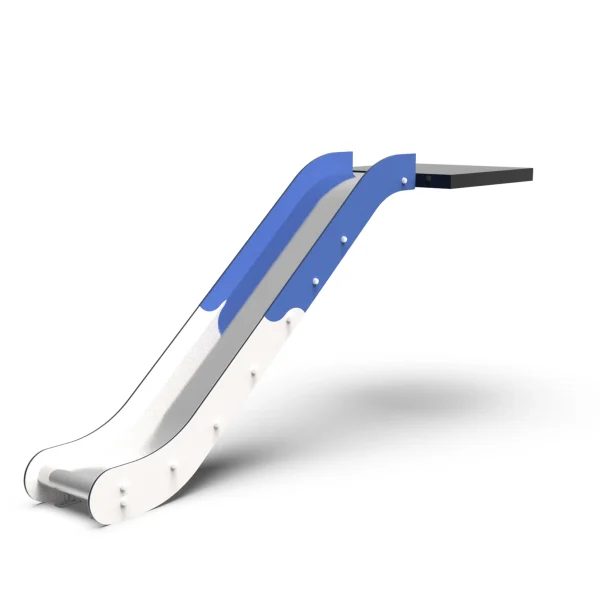
In practice, the surcharge is easier to control when the replacement item matches a production batch that is already scheduled. A standard-color spring rider, for example, may share a powder-coating run with other spring riders. A custom-color slide component may require a dedicated color change, which increases setup time and cost.
How Production Line Scheduling Changes for Emergency Replacements
Normal playground equipment production is organized in batches. Similar product types are grouped so that steel cutting, welding, coating, and assembly flow without frequent tooling changes. This batching reduces cost but leaves little room for single-item urgency.
When a rush order enters the schedule, the production planner must decide whether the replacement can be nested into an existing batch or must run as a standalone item. Nesting is the better outcome. If a damaged spring rider uses the same spring steel and color as a scheduled run, the replacement can be added to that run with minimal disruption. Standalone production is more expensive because it may require a separate setup, isolated labor time, and dedicated inspection.
At Suzhou LvDong Amusement Equipment Co., Ltd., the 10,000-square-meter production base is organized around this batch logic. Emergency replacements that share a material or coating profile with an active order are usually the fastest and least expensive to absorb. A replacement with unique dimensions, custom graphics, or uncommon material may require a separate slot and a higher surcharge.
For a faster answer, send the model number, site photos, and required delivery date to [email protected]. The production team can confirm whether the replacement can share an existing batch or needs a dedicated slot before quoting the surcharge.
What Determines the Size of a Rush Order Surcharge
Several factors influence the surcharge level. The first is product type. A simple spring rider replacement is usually less disruptive than a multi-part slide tower component. The second is material availability. If the required steel, plastic, or hardware is already in stock, the surcharge is lower than when material must be expedited from an upstream supplier.
Color and finish also matter. Recreating an exact powder-coat color or textured finish may require a special run. The season matters as well. During peak production windows, available overtime hours are limited and more expensive to allocate. Finally, export logistics affect the total cost. Emergency replacements shipped by air cost more than those consolidated into a sea freight container, but some operators need that speed to reopen safely.
The surcharge should always be quoted as a separate line item. That makes it easier to compare the true emergency cost against the cost of temporary closure, staff redeployment, or substitute equipment rental.
How to Prepare a Rush Order Request
A clear rush order request reduces back-and-forth time and often keeps the surcharge from growing. Before contacting the manufacturer, gather the following:
- Original product model or item code.
- Clear photos of the damaged component and its connection points.
- Basic dimensions or the original installation drawing.
- The required compliance standard for the site, such as EN 1176 or ASTM F1487.
- The date by which the replacement must arrive on site.
- The delivery address and access conditions.
Buyers who submit complete information receive a more accurate production-slot assessment. Incomplete requests usually trigger additional clarification loops, which can delay the replacement further even before production begins.
Rush purchasing should still follow basic supplier verification. <20 Essential Questions Choosing a Playground Equipment Supplier> covers the questions that prevent emergency-order mistakes.
Documentation That Speeds Up Emergency Replacement Approval
Documentation is often the difference between a rush order that enters production within one working day and one that stalls in review. The manufacturer needs to confirm the replacement is safe, compatible, and compliant.
A purchase order with the correct item code is essential. If the original project was supplied by the same manufacturer, include the original sales contract number or project reference. Site inspection reports help the engineering team understand the failure mode and whether a like-for-like replacement is appropriate or whether a stronger retrofit is required.
Compliance cannot be assumed. EN 1176-1 sets out general safety requirements for permanently installed playground equipment [1]. ASTM F1487 covers public playground equipment safety performance in the U.S. market [2]. If the replacement must meet either standard, that requirement should be stated at the quote stage so the engineering review uses the correct criteria.
Emergency replacement approvals often stall because the buyer and supplier are checking different standards. <Playground Turntable Safety EN1176 vs ASTM Standards Unpacked> covers the compliance differences that affect rush-order documentation.
Quality Checks That Must Not Be Skipped
An emergency replacement does not justify bypassing safety checks. The rush is the reason to keep the checks tight, not the excuse to loosen them. A factory quality management system following ISO 9001:2015 helps ensure documented inspection points remain in place even when the schedule is compressed [3].
For a replacement part, the first check is dimensional matching. The new component must align with the existing anchors, connectors, or frame. The second is weld and coating integrity. Visual inspection, coating thickness verification, and connection-point checks are standard. The third is interface compatibility. A new slide panel must fit the existing support structure without creating pinch points or entrapment hazards.
Where the equipment is intended for the Chinese market or follows Chinese national requirements, GB/T 34272-2017 provides the corresponding baseline [4]. Many export projects also require a pre-shipment test report or certificate of compliance. Requesting that report early prevents a delay at customs or on-site acceptance.
Request a Rush Production Slot
If a playground closure is costing you time and revenue, send the replacement details directly to the production coordination team. Include the item code, site photos, delivery deadline, and applicable standard.
Email: [email protected]
WhatsApp: +8613915684545
The team will check batch compatibility, material availability, and the earliest safe production slot before returning a surcharge quote. A clear request with complete documentation is the fastest path to an accurate schedule.
Frequently Asked Questions
Why do manufacturers charge extra for rush orders?
The surcharge covers the cost of rescheduling labor, expediting material, and reallocating inspection capacity. It is a capacity management cost, not a penalty, and it varies by product type, material availability, and production load.
How fast can an emergency playground replacement be produced?
The timeline depends on the component. Replacements that match an existing batch are usually the fastest. Custom or large welded assemblies take longer because they require separate production and inspection time.
Can I avoid a rush surcharge by accepting a standard lead time?
Yes. If the site can safely operate with the affected equipment closed off, accepting the standard production schedule usually removes the rush surcharge entirely. Temporary barriers and clear signage may allow partial playground use during the wait.
What should I send to get an accurate rush order quote?
Send the original model or item code, clear photographs of the damage, site measurements, the required standard, and the desired delivery date. Complete information allows the manufacturer to confirm batch compatibility without repeated questioning.
Will a rush order still meet EN 1176 or ASTM F1487?
A properly structured rush order follows the same compliance path as a standard order. EN 1176-1 and ASTM F1487 remain applicable, and the manufacturer should provide the relevant inspection or test documentation before shipment [1][2].
References
[1] European Committee for Standardization, EN 1176-1:2017, Playground equipment and surfacing — Part 1: General safety requirements and test methods.
[2] ASTM International, ASTM F1487-21, Standard Consumer Safety Performance Specification for Playground Equipment for Public Use.
[3] International Organization for Standardization, ISO 9001:2015, Quality management systems — Requirements.
[4] Standardization Administration of China, GB/T 34272-2017, Safety requirements for amusement equipment — General provisions.
If you’re interested, check out these related articles:
Kindergarten Outdoor Play Equipment Strategic Upgrade Priorities
DIY vs Supplier Playground Equipment Installation Guide