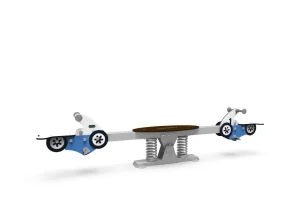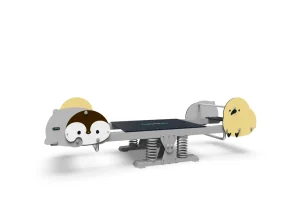
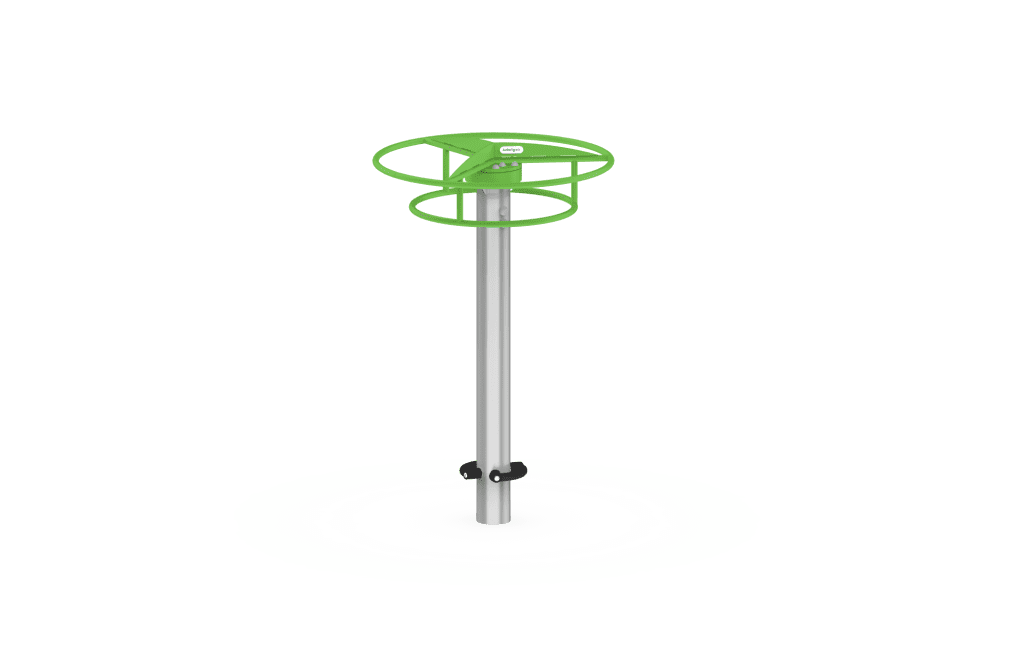
Playground turntables spin fast, kids lean hard, and somewhere in the design specs, a millimeter difference determines whether a finger gets pinched. That’s the reality behind safety standards—they’re not abstract paperwork but the invisible architecture that separates a thrilling spin from a trip to the emergency room. EN1176 and ASTM F1487 both aim to prevent injuries, yet they approach the problem from different angles, with different testing methods, and sometimes conflicting requirements. For anyone sourcing or installing spinning equipment across multiple markets, understanding where these standards align and where they diverge isn’t optional—it’s the foundation of responsible procurement.
How EN1176 and ASTM F1487 Shape Playground Safety Differently
Playground safety regulations exist because children don’t calculate risk the way adults do. They climb higher, spin faster, and test equipment in ways designers never anticipated. EN1176 and ASTM F1487 emerged from this reality, each representing decades of injury data, engineering research, and regulatory refinement.
EN1176 comes from the European Committee for Standardization and carries legal weight across EU member states. The approach tends toward prescription—specific dimensions, exact clearances, defined material grades. When the standard says a gap must measure between 9mm and 25mm to prevent finger entrapment, that’s not a suggestion. Manufacturers either hit those numbers or fail certification. This prescriptive nature creates consistency across European playgrounds but can limit design flexibility.
ASTM F1487 operates differently. Developed by ASTM International for North American markets, it focuses more on outcomes than specifications. The standard defines what shouldn’t happen—heads shouldn’t get trapped, impacts shouldn’t exceed certain force thresholds—then leaves manufacturers room to achieve those results through various design approaches. State and local regulations often adopt ASTM requirements, though enforcement varies by jurisdiction.
Both standards address the same fundamental hazards: structural failure, entrapment, falls, and impact injuries. The difference lies in how they get there. EN1176 might specify that a bearing must withstand 50,000 cycles at a particular load. ASTM might require that the rotating mechanism function safely under anticipated use conditions without prescribing the exact test parameters. Same goal, different paths.
| Feature | EN1176 (European Standard) | ASTM F1487 (North American Standard) |
|---|---|---|
| Scope | Public playgrounds in Europe | Public playgrounds in North America |
| Approach | More prescriptive, detailed specifications | More performance-based, outcome-oriented |
| Legal Status | Legally binding in EU/EEA | Often adopted by state/local regulations, voluntary standard |
| Testing | Specific test methods for compliance | Performance tests to meet safety criteria |
| Risk Assessment | Integrated into design and manufacturing | Emphasizes hazard identification and risk management |
| Certification | CE marking often required | Third-party certification common, but not always mandated |
The practical implication for buyers: equipment certified to one standard doesn’t automatically comply with the other. A playground turntable designed purely for ASTM markets might fail EN1176 testing on specific dimensional requirements, even if it’s equally safe in real-world use.
Turntable Design Requirements That Differ Between Standards
Spinning equipment creates safety challenges that static structures don’t. Rotational force amplifies the consequences of design flaws—a small gap that’s harmless on a climbing frame becomes a finger-crushing hazard when components rotate past each other at speed. Both EN1176 and ASTM F1487 recognize this, but their specific requirements reflect different regulatory philosophies.
EN1176 gets granular about turntable geometry. The standard specifies clearances between rotating and stationary elements, maximum rotational speeds, and the precise dimensions of gaps that could trap fingers or clothing. A multi-player spinning wheel with a 150cm diameter must meet different requirements than a 200cm version—the math changes with scale. Material specifications often include minimum steel thicknesses and specific grades, with detailed requirements for welding quality and fastener strength.
ASTM F1487 approaches the same problems through performance criteria. Rather than mandating a specific gap dimension, the standard requires that pinch points be inaccessible during normal operation and foreseeable misuse. Testing involves attempting to insert probes that simulate body parts into potential entrapment zones. If the probe fits where it shouldn’t, the design fails—regardless of whether the actual measurement falls within any prescribed range.
This distinction matters for manufacturers serving both markets. A design that passes ASTM testing through clever geometry might still fail EN1176’s dimensional requirements. The reverse also happens: equipment meeting every EN1176 specification could theoretically fail ASTM’s performance tests if real-world use patterns differ from European assumptions.
Handholds and footrests illustrate the difference well. EN1176 often specifies grip diameters, surface textures, and positioning relative to the rotation axis. ASTM requires that users have adequate means to maintain their position during rotation, leaving the specific implementation more open. Both approaches aim to prevent falls, but the compliance pathway differs significantly.
Material and Construction Standards Across EN1176 and ASTM
EN1176 frequently specifies minimum material thicknesses, acceptable steel grades, and detailed requirements for welding and fastening. The standard addresses material degradation explicitly, requiring that aging processes won’t create sharp edges or structural weaknesses over the equipment’s expected lifespan. Timber components must meet specific treatment standards to resist rot and insect damage.
ASTM F1487 takes a different tack, requiring that materials be non-toxic, weather-resistant, and capable of withstanding anticipated stresses without failure. The standard doesn’t typically mandate specific alloys or thicknesses—it requires that whatever materials manufacturers choose must perform adequately under testing. This gives designers more freedom in material selection while still ensuring safety through rigorous performance validation.
For Playground Spinner Manufacturer OEM operations, this means maintaining dual material specifications or selecting materials that satisfy both standards simultaneously. High-grade stainless steel and powder-coated aluminum often work across both regulatory frameworks, though specific treatments and finishes may need adjustment for different markets.
Fall Height Calculations and Safety Zone Requirements
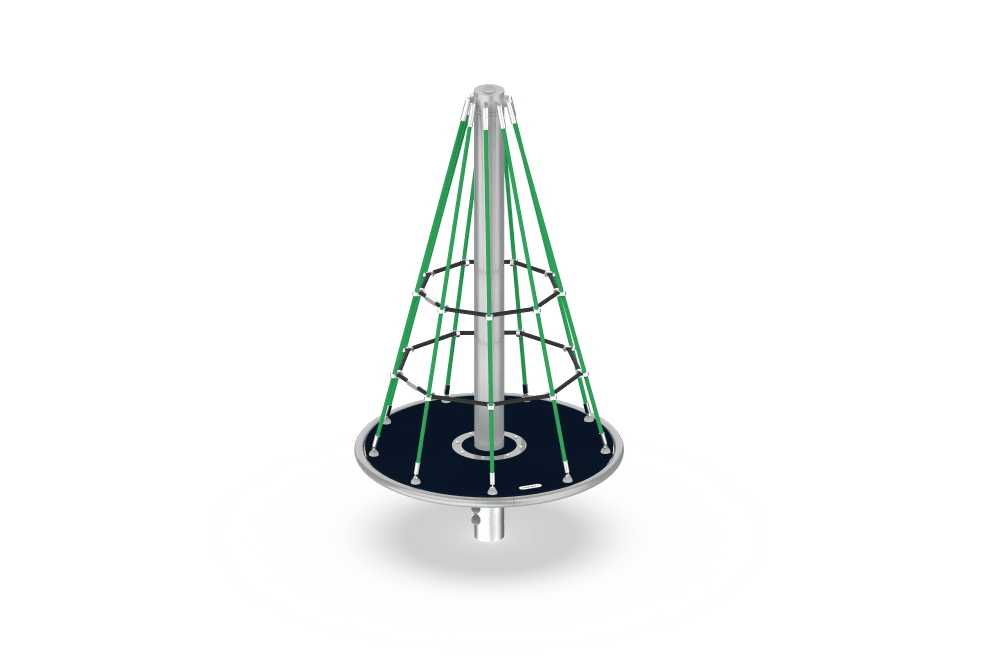
When a child falls from spinning equipment, the consequences depend heavily on what they land on and from what height. Both EN1176 and ASTM F1487 address this through fall height calculations and impact attenuation requirements, though their methodologies differ in ways that affect equipment design and site planning.
EN1176 uses “free height of fall” as its primary metric—the maximum vertical distance from a clearly defined body support area to the impact-absorbing surface below. For turntables, this calculation considers the highest point a child could reasonably reach or be thrown from during rotation. The standard then specifies surfacing requirements based on this height, with materials like rubber tiles, poured-in-place surfacing, or engineered wood fiber needing to meet specific critical fall height ratings.
A Multi Player Playground Spinning Wheel with a platform height of 60cm requires different surfacing than one at 80cm. The math isn’t linear—impact forces increase with the square of velocity, making higher fall heights disproportionately more dangerous. EN1176 accounts for this through detailed surfacing specifications tied to fall height ranges.
ASTM F1487 defines fall height similarly but emphasizes the “use zone”—the area around and beneath equipment where a child might land. The standard specifies minimum use zone dimensions based on equipment type and height, requiring that impact-attenuating surfacing extend throughout this area. Testing methods focus on Head Injury Criterion (HIC) values, measuring whether surfacing adequately reduces the risk of serious head trauma.
Both standards recognize that surfacing effectiveness degrades over time. Loose-fill materials compact, rubber tiles harden, and organic materials decompose. Maintenance requirements under both frameworks address this reality, though EN1176 tends toward more prescriptive inspection schedules while ASTM emphasizes outcome-based assessment.
Fall Height Specifications for Playground Turntables
Under EN1176, the free height of fall for turntables is determined by the highest point a user can stand or sit on the rotating element. A single-player spinner with a maximum platform height of 34cm requires less intensive surfacing than a multi-player wheel where children might stand at 77cm. The corresponding impact-absorbing surface must be certified to attenuate impacts from the calculated height, with certification involving standardized drop tests using instrumented headforms.
ASTM F1487 defines fall height similarly, focusing on the highest accessible part of the equipment from which a child could fall. The standard requires that protective surfacing below effectively reduces injury risk, with specific material recommendations and depths varying based on calculated fall height. A Single Player Playground Spinner with its low profile presents different surfacing requirements than taller equipment, potentially allowing for less expensive surfacing solutions while maintaining safety.
Entrapment Prevention Testing Methods
Both EN1176 and ASTM F1487 treat entrapment as a critical hazard, but their testing approaches differ. EN1176 uses a series of body part templates—probes designed to simulate heads, necks, and fingers at various ages—to check gaps and openings throughout the equipment. These templates have specific dimensions based on anthropometric data, and any opening that allows a template to enter but not exit freely fails the test.
ASTM F1487 utilizes probes designed to simulate a child’s head and torso, ensuring that openings don’t create wedging hazards. The standard also addresses finger entrapment through specific probe tests, though the dimensions and application methods differ from EN1176’s approach.
Neither standard is definitively “more stringent”—they’re differently stringent. An opening that passes EN1176 testing might fail ASTM’s probe tests, or vice versa. Manufacturers designing for both markets must satisfy the more restrictive requirement at each potential entrapment point, which sometimes means exceeding both standards’ minimum requirements.
Installation and Maintenance Requirements for Long-Term Safety
A perfectly designed turntable becomes dangerous if installed incorrectly or maintained poorly. Both EN1176 and ASTM F1487 recognize that safety extends beyond manufacturing, addressing installation procedures, inspection schedules, and maintenance requirements in detail.
EN1176 mandates comprehensive installation documentation and often requires professional installers for complex equipment. The standard specifies anchoring methods, assembly sequences, and verification procedures to ensure equipment performs as designed. Post-installation inspection requirements include checking all fasteners, verifying clearances, and confirming that safety surfacing meets specifications.
Inspection schedules under EN1176 follow a tiered approach: visual checks before each use, operational inspections weekly or monthly depending on usage intensity, and comprehensive annual inspections by qualified personnel. Each inspection type has specific checklist items, from obvious damage to subtle wear patterns that might indicate developing problems.
ASTM F1487 emphasizes correct installation on appropriate surfacing with all components properly assembled and secured. The standard requires that manufacturers provide clear installation instructions, though it doesn’t typically mandate professional installation. Maintenance schedules focus on preventing deterioration and ensuring all parts function as intended, with regular checks for loose hardware, worn bearings, and structural integrity.
| Aspect | EN1176 Requirements | ASTM F1487 Requirements |
|---|---|---|
| Installation | Detailed procedures, often professional installers, secure anchoring, assembly per manufacturer specifications | Correct assembly, secure anchoring, appropriate surfacing, stability verification |
| Inspections | Daily visual, weekly operational, monthly detailed, annual comprehensive checks | Regular checks for loose hardware, worn bearings, structural integrity |
| Maintenance | Prompt repair or replacement of damaged components, scheduled cleaning | Preventative maintenance, addressing deterioration, ensuring functionality |
| Operations | Supervision requirements, age appropriateness signage, user capacity limits | Site management, user capacity, clear warnings, proper use guidelines |
| Training | Operators and supervisors trained on specific responsibilities | Operators and supervisors trained on safety and maintenance procedures |
For insights into maintaining outdoor equipment through seasonal changes, 《Optimal Seasonal Care for Outdoor Metal Swing Sets》 provides relevant guidance.
Selecting the Appropriate Standard for Your Project
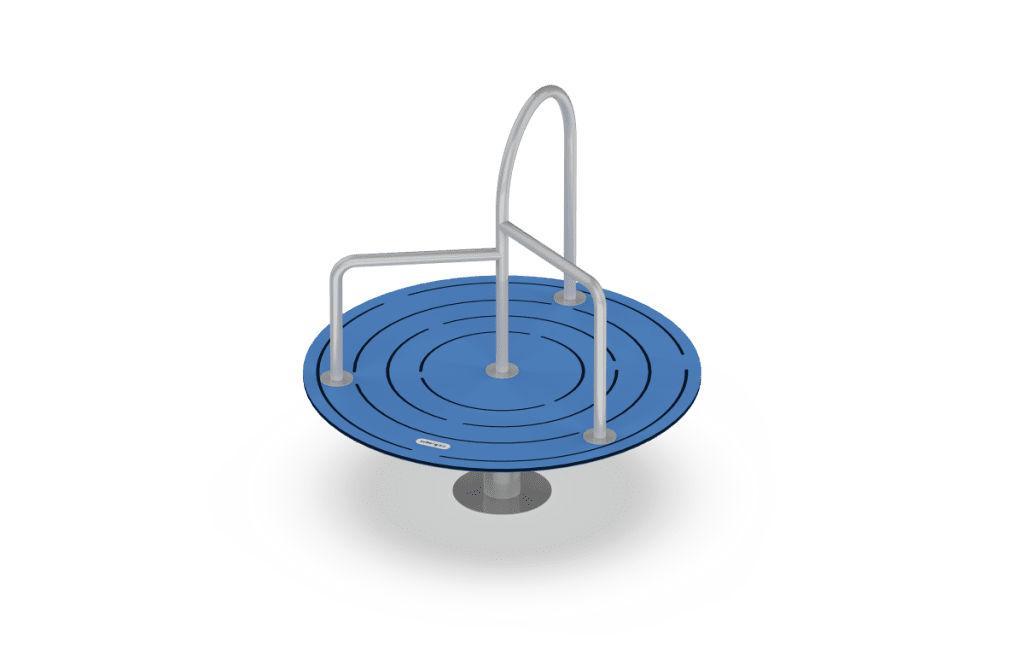
The choice between EN1176 and ASTM F1487 compliance isn’t always straightforward. Geography provides the obvious starting point—European installations require EN1176, North American projects typically need ASTM—but many situations involve more complexity.
Projects in regions that haven’t adopted either standard may reference one or both as benchmarks. Some countries have developed national standards that incorporate elements from both frameworks, requiring manufacturers to navigate hybrid requirements. International school projects, resort developments, and embassy installations often face overlapping jurisdictional requirements.
Equipment certified to both standards offers the most flexibility but typically costs more due to dual testing requirements and design compromises needed to satisfy both frameworks. For manufacturers, maintaining dual certification requires ongoing investment in testing and documentation. For buyers, dual-certified equipment simplifies procurement for multi-market operations but may not be necessary for single-region projects.
The target user population also influences standard selection. EN1176 and ASTM F1487 use different anthropometric data reflecting their respective populations, which can affect equipment sizing and safety zone calculations. Equipment designed for European children might not optimally fit North American user populations, though the differences are usually minor for most age groups.
Legal and liability considerations favor compliance with the locally applicable standard. In litigation following a playground injury, demonstrating compliance with recognized safety standards provides significant protection. Non-compliance, even with equipment that’s arguably safe, creates legal exposure that most operators prefer to avoid.
For projects requiring Playground Spinner Manufacturer OEM partnerships, selecting a manufacturer with experience in both regulatory frameworks reduces compliance risk. Manufacturers who routinely produce for both markets understand where the standards conflict and how to resolve those conflicts without compromising safety.
Building Safe Play Environments with Proven Expertise
Suzhou LvDong Amusement Equipment Co., Ltd. brings over a decade of experience to playground equipment manufacturing, operating from a 10,000 square meter production facility with integrated R&D, design, production, installation, and after-sales capabilities. Our playground turntables comply with EN1176 and GB/T 34272-2017 Chinese National Standard, reflecting our commitment to meeting rigorous international safety benchmarks.
Our multi-player spinning wheels range from 120-200cm diameter with maximum fall heights of 55-77cm, while single-player spinners maintain a low 34cm maximum fall height for enhanced safety. All equipment uses wear-resistant materials suitable for outdoor weather exposure and high-frequency indoor use.
Contact us to discuss your playground project requirements: WHATSAPP:+8613915684545 or [email protected].
Frequently Asked Questions
Can playground equipment certified to EN1176 be installed in North America without modification?
EN1176 certification alone doesn’t guarantee ASTM F1487 compliance. While both standards address similar hazards, their specific requirements differ in ways that can affect equipment acceptability. Some EN1176-certified equipment may meet ASTM requirements without modification, but verification through ASTM testing is typically necessary. Local jurisdictions in North America often require explicit ASTM compliance documentation, making dual certification the safest approach for equipment intended for both markets.
How often should playground turntables undergo professional safety inspections?
EN1176 recommends annual comprehensive inspections by qualified personnel, supplemented by more frequent operational checks. ASTM F1487 emphasizes regular inspections without prescribing exact intervals, leaving frequency determination to site operators based on usage intensity. High-traffic installations benefit from monthly detailed inspections regardless of which standard applies. Both frameworks agree that visual checks should occur before each use period, with immediate removal from service if obvious hazards are identified.
What surfacing materials satisfy both EN1176 and ASTM impact attenuation requirements?
Poured-in-place rubber surfacing, rubber tiles, and engineered wood fiber can meet both standards when properly installed and maintained at appropriate depths. The specific depth required depends on fall height—higher platforms need thicker surfacing. Both standards require that surfacing materials be tested and certified for their critical fall height rating, with ongoing maintenance to prevent degradation below safe performance levels. Loose-fill materials require more frequent depth verification than bonded surfaces.