Selecting a school playground equipment supplier isn’t just about comparing catalog prices or delivery lead times. I’ve spent over ten years designing and manufacturing unpowered playground equipment, and I’ve seen too many schools tripped up by suppliers who look good on paper but falter when it comes to installation precision, after-sales support, or long-term safety compliance. This article outlines the real evaluation points a school should run through, from factory quality systems to spare parts availability, so you can make a decision that protects your students and your budget over the equipment’s full service life.
Defining Your School’s Playground Needs and Supplier Requirements
When a school contacts our team, the conversation usually starts with equipment lists. But the first thing we ask is about the school’s age groups, available space, and usage patterns. A kindergarten needs compact, low-impact equipment suited for ages 2 to 5; an elementary school requires more complex structures that promote physical challenge for ages 5 to 12. The right supplier won’t just send a catalog. They’ll work with you to define requirements before specifying any single product. This consultative approach separates suppliers who truly understand child development and safety from those who simply manufacture to order.
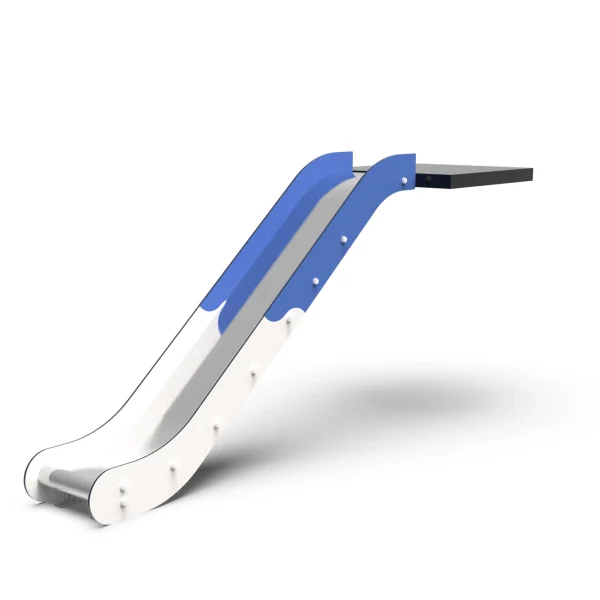
A school playground equipment supplier should also discuss ground conditions, sun exposure, and maintenance capabilities upfront. These factors influence material selection and anchoring methods. I’ve seen playgrounds where a lack of drainage planning led to water pooling under slides within the first rainy season, creating mud and safety hazards. Early requirement planning prevents these problems.
Evaluating Factory Production and Quality Management Systems
A supplier’s capabilities are only as strong as the factory behind the designs. When I walk a client through our 10,000-square-meter production base, I emphasize three things you can’t evaluate from a brochure: the steel pipe thickness measurements taken at incoming inspection, the welding quality across every joint, and the surface treatment process that stops rust after years of sun and rain exposure. Schools need a supplier that maintains a rigorous, standardized quality management system. Not because it’s a certification checkbox, but because a faulty weld on a swing frame or a loose bolt on a slide platform is a child’s safety risk.
Ask the supplier how they control raw material quality. Do they test pipe diameters and wall thickness against ordered specifications? Our incoming inspection includes dimensional verification and visual checks for surface defects on every batch. For schools, this matters most when ordering outdoor metal swing sets, where pipe diameter and wall thickness directly influence the structure’s durability and load-bearing capacity. A supplier who can’t describe their incoming QC process probably isn’t the one you want installing equipment that hundreds of children will use daily.
On a factory visit, look for orderliness. Are welding stations organized? Are raw steel tubes stored off the ground and protected from corrosion? Do finished products undergo load testing before packing? A clean, orderly factory reflects the discipline that carries through to product safety.
Verifying Safety Certifications and School Compliance
Safety standards are the baseline, not a competitive advantage. But I frequently encounter school buyers who assume that “CE marked” means thorough testing. A credible school playground equipment supplier should supply certificates that match the actual equipment being ordered. For outdoor unpowered playground equipment, the two standards we adhere to are EN 1176, the European Standard for playground equipment, and GB/T 34272-2017, the Chinese National Standard. These cover structural integrity, entrapment hazards, maximum falling height, and impact attenuation. Request the full test report, not just the summary page, and check that it corresponds to the exact model numbers in your quotation.
If your school requires equipment that meets both EN and GB/T standards, you need confirmation that the supplier can produce third-party test reports for each item, not just generic factory certificates. Reach out at [email protected] for guidance on evaluating compliance documentation.
| Standard | Scope | Key Requirements |
|---|---|---|
| EN 1176 | Playground equipment safety | Structural integrity, entrapment, impact attenuation, fall heights |
| GB/T 34272-2017 | Chinese national standard | Material specification, design safety, testing, installation |
| ISO 9001 | Quality management system | Process control, continuous improvement, traceability |
| SGS / TUV | Third-party testing | Product-specific compliance verification reports |
Assessing Installation, After-Sales, and Spare Parts Support
A low quoted price often means the supplier cuts corners on installation support or after-sales service. I’ve seen schools order equipment from suppliers who ship a container and then hand over a generic assembly manual, leaving the school to hire local contractors with no playground experience. That’s when you see misaligned slides, improperly anchored swings, or incorrect safety surfacing depths.
A complete supplier should offer professional on-site installation or detailed supervision, especially for complex multi-activity sets. Our team typically dispatches an installation engineer for large school projects to confirm the equipment is anchored according to geotechnical conditions and that fall heights match the installed safety surfacing. Post-installation, a thorough acceptance test covering 12 key points, from bolt torque to critical zone clearances, should be documented and shared with the school. If a supplier cannot commit to this, the risk shifts squarely onto the school’s maintenance staff.
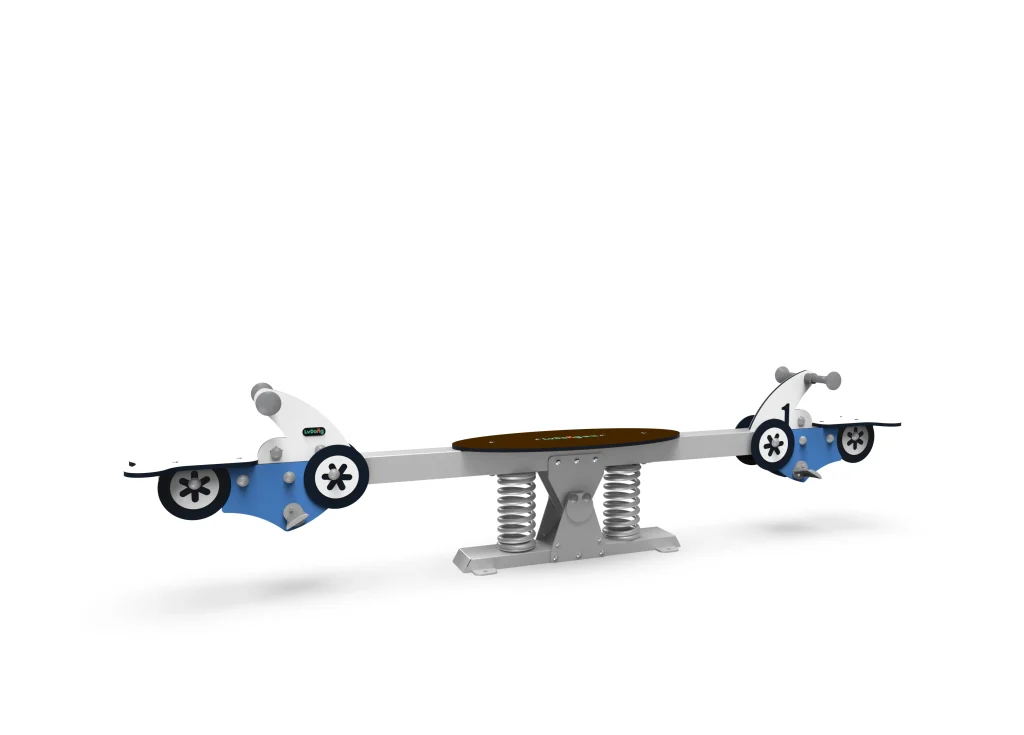
Spare parts availability is another hidden differentiator. Springs, bearings, swing chains, and plastic seats wear out. Ask how long it takes to get replacement parts shipped. A supplier that stocks spare parts and can ship within days is better than one that needs to custom-produce a component, leaving a piece of equipment out of use for weeks. Our production planning keeps commonly worn parts in stock, and we can usually dispatch within 48 hours for emergency requests.
Comparing School Playground Equipment Supplier Proposals
Once you have proposals from multiple suppliers, compare beyond the price column. Create a matrix that includes safety certifications per equipment model, factory age and size, installation support, warranty duration covering standard 1-year versus 5-year coverage, and documented case projects of similar scale. Our company has completed over 1,500 projects nationwide, covering municipal parks, high-end communities, and educational institutions, which gives us a reference range few can match. A supplier with this breadth can adapt to your school’s specific conditions, whether it’s ground-level drainage issues or space constraints for a combined slide-swing-climber layout.
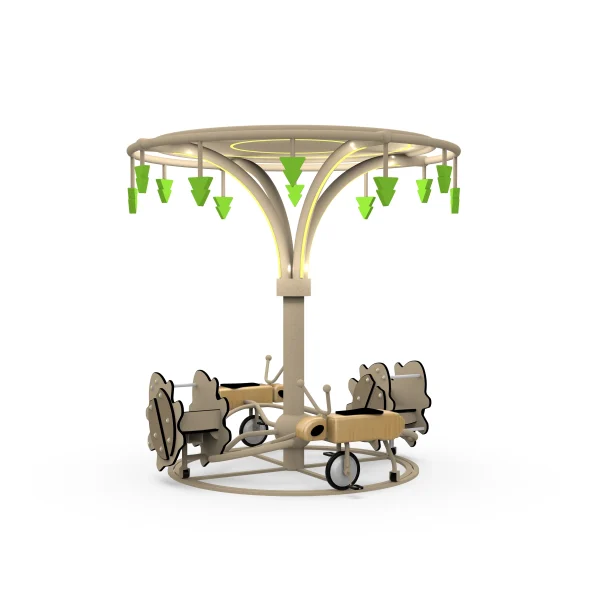
During evaluation, ask how the supplier handles design changes if the school’s needs evolve before production. A supplier that can quickly adjust 3D models and material lists reduces delays. Also request a project schedule that ties sample approval, production milestones, and shipping to your construction timeline. A detailed schedule prevents last-minute surprises.
Selecting a school playground equipment supplier is a decision that affects children’s safety, maintenance budgets, and the school’s liability for years. A supplier that handles R&D, production, installation, and after-sales under one roof eliminates the coordination gaps that cause most playground headaches. Send your school’s equipment requirements and space plan to [email protected] or WhatsApp +8613915684545, and our team will prepare a compliance-verified proposal with installation estimates.
Common Questions About Choosing a School Playground Equipment Supplier
How far in advance should we start the supplier selection process for a new school playground?
Start at least 4 to 6 months before your intended installation date. This gives time for design consultation, sample evaluation, production lasting 4 to 8 weeks for custom sets, shipping, and proper installation with safety surfacing. Rushing this timeline often forces schools to accept off-the-shelf equipment that may not fit the site or age group well. Early engagement also strengthens your negotiation position on pricing and shipping schedules. In programs we’ve supported, schools that planned ahead saved on air freight and avoided last-minute installation compromises.
What is the difference between EN 1176 and GB/T standards, and which one do we need?
EN 1176 is the European playground safety standard; GB/T 34272-2017 is the Chinese national standard. Both are rigorous and cover similar hazards, but they use different test methods and dimensional requirements. If your school is in a region that follows European norms, require EN 1176 certificates. If you’re importing equipment from China for a school that must meet local regulations, confirm the supplier can demonstrate equivalence or provide third-party testing to your national standard. A supplier experienced in export markets should be able to clarify this without confusion.
Can we get a free 3D design of the playground before placing an order?
Many suppliers offer a preliminary layout design as part of the consultation. At Suzhou LvDong, we typically provide a 3D rendering of the proposed equipment set based on your site dimensions and age groups after confirming basic requirements, at no upfront charge. This renders the playground’s flow and identifies potential space conflicts early. A detailed shop drawing is usually prepared after order confirmation. If a supplier demands a design fee upfront for a standard layout, verify what you’ll receive and whether the fee can be credited toward the order.
What should we ask during a factory visit to evaluate a playground equipment supplier?
During a factory visit, check incoming material inspection records, ask to see weld testing certificates, and observe whether finished products undergo load testing. Ask about their quality management system records; a factory following ISO 9001 will have traceable documentation. Look at how sub-assemblies are stored: are they protected from moisture and contamination? Finally, speak with the production supervisors about how they handle non-conformance. A supplier that openly discusses process failures and corrective actions is one you can trust. Share your project requirements with our team and we’ll walk you through a factory evaluation checklist tailored to your equipment scope.
How do we handle warranty claims and spare parts for imported playground equipment?
Warranty terms vary widely. A standard 1-year warranty covers manufacturing defects; look for suppliers offering extended coverage up to 5 years on structural steel components. Clarify who bears shipping costs for warranty parts and whether the supplier stocks spares locally or ships from factory. We maintain a spare parts inventory for common components and can express-courier them within days. Before ordering, have the supplier list the lifespans of wear parts, including chains, bearings, plastic seats, and spring riders, so you can budget for replacements. If you’re comparing warranty proposals, send us the terms and we’ll help you evaluate real coverage versus marketing promises. Share your requirements and we’ll confirm spare parts availability for your selected equipment.
If you’re interested, check out these related articles:
Old Playground Renovation Keep or Replace Decisions
Playground Equipment Balancing Price and Quality for Lasting Value