Renovating an Old Playground vs. Full Replacement: Making the Right Call
The question hits differently when you’re standing in front of aging swings and faded climbing structures, watching kids navigate equipment that’s seen better days. Old playground renovation isn’t just a budget line item—it’s a judgment call that affects how children play, how safely they do it, and whether your investment holds up five years from now. Having worked through dozens of these decisions with communities, schools, and parks departments, the answer is rarely obvious. Sometimes a targeted renovation breathes new life into solid bones. Other times, you’re better off starting fresh. Here’s how to figure out which situation you’re actually in.
Reading the Signs: What Your Existing Playground Is Telling You
Before spreadsheets and safety audits enter the picture, the equipment itself offers clues about what’s possible. A structural integrity check reveals more than just whether something is broken—it shows how the playground has aged and what that aging pattern means for its future.
Metal components tell stories through their corrosion patterns. Surface rust on galvanized steel differs fundamentally from deep pitting that’s compromised load-bearing capacity. Wood structures reveal their history through checking patterns, soft spots, and how fasteners have held up over seasons of freeze-thaw cycles. Plastic components fade and become brittle in predictable ways, but the timeline varies dramatically based on UV exposure and original material quality.
The playground equipment lifespan you’re working with depends heavily on what you find during this wear and tear analysis. Equipment from reputable manufacturers installed fifteen years ago often has more remaining useful life than budget equipment installed eight years ago. The brand matters less than the materials and construction methods that went into it.
What makes this assessment tricky is that visible condition doesn’t always correlate with safety status. A slide might look rough but function perfectly safely. A support post might appear fine while hiding internal decay. This is where professional risk assessment playground evaluations earn their keep—they catch what casual inspection misses.
Running the Numbers: When Renovation Math Works (And When It Doesn’t)
The cost-benefit analysis for playground upgrades involves more variables than most people initially consider. Direct comparison between renovation costs and replacement costs tells only part of the story.
Renovation typically wins on paper when existing structures are fundamentally sound and the required upgrades are modular—replacing surfacing, adding new play elements to existing frameworks, or updating specific components that have aged out. The return on investment playground calculation favors renovation when you’re looking at 40-60% of replacement cost for an outcome that extends useful life by 8-12 years.
| Consideration | Renovation Approach | Full Replacement |
|---|---|---|
| Upfront Investment | Generally 30-60% of replacement | Full capital outlay required |
| Timeline to Completion | Weeks, minimal closure | Months, extended site work |
| Safety Standard Alignment | Depends on upgrade scope | Built to current codes |
| Design Freedom | Constrained by existing layout | Complete flexibility |
| Future Maintenance Burden | Mixed—new and aging components | Uniform, predictable |
| Community Disruption | Limited | Significant |
The future maintenance costs playground factor deserves more attention than it usually gets. Renovated playgrounds often create a patchwork of component ages, which complicates maintenance scheduling and parts sourcing. A playground with original 2010 equipment, 2018 additions, and 2024 safety surfacing requires tracking three different maintenance timelines and potentially three different suppliers.
Lifecycle cost analysis shifts the calculation when you extend the timeframe. A renovation that costs $45,000 today but requires another $30,000 in five years might not beat a $90,000 replacement that runs cleanly for fifteen years. Funding for playground renovation often comes in smaller, more accessible chunks than capital replacement budgets, which creates practical constraints that pure financial analysis ignores.
Safety Standards: The Non-Negotiable Factor
Current playground safety standards have evolved substantially over the past decade, and this evolution directly impacts the renovation-versus-replacement decision. Regulatory compliance playgrounds must meet isn’t optional—it’s the baseline that determines whether your playground can legally operate.
ASTM F1487 specifications address equipment design, spacing requirements, and fall zone calculations. CPSC guidelines layer additional requirements on top. ADA compliance playgrounds must achieve goes beyond wheelchair accessibility to include sensory considerations and equipment that serves children across ability ranges.
Older playgrounds frequently fail current standards in ways that aren’t obvious. Equipment spacing that was acceptable in 2008 may create entrapment hazards under current definitions. Fall surfacing that met requirements when installed may have compacted below acceptable impact attenuation levels. Head entrapment openings that passed earlier inspections may fall into prohibited ranges under updated measurement protocols.
Safety Standards and the Keep-or-Replace Decision
When new playground safety standards conflict with existing equipment, the math changes quickly. Outdated equipment risks create liability exposure that no amount of cost savings justifies.
Some compliance gaps are addressable through targeted upgrades. Adding compliant surfacing, modifying equipment spacing, or installing updated hardware can bring borderline equipment into compliance. Other gaps require equipment removal because the fundamental design violates current safety principles.
Fall surface requirements often drive the decision. If existing equipment sits on surfaces that can’t meet current impact attenuation standards, and the equipment can’t be relocated to accommodate proper surfacing, replacement becomes the practical path forward. The cost of reconfiguring an entire playground layout to accommodate surfacing requirements can exceed replacement cost while delivering an inferior result.
Building Play Value Into the Decision
Beyond safety compliance, the question of what children actually gain from the playground deserves weight in the analysis. Modern playground design trends emphasize developmental benefits, social interaction opportunities, and inclusive access that older designs often lack.
Integrating unpowered amusement equipment into renovation or replacement projects opens possibilities that didn’t exist when many older playgrounds were built. Equipment like the Multi Player Playground Spinning Wheel creates collaborative play experiences for groups of 6-10 children, building social skills alongside physical coordination. The rotating motion engages vestibular systems in ways that traditional static equipment doesn’t address.
Single Player Playground Spinner equipment serves different developmental needs—balance development, independent risk assessment, and proprioceptive feedback that helps children understand their bodies in space. These pieces work within compact footprints, making them viable additions to renovation projects with limited expansion room.
Spring Playground Equipment brings sensory input through rocking motion, serving younger children and those who benefit from rhythmic movement. The animal and vehicle themes that work well on these pieces create imaginative play opportunities alongside the physical benefits.
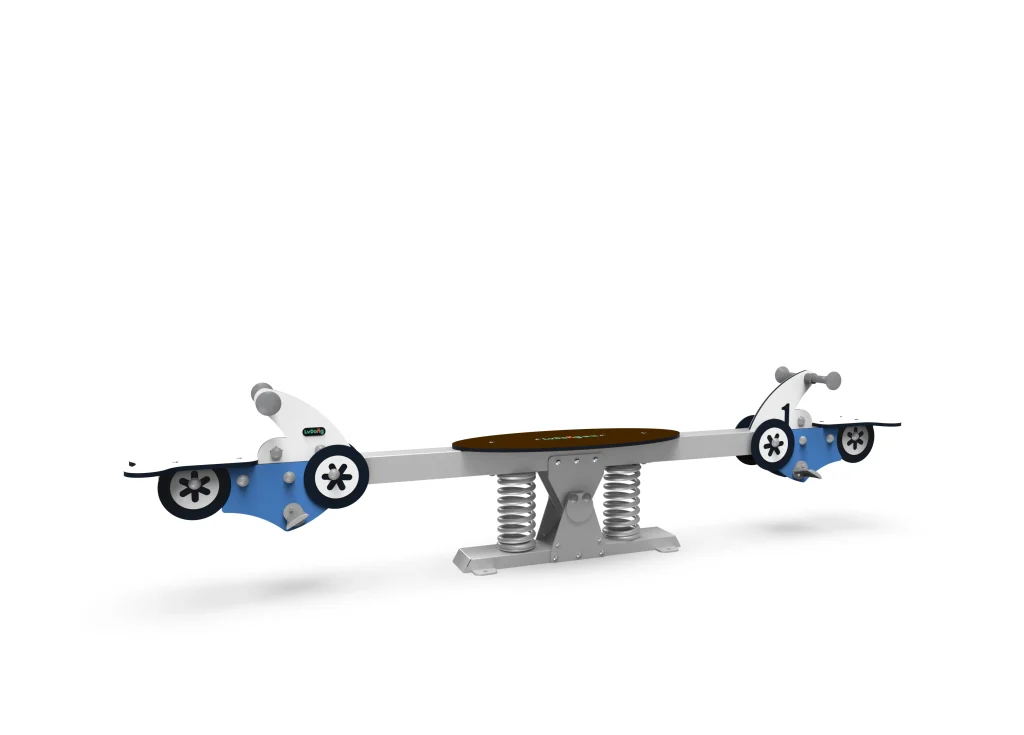
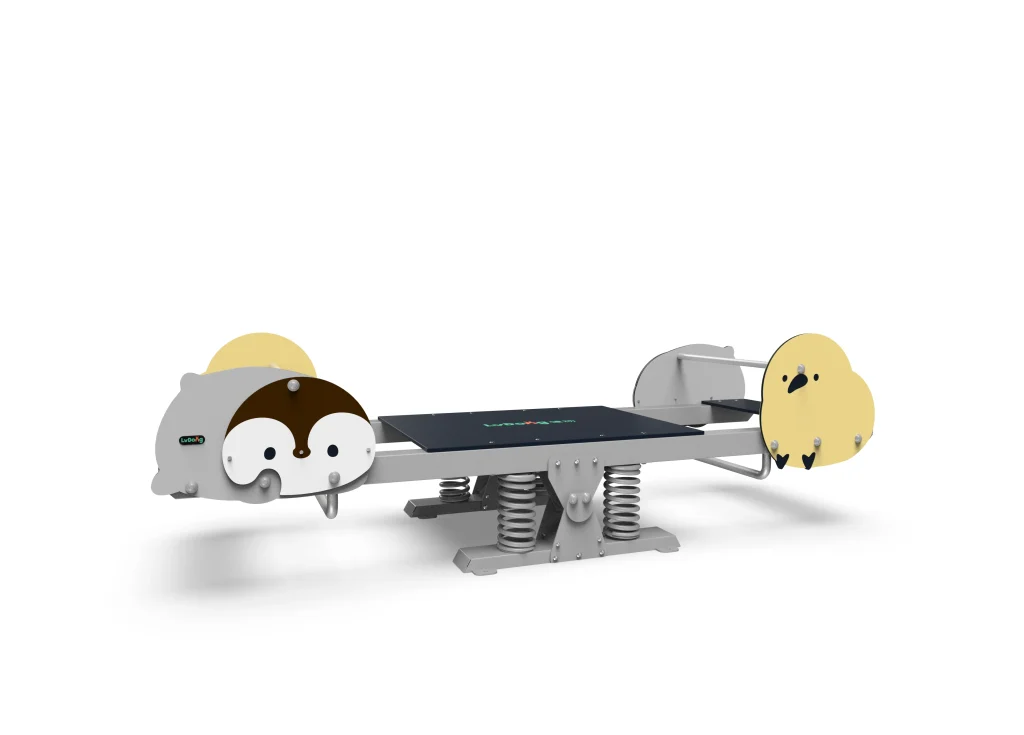
Multi Person Playground Seesaw designs have evolved substantially from the simple plank seesaws that dominated older playgrounds. Current designs accommodate 2-10 children simultaneously, creating social dynamics that single-partner seesaws couldn’t achieve. The engineering behind these pieces distributes forces more safely while maintaining the cooperative play experience that makes seesaws valuable.
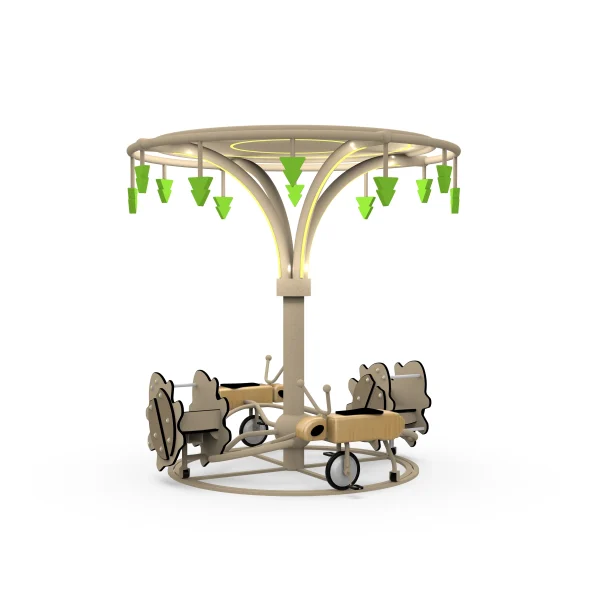
Custom playground solutions allow communities to address specific needs that off-the-shelf equipment doesn’t serve. Community playground planning that incorporates local input often identifies play value gaps that generic designs miss—maybe the neighborhood lacks spinning equipment, or the age distribution of local children skews toward ranges that existing equipment doesn’t serve well.
Making It Happen: From Decision to Functioning Playground
The gap between deciding on renovation or replacement and having children safely playing on the result involves more steps than most project sponsors initially anticipate. Playground project management requires coordinating site preparation, equipment procurement, installation sequencing, safety certification, and community communication.
Material selection affects both immediate costs and long-term durability outdoor equipment must withstand. Sustainable playground materials have improved substantially—recycled plastics and responsibly sourced woods now perform comparably to traditional materials while reducing environmental impact. The durability question matters more for renovation projects, where new materials must integrate with existing components that may have different weathering characteristics.
Quality management systems during production and installation catch problems before they become safety issues or costly rework. Equipment warranty terms vary significantly between manufacturers, and the practical value of warranty coverage depends on whether replacement parts remain available and whether the warranty actually covers the failure modes that occur in real-world use.
Moving Forward With Your Playground Project
Whether old playground renovation makes sense for your situation or replacement better serves your community depends on factors that generic advice can’t fully address. The condition of existing equipment, your budget constraints, your timeline, and your community’s specific needs all shape the right answer.
Suzhou LvDong Amusement Equipment Co., Ltd. brings over a decade of experience in unpowered amusement solutions to these decisions. Our integrated approach—covering R&D, design, production, installation, and ongoing support—means you’re working with a team that understands how decisions made early in the process affect outcomes years later.
If you’re weighing renovation against replacement, a conversation with our team can clarify which path fits your situation. We’ll assess what you have, understand what you need, and help you build a playground that serves children safely for years to come.
Contact us: WHATSAPP: +8613915684545 | [email protected]
FAQ
What ROI should we expect from renovation compared to full replacement?
The return calculation depends heavily on your starting point. Renovation typically delivers stronger short-term ROI when existing equipment is structurally sound and compliance gaps are addressable through targeted upgrades. You might spend 40-50% of replacement cost and extend useful life by a decade. Full replacement tends to win on long-term ROI when existing equipment requires extensive modification, when maintenance costs for aging components are climbing, or when the current design doesn’t serve your community’s needs. The honest answer requires examining your specific equipment condition, projecting maintenance trajectories, and factoring in the play value improvements each option delivers.
How do we confirm our renovation meets current safety and accessibility requirements?
Start with a professional audit of existing conditions against current ASTM F1487, CPSC, and ADA standards. This audit identifies specific compliance gaps and quantifies what addressing each gap requires. Work with manufacturers who specialize in compliant unpowered amusement equipment and can document that their products meet current standards. Specify certified safety surfacing with documented impact attenuation ratings. Build inspection checkpoints into your project timeline—during installation, not just after completion. Obtain required permits and arrange for final certification from qualified inspectors before opening to the public.
Why choose unpowered equipment for playground upgrades?
Unpowered amusement equipment eliminates electrical infrastructure requirements, reduces ongoing operational costs, and removes an entire category of potential hazards. The maintenance profile is simpler and more predictable than powered alternatives. From a play value perspective, unpowered equipment often encourages more active engagement—children provide the energy that makes the equipment function, which builds physical fitness and motor skills. The equipment tends to support longer play sessions because children can modulate intensity to their own comfort levels. Environmental sustainability improves when you’re not drawing power, and the equipment typically lasts longer because there are fewer components subject to electrical or mechanical failure.
To discuss the equipment scope for a renovation, contact the LvDong team with your project requirements.