Seven Mistakes That Drain Your Commercial Playground Budget
Getting commercial playground equipment right the first time matters more than most buyers realize. I’ve watched projects go sideways—not from bad intentions, but from gaps in planning that seemed minor at the start and became expensive later. Safety issues, budget overruns, equipment that doesn’t fit the site—these problems share a common thread: they were avoidable. What follows are seven mistakes worth understanding before you commit funds to a playground project, along with practical ways to sidestep each one.
Safety Standards Get Skipped More Often Than You’d Think
Playground safety certifications exist for good reasons, but they’re easy to overlook when you’re focused on aesthetics or price. The consequences of non-compliance range from serious injuries to lawsuits that can sink an organization’s reputation and finances. Children’s safety isn’t negotiable, and neither is protecting your investment from liability.
The standards that matter most include ASTM F1487, which covers performance specifications for public playground equipment in the United States—things like fall heights, entrapment risks, and structural integrity. EN 1176 serves a similar function in Europe. CPSC guidelines add another layer of recommendations around design, installation, and maintenance. ADA requirements ensure children with disabilities can access play spaces.
Suzhou LvDong Amusement Equipment builds to these standards as a baseline, not an afterthought. Every piece of equipment undergoes testing for structural soundness, material safety, and fall protection before it ships. Safety surfacing requirements factor into the design process from the beginning. A proper risk assessment before installation catches site-specific hazards that generic planning might miss.
Which Safety Certifications Actually Matter for Commercial Playgrounds?
ASTM F1487, EN 1176, and CPSC guidelines form the foundation. ASTM F1487 specifies performance requirements for public playground equipment—fall heights, entrapment hazards, structural integrity. EN 1176 covers similar ground for European markets. CPSC guidelines address design, installation, and maintenance practices. Meeting these standards isn’t just about compliance; it’s about ensuring the equipment has been tested against real-world failure modes.
The Real Cost Extends Far Beyond the Purchase Price
Focusing only on equipment cost is a reliable way to blow your budget. Total cost of ownership includes installation, safety surfacing, ongoing maintenance, inspections, and repairs over the playground’s lifespan. These expenses add up faster than most first-time buyers expect, and failing to account for them creates financial strain down the road.
Material choices and design decisions made early in the process determine much of what you’ll spend later. Robust construction with durable materials means fewer repairs and replacements. Suzhou LvDong emphasizes low-maintenance designs specifically because they reduce long-term expenses. Our integrated service model—covering installation and after-sales support—helps prevent the kind of unexpected costs that derail budgets. When you’re planning your commercial playground equipment investment, factor in what you’ll spend over ten or fifteen years, not just what you’ll pay upfront.
Generic Designs Fail Specific Sites
A playground that works beautifully in one location may be wrong for another. Topography, climate, drainage, sun exposure, user demographics—these factors vary, and ignoring them produces play areas that underperform or create safety hazards. ADA compliance adds another layer of site-specific requirements that generic designs often miss.
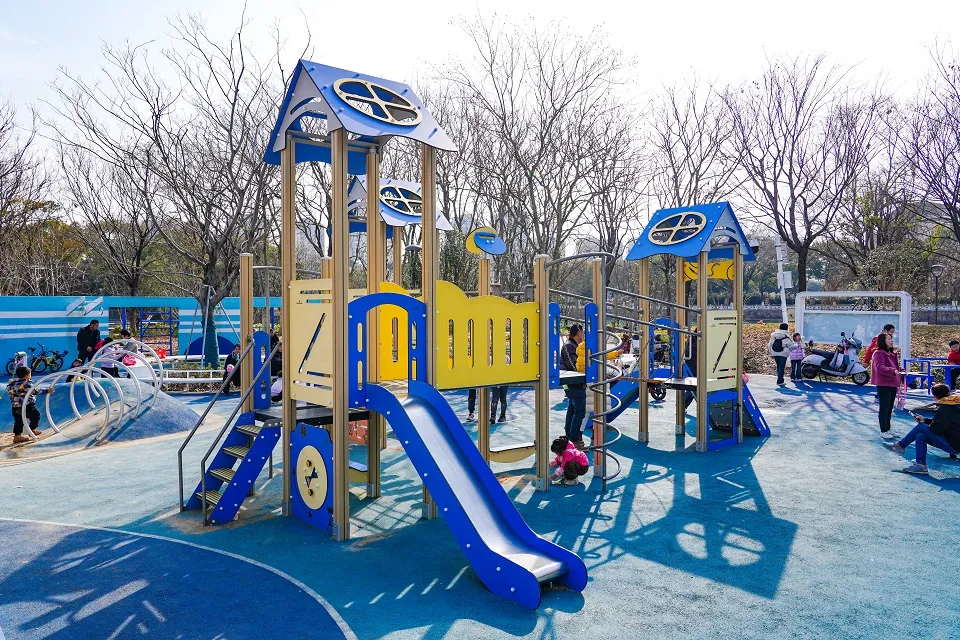
Custom playground design addresses these realities. Suzhou LvDong has completed over 1,500 projects across diverse settings, from municipal parks to high-end residential communities. Each project starts with site analysis: What’s the terrain like? How does water drain? Where does the sun hit hardest during peak play hours? Which age groups will use the space? Inclusive playground equipment needs factor into layout planning from the start. The goal is a play space that fits its location and serves its users, not a catalog solution dropped onto an incompatible site.
What Matters Most When Selecting Commercial Playground Equipment?
No single factor dominates—it’s the integration of safety, user demographics, site conditions, and long-term sustainability that produces successful outcomes. Expert design pulls these elements together into a coherent whole. A playground that’s safe but boring won’t get used. One that’s engaging but poorly suited to the site will create maintenance headaches. Thorough site analysis and thoughtful equipment selection work together to create play spaces that deliver lasting value.
Material Quality Shows Up in the Maintenance Bills
Substandard materials corrode, degrade, and break. When they do, you pay for repairs and face potential safety hazards. The connection between material selection and equipment lifespan is direct and measurable.
Suzhou LvDong operates a production facility spanning over 10,000 square meters, with standardized quality management systems governing every stage of manufacturing. Material selection prioritizes longevity and resistance to environmental factors—UV exposure, moisture, temperature swings, heavy use. Quality control in playground manufacturing isn’t glamorous, but it’s what separates equipment that lasts from equipment that becomes a recurring expense. Commercial playground equipment built with premium materials and rigorous manufacturing processes withstands the punishment that public play spaces receive.
Supplier Reputation Predicts Post-Purchase Experience
A supplier’s track record tells you what to expect after the sale. Spare parts availability, warranty claims, technical support—these become important when something goes wrong, and something eventually does. Vetting suppliers thoroughly before purchase prevents headaches later.
Suzhou LvDong brings over a decade of experience and an integrated service model covering R&D, design, production, installation, and after-sales support. This full-industry-chain capability means you’re not dealing with a middleman who can’t answer technical questions or source replacement parts. Comprehensive warranty options and reliable ongoing assistance come standard. The relationship doesn’t end when the equipment ships—it continues through installation and beyond.
Static Designs Become Obsolete
Communities change. User needs evolve. A playground designed without expansion or adaptability in mind becomes outdated faster than one built with future flexibility. When that happens, you’re looking at costly overhauls instead of incremental additions.
Modular playground equipment solves this problem. Suzhou LvDong’s designs allow reconfiguration and expansion as needs change—adding components to accommodate growing user numbers or shifting play trends without tearing out existing infrastructure. Future-proof playground design isn’t about predicting exactly what you’ll need in ten years; it’s about building in the flexibility to adapt when circumstances shift. Planning for expansion from the start is cheaper than retrofitting later.
Common Questions About Commercial Playground Projects
What Drives Commercial Playground Installation Costs?
Equipment complexity, site preparation, safety surfacing, and location all influence the final number. Custom design work, ADA compliance features, and professional installation services add to the total. The only way to avoid surprises is a detailed quote that breaks out each cost component. Ballpark estimates based on equipment price alone consistently understate actual project costs.
What Legal Exposure Comes With Playground Equipment?
Injuries from non-compliant equipment, improper installation, inadequate maintenance, or design flaws create liability. Meeting relevant safety standards, using professional installation, and maintaining regular inspection schedules mitigate these risks. Documentation matters—being able to demonstrate compliance and proper maintenance practices provides protection if incidents occur.
How Do You Match Equipment to Age Groups?
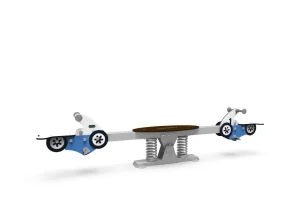
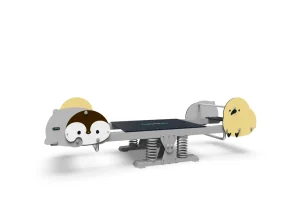
Children ages 2-5 have different developmental needs and physical capabilities than those ages 5-12. Equipment designed for older children can injure younger ones; equipment designed for toddlers bores school-age kids. Appropriate challenges, heights, and safety features vary by age group. Expert designers create age-appropriate zones that maximize both safety and engagement. Spring Playground Equipment often works well for younger children due to its gentle motion and manageable scale.
Work With Suzhou LvDong on Your Next Playground Project
Commercial playground equipment represents a significant investment. Getting it right requires expertise in safety standards, site analysis, material selection, and long-term planning. Suzhou LvDong Amusement Equipment Co., Ltd. brings over a decade of experience and integrated capabilities spanning R&D, design, production, installation, and after-sales support. Our track record includes more than 1,500 completed projects and a commitment to rigorous quality management. If you’re planning a playground project, we can help you avoid the mistakes that cost other buyers time and money.
WHATSAPP: +8613915684545 | [email protected]