Keeping amusement equipment running smoothly comes down to knowing when parts wear out before they actually fail. Chains stretch, bearings get noisy, springs lose their bounce—these aren’t surprises if you’re paying attention. After years of watching how these components behave in real installations, the patterns become predictable. The trick is catching degradation early enough to plan replacements on your schedule, not the equipment’s.
What Actually Determines How Long Chains, Bearings, and Springs Last
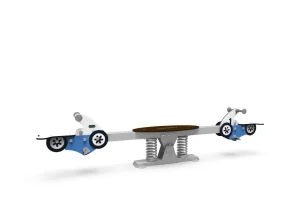
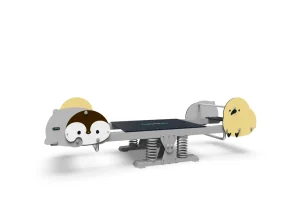
The lifespan of chains, bearings, and springs in amusement equipment depends on several factors working together. Material selection matters enormously. The steel alloys chosen for these components need specific fatigue resistance and tensile strength characteristics. A Multi-Person Outdoor Playground Seesaw’s spring-assisted base, for example, faces continuous cyclic loading throughout every operating hour. The chains on a Multi-Player Playground Spinning Wheel need high wear resistance because they’re under constant tension during rotation.
Environmental exposure accelerates degradation faster than most operators expect. UV radiation breaks down lubricants and some protective coatings. Moisture promotes corrosion, especially in coastal or humid climates. Temperature swings cause expansion and contraction cycles that stress metal components. Commercial settings with high-frequency usage push components toward their fatigue limits much faster than residential applications.
Different failure modes show up in predictable ways. Chains elongate beyond specified tolerances as pins and bushings wear. Bearings develop increased vibration or noise when internal components degrade. Springs exhibit permanent set or reduced elasticity when they’ve been overstressed repeatedly.
| Component | Typical Lifespan Range (Years) | Key Factors Influencing Lifespan |
|---|---|---|
| Chains | 2-5 | Usage frequency, lubrication, environment, load |
| Bearings | 3-7 | Load, speed, lubrication, contamination, temperature |
| Springs | 5-10 | Material fatigue, corrosive environment, cyclic stress |
Catching Problems Before They Become Failures
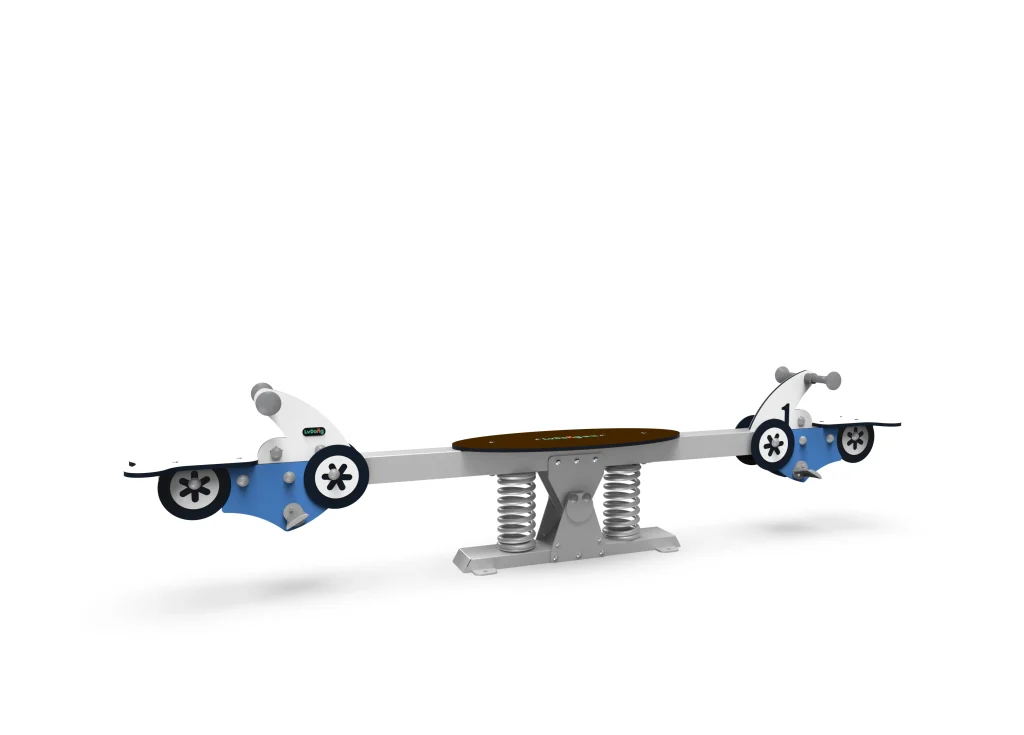
Regular inspection protocols catch early warning signs of component degradation. Visual checks reveal obvious issues, but precise measurements and diagnostic techniques find problems that aren’t visible yet. This shifts maintenance from reactive repairs to predictive strategies. Spring playground equipment springs, for instance, need regular checks for corrosion or deformation that could compromise their load-bearing capacity.
Non-destructive testing methods reveal internal flaws before they surface. Ultrasonic testing and magnetic particle inspection can detect cracks or material degradation inside critical components. Vibration analysis works particularly well for bearings, picking up imbalances or wear patterns that signal developing problems. Chain elongation measurement with specialized gauges provides more accurate wear quantification than eyeballing ever could. Spring tension testing confirms whether springs still meet their specified load-bearing requirements.
These techniques allow intervention at the right moment. Minor issues get addressed before they cascade into critical failures that compromise safety or force extended unplanned downtime.
How can I accurately assess the wear and tear on critical amusement ride components?
Start with regular visual inspections looking for cracks, corrosion, deformation, or loose fasteners. Then move to precise measurements—chain elongation with a calibrated ruler, bearing clearances with feeler gauges. For deeper assessment, vibration analyzers catch bearing problems early, and non-destructive testing reveals hidden structural issues. Document everything to track wear progression over time.
When Replacement Makes More Financial Sense Than Waiting
Replacement timing decisions should be driven by actual wear data rather than arbitrary schedules. A cost-benefit analysis of replacement options needs to account for both upfront costs and long-term operational expenses. Replacing a worn Playground Spinner Manufacturer OEM component before failure prevents cascading damage to connected parts. The math usually favors proactive replacement when you factor in avoided repair costs and revenue loss from extended downtime.
Spare parts inventory management directly affects how quickly you can respond to problems. Keeping critical components like chains, bearings, and springs in stock eliminates lead time delays during unexpected failures. Equipment downtime drops significantly when replacements are already on hand.
Lifecycle cost analysis typically shows that preventative replacement costs less than reactive maintenance over time. The initial investment in scheduled replacement pays back through avoided catastrophic failures and maintained continuous operation.
Why Component Quality Determines Everything Else
The reliability of chains, bearings, and springs directly impacts both operational integrity and rider safety. Supplier vetting processes need to evaluate manufacturing capabilities, adherence to international quality certifications like ISO, and commitment to material traceability. The high-strength steel springs in Spring Playground Equipment meet EN 1176 and GB/T 34272-2017 safety standards, which ensures durability and controlled rocking motion under repeated stress cycles.
Supplier auditing verifies quality control measures and confirms that components meet specified material properties and performance criteria. Durability testing in both laboratory settings and simulated operational conditions confirms expected lifespan and resistance to wear, fatigue, and environmental degradation. Certified and traceable components reduce risks associated with premature failure.
Installation Mistakes That Shorten Component Life
Even high-quality components fail prematurely when installed incorrectly. Proper chain installation requires correct tensioning and alignment. Too tight creates excessive stress; too loose allows damaging slack and whipping motion. Both conditions accelerate wear and shorten service life.
Bearing mounting needs specialized tools to avoid installation damage. Improper seating or incorrect clearances create problems that compound over time. Spring tensioning must match intended load characteristics precisely. Overtensioning stresses the material beyond design limits; undertensioning allows excessive deflection.
Regular lubrication schedules for chains and bearings reduce friction and heat buildup, which are primary wear drivers. Post-maintenance safety checks, including functional tests and load simulations, confirm that everything operates correctly before equipment returns to service.
Safety Standards Aren’t Optional
Adherence to established safety standards protects riders, operators, and the business itself. Products including Multi Person Playground Seesaw and Single-Player Playground Spinning Equipment must comply with standards like EN 1176 and GB/T 34272-2017. These standards specify design, manufacturing, installation, and maintenance requirements.
Non-compliance consequences include fines, operational shutdowns, legal liability, and reputation damage that can take years to recover from. Regular risk assessments identify potential hazards throughout the equipment lifecycle. Regulatory requirements change, so staying current with updates and incorporating them into safety protocols matters for ongoing compliance.
Partner with Suzhou LvDong for Unrivaled Amusement Solutions
As pioneers in premium unpowered amusement equipment, Suzhou LvDong Amusement Equipment Co.,Ltd offers unparalleled expertise in design, production, and after-sales support. With over a decade of innovation and a 10,000+ sqm intelligent production base, we ensure the highest quality and safety for your projects. Optimize your equipment’s lifespan and operational efficiency by partnering with a leader. Contact us today for a consultation on component solutions, maintenance strategies, or to explore our comprehensive range of amusement equipment. WHATSAPP:+8613915684545 | [email protected]
FAQ
What are the typical lifespan expectations for chains, bearings, and springs in high-use amusement equipment?
Chains typically need replacement every 2-5 years, bearings every 3-7 years, and springs every 5-10 years. These ranges assume reasonable maintenance and environmental conditions. High-traffic commercial installations trend toward the shorter end of these ranges. Continuous monitoring and strict maintenance schedules provide the data needed for accurate prediction in your specific situation.
What are the long-term cost implications of delaying component replacement in amusement parks?
Delayed replacement increases catastrophic failure risk, which means unplanned downtime, revenue loss, and expensive emergency repairs. Safety compromises create liability exposure and potential regulatory penalties. The repair costs after a cascading failure typically exceed what proactive replacement would have cost by a significant margin. Reputation damage from safety incidents can affect attendance for years.
Does Suzhou LvDong Amusement Equipment Co.,Ltd provide replacement parts for existing amusement installations?
Yes, Suzhou LvDong provides high-quality replacement parts for existing installations. The full-industry-chain service capability extends beyond new equipment to supporting the longevity and safety of current attractions. This includes sourcing and supplying durable chains, bearings, springs, and other critical components that meet rigorous quality standards.
How does proper lubrication affect the lifespan of chains and bearings in amusement rides?
Lubrication reduces friction between moving parts, which prevents premature wear and corrosion in chains. For bearings, it creates a protective film that minimizes metal-to-metal contact and dissipates heat. Using the correct lubricant type and maintaining proper application schedules can extend component life substantially while improving operational efficiency.