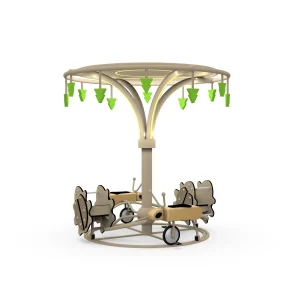
Silent bearing spinners change the maintenance budget conversation because bearing wear is no longer the first failure that announces itself as a metallic scrape. In Lvdong multi-player spinners, the rotating assembly is designed to keep sand, water, and daily abrasion away from the load path. That means fewer urgent replacements, quieter operation near homes and classrooms, and more predictable annual upkeep. The saving is less about removing all maintenance and more about shifting spending from unplanned bearing replacement toward simple inspection, cleaning, and documented seasonal checks.
Why Spinner Bearing Noise Is a Maintenance Budget Signal
When a playground spinner begins to sound dry or metallic during rotation, the maintenance budget usually starts moving from planned inspections toward unplanned repairs. Noise is one of the earliest indications that a rotating surface has lost its lubricant film or has begun to draw in fine dust and moisture. Because children will continue to use the equipment, the wear progresses quickly once that boundary is broken. A quiet spinner is not just more pleasant for the surrounding environment; it is also a sign that the load is moving through the bearing assembly without the hard contact that creates wear particles.
| Observation | Probable condition | Maintenance response |
|---|---|---|
| Dry scrape or squeal during rotation | Lubricant film loss or particle entry | Clean and inspect the bearing area before continued use |
| Clicking at the same point in each turn | Localised race or ball damage | Isolate the spinner and plan a targeted bearing replacement |
| Stiff or uneven coasting | Seal deformation or contaminant buildup | Check seal condition and rotate under no-load conditions |
| Rust stain near the rotating hub | Moisture retention and corrosion | Dry, clean, and verify the housing before re-lubricating |
| Fasteners around the hub loosen repeatedly | Vibration passing through the rotating assembly | Check mounting torque, bearing seating, and surface flatness |
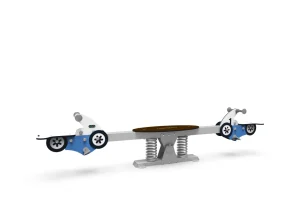
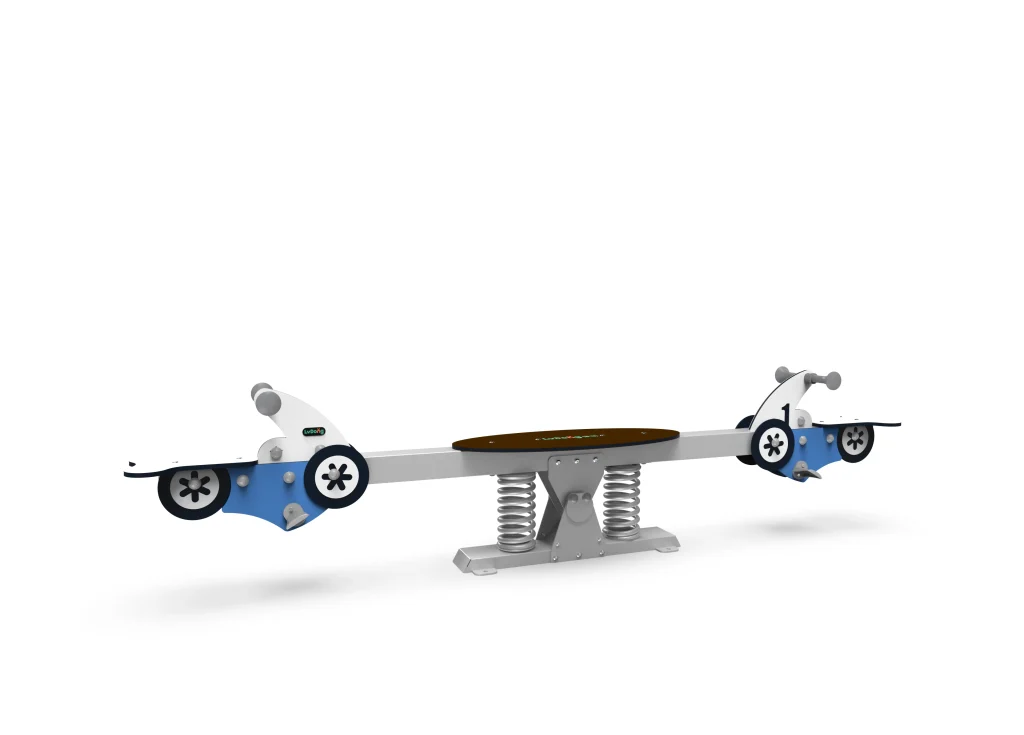
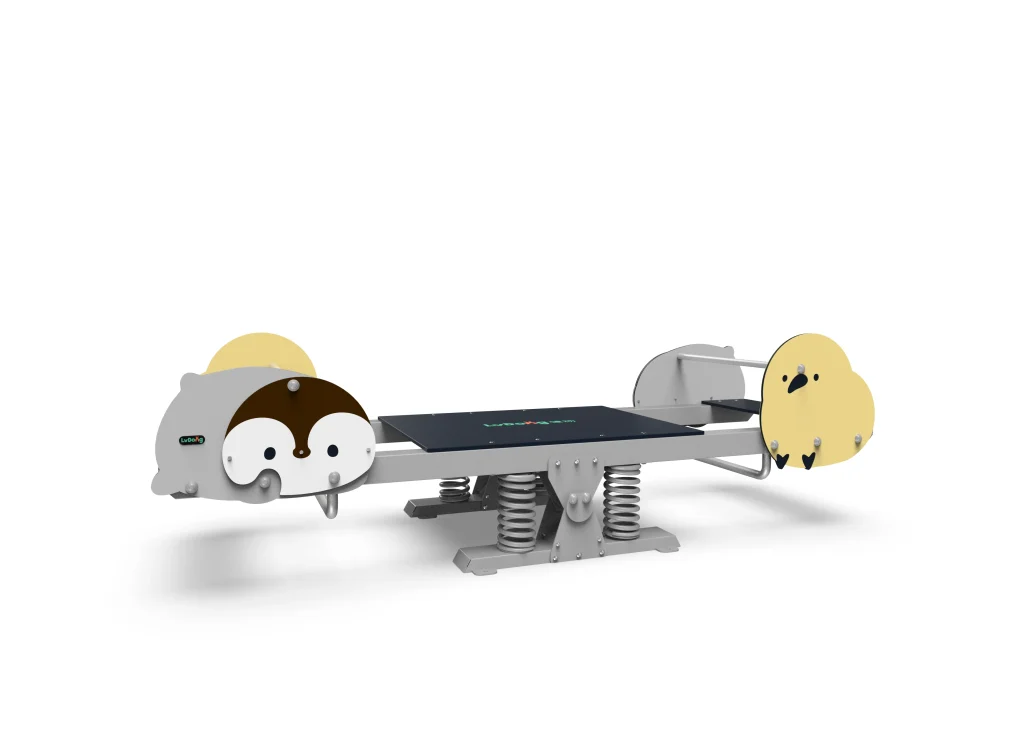
These signs share an early-warning role with other moving parts around the playground. A seesaw pivot or teeter totter base can show the same progression from light sound to hard wear when contamination is left in place.
How Lvdong Spinner Design Supports Quieter Bearing Operation
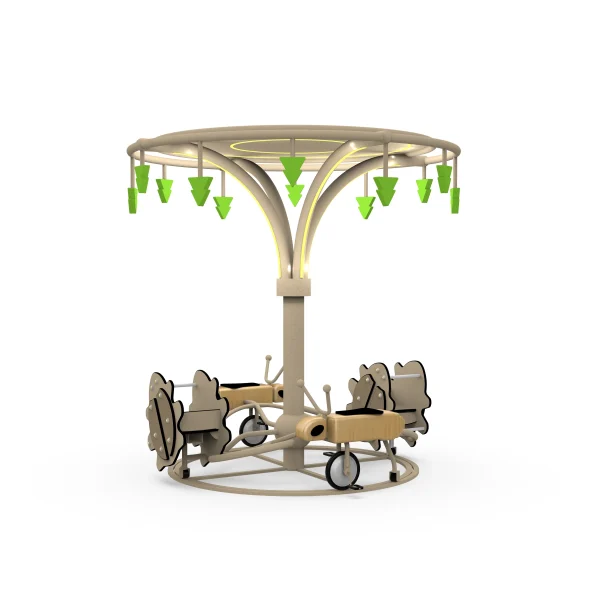
The benefit for maintenance comes from the way the rotating assembly is supported. Lvdong multi-player spinners use a stable round spinning structure with smooth, controlled rotation rather than a loose pivot that relies on constant user correction. That reduces the side loads and abrupt stops that can damage bearing seats. The spinner range is also designed for outdoor sun and rain exposure, so the bearing area is selected to tolerate the moisture and temperature changes that would otherwise flush lubricant out or draw water in.
Single-player units follow the same principle on a smaller footprint. Both configurations are built to EN 1176 and GB/T 34272-2017 requirements, and the multi-player range supports six to ten children per unit with a low maximum falling height of 55 to 77 cm. That operational range matters for maintenance because the bearing is not repeatedly pushed beyond its intended occupancy and speed.
Where the Maintenance Budget Actually Shrinks
The immediate saving is usually seen in emergency callouts. A dry or noisy bearing often becomes a same-day repair when it is noticed late, while a sealed assembly can remain on the planned inspection list for longer. Over the equipment’s service life, the budget shifts away from repeated bearing replacement and toward simpler tasks such as cleaning, visual checks, and fastener torque confirmation.
Operators can also reduce the spare parts pressure. When the bearing is not the first part to fail, the critical parts shelf can stay smaller and more predictable. The financial benefit is not a fixed percentage for every site, because coastal sand, heavy use, and cleaning frequency all change the rate of contamination. The practical gain is that the maintenance team can plan around known site conditions instead of reacting to unplanned noise complaints.
Spinner bearing wear normally shares a maintenance schedule with springs and chain-type moving parts before it turns into a failed component. <Replacing Chains Bearings Springs Lifespan Guide Strategies> covers replacement intervals and how to plan parts replacement around visible wear rather than waiting for failure.
What to Inspect During Acceptance and Seasonal Checks
Acceptance should not stop at visible welds, paint, and platform dimensions. Rotate the spinner by hand, listen for dry or uneven sound, and feel for stiff points or unintended side movement. Record whether the unit coasts smoothly after release, because that first record becomes the baseline for later inspections.
A practical acceptance and seasonal list includes these checks:
- Confirm rotation starts and stops without a dry scrape or a point that catches.
- Check for side-to-side or vertical play at the hub.
- Inspect the bearing seal edges for cracks, displacement, or packed sand.
- Verify mounting fasteners after the first two weeks and before seasonal peaks.
- Re-lubricate only when the product documentation calls for it, because some sealed designs are lubricated for life and should not be opened on a general maintenance schedule.
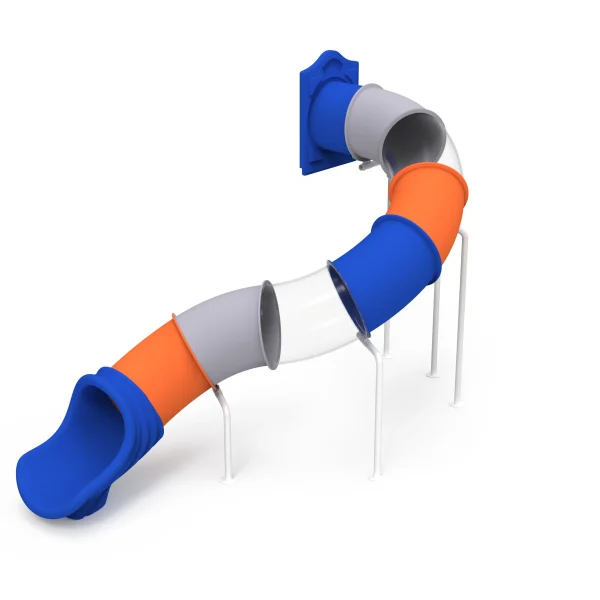
The same abrasive grit that reaches a spinner bearing also collects on slide surfaces, tunnel slide interiors, and other equipment zones. A single site inspection can therefore cover several maintenance items without adding much time.
Seasonal care matters because water, sand, and de-icing residues follow the same entry paths into moving joints on many outdoor units. <Optimal Seasonal Care for Outdoor Metal Swing Sets> covers seasonal cleaning and protection routines that apply to moving outdoor equipment in high-exposure sites.
Maintenance Planning for Busy Playgrounds
The maintenance calendar can remain simple when the bearing is not the first failure point. A monthly check can focus on rotation sound, visible contamination, and fastener condition. A quarterly check can add a closer look at seals and the base connection. An annual check can compare the current rotation with the acceptance record and schedule any parts replacement before peak season.
Quiet operation also changes how the equipment fits into noise-conscious locations. A spinner installed near a hospital family area or a residential courtyard is judged partly by the sound it makes during continuous use. When the bearing remains clean and correctly seated, the dominant sound is children’s activity rather than a mechanical complaint. That matters for operators who manage repeated noise reports as an indirect maintenance cost.
Noise-sensitive sites often require playground equipment that stays quiet through continuous use and can be cleaned without damaging moving parts. <Safe Quiet Cleanable Playground Equipment for Hospitals> covers quiet and cleanable equipment choices for settings where noise and hygiene are part of the acceptance review.
Plan a Spinner Maintenance Review
A useful next step is to send the equipment model, site environment, and current inspection schedule for a specific maintenance review. Include the type of surfacing, the distance to the sea or heavy vegetation, and the approximate daily user count. This information helps identify which bearing, seal, and spare part package fits the site before a failure shows up in the budget.
Contact Lvdong at [email protected] or WhatsApp +8613915684545.
FAQ
Do sealed bearings eliminate all spinner maintenance?
No. Sealed bearings reduce the entry of sand and moisture, but seals can be damaged by impact, prolonged flooding, or incorrect cleaning. Regular visual checks and rotation tests are still needed to catch seal wear before contamination reaches the rolling surfaces.
How often should a high-traffic playground spinner be inspected?
A monthly rotation and sound check is a practical baseline. Quarterly checks should include seal, base, and fastener review. In coastal or desert sites, shorten the interval when inspections show rapid grit or salt accumulation.
What information should I include in a spinner maintenance quote request?
Send the spinner model and product code, site location and environment, approximate daily user count, current cleaning routine, and the last inspection record if available. This helps Lvdong confirm the correct bearing, seal, and spare parts without overstocking items the site does not need.
If you’re interested, check out these related articles:
Effectively Compare Playground Equipment Suppliers Services
Playground Equipment Balancing Price and Quality for Lasting Value
Outdoor Childrens Slides Age Grading 2-5 Versus 5-12
Educational vs Entertainment Play Panels A Strategic Guide