Choosing between single-player and multi-player playground spinning wheels is not only about available floor area. Capacity, supervision, age range, and peak-use flow shape the decision together. A compact single-player spinner fits a quiet toddler corner, while a multi-player spinning wheel can serve six to ten children in a central group play zone. The practical test is not which unit looks better. It is how many children the venue must move through safely at one time and how much clear space the equipment truly needs. This guide matches spinner type to footprint, use density, safety surfacing, and procurement checks.
Why Spinner Capacity and Footprint Belong in the Same Decision
Capacity and footprint work as one decision because a spinner is not selected by product dimensions alone. A single-player unit may be compact enough for a small corner, but it serves one child at a time. A multi-player spinning wheel can keep six to ten children active at once, yet it requires a wider piece of ground, a planned access path, and a clear rotation area. The right question is not simply how many square meters the equipment occupies. It is how much useable space the venue can dedicate, how many children will arrive during peak periods, and how staff can supervise that movement safely. Starting with these combined factors prevents a low-cost small unit from becoming a bottleneck or a large wheel from overwhelming a narrow site.
How Single-Player Spinning Equipment Fits Compact Toddler Zones
Single-player playground spinning equipment is designed for independent balance and coordination. The product range typically supports one child aged two years and older, with a maximum falling height of 34 cm. Its compact size, roughly 60 cm by 60 cm by 90 cm up to 95 cm by 80 cm by 160 cm depending on the model, makes it practical for toddler corners, sensory spaces, indoor parent-child centers, and narrow outdoor pockets. Because a single unit has a small user capacity, venues often place more than one unit with clear spacing between them. This allows several children to play at the same time without the shared movement of a large group wheel. The controlled rocking or spin-and-sway movement also suits children who need a quieter, less crowded play option.
How Multi-Player Spinning Wheels Handle High Traffic and Group Play
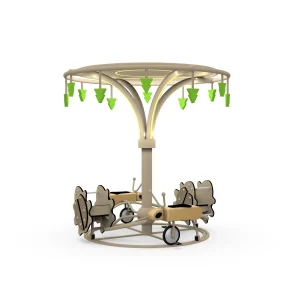
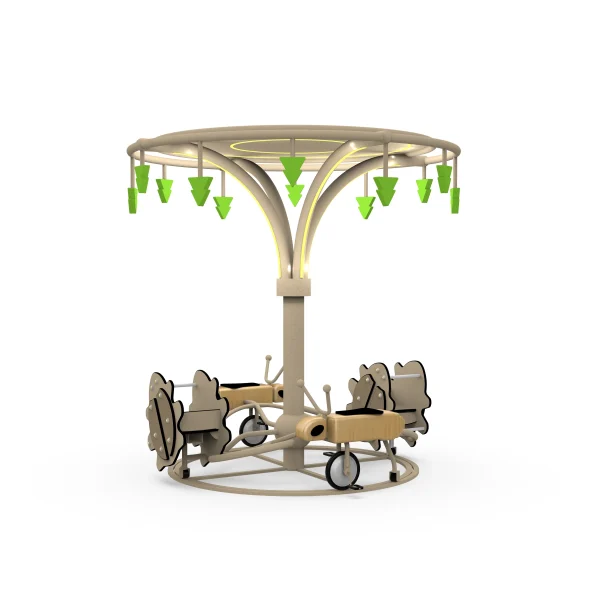
A multi-player playground spinning wheel changes the flow of a play area because it gathers children in one place. Depending on the model, it can serve 6 to 10 children per unit, with a structure that may include standing platforms, seats, climbing frames, or enclosed pods. Overall diameters range from about 120 cm to 200 cm, heights from 70 cm to 220 cm, and maximum falling heights from 55 cm to 77 cm. These units work best in central hubs, school break areas, community parks, hotel kids clubs, and cultural tourism sites where group play and social interaction are part of the experience. The operator gains efficient use of one central unit, but the ground plane around the wheel must remain open enough for entry, exit, and supervised rotation. The creative themed designs can also anchor a playground visually while supporting collaborative play.
Footprint Planning Beyond the Equipment Edge
Footprint planning should start with the equipment dimensions and then add the space needed for movement, impact surfacing, and circulation. The product footprint tells only part of the story. A single-player unit may have a 60 cm by 60 cm base, but a child still needs space to approach, step on, spin, and step away without backing into a wall or another activity. A multi-player wheel with a 200 cm diameter needs additional open ground around its rotating envelope, which must be confirmed against the selected model and the project fall height. Site surveys should measure the net useable zone after paths, gates, seating, landscaping, and maintenance access are accounted for. Drainage, sun exposure, and the direction of peak foot traffic also affect whether a spinner can remain clear and safe through the day.
Matching Capacity to Venue Type and Peak Use
Venue type is the best starting point for matching capacity to footprint. A restaurant play corner, small indoor waiting area, or compact courtyard often needs one or two single-player units because space is limited and supervision is close. A school break area, public park, mall indoor play space, or large hotel kids club may need a multi-player spinning wheel as a central attraction because the same footprint can serve a group during a 15-minute peak window. The comparison below shows the main planning differences.
| Planning factor | Single-player spinning equipment | Multi-player playground spinning wheel |
|---|---|---|
| User capacity per unit | 1 child | 6 to 10 children per unit |
| Typical equipment footprint | About 60 cm by 60 cm by 90 cm to 95 cm by 80 cm by 160 cm | Diameter 120 cm to 200 cm, height 70 cm to 220 cm |
| Maximum falling height | 34 cm | 55 cm to 77 cm |
| Best use pattern | Individual balance, sensory corners, tight zones | Social play, high-traffic hubs, group play |
| Installation | 1 installer, about 2 person-hours | 1 to 2 installers, about 2 person-hours |
| Placement logic | Distribute several units to spread children | Central unit to concentrate and serve a group |
One useful rule is to distribute single-player units when children arrive in a scattered pattern and use a central multi-player wheel when the venue needs a high-capacity meeting point. Many sites combine both: quiet solo units at the edges and one large wheel in the middle, but only if the total use zone and spacing support both types without crowding.
Safety Surfacing and Supervision for Each Spinner Type
Safety surfacing and supervision change with spinner type. Single-player units have a lower falling height, which can simplify the surrounding safety surface, but each unit still needs the correct impact area for its movement. Multi-player wheels introduce more children on a moving platform, so supervisors need a clear line of sight to all entry points and enough room for children to wait without standing inside the rotating envelope. The movement pattern also matters: a spinning wheel can attract children who approach from several directions at once, while a single-player unit is easier to observe one child at a time. Operators should confirm the maximum falling height, surfacing depth, and required safety zone before selecting a model, then repeat the site check after installation.
Spinner movement parts and rotating joints still need scheduled attention after the play area opens. <Annual Maintenance Calendar for Outdoor Play Equipment A Guide> covers an outdoor play equipment maintenance calendar.
Mixing Spinners With Other Equipment Without Crowding the Flow
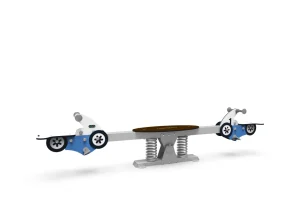
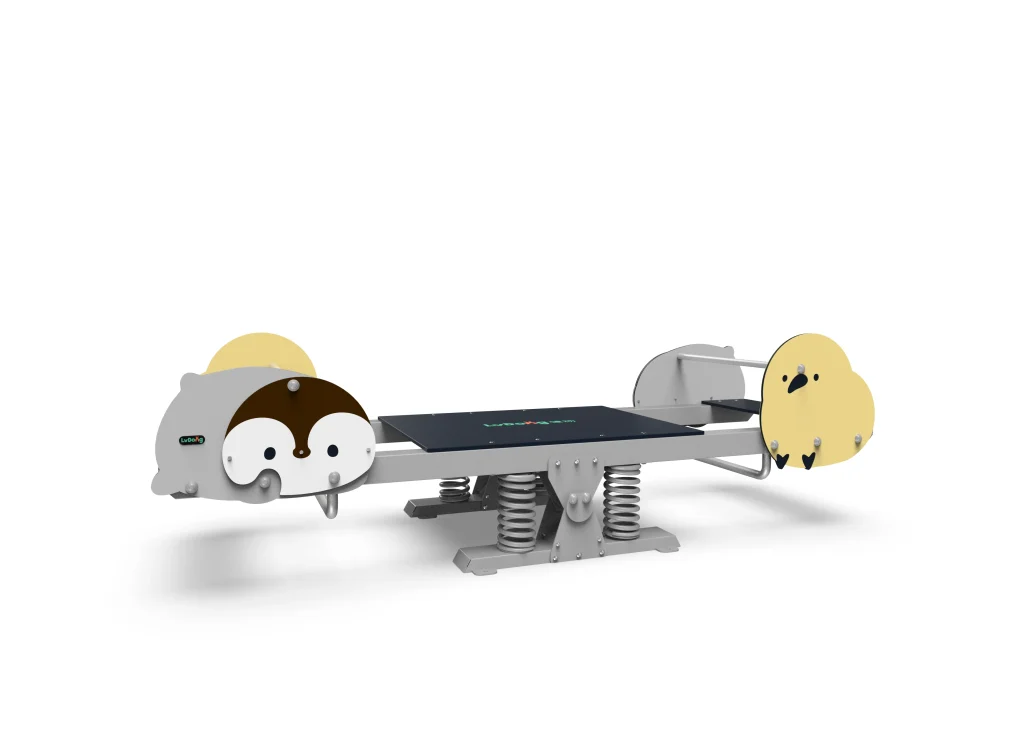
Spinners rarely sit alone in a playground, so their footprint should be judged with the equipment around them. A multi-player spinning wheel placed next to a slide exit or a busy seesaw can force children to cross through a rotation zone. A single-player unit placed along a circulation path can also create a pinch point if the entry side faces approaching foot traffic. When laying out a mixed play area, keep high-traffic equipment entries away from the spinner’s movement path, align queuing space with naturally open ground, and leave enough separation for children moving between a slide, a seesaw, or a teeter totter and the spinner. These clearance decisions are part of venue capacity, not a separate landscaping question.
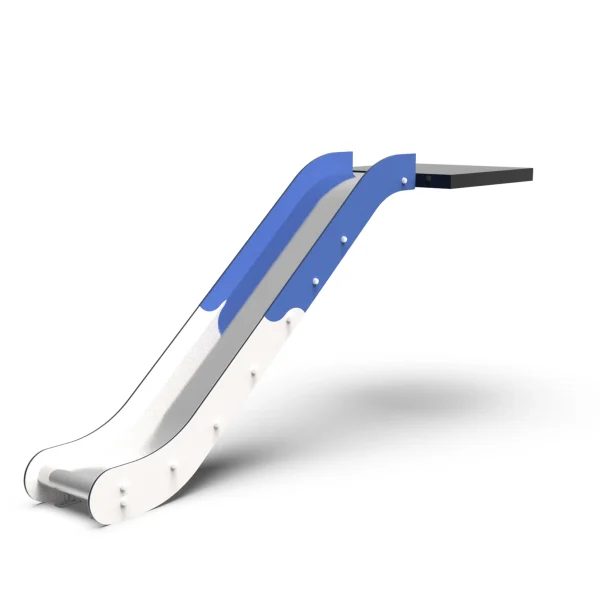
Adjacent equipment can also help absorb different age groups. A curved slide or tunnel slide may draw some children while the spinner serves others, which reduces pressure on any single item during peak periods. A seesaw or teeter totter can provide a different social motion, but it should not share the same entrance zone as a spinning wheel. Indoors, a compact spinner might sit near activity panels or a tunnel slide if the room is divided into clear activity paths.
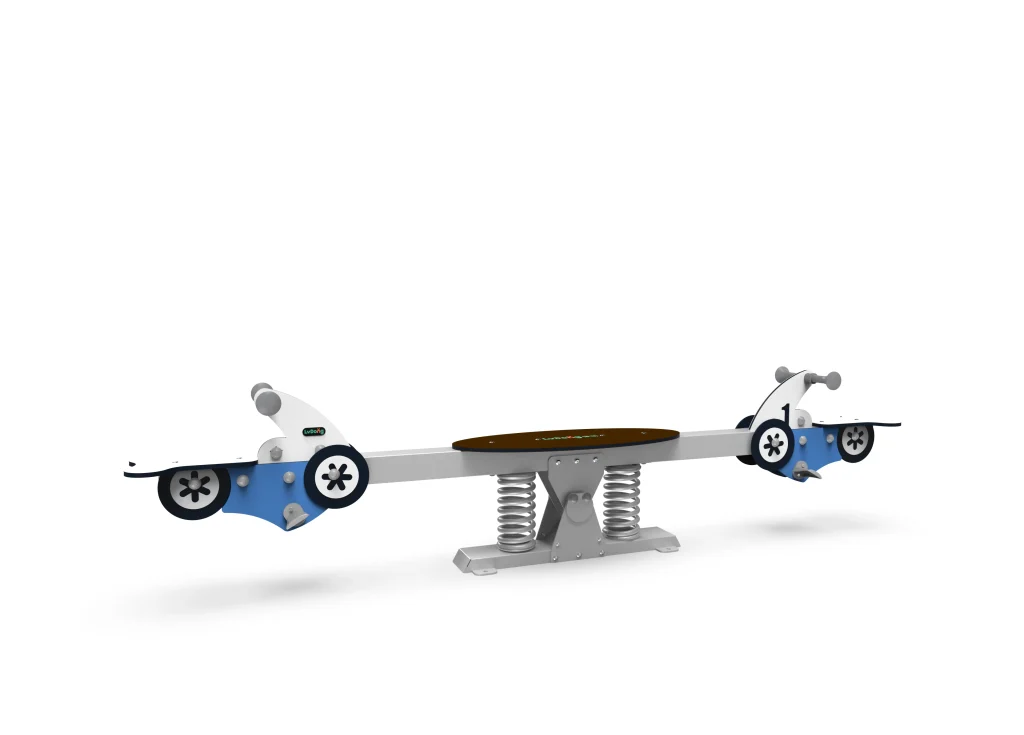
Choosing clear paths between equipment also makes maintenance and visual supervision easier. The goal is not to pack every square meter with products. It is to arrange a few well-selected items so that children can move between them without cutting through a fall zone or standing behind a rotating platform.
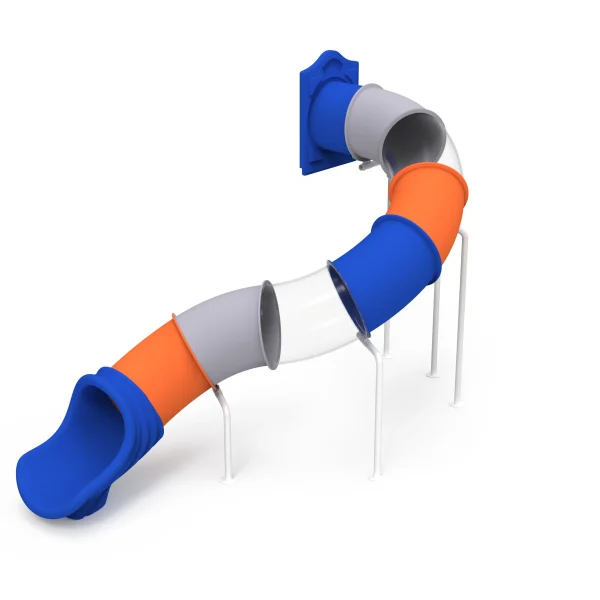
In many mixed layouts, the seesaw and teeter totter occupy a different motion zone from the spinner, while slides can be positioned where the entry and exit flow is already heavy. Separating those movement types prevents users from running into one another when several pieces are occupied at the same time.
Procurement Checks and Configuration Questions
Before ordering, buyers should ask for more than a unit price. Confirm the selected model’s exact equipment dimensions, maximum falling height, required safety zone, installer count, and compliance documents. The single and multi player spinning equipment should be supplied with clear evidence for EN 1176 and GB/T 34272-2017, and any local standard the project requires. Request a site-specific plan that places the spinner within the usable area rather than showing a product on an empty page. For a multi-player wheel, ask how many children the chosen model is certified to hold and how the entry and exit zones affect the safety boundary. For single-player units, ask whether the planned number of units creates acceptable spacing or whether the layout would be better served by one central wheel. These details turn a catalogue choice into a buying decision.
A clear layout and compliance file matter most when the equipment arrives and installation is complete. <12 Critical Post Installation Acceptance Tests for Playgrounds> covers important post installation checks.
After the layout is confirmed, compare how long the structure and moving parts are covered and what the supplier will do after delivery. That comparison can change total cost more than a small price difference.
Footprint and capacity planning should sit alongside a clear view of the warranty. <Playground Equipment Warranty Comparison 1 3 or 5 Years> covers differences in playground equipment warranty terms.
Plan Your Spinner Layout With Specific Capacity Data
Measure the available useable area, expected peak occupancy, target age range, and any local surfacing requirements before you order. Then send those details and a simple site plan to Suzhou LvDong Amusement Equipment Co., Ltd. at [email protected] or WhatsApp +8613915684545. The team can confirm the required safety zone, recommend a single or multi player configuration, and prepare a layout that matches the venue footprint without overloading the play area.
Spinner Selection FAQ
Which spinner fits a small restaurant play corner?
A single-player spinning unit is usually the safer first choice. It has a compact footprint, serves one child at a time, and has a lower maximum falling height of 34 cm. Place one or two units with enough clear space around each, and confirm the required safety zone with the supplier before installation.
Can a multi-player spinning wheel work in a limited fall zone?
It can if the selected model’s rotation envelope, entry path, and required impact area fit within the usable space. The multi-player units range from about 120 cm to 200 cm in diameter, so the decision depends on the model and the site. If the clear zone is too tight, several single-player units or a smaller model may be a better match.
How many children can a multi-player spinning wheel hold at one time?
Depending on the model and age range, a multi-player playground spinning wheel can serve 6 to 10 children per unit. This makes it useful for managing peak groups, but the same unit also needs a larger supervised activity zone than a single-player spinner.
Do single-player spinners still support social play?
They support parallel play when several units are clustered, but they do not create the same shared, collaborative movement as a multi-player wheel. For social play in a tight space, place two or three single units within sight of each other and keep the approach paths open.
What should I confirm before ordering a commercial spinner?
Confirm the equipment footprint, maximum falling height, required safety zone, model capacity, age range, installer count, and compliance with EN 1176 and GB/T 34272-2017. Also request a site-specific layout and a post installation acceptance checklist.
If you’re interested, check out these related articles:
Annual Maintenance Calendar for Outdoor Play Equipment A Guide
Unlocking Developmental Growth Combining Outdoor Slides Playhouses
Kindergarten Outdoor Play Equipment Strategic Upgrade Priorities
Replacing Chains Bearings Springs Lifespan Guide Strategies