Keeping outdoor play equipment in good shape takes more than occasional spot checks. After watching a few too many playgrounds fall into disrepair—loose bolts, faded surfaces, safety surfacing that’s compacted past the point of usefulness—it becomes clear that reactive fixes cost more in the long run than a structured maintenance approach ever would. A well-planned annual maintenance calendar for outdoor play equipment protects both the children using it and the investment behind it.
Building an Annual Maintenance Calendar That Actually Works
A maintenance calendar needs to reflect how playgrounds are actually used, not just how they look on paper. Usage spikes during school breaks, weather patterns that accelerate wear, local conditions like salt air or heavy rainfall—all of these shape when and how equipment needs attention. The goal is matching inspection frequency to real-world stress, not just ticking boxes on a schedule.
Seasonal shifts create predictable maintenance windows. Spring reveals what winter did to fasteners and protective coatings. Summer’s heavy foot traffic exposes wear patterns that weren’t visible in quieter months. Autumn brings debris accumulation that clogs drainage and creates slip hazards. Winter demands monitoring for frost heave and ice damage that can compromise structural integrity.
| Season | Inspection Focus | Maintenance Tasks |
|---|---|---|
| Spring | Post-winter damage, loose fasteners | Tighten bolts, lubricate moving parts, surface cleaning |
| Summer | High-traffic wear, UV degradation | Check for excessive wear, re-apply protective coatings |
| Autumn | Leaf accumulation, drainage | Clear debris, inspect drainage systems, prepare for cold |
| Winter | Ice damage, structural integrity | Monitor for frost heave, ensure proper equipment covers |
Inspection Frequency That Matches Real Risk
Outdoor play equipment demands a layered inspection approach because different hazards emerge at different timescales. A broken swing chain can appear overnight. Gradual fastener loosening takes weeks to become dangerous. Structural fatigue from UV exposure develops over years.
Daily visual checks catch immediate operational hazards—broken parts, debris in fall zones, obvious damage from vandalism. These take minutes and prevent the most acute risks. Weekly or monthly detailed inspections by trained personnel dig deeper, examining moving parts, checking fastener torque, and assessing surface conditions that casual observation misses.
The annual inspection by a Certified Playground Safety Inspector carries different weight entirely. CPSIs evaluate compliance with standards like ASTM F1487, identify long-term degradation patterns, and document conditions that inform future maintenance planning. This comprehensive review forms the backbone of any serious annual maintenance calendar for outdoor play equipment.
Safety Inspections and Regulatory Compliance
Safety surfacing maintenance often gets overlooked until someone gets hurt. Impact-attenuating surfaces lose effectiveness as they compact, degrade from UV exposure, or accumulate debris that changes their properties. Regular depth checks and surface condition assessments prevent the kind of failures that turn minor falls into serious injuries.
A systematic playground safety inspection checklist moves through components in logical order:
- Visual Check: Daily assessment for obvious hazards like broken parts or debris.
- Operational Inspection: Monthly review of moving parts, ensuring proper function.
- Comprehensive Inspection: Quarterly or semi-annual detailed examination by trained staff.
- Annual Audit: Independent inspection by a Certified Playground Safety Inspector.
- Documentation: Recording all findings and corrective actions.
Compliance with standards like ASTM F1487 and EN1176 isn’t just about avoiding liability—though it certainly helps with that. These standards encode decades of injury data and engineering research. Following them means benefiting from lessons learned at other playgrounds, often the hard way.
For further insights into maintaining your playground, consider reading 《Optimal Seasonal Care for Outdoor Metal Swing Sets》.
Extending Equipment Lifespan Through Material-Specific Care
Different materials fail in different ways, and maintenance strategies need to reflect those differences. Metal components corrode. Plastic degrades under UV exposure and becomes brittle. Wood splinters, rots, and attracts insects. Rubber surfacing compacts and hardens. Each failure mode has its own timeline and its own prevention approach.
Corrosion on metal components often starts in hidden areas—inside tube connections, under fastener heads, where water pools after rain. By the time rust becomes visible on exposed surfaces, significant damage may already exist in structural joints. Bi-annual rust treatment and repainting address surface degradation, but inspections need to probe deeper.
Plastic components present a different challenge. UV degradation causes color fading first, then surface chalking, then micro-cracking that eventually leads to structural failure. The progression is gradual enough that it’s easy to miss until a component actually breaks. Quarterly inspections with attention to surface texture changes catch problems earlier.
| Material Type | Typical Maintenance | Frequency |
|---|---|---|
| Metal | Rust treatment, re-painting, bolt tightening | Bi-annually |
| Plastic | UV protection, crack inspection, cleaning | Quarterly |
| Wood | Sealing, splinter removal, rot checks | Annually |
| Rubber/EPDM | Surface repair, cleaning, depth checks | Monthly |
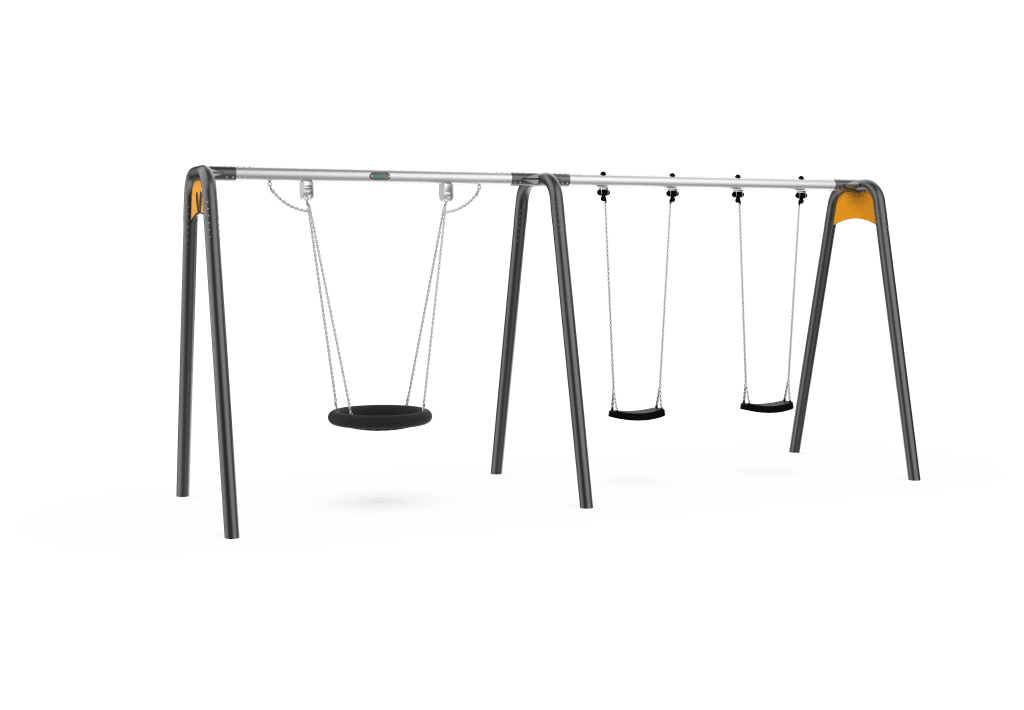
Loose fasteners rank among the most common maintenance issues, partly because they’re so easy to overlook. A bolt that’s slightly loose today will be noticeably loose in a month and potentially dangerous in three. Worn safety surfacing, splintering wood, cracked plastic, and vandalism damage round out the usual suspects. Proactive annual maintenance catches these issues before they compound.
Consider exploring 《Swing Set Components: Advanced Material Selection for Durability》 for more information on material choices.
Budgeting for Maintenance That Prevents Larger Costs
Maintenance budgets often get cut when money is tight, which is precisely backwards. Deferred maintenance accumulates interest in the form of accelerated deterioration and eventual emergency repairs that cost far more than scheduled upkeep would have. A playground that receives consistent preventative care can remain safe and functional for decades. One that’s neglected may need complete replacement in half that time.
The cost-benefit calculation favors prevention heavily. Minor repairs—replacing a worn bushing, tightening fasteners, touching up protective coatings—cost a fraction of what major structural repairs demand. Safety surfacing replacement alone can run into thousands of dollars, while regular maintenance extends surfacing life significantly.
| Cost Category | Estimated Annual Cost (% of equipment value) | Notes |
|---|---|---|
| Inspections | 1-3% | Includes CPSI audits |
| Minor Repairs | 2-5% | Fasteners, small part replacements |
| Major Repairs | 5-10% | Surfacing, structural components |
| Cleaning | 1-2% | Regular sanitization |
| Staff Training | 0.5-1% | Certification renewals |
Staff training deserves its own budget line. Untrained personnel miss problems that experienced eyes catch immediately. The investment in developing maintenance competency pays returns in earlier problem detection and more effective repairs.
Professional Expertise and Certification Requirements
Daily visual checks don’t require specialized credentials—anyone can spot a broken swing seat or debris in a fall zone. But comprehensive inspections and structural assessments demand training that most facility staff don’t have. The gap between “looks fine” and “meets safety standards” can be significant.
The Certified Playground Safety Inspector certification represents the industry standard for professionals conducting detailed safety audits. CPSIs understand the technical requirements of ASTM standards, recognize failure modes that untrained observers miss, and can document conditions in ways that support compliance and liability protection.
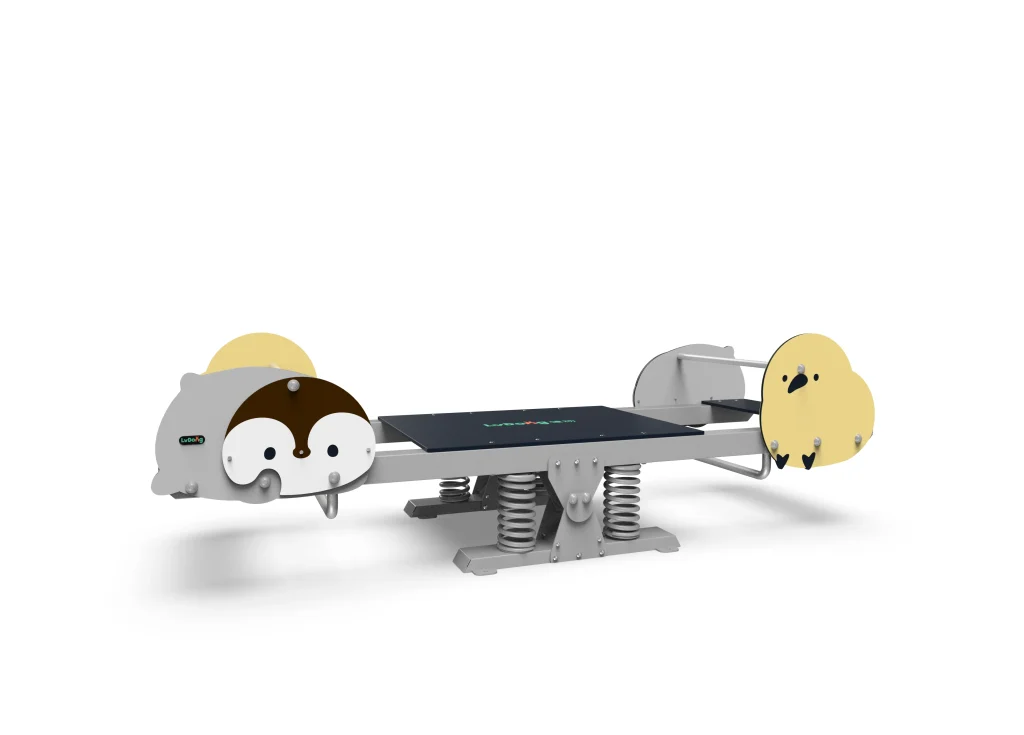
Investing in CPSI training for in-house staff makes sense for organizations managing multiple playgrounds. For single-site operations, contracting with certified inspectors for annual audits provides the expertise without the training investment. Either approach ensures that qualified maintenance technicians assess equipment regularly.
For further details on professional qualifications, you might find 《Essential Checklist for Playground Equipment Safety Test Reports》 insightful.
Frequently Asked Questions About Outdoor Play Equipment Maintenance
How often should outdoor play equipment be inspected?
The inspection schedule should match the risk profile. Daily visual checks catch immediate hazards and take only minutes. Weekly or monthly detailed inspections by trained staff examine moving parts, fastener conditions, and surface wear. Annual comprehensive inspections by a Certified Playground Safety Inspector verify compliance with ASTM standards and identify long-term degradation patterns. This tiered approach ensures nothing slips through while keeping the workload manageable.
What are the most common maintenance issues with playground equipment?
Loose fasteners top the list because vibration from normal use gradually works bolts free. Worn safety surfacing follows closely—compaction and UV degradation reduce impact protection over time. Metal components develop rust, especially in concealed areas where moisture collects. Wood splinters and rots. Plastic cracks from UV exposure. Vandalism creates unpredictable damage. A structured annual maintenance calendar for outdoor play equipment catches these issues before they become safety hazards or require expensive repairs.
What certifications are required for playground maintenance personnel?
Daily checks can be handled by any trained staff member. Comprehensive inspections and safety audits typically require the Certified Playground Safety Inspector certification, which demonstrates competency in ASTM standards and playground safety assessment. Some jurisdictions mandate CPSI involvement for annual inspections. Even where not legally required, CPSI certification provides credibility and ensures inspections meet professional standards.
Partner with LvDong for Superior Playground Solutions
A comprehensive maintenance strategy protects both safety and investment value. Implementing a proactive annual maintenance calendar for outdoor play equipment keeps facilities compliant, children safe, and equipment functional for years beyond what neglected playgrounds achieve. The upfront planning effort pays dividends in reduced emergency repairs and extended equipment life.
Suzhou LvDong Amusement Equipment Co., Ltd. provides unpowered amusement equipment designed for durability and backed by comprehensive after-sales support. Quality manufacturing reduces maintenance burden from the start, and expert guidance helps facilities develop maintenance strategies suited to their specific conditions. Contact us to discuss your project needs or maintenance approaches. WHATSAPP: +8613915684545 | [email protected]