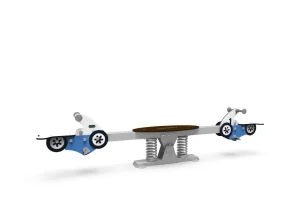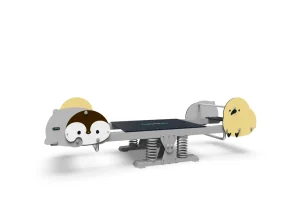
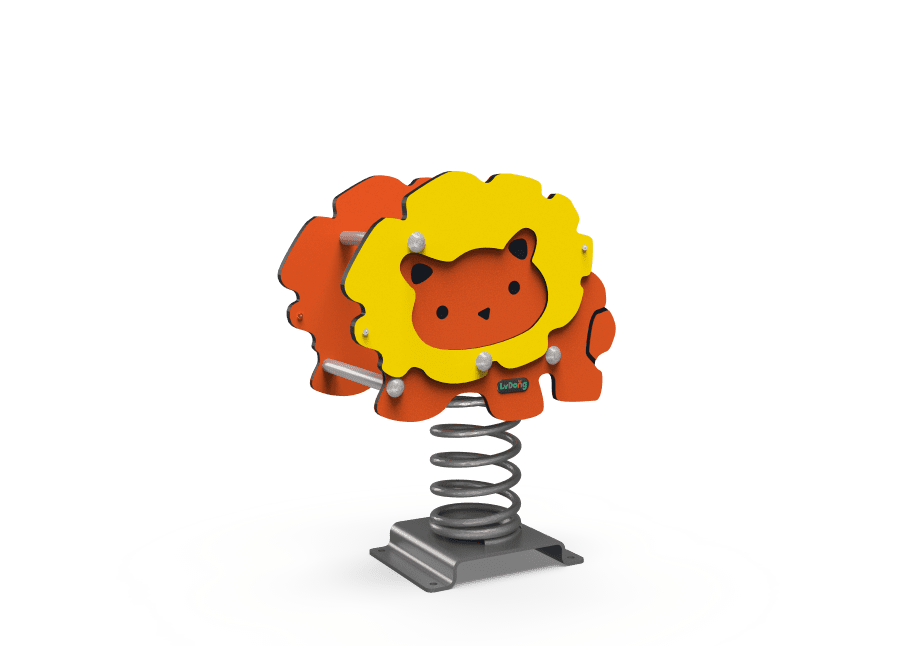
Picking playground equipment always comes down to how kids actually use it. Spring riders sit in that interesting middle ground — they look simple, but the motion they create does real work for balance and coordination. Whether you go with a single seat or double seat version changes more than just capacity. It shapes how children interact with the space and each other.
Why Spring Riders Still Show Up in Most New Playgrounds
Playground spring riders have stayed relevant because they deliver something other equipment can’t replicate easily. That controlled rocking motion engages vestibular development in ways that static structures miss entirely. Kids learn to anticipate movement, adjust their weight, and maintain stability without even realizing they’re building gross motor skills.
The numbers back this up. Roughly 70% of newly developed play spaces include at least one spring rider unit. Their compact footprint makes them easy to fit into layouts where larger climbing structures would overwhelm the design. They also serve younger children who aren’t ready for more complex equipment but still need active play options.
Spring rider design has evolved considerably from the basic horse-on-a-spring concept. Modern units incorporate ergonomic seating, calibrated spring tension, and themed shapes that spark imaginative play. A child riding a dinosaur or rocket ship isn’t just bouncing — they’re storytelling while developing physical awareness.
Single Seat Spring Riders Work Best When Individual Focus Matters
Spring Playground Equipment built for one child creates a different play dynamic than shared equipment. The rider gets full control over the motion intensity and rhythm. This focused experience lets children work on personal balance without coordinating with another person’s movements.
From a layout perspective, single riders offer genuine flexibility. A 0.5 square meter minimum footprint means they can fill gaps in playground designs that would otherwise sit empty. Quiet zones benefit particularly from single units — they provide activity without the social energy that double riders generate.
| Feature | Single Seat Spring Rider |
|---|---|
| Footprint (min.) | 0.5 sq. meters |
| User Capacity | 1 child |
| Primary Play Benefit | Individual skill focus |
| Ideal for | Smaller spaces, quiet zones |
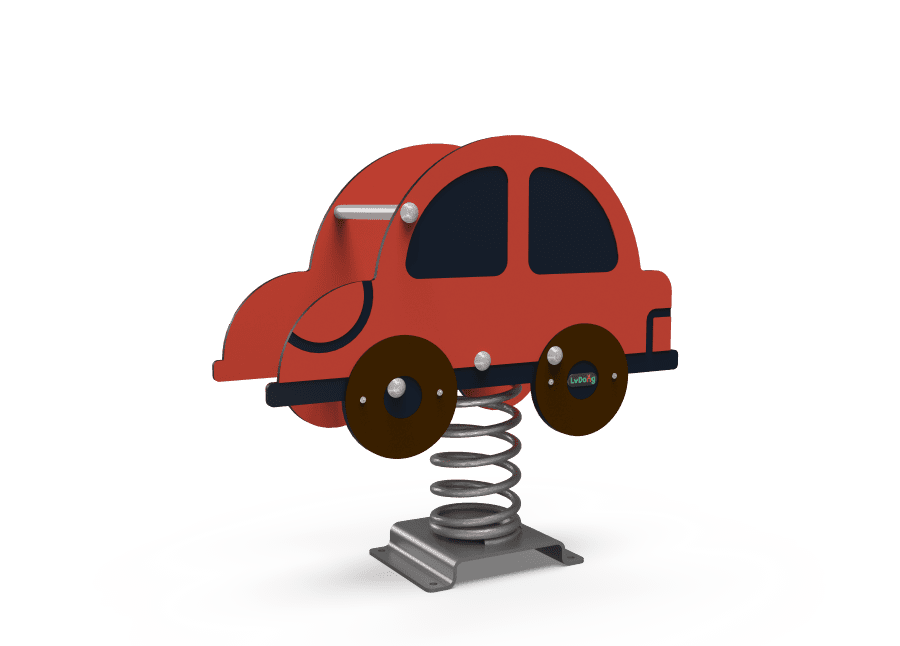
Single riders also reduce conflict in high-traffic playgrounds. When every piece of equipment accommodates multiple children, wait times can frustrate younger visitors. Having dedicated single-user options gives kids immediate access to active play without negotiating turns.
Double Seat Spring Riders Build Social Skills Through Shared Motion
Double seat spring riders introduce cooperative play into the equation. Two children riding together must sync their movements to some degree, which creates natural opportunities for communication and turn-taking. The shared experience becomes part of the play value itself.
User capacity doubles with these units, obviously, but the real benefit goes beyond throughput. Children learn to read another person’s body language and adjust their own behavior accordingly. These social-emotional skills transfer to other playground interactions and beyond.
| Feature | Single Seat Rider | Double Seat Rider |
|---|---|---|
| User Capacity | 1 child | 2 children |
| Social Interaction | Low (individual play) | High (cooperative play) |
| Space Requirement | Compact | Moderate |
| Play Value Focus | Individual development | Social-emotional growth |
Commercial playground spring animals frequently feature double seating because themed designs amplify the cooperative element. Two kids riding the same whale or airplane naturally fall into shared imaginative scenarios. The equipment becomes a prop for storytelling rather than just a motion device.
For further insights into optimizing your play area, consider reading 《Outdoor Playground Set Layout Strategic Design for Optimal Play》.
Safety Standards and Material Selection Determine Real-World Performance
Playground safety standards exist because children test equipment in ways designers don’t always anticipate. ASTM and EN-1176 certifications cover the critical bases: spring mechanisms that prevent finger entrapment, handle designs that maintain grip under motion, and base stability that keeps units anchored during vigorous use.
Material quality separates equipment that lasts from equipment that becomes a maintenance burden. Galvanized steel springs resist corrosion even in coastal or humid environments. UV-resistant HDPE plastic maintains color and structural integrity through years of sun exposure. Powder-coated metal components add another layer of weather protection.
Maximum fall height matters more than many buyers realize. Spring Playground Equipment typically keeps this measurement around 50 cm, which significantly reduces injury risk compared to taller play structures. The low center of gravity also makes spring riders appropriate for younger children who are still developing spatial awareness.
What Safety Features Should You Prioritize When Selecting Playground Spring Riders?
Anti-pinch springs rank highest on the safety checklist. Traditional coil springs can trap small fingers during compression, but modern designs eliminate this hazard through covered or enclosed spring mechanisms. Handle construction should provide secure gripping surfaces that don’t become slippery when wet.
Base stability determines whether a unit stays planted during aggressive play. Look for wide footprints and multiple anchor points. The connection between the spring and base should be engineered to handle lateral forces, not just vertical compression. These design elements work together to create genuinely safe play environments.
Budget and Space Planning Shape Long-Term Equipment Value
Strategic playground planning requires looking past initial purchase prices. Single riders cost less per unit but may require more total units to serve the same user population. Double riders carry higher individual costs but deliver more capacity per square meter of playground space.
Maintenance projections deserve serious attention during the selection process. Higher quality materials cost more upfront but reduce replacement frequency and repair needs over the equipment’s lifespan. A spring rider built with galvanized steel and UV-resistant plastics might cost 30% more initially but last twice as long with minimal intervention.
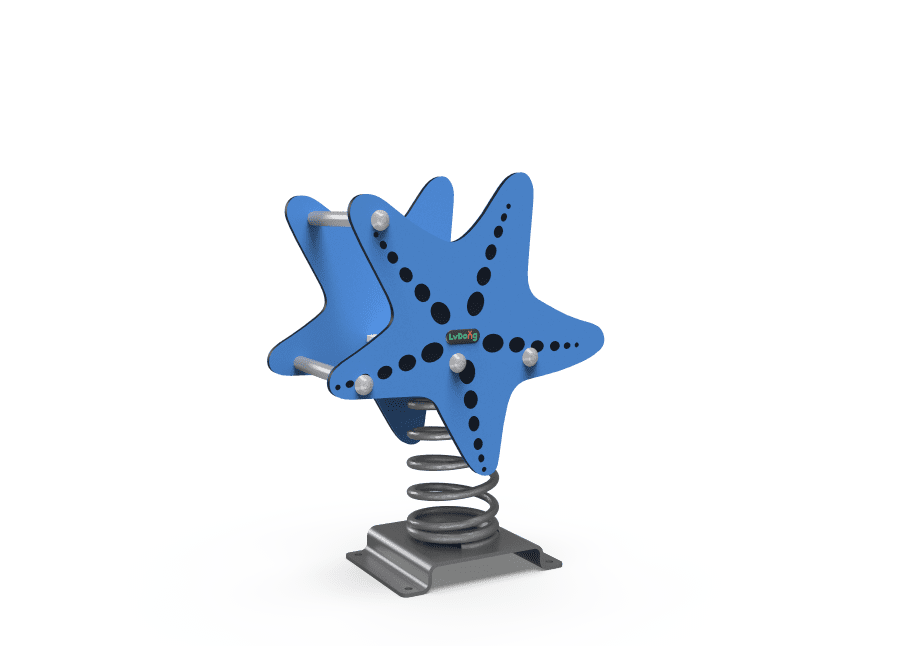
Integration with existing playground elements affects both installation costs and overall play value. Spring riders positioned near complementary equipment create natural play circuits that keep children engaged longer. Isolated units may see less use regardless of their individual quality.
How Does Choosing Between Single and Double Riders Affect Playground Dynamics?
Single riders work best in lower traffic areas or as supplementary equipment within larger play structures. They serve children who prefer independent activity or need a break from group dynamics. Playground capacity planning should account for these individual play preferences.
Double riders actively shape social patterns within a play space. They create natural gathering points where children interact, negotiate, and collaborate. This makes them particularly valuable in playgrounds designed to serve community-building functions. The choice between single and double units directly influences whether a playground encourages solitary exploration or social engagement.
You may also find valuable information in 《Playground Equipment Warranty Comparison 1 3 or 5 Years》 for assessing long-term investments.
Customization Options Let Equipment Match Specific Playground Themes
Themed playgrounds benefit enormously from spring riders that reinforce the overall design concept. A nature-themed space gains coherence when spring riders take animal shapes. Urban playgrounds might feature vehicles or abstract modern designs. This visual consistency makes play spaces more memorable and engaging.
Customization extends beyond aesthetics. Spring tension can be adjusted for different age ranges. Seat dimensions accommodate various body sizes. Color schemes can match existing equipment or institutional branding. These options transform generic equipment into purpose-built components of a larger vision.
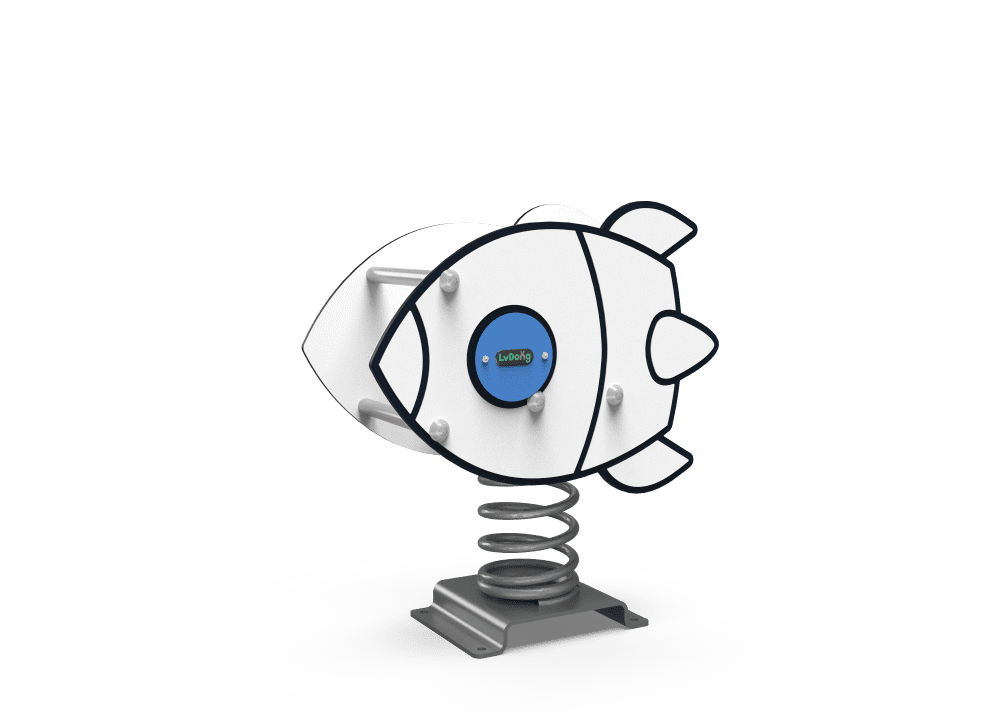
Manufacturing relationships matter when customization is involved. Suppliers with integrated design and production capabilities can execute custom specifications more reliably than those who outsource fabrication. The ability to modify designs during development often proves valuable as projects evolve.
What Materials Provide the Best Durability for Outdoor Spring Rider Equipment?
Galvanized steel springs form the mechanical foundation of durable spring riders. The galvanization process creates a zinc coating that prevents rust formation even when the underlying steel is scratched or abraded. This protection holds up across climate zones and weather conditions.
UV-resistant HDPE plastic handles the aesthetic and functional demands placed on seats and body components. Standard plastics fade and become brittle under prolonged sun exposure, but HDPE formulations maintain their properties for years. The material also resists impact damage from normal play use.
Powder coating on metal components provides superior protection compared to traditional paint. The electrostatically applied finish bonds more completely to metal surfaces and resists chipping, scratching, and peeling. Combined with proper base metal preparation, powder coating extends component life significantly.
Partner with Suzhou LvDong Amusement Equipment Co.,Ltd for Premium Playground Solutions
As a pioneering enterprise with over a decade of dedication to premium unpowered amusement equipment, Suzhou LvDong Amusement Equipment Co.,Ltd stands ready to transform your vision into vibrant play spaces. Our integrated full-industry-chain service, encompassing R&D, design, production, installation, and after-sales support, ensures unparalleled quality and reliability. With a modern, intelligent production base spanning over 10,000 square meters and successful implementation in over 1,500 projects nationwide, we deliver expertise, authoritativeness, and trustworthiness in every endeavor. Contact us today to discuss your project needs and discover how our innovative single or double seat playground horse spring riders and other equipment can elevate your municipal parks, high-end communities, cultural tourism sites, or educational institutions. WHATSAPP:+8613915684545 | [email protected]
Frequently Asked Questions About Playground Spring Riders
What Age Range Works Best for Single vs Double Seat Playground Horse Spring Riders?
Most playground horse spring riders accommodate children aged 2-12 years, though specific models vary based on seat dimensions and spring calibration. Double riders tend to work particularly well for toddlers and preschoolers who benefit from cooperative play experiences. Single riders serve the full age range effectively, with older children often preferring the independent control they provide. Always check manufacturer specifications for individual model recommendations.
How Can You Maximize Equipment Lifespan While Minimizing Maintenance Costs?
Material selection drives both longevity and maintenance requirements for playground spring riders. Galvanized steel springs, UV-resistant HDPE plastic, and powder-coated metal components all reduce degradation from weather and use. Beyond initial quality, regular inspections catch small issues before they become expensive repairs. Following manufacturer maintenance guidelines extends useful life and maintains safety compliance throughout the equipment’s service period.
Can Playground Spring Riders Be Customized to Match Specific Design Themes?
Reputable manufacturers offer extensive customization for playground spring riders. Options typically include various animal shapes, vehicle designs, color schemes, and even fully bespoke concepts that match specific branding or thematic requirements. Suzhou LvDong Amusement Equipment Co.,Ltd provides these customization services, allowing playground designers to integrate spring riders seamlessly into larger aesthetic visions while maintaining safety and durability standards.