Getting a spring rider foundation right means thinking through soil, drainage, and anchoring before any concrete gets poured. I’ve seen installations fail within two years because someone skipped the soil test or underestimated frost depth. The equipment itself might be perfectly manufactured, but if the ground beneath it shifts or the concrete cracks, you’re looking at a safety hazard and an expensive fix. What follows covers the full sequence—from reading the site to maintaining the foundation years later—with the technical specifics that actually matter for long-term stability.
Site Conditions Shape Everything That Follows
A thorough site assessment forms the bedrock of any successful playground installation. This initial phase involves evaluating environmental and geotechnical factors to ensure long-term stability and safety of the spring rider foundation. Soil bearing capacity determines whether the ground can support the foundation’s weight without excessive settlement. Understanding soil composition, including plasticity and moisture content, helps predict how it will behave under load and through seasonal weather changes.
Drainage deserves serious attention. Water accumulation around a foundation leads to soil erosion, frost heave, and eventually compromises structural integrity. Local climate patterns, precipitation levels, and water runoff pathways all inform drainage system design. French drains or permeable surfacing can divert water away from critical areas, but only if planned from the start.
Play area design extends beyond the equipment itself. Proximity to existing structures, utilities, and trees matters—root systems can shift soil, and shade patterns affect surface conditions. Ground stability testing, including soil compaction tests and geological surveys, provides empirical data for foundation design. These tests identify unstable subsoils or hidden geological formations that could cause problems years down the line. Strategic placement of a playground spring rider requires careful consideration of these factors before any physical work begins.
Comprehensive site assessment includes detailed mapping of the proposed area, identifying potential hazards, and analyzing sun exposure patterns. This systematic approach ensures every aspect of the site gets considered before excavation starts.
Foundation Design That Meets Real-World Demands
The integrity of a spring rider depends heavily on foundation design and material selection. Every foundation should adhere to safety standards including ASTM F1487 and EN1176. These standards specify requirements for structural stability, material strength, and load-bearing capacity. Concrete foundation specifications must account for dynamic forces—impact loads and repetitive movements that stress the foundation over time.
Steel reinforcement bars placed strategically within concrete improve tensile strength and prevent structural failure. The choice of ground anchors proves equally critical. These anchors, typically embedded deep within the concrete, provide a robust connection that prevents the spring rider from dislodging during vigorous play.
Concrete curing requires careful management. Maintaining adequate moisture and temperature conditions for the specified period allows full hydration. Rushing this process causes premature drying and cracking, which weakens the foundation. Materials must withstand harsh weather, UV radiation, and continuous use without degradation. This ensures the foundation remains robust throughout the equipment’s lifespan.
What Depth Does a Spring Rider Foundation Actually Need?
Foundation depth depends on local frost line, soil conditions, and manufacturer specifications for the particular spring rider model. Foundations must extend below the frost line to prevent movement from freezing and thawing cycles. For typical spring playground equipment, foundation depth often ranges from 60 cm to 90 cm, ensuring adequate anchorage and stability. Critical fall zone dimensions also influence foundation placement, requiring sufficient clearance around the equipment.
Selecting Concrete Mix for Playground Foundations
The right concrete mix depends on local climate, soil type, and expected loads. A high-strength mix with minimum compressive strength of 25 MPa (3600 psi) ensures long-term durability. Air-entraining agents improve resistance to freeze-thaw cycles and enhance workability. The water-to-cement ratio should be carefully controlled to achieve desired strength and reduce permeability—too much water weakens the final product significantly.
Installation Precision Determines Long-Term Performance
Precision during installation directly affects safety and longevity. The process follows a sequence designed to minimize errors and maximize structural integrity. Accurate excavation ensures the foundation pit matches precise dimensions and depth from the design. Over-excavation compromises soil stability; under-excavation leaves insufficient foundation depth.
Formwork construction creates the mold for concrete. It must be robust, level, and securely braced to withstand wet concrete pressure. Imperfections in formwork result in uneven or improperly shaped foundations that affect equipment stability. Concrete pouring follows established practices—correct mixing, pouring in lifts, and proper vibration to eliminate air voids. This process guarantees a dense, uniform, and strong foundation.
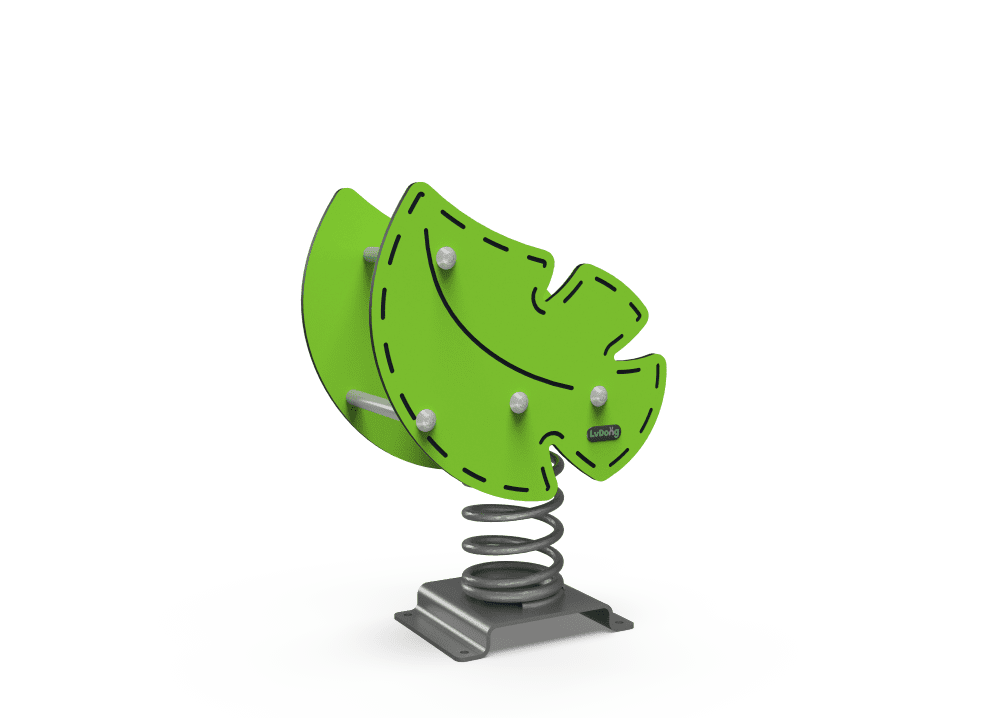
Equipment anchoring happens while concrete is still wet or after curing, depending on the anchor system. This creates a secure, permanent connection between spring rider and foundation. Post-installation inspection verifies all dimensions, levels, and anchor points against design specifications. Specialized tools including laser levels and compaction equipment achieve the precision needed. Leveling techniques applied throughout ensure the spring rider sits perfectly upright, preventing uneven wear and potential safety hazards.
Correct installation proves vital for safety and durability. For more detailed insights into playground installation verification, you might find our article 《12 Critical Post Installation Acceptance Tests for Playgrounds》 particularly useful.
Safety Surfacing and Drainage Work Together
Safety surfacing and effective drainage integration protects both children and foundations. Critical fall height standards dictate minimum thickness and type of impact-absorbing surfaces needed to mitigate fall injuries. This surfacing must extend across the entire critical fall zone around the spring rider. Materials like engineered wood fiber, rubber tiles, or poured-in-place rubber get selected for their impact attenuation properties and durability.
Drainage prevents water from pooling on surfaces or saturating the sub-base beneath safety surfacing. Standing water accelerates material degradation, promotes mold growth, and creates slip hazards. Excessive moisture also undermines foundations, leading to instability and costly repairs. Water runoff management strategies include grading the site to direct water away from play areas and installing subsurface drainage systems with perforated pipes and gravel layers.
ADA compliance influences both surfacing and drainage design. Accessible routes must be maintained so children with disabilities can safely access the spring rider. This requires firm, stable, and slip-resistant surfacing that integrates with drainage features without creating barriers. Combining impact absorbing surfaces with robust drainage keeps playgrounds safe, accessible, and durable while meeting playground safety standards.
Verification and Ongoing Maintenance Protect Your Investment
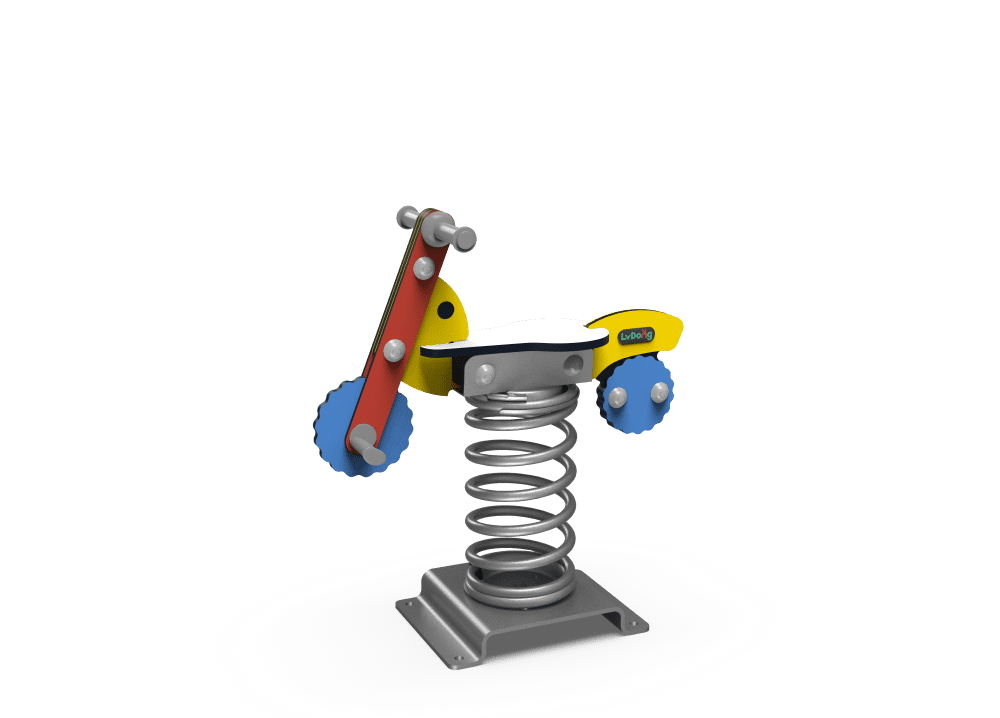
Post-installation verification confirms foundation integrity and compliance. This phase includes checks to ensure the foundation meets all design specifications and safety standards. Visual inspections identify any cracks or irregularities in concrete and verify secure anchoring. IPEMA certification provides independent assurance that installation adheres to recognized safety guidelines. This certification minimizes liability and demonstrates commitment to safety.
A robust maintenance schedule extends spring rider and foundation lifespan. Regular inspections identify wear, corrosion, or loosening components. Early detection allows timely repairs before minor problems become major structural concerns. Risk assessment protocols include periodic evaluations of foundation stability, checking for settlement or erosion around the base. This proactive approach implements long-term durability solutions before they become critical.
Routine safety audits ensure ongoing compliance and verify the playground remains safe. These audits check safety surfacing condition, drainage systems, and structural integrity of the spring rider itself. A comprehensive maintenance program safeguards the playground investment and the well-being of children who use it.
Essential Safety Checks After Installation
After installing a spring rider foundation, essential safety checks include verifying equipment stability by applying force in various directions to ensure no movement. All anchor bolts must be tightened to specification. Visual inspection of concrete identifies any cracking or chipping. The critical fall zone must be clear of obstructions, and safety surfacing must meet required depth and coverage. Compliance verification against ASTM F1487 and EN1176 standards confirms the installation meets all regulatory safety requirements.
| Feature | Single-User Spring Rider | Multi-Person Seesaw |
|---|---|---|
| User Capacity | 1 child | 2–10 children |
| Age Range | 2+ or 3+ years | 3+ years |
| Max Fall Height | 50 cm | 60 cm |
| Installation Time | ~0.5 person-hours | Not specified |
| Compliance | EN 1176, GB/T 34272-2017 | EN 1176, GB/T 34272-2017 |
Frequently Asked Questions About Playground Spring Rider Foundation Installation
Why is proper foundation crucial for spring riders in playgrounds?
A proper foundation ensures stability, prevents tipping, and guarantees long-term safety. It anchors equipment securely, withstands dynamic forces from play, and protects against environmental factors like soil erosion and frost heave. Without a robust foundation, spring riders become unstable, leading to serious injury risk and premature equipment failure. This holds especially true for playground spring rider installations that endure constant motion throughout their service life.
How can I ensure ADA compliance in playground spring rider foundations?
ADA compliance focuses primarily on accessibility. This includes providing accessible routes to and from the spring rider, ensuring ground surfaces around the foundation meet accessibility standards—firm, stable, and slip-resistant—and selecting equipment designed for inclusive play. Foundation placement must accommodate accessible pathways and surfacing requirements without creating barriers. This ensures all children can enjoy interactive playground equipment regardless of ability.
What are the best practices for integrating drainage systems with playground spring rider foundations?
Effective drainage integration prevents water accumulation that undermines foundation stability and accelerates equipment deterioration. Best practices include grading the site away from the foundation, installing French drains or perforated pipes around the foundation perimeter, and using permeable safety surfacing materials. Proper drainage protects foundations from water damage, prolongs spring rider lifespan, and maintains a safe play environment. This proactive approach enhances longevity of playground seesaw and other equipment installations.
Partner with LvDong for Superior Playground Solutions
Ensure the longevity and safety of your playground investments. Suzhou LvDong Amusement Equipment Co.,Ltd, with over a decade of expertise, offers comprehensive R&D, design, production, installation, and after-sales support for premium unpowered amusement equipment. Partner with us for reliable, compliant, and innovative playground solutions. Contact us today to discuss your project needs and benefit from our integrated full-industry-chain service. WHATSAPP:+8613915684545 | [email protected]