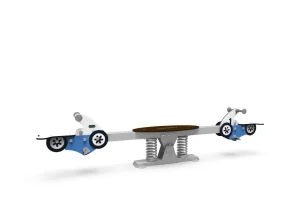
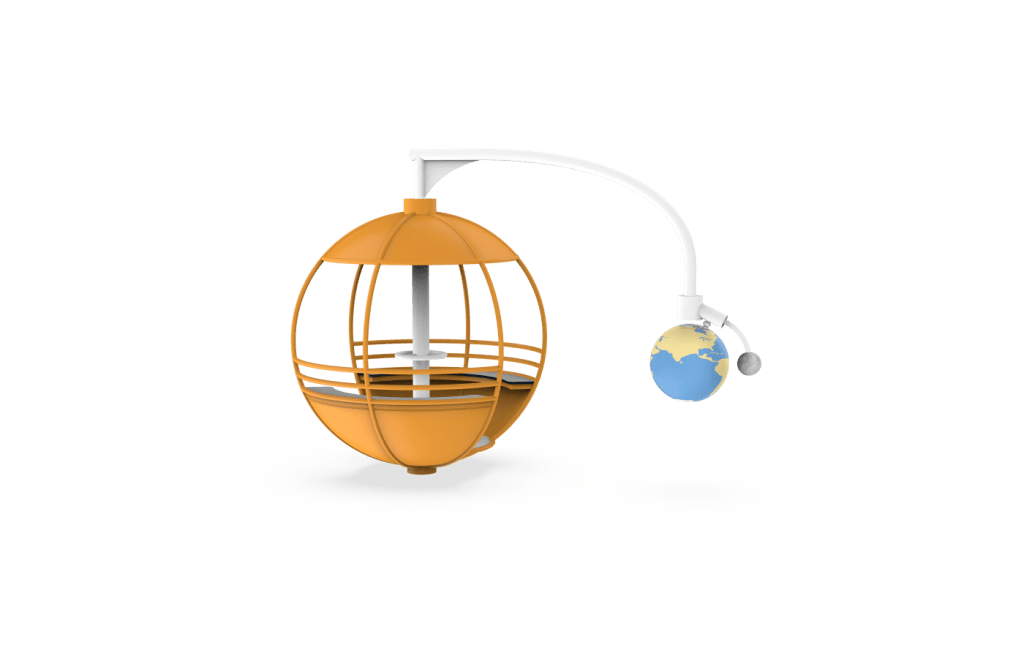
Good playground layout comes down to understanding how kids actually move and play. After working on hundreds of installations, the patterns become clear: children flow naturally between activities when equipment is positioned with their instincts in mind, not just safety checklists. The best designs feel intuitive to kids while giving parents and supervisors clear sightlines. Getting this balance right takes more than following guidelines—it requires thinking through how a five-year-old sees the space versus a ten-year-old, and planning accordingly.
How Space Actually Works in Playgrounds
Play areas function best when zones match both age groups and energy levels. High-intensity equipment like climbing structures and fast slides need separation from quieter spots where younger kids might be building with sand or playing pretend. This isn’t just about preventing collisions—though that matters—it’s about letting different types of play happen without interference.
Site conditions shape everything. A sloped area might become a natural amphitheater for climbing, while flat sections work better for swings that need consistent clearance. Existing trees, pathways, and buildings all influence where equipment can go and how children will navigate between activities. Traffic patterns matter too: a playground near a school entrance sees different flow than one tucked into a residential park.
Sightlines deserve more attention than they typically get. Supervisors need to see the whole space without walking laps constantly. This means avoiding equipment clusters that create blind spots and positioning taller structures where they don’t block views of lower play areas.
Slide Placement and Flow Patterns
Slides pull kids through a playground like magnets. Position them well, and they create natural circulation. Position them poorly, and you get bottlenecks at the bottom or dangerous crowding at the top.
The exit zone matters as much as the slide itself. Kids need space to clear out before the next child comes down, which means planning run-out areas that don’t conflict with pathways or other equipment. Enclosed spiral slides require different spacing than open straight slides—the enclosed versions need extra consideration for ventilation and visibility at both ends.
Material selection affects longevity more than most buyers realize. A slide that looks identical to a cheaper alternative might use thinner gauge steel or less UV-resistant plastic. These differences show up after two or three seasons of heavy use and weather exposure.
Slide Types and Age Suitability
| Slide Type | Age Suitability | Key Features | Safety Considerations |
|---|---|---|---|
| Toddler Slide | 1-3 years | Low height, gentle slope | Enclosed sides, soft landing |
| Open Slide | 3-8 years | Moderate height, varied lengths | Clear run-out, supervision |
| Tunnel Slide | 5-12 years | Enclosed, curved or straight | Adequate ventilation, exit visibility |
| Spiral Slide | 5-12 years | High, multi-turn | Enclosed, proper entry/exit |
For more insights into our design philosophy and product range, consider exploring 《Why Choose Us》.
Swing Placement Gets Complicated
Swings demand more clearance than any other common playground equipment. The use zone extends in front and behind the swing path, and this space cannot overlap with anything—not pathways, not other equipment, not landscaping features kids might run into.
Most playground incidents involving swings happen in these clearance zones. A child runs behind an occupied swing, or equipment gets placed too close during installation. The math isn’t complicated, but it requires discipline during layout planning when space feels tight.
Fall surfacing under swings takes more abuse than surfacing elsewhere. The repetitive impact in the same spots wears down material faster, which means either specifying more durable options upfront or planning for more frequent replacement. Engineered wood fiber compacts over time; rubber tiles can shift; pour-in-place rubber holds up well but costs more initially.
Chain and seat inspection should happen regularly. Wear patterns develop at connection points, and seats can crack from UV exposure before the damage becomes obvious. Catching these issues early prevents failures during use.
Climbing Structures and Risk Balance
Climbers present an interesting design challenge: they need to feel challenging enough to engage kids while remaining safe enough for parents and operators to accept. Too easy, and children lose interest. Too difficult, and injuries increase.
Age-appropriate difficulty varies more than people expect. A climbing wall that works for seven-year-olds might frustrate four-year-olds or bore eleven-year-olds. Mixed-age playgrounds often benefit from climbers with multiple difficulty paths—easier routes alongside harder ones on the same structure.
Net climbers and rope structures develop differently than rigid climbers. They require different anchoring, different maintenance schedules, and different fall zone calculations. The movement in these structures is part of their appeal, but it also means more variables to consider during installation and inspection.
Placement within the overall layout should create adventure without dead ends. Kids naturally want to climb up, cross over, and find a way down that isn’t retracing their steps. Structures that connect to slides or other equipment satisfy this instinct better than standalone climbers.
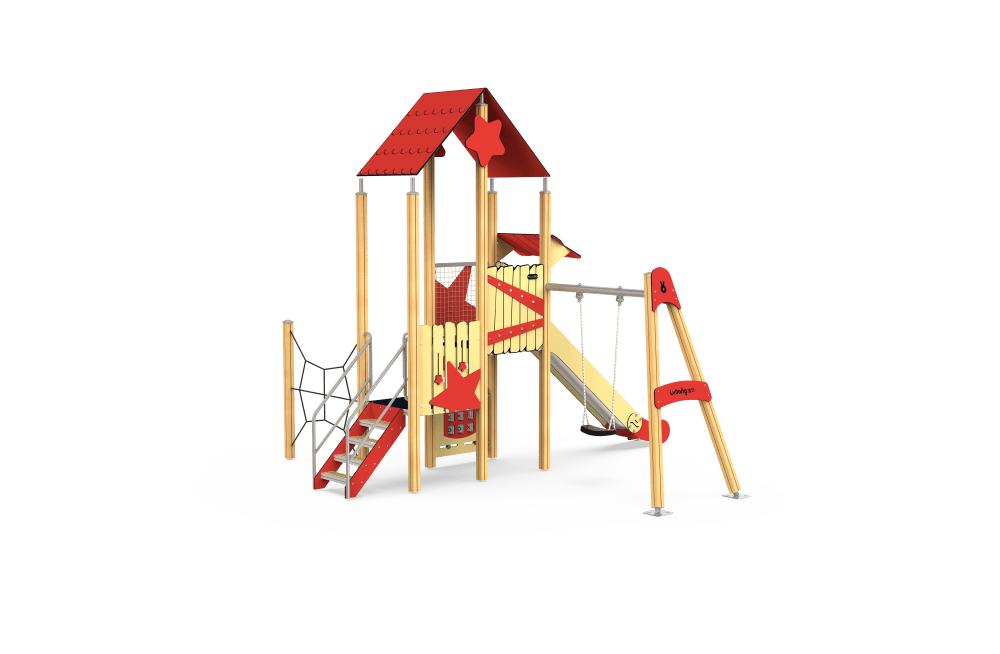
Making Playgrounds Work for Everyone
Accessibility requirements have evolved significantly over the past decade, and the best designs now go beyond minimum compliance. Ramps and transfer platforms get kids with mobility limitations onto equipment, but truly inclusive playgrounds also consider sensory needs, cognitive differences, and varying physical abilities.
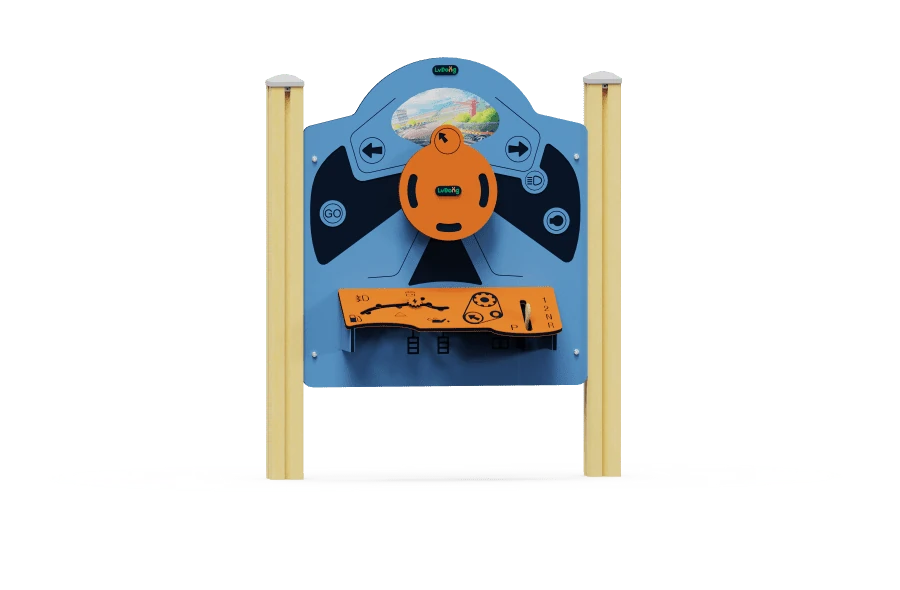
Ground-level activities matter for children who can’t access elevated structures. Sand tables, musical elements, and sensory panels provide engagement without requiring climbing or balance. These features benefit all children, not just those with disabilities—a well-designed sensory element attracts kids of all abilities.
Surface transitions trip up wheelchair users and kids with visual impairments. Flush connections between different surfacing materials and clear color contrast at elevation changes make navigation easier for everyone. These details often get overlooked in initial designs but significantly affect how usable the finished playground actually is.
Partner with Suzhou LvDong for Expert Playground Solutions
Elevate your next project with Suzhou LvDong Amusement Equipment Co., Ltd.’s unparalleled expertise in unpowered amusement equipment. With over a decade of innovation and a proven track record of 1,500+ successful installations across diverse scenarios, we offer integrated R&D, design, production, installation, and after-sales support. Contact us today to transform your vision into a safe, engaging, and enduring play environment. WHATSAPP:+8613915684545 | [email protected]
Frequently Asked Questions on Playground Layouts
What are the key considerations for optimal playground equipment placement?
Optimal playground equipment placement requires careful consideration of safety zones, age separation, accessibility, and natural play flow. Suzhou LvDong Amusement Equipment Co., Ltd. integrates these factors with site-specific conditions to ensure a harmonious and safe layout, drawing on our extensive experience in municipal parks and high-end communities. We prioritize clear pathways and adequate spacing.
How can playground layouts promote both safety and active play?
Effective playground layouts balance safety and active play by strategically zoning different equipment types, ensuring adequate fall surfacing, and designing clear pathways. Our designs at Suzhou LvDong prioritize dynamic play experiences while strictly adhering to safety standards, fostering environments where children can explore and develop confidently. This includes proper placement of Spring Playground Equipment.
What are the best practices for integrating slides, swings, and climbers in a cohesive design?
Integrating slides, swings, and climbers cohesively involves creating logical transitions between play elements, maintaining required safety clearances, and considering the overall aesthetic. Suzhou LvDong’s design team excels at crafting integrated layouts that maximize engagement and developmental benefits, leveraging our comprehensive R&D and design capabilities. We ensure smooth flow between Playground with Tunnel Slide and other components.