When managers compare training programs for maintenance staff — online courses vs. on-site workshops — the discussion usually starts with cost. It should start with competence. A playground inspection is only useful if the person performing it can tell the difference between normal wear and a pending failure, because a bearing that is beginning to grind or a spring that has lost its rebound will not always announce itself.
Maintenance training is therefore a safety compliance issue as much as an operational one. The U.S. Consumer Product Safety Commission’s Public Playground Safety Handbook describes routine and comprehensive inspection levels and treats trained judgment as the connection between noticing a problem and correcting it before an injury occurs [1]. ASTM F1487-21 sets performance expectations for public playground equipment, and it assumes that the people checking that equipment can recognize nonconformities during service work [2]. EN 1176-7:2020 goes further by giving owners direct guidance on inspection, maintenance, and operation, which makes it one of the most practical frameworks for a structured training curriculum [3].
Why Delivery Method Changes What Maintenance Staff Retain
The online-versus-on-site decision is not about which format is better in general. It is about which format develops the right kind of attention. Online courses are strong at transferring knowledge: standards, definitions, inspection intervals, hazard categories, and documentation requirements. On-site workshops are strong at transferring judgment: how tight a fastener should feel, what a worn bearing sounds like, how much movement in a swing chain is acceptable, and when surface temperature becomes unsafe.
A maintenance team that can quote a standard but cannot apply it under site conditions is only partially trained. Conversely, a technician with good hands-on habits but no understanding of why a 2 mm edge radius matters can miss hidden risks. The most effective programs usually combine both formats rather than choosing one exclusively.
What a Playground Maintenance Training Program Should Cover
A defensible program begins with the inspection and maintenance framework that applies to the site. In North America, that often means the CPSC handbook categories for routine and comprehensive inspections [1]. In Europe and many export markets, it means EN 1176-7 guidance on inspection, maintenance, and operation [3]. Facilities may also need to meet local civil or school district requirements, but the core competencies remain similar.
At minimum, maintenance staff should be trained to:
- Identify high-frequency wear points on moving equipment.
- Distinguish between cosmetic damage and structural risk.
- Check entrapment openings, guardrails, surfacing, and protruding hardware.
- Document findings so that repeat issues become visible to managers.
- Use torque checks and visual checks on fastened joints.
- Recognize weather-related and vandalism-related damage.
- Follow a shutdown and reporting procedure when a hazard is found.
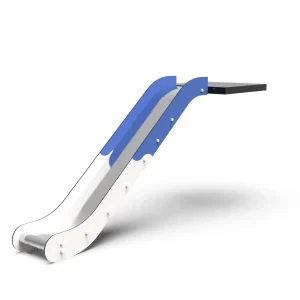
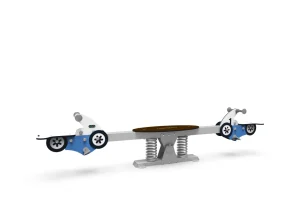
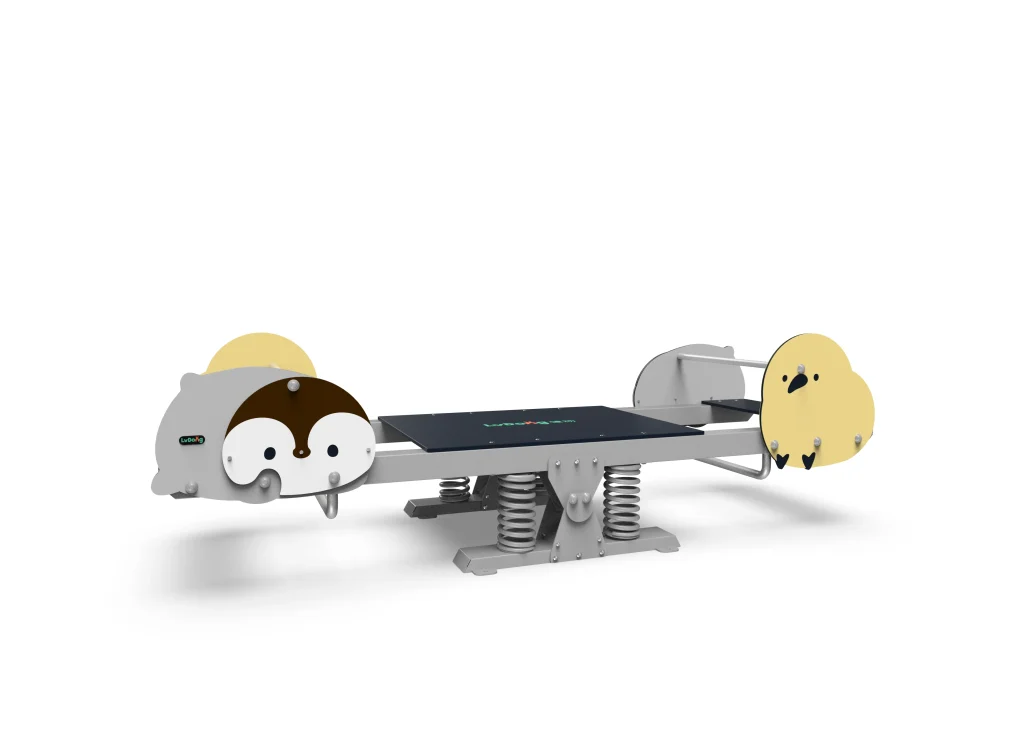
Equipment-specific knowledge matters as much as general inspection skill. On a spinner, staff need to listen for bearing noise and check fasting; on a spring rider, they need to inspect anchor bases and spring fatigue; on a swing, chain wear and seat attachment points are the priority; on a slide, platform guardrails, support welds, and exit runout require attention. For site-specific reference material, maintenance leads can use category-level resources for Playground Spinner Manufacturer OEM, Playground Spring Rider Manufacturer OEM, Playground Swing Manufacturer OEM, and Playground Slide Manufacturer OEM to build checklists around the equipment actually installed.
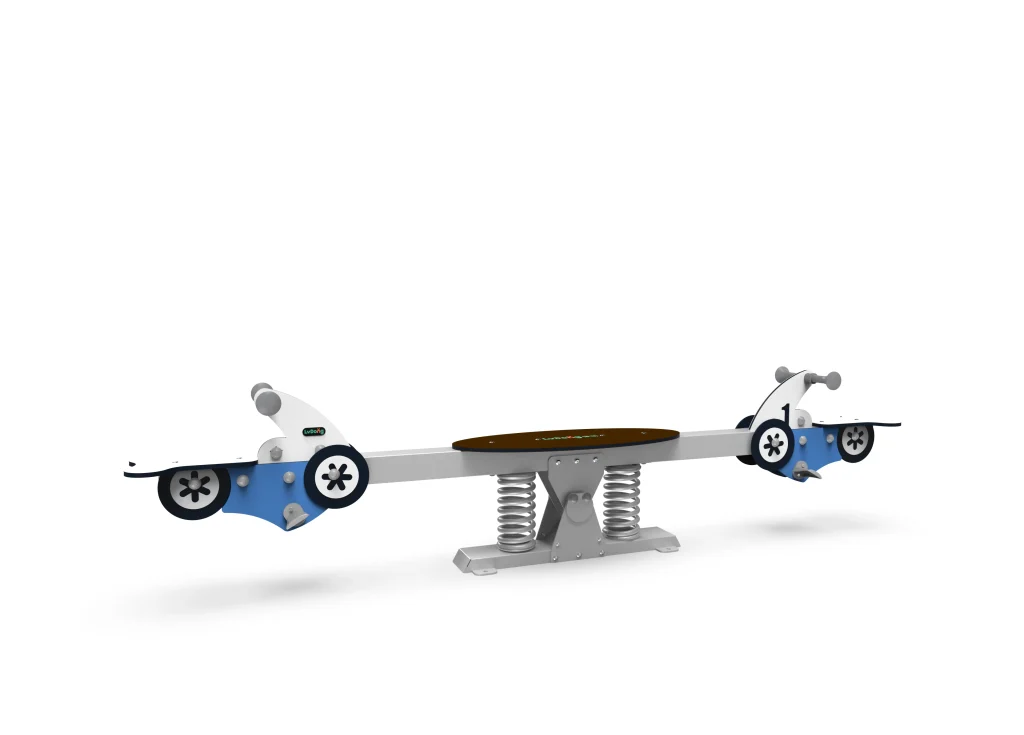
Inspection routes should reflect the way the playground is zoned. <School Playground Equipment Zoning for Grade Based Development> covers how grade-based zones shape risk priorities and maintenance walk-throughs.
Online Courses: Where They Work Best
Online training works well for the theoretical layer of maintenance. A structured online course can teach staff how to read an inspection checklist, why surfacing depth matters, what a head and neck entrapment test is, and how often high-use equipment should be inspected. It can also standardize knowledge across multiple workers and introduce consistent terminology before anyone steps onto the playground.
Training programs such as the National Recreation and Park Association’s Certified Playground Safety Inspector program provide a widely recognized baseline for hazard identification and playground safety inspection [4]. For facility teams that must track who completed which module, online systems also make recordkeeping easier. OSHA’s training guidance emphasizes documentation of training content, qualifications, and completion dates, which fits naturally with a learning management system approach [5].
The limitation is equally clear. An online course cannot verify whether a trainee correctly performs a torque check, hears the early signs of bearing wear, or measures resilient surfacing depth properly. It also cannot correct site-specific habits, such as skipping a hard-to-reach component or relying on visual checks when physical checks are needed.
On-Site Workshops: Where They Earn Their Cost
On-site training becomes most valuable when the workshop is built around the actual equipment, the actual surfacing, and the actual maintenance history of the playground. A qualified trainer can have staff demonstrate the daily or weekly inspection of each play structure, then immediately correct overly loose or overly aggressive checks.
This format also supports competency-based verification. Rather than only confirming that a person watched a video, an on-site workshop confirms that a person can complete an inspection correctly. That approach aligns with the competence and awareness requirements found in management-system frameworks such as ISO 45001:2018, which asks organizations to ensure that workers are competent to carry out tasks that affect safety [6].
On-site training also exposes problems that no generic course can predict. A slide tower with an oddly placed anchor, a swing frame installed at the edge of the safety zone, or a spinner with limited underside access all create inspection realities that are easier to teach in place.
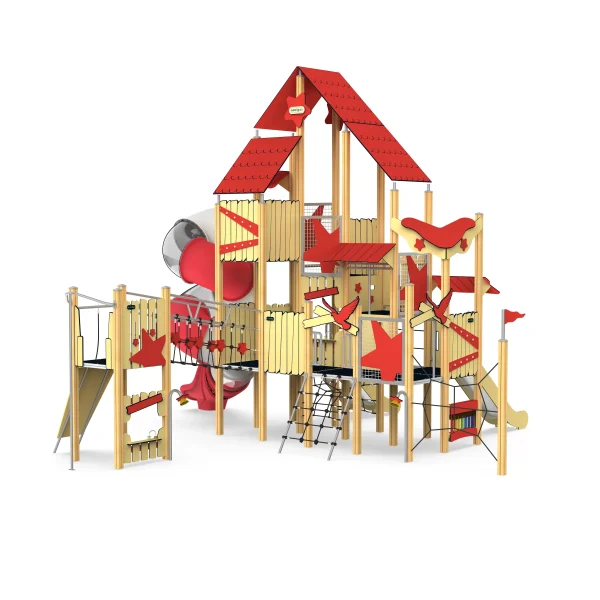
For teams that maintain multiple equipment types, hands-on skill checks should connect to component lifecycles. <Replacing Chains Bearings Springs Lifespan Guide Strategies> covers replacement thresholds for the parts that appear most often on maintenance logs.
Comparing Online Courses and On-Site Workshops
| Training Factor | Online Courses | On-Site Workshops | Most Useful Signal |
|---|---|---|---|
| Standards knowledge | Strong | Moderate | Trainee can explain inspection levels and hazard categories [1], [3]. |
| Hands-on verification | Weak | Strong | Trainee correctly performs torque, bearing, and fastening checks. |
| Scheduling flexibility | High | Lower | Team can complete modules around shifts and peak playground hours. |
| Consistency across staff | High | Depends on trainer | All workers learn the same terminology and checklist logic. |
| Equipment-specific learning | Limited | High | Trainee applies knowledge to the exact installed structures. |
| Recordkeeping | Built in | Requires manual logs | Completion dates, test scores, and refresher history are accessible [5]. |
| Judgment development | Moderate | High | Trainee learns when a finding is urgent, scheduled, or cosmetic. |
The comparison is not a simple win for either format. Online courses reduce cost and improve consistency; on-site workshops improve skill verification and site-specific judgment. Most playground operators need both.
A Blended Approach Usually Works Best
A practical blended sequence starts with online modules for standards, terminology, and inspection logic. It then moves to an on-site session where staff perform the actual inspection route and receive feedback on technique. Finally, it returns to short online refresher modules or documented sign-off sessions before the season opens and after the operating season ends.
This order respects how adults learn maintenance work. They need to understand why a procedure exists before they can care about doing it precisely. Then they need supervised practice. Then they need a review cycle that keeps the knowledge active. A one-time onboarding session, whether online or on-site, is rarely enough.
A training plan only becomes reliable when tasks are scheduled. <Annual Maintenance Calendar for Outdoor Play Equipment A Guide> covers the monthly and seasonal cadence that helps staff retain what they learn.
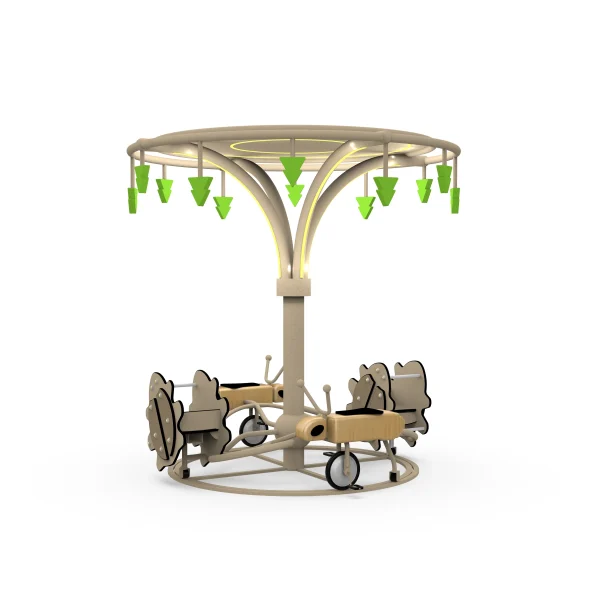
If you are building or refreshing a maintenance program, start with a gap review rather than buying a course immediately. List the equipment types, known failure history, staff skill levels, and the inspection standard your site must follow. That gap review will usually reveal which topics are better taught online and which require hands-on verification.
Need help matching training topics to the equipment in your facility? Email [email protected] or WhatsApp +8613915684545 with your equipment list and staff count, and ask for a maintenance training gap review.
Common Mistakes in Playground Maintenance Training
One frequent mistake is confusing completion with competence. A certificate confirms that someone finished a course; it does not confirm that the person can inspect safely. Programs should include a demonstration or supervision component wherever possible.
Another mistake is training only at installation. Playgrounds settle, components loosen, and standards change. Staff who learned an inspection sequence years ago may miss newly identified risks or newly installed equipment. CPSC and EN 1176-7 guidance both imply that maintenance is a continuing activity, not a one-time handover task [1], [3].
A third mistake is keeping incomplete records. If a team cannot show who was trained, on what date, and for which equipment, the program offers little protection during an audit or incident review. Records should include training content, trainer qualification, completion date, and the specific equipment or topics covered.
Build a Maintenance Training Plan Around Your Equipment
Before you choose between online courses and on-site workshops, gather the starting materials for a useful conversation with a trainer or equipment supplier:
- A current equipment inventory with ages and locations.
- Existing inspection records and known recurring failures.
- The number of maintenance staff and their shift schedules.
- The safety standard or local code your site follows.
- Any upcoming audits, certifications, or insurance reviews.
Contact Suzhou LvDong Amusement Equipment Co., Ltd. at [email protected] or WhatsApp +8613915684545 with that information. In the same message, note whether you need online course recommendations, on-site training support, or a blended structure, and the team can suggest a training approach that matches the playground you actually operate.
Frequently Asked Questions
Is online playground maintenance training accepted by safety auditors?
It can be, if the course content aligns with recognized standards such as CPSC guidance or EN 1176-7 and if completion records are kept. Auditors typically look for both documented training and evidence that staff can perform required inspections correctly [1], [3].
How often should maintenance staff complete refresher training?
There is no single universal rule, but a practical cycle is annual refresher training plus additional sessions when new equipment is installed, a standard changes, an incident occurs, or a recurring defect pattern appears. Seasonal parks may also benefit from pre-season and post-season review.
Can on-site training be justified for small playgrounds?
Yes, especially when the playground contains moving equipment such as swings, spinners, seesaws, or spring riders. Even a small site benefits from one supervised walk-through that teaches staff exactly what to check and how to document their findings.
What records should a playground maintenance training program produce?
The most useful set includes the employee name, training topic, date, deliverer, course or workshop title, method of assessment, and confirmation that the worker demonstrated the required skill. Inspection logs and corrective-action records then show that the training is being applied [5].
References
[1] U.S. Consumer Product Safety Commission. Public Playground Safety Handbook, Publication No. 325. https://www.cpsc.gov/s3fs-public/325.pdf
[2] ASTM International. ASTM F1487-21 Standard Consumer Safety Performance Specification for Playground Equipment for Public Use. https://www.astm.org/f1487-21.html
[3] European Committee for Standardization. EN 1176-7:2020 Playground equipment and surfacing — Part 7: Guidance on installation, inspection, maintenance and operation. https://standards.cencenelec.eu/
[4] National Recreation and Park Association. Certified Playground Safety Inspector Certification. https://www.nrpa.org/certification/CPSI/
[5] Occupational Safety and Health Administration. Training Requirements in OSHA Standards. https://www.osha.gov/training
[6] International Organization for Standardization. ISO 45001:2018 Occupational health and safety management systems — Requirements with guidance for use. https://www.iso.org/standard/63787.html
If you’re interested, check out these related articles:
7 Mistakes to Avoid Buying Commercial Playground Equipment
Optimizing Playground Equipment Spare Parts Lead Time and Stock
Bike Spring Riders Realistic Design Safety Engineering
Multi Function Playhouse with Slide and Swing Commercial Solutions
Why ISO Certification Elevates Commercial Playground Equipment Manufacturers