Zoo and aquarium themed riders that match animal exhibits do more than fill unused space. They extend the story a visitor starts at the viewing window. In our design work, I keep one rule: the playpiece should look as if it belongs beside that animal, not as if it was pulled from a general catalog. That means choosing riders by posture, texture, and color logic, then checking frame and hardware against salt air, splash zones, and long sun exposure. Operators who treat the play zone as part of the exhibit rather than a side amenity get longer dwell time and fewer replacement surprises.
Rider Types That Fit the Exhibit Story
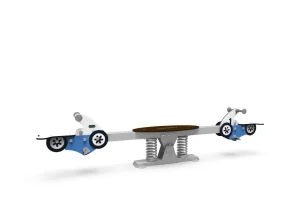
An aquarium touch pool and a savanna viewing deck create different emotional registers, so the play zone should not use the same equipment language for both. Spring riders with shark, dolphin, or turtle forms fit marine exhibits because the low rocking motion echoes the slow bob of animals near the water line. A single-user spring rider suits the edge of a penguin habitat: one child at a time, a 50 cm maximum fall height, and a clear sightline back to the exhibit.
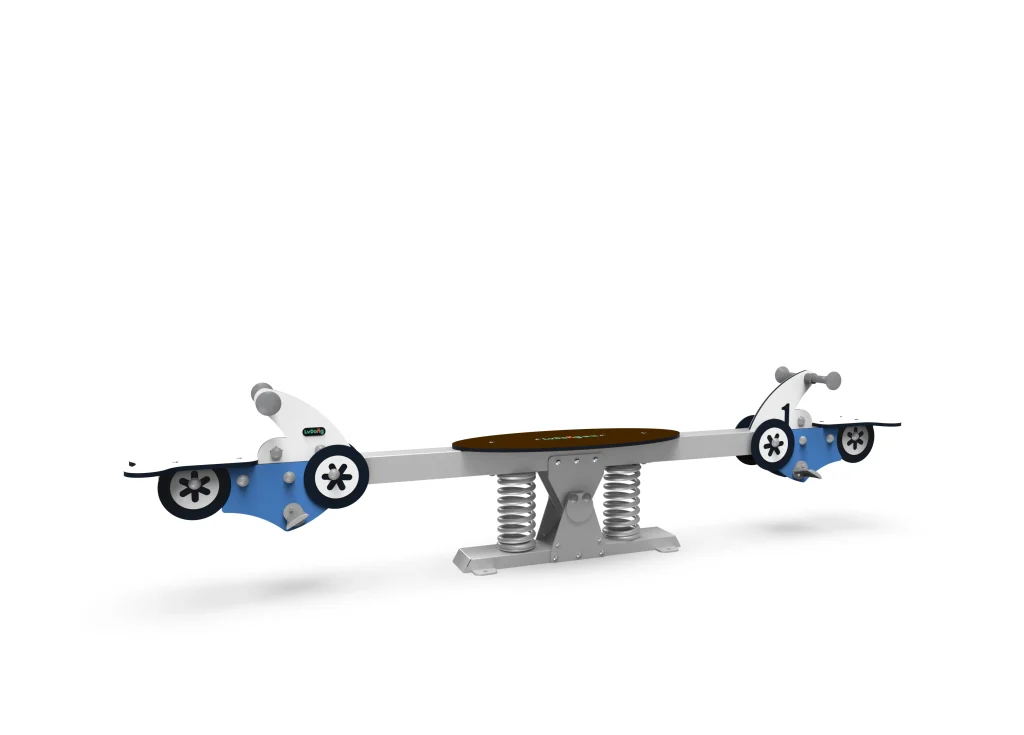
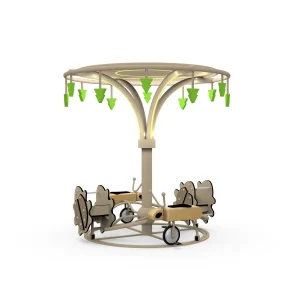
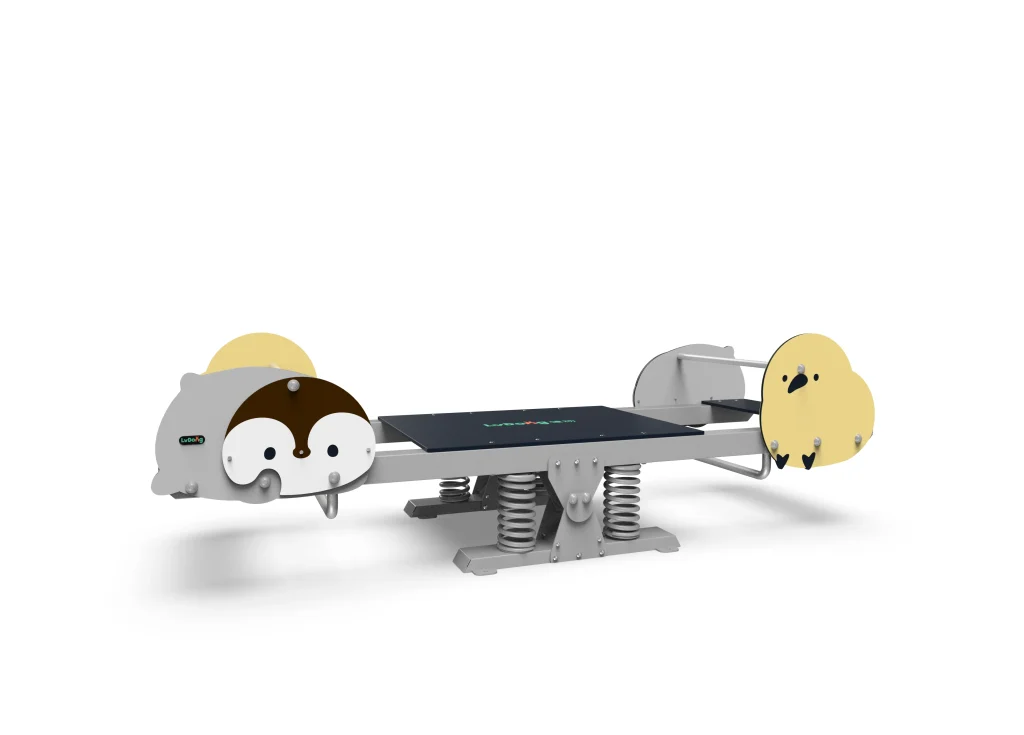
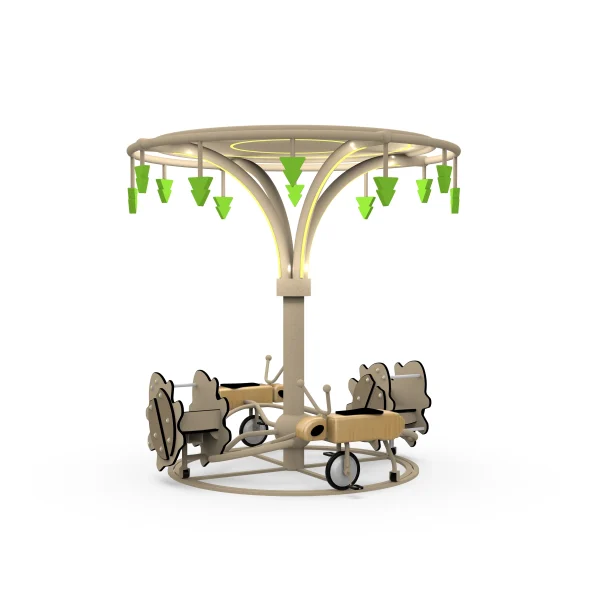
In savanna and mixed-animal zones, a multi-person seesaw with giraffe or zebra forms works better because it pulls siblings and school groups into cooperative movement instead of a quick bounce. For an ocean-current or coral-reef story, a multi-player spinner with a helm, cone net, or space theme gives six to ten children shared rotational play without powered motion.
The same distinction applies to wall-mounted activity panels installed near a themed rider. They should reinforce the animal story, not turn the area into a classroom.
If a zoo adds activity panels beside a themed play zone, the panels should feel like part of the exhibit rather than a separate lesson. <Educational vs Entertainment Play Panels A Strategic Guide> distinguishes between panels that hold attention and panels that quietly reinforce the animal theme.
Material and Safety Specs for Salt Air and Strong Sun
Zoo and aquarium sites add two conditions that ordinary playground catalogs often ignore: continuous humidity and, near coastal aquariums, air carrying salt. The frame is the first place to invest. A hot-dip galvanized steel frame with stainless steel fasteners will outlast a painted mild steel frame in these settings. The molded animal body should be rotationally molded plastic with UV-stabilized pigment so the color keeps its depth through full-sun seasons. Our spring riders and seesaws are produced for outdoor sun and rain exposure, but when a client places equipment within sight of a splash pad or saltwater tank, we check hardware and bearing sealing before the drawing is approved.
Three rider categories fit most zoo and aquarium assignments:
| Rider category | Typical exhibit fit | User capacity | Max fall height | Site note |
|---|---|---|---|---|
| Spring rider | Penguin, sea turtle, shark, or pony areas | 1 child | 50 cm | Compact footprint and low, calming motion |
| Multi-player spinner | Ocean current, coral reef, or shoal stories | 6-10 children | 55-77 cm | Shared rotation; choose enclosed pod or themed upper deck |
| Multi-person seesaw | Shark, giraffe, penguin, or zebra group areas | 2-10 children | 60 cm | Cooperative play and strong visual anchor |
Placement and Capacity Planning Around Visitor Flow
Placement decides whether the play zone drains energy from the exhibit or feeds it. Ride-on and rocking equipment should sit on the exhibit-side edge of the path, not in a fenced corner behind a food kiosk, so a parent can watch both a child on a spring rider and a keeper talk at the habitat. School groups arrive in packs. A single rider becomes a queue point when thirty children enter at once; a cluster of three or four spring riders handles a classroom in short cycles, while a multi-player spinner absorbs a larger group without spreading children across the viewing area. In aquariums, the best release point is usually the end of the darkened gallery, where children have been asked to stay quiet and still through the tunnel exhibits.
Larger themed structures need the same discipline. If the play zone includes a climbing and sliding structure, the slide exit should not deliver a running child into the queue for the next animal window.
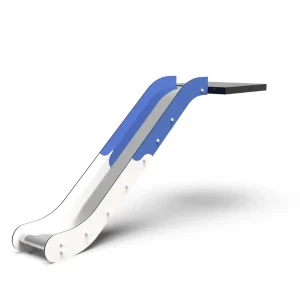
When the play zone calls for a structure that mirrors a reef or a jungle canopy, the shape should be set before production. <Custom Playground Slide Design From Vision to 3D Reality> shows how site constraints and theme move together from concept to 3D model without losing the visual logic of the exhibit.
If your facility has both a difficult humidity profile and a fixed operating budget, the second decision point is corrosion resistance. Send your site plan and the nearest distance from the play zone to any saltwater exhibit to [email protected], and we will confirm which frame coating and hardware grade fit before you commit to a drawing.
Procuerment Factors That Protect the Operating Budget
Zoo and aquarium budgets are usually capital-funded with a set opening date. That makes a wrong specification expensive because replacement spending comes from the operating budget, not the project allowance. A themed rider that looks right but uses exposed mild steel fasteners near a splash feature will show orange streaks within a season or two. The replacement may not match the original color family, and the visual break is worse than a plain commercial unit. We ask buyers to compare galvanized frame treatment, UV stabilization, bearing sealing, and fall height data before comparing seat shapes. Documentation should arrive before the container: test reports, maintenance drawings, and spare part codes.
The first price on a quote sheet rarely reflects the fixed cost of ownership. <Playground Equipment Quotes Spotting Hidden Costs Explained> identifies freight, surfacing, and documentation line items that shift the real cost of a zoo play zone before installation begins.
A zoo play zone works when the rider pairings reinforce the animal narrative, the hardware survives the microclimate, and the visitor flow stays clear. If your current plan needs that kind of vendor review, send your exhibit list, site plan, and installation window to [email protected] or WhatsApp +8613915684545, and we will match the right themed riders, capacities, and fall surfaces to your project.
Common Questions Zoos and Aquariums Ask About Themed Riders
How do themed riders hold up in salt air and high humidity?
Frame and hardware selection affects lifespan more than the molded animal body. We specify hot-dip galvanized steel or marine-grade alternatives, stainless fasteners, and sealed bearings when a play zone sits near saltwater or a splash pad. Regular wash-downs still matter, because salt and sunscreen residue accumulate on handgrips and moving joints. If the site is within 100 meters of the sea, we ask for site photos and wind exposure before recommending specific coatings.
Can you match a specific animal species or aquarium brand color?
Mostly yes, though the path depends on tooling. Existing animal families such as sharks, giraffes, penguins, and horses can be color-matched to a brand palette. A custom species silhouette requires new sculpting, which adds lead time and tooling cost; we recommend starting from an existing mold whenever possible. Send a reference photo and the exact Pantone code if brand consistency is mandatory, and we will confirm what is feasible before the quotation.
What fall surfacing is required under the riders?
The critical fall height decides the surface, not the animal theme. Our spring riders carry a maximum fall height around 50 cm, sesaws around 60 cm, and multi-player spinners up to 77 cm depending on the model. The surface depth should match the tallest fall height in that zone, and the buffer should account for the full movement envelope. Fall height and movement radius data for every model are included in the layout package.
Should the play zone sit inside the exhibit or after the exit?
Think of the rider as a pause point first and a reward second. Placing one or two spring riders beside a viewing window lets children move while adults stay engaged. The main cluster belongs after the exit, where it captures energy without slowing the exhibit queue. For smaller zoos, split the installation: compact riders along the path and a larger spinner at the end. Share your visitor route and we will mark the logical pause points and the fall surfacing boundary.
If you’re interested, check out these related articles:
Custom Playground Slide Design From Vision to 3D Reality
Hotel Kids Club Playground Equipment Configuration Guide 2
Swing Set Components Advanced Material Selection for Durability
Advanced Tunnel Slide Support Structure and Ventilation Design
To discuss rider selection for your animal-exhibit theme, contact the LvDong team with your project requirements.