Most import duty paid on playground equipment is not set by the destination country alone. It starts with the Harmonized System, or HS, classification chosen before the shipment leaves the factory. Once a product lands in a six-digit HS subheading, each country applies its own tariff schedule, additional codes, and preference rules on top of that classification [1]. For buyers of commercial slides, swing sets, spring riders, seesaws, and multi-player spinners, a small change in product structure, component description, or assembly level can lawfully shift the duty outcome by a meaningful margin. The discipline of tariff engineering is not about hiding what a product is. It is about making the product, its documentation, and its commercial identity support the most accurate and advantageous classification from the very beginning.
Why Tariff Engineering Starts with HS Classification
Most commercial playground equipment falls within Chapter 95 of the Harmonized System, generally under heading 9506, which covers articles and equipment for sports, gymnastics, athletics, other sports, and outdoor games [1]. But heading 9506 is not a single duty rate. It branches into subheadings by function, use, and product type, and each country then attaches national codes under that framework [2]. The difference between a finished multi-station play structure, a spare swing frame, and a replacement slide component can change the tariff line even when the cartons look broadly similar.
That is why classification should be treated as an engineering decision, not an administrative afterthought. The product description on the invoice, the bill of materials, the packing method, and the level of assembly can all influence the classification result. For example, a complete unassembled playground set is normally classified as the complete finished product under the General Rules for the Interpretation of the Harmonized System, rather than as a basket of loose parts [1]. The same reasoning applies to a custom-themed spinner that is shipped with its complete installation kit: the essential character of the finished article is already present even before the bolts are tightened on site.
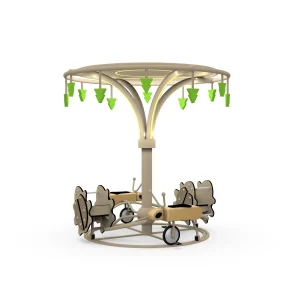
At Lvdong, product families such as single-player spinners, multi-person seesaws, spring riders, and tunnel slides are treated as finished articles when they are ordered with their full structural components and installation materials. This classification logic becomes easier to defend when the supplier provides a clear technical breakdown and a packing list that mirrors the commercial structure of the equipment.
The Classification Levers Buyers Can Use Legally
Tariff engineering draws on legitimate levers built into the Harmonized System and national tariff schedules. The most valuable levers for playground equipment imports are completeness, component separation, function, and material identity.
Complete and Unassembled as a Single Finished Article
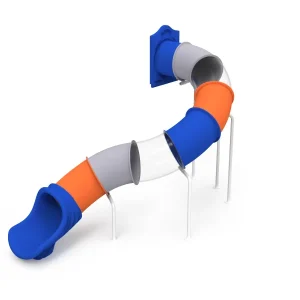
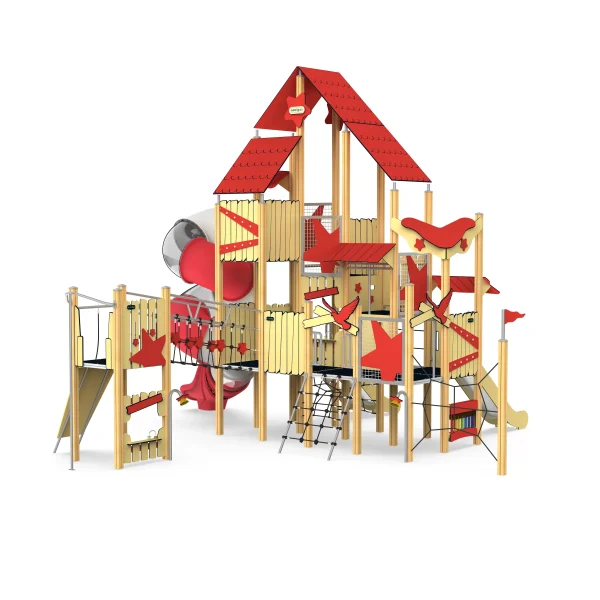
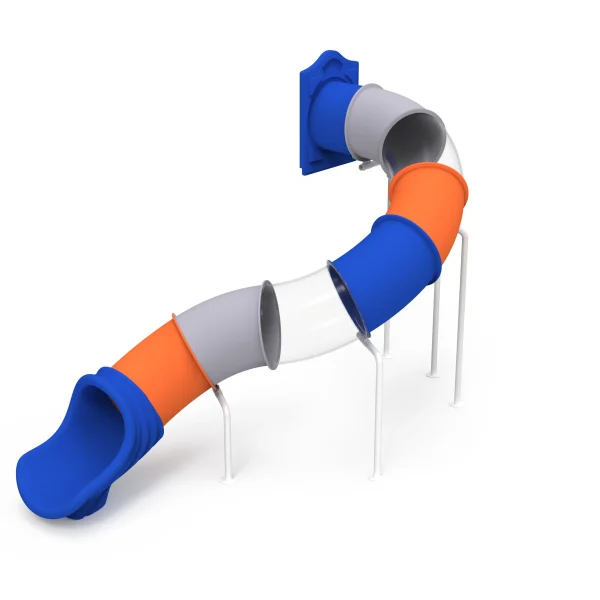
Under the General Rules, an article presented unassembled or disassembled can still be classified as the complete article when the components have the essential character of that finished product [1]. This matters for ocean freight. A tube slide shipped in several sections, a multi-player spinning wheel shipped with its upper deck and bearings separate, or a large outdoor playhouse shipped flat-packed can often remain in the finished-playground-equipment tariff line instead of being split into multiple parts headings. That reduces administrative complexity and usually reduces the risk of inconsistent treatment at the border.
Component Versus Finished Equipment
The opposite lever can also be useful when replacement or maintenance parts are ordered separately. A standalone spring, bearing assembly, handrail, or slide chute may legitimately classify as a part rather than as a complete play unit. The key is that the purchase documentation must match reality. If the buyer is ordering replacement springs for an existing spring rider fleet, the commercial invoice should not describe a finished spring rider. If the shipment is a full playset in flat-pack form, it should not be fragmented merely to chase a lower parts classification.
Function, Material, and Essential Character
When a product is a composite of materials such as steel, plastic, and rubber, classification often depends on which material or function gives the product its essential character [1]. A metal spring rider with a plastic animal seat is not simply a steel tube; it is a play function. A stainless tunnel slide with polycarbonate viewing sections remains a slide under the playground equipment umbrella. Buyers should avoid vague descriptions such as “metal frame,” “plastic structure,” or “outdoor furniture” when the actual article is a child’s play unit. Vague wording invites a second look and may push the shipment into a less favorable chapter.
For buyers preparing a new import, the practical step is to ask the manufacturer to map the bill of materials to the destination country’s tariff lines before production is frozen. Lvdong supports this with product-level breakdowns and designated quote notes. For a classification-ready quote, send your destination country, product list, and quantity to [email protected] before the order is finalized.
Country-Specific Duty Layers for Playground Equipment
The HS provides the first six digits, but national tariff schedules add the detail that determines the payable rate. The same playground spinner can face different duty treatment depending on the country of import and the additional codes attached to its classification.
| Country or region | Classification reference | What to verify before ordering |
|---|---|---|
| United States | Harmonized Tariff Schedule of the United States, Chapter 95 | Confirm the 8- or 10-digit HTS line and any binding ruling guidance under the relevant 9506 subheading [2]. |
| European Union | EU Combined Nomenclature heading 9506 and TARIC | TARIC may add material, suspension, or safety-related measures that change the entry requirements [3]. |
| United Kingdom | UK Global Tariff, heading 9506 | Post-Brexit UK codes can differ from EU TARIC, and preference treatment depends on proof of origin [5]. |
The rate itself can be zero for some subheadings under certain trade programs, or it can be several percentage points higher under another subheading in the same chapter. The only reliable way to fix the rate is to test the proposed code against the current national tariff database at the time of ordering. Do not reuse an old code from a past shipment without checking whether the national schedule has been updated or whether a preference rule has changed.
Documentation That Makes a Classification Position Defensible
A classification is only as strong as the documents that support it. The core document set should include the technical drawing, the bill of materials, the packing list, the commercial invoice, and a product description that repeats the same terminology across all papers. When the invoice says “playground spinner” but the packing list says “steel structure,” the buyer has already created inconsistency for the customs examiner.
In the United States, importers can request binding rulings from U.S. Customs and Border Protection through the CROSS system. A binding ruling gives a written classification decision before importation, which is far more reliable than an internal guess [4]. In the European Union, Binding Tariff Information requests allow importers to obtain a formal classification decision from national customs authorities, and the classification is then binding across the EU for a defined period [3]. These rulings are especially useful for highly custom playground equipment where standard product descriptions do not fit cleanly into old tariff examples.
For buyers who want to confirm that a supplier can support the chosen classification before placing an order. <20 Essential Questions Choosing a Playground Equipment Supplier> covers the supplier checks that reveal whether documentation and test reports are dependable during sourcing.
Technical drawings are equally important. A sectional drawing that shows the play function, the connecting hardware, and the child-accessible interfaces gives a customs officer a clear reason to accept the finished-playground-equipment classification. Marketing brochures should not need to be rewritten, but they should not contradict the tariff position either. If the product is sold as a playground spinner, the technical file should describe the same article in the same way.
Frequent Missteps That Reclassify an Order and Raise Cost
Tariff engineering failures usually come from small documentation habits rather than large product design errors.
- Describing a play structure as “furniture,” “steel construction,” or “landscape equipment” when the product page and safety certificates call it playground equipment.
- Mixing classified components with finished equipment on one invoice line without a clear breakdown.
- Reusing an old HS code after a product modification changes the function or component structure.
- Assuming a lower declared value reduces the duty rate; classification and valuation are separate issues.
- Failing to check whether the new classification triggers an additional trade measure, quota, or product-scope requirement in the destination market.
- Leaving the supplier’s invoice wording unchanged from a generic factory template instead of aligning it with the classification file.
When the buyer wants the supplier to carry part of the classification risk in writing. <Key Contract Clauses for Commercial Playground Equipment Purchase> covers contract clauses that lock product descriptions, tolerance changes, and document responsibilities.
These errors are typically reversible, but only through post-entry corrections, reclassification requests, or reviews that add cost and delay. The better point of control is before the goods leave the factory.
Plan Your Tariff-Efficient Playground Order With Lvdong
Lvdong manufactures commercial playground equipment with the documentation discipline that tariff classification requires. Product lines include multi-player spinning wheels, single-player spinners, spring riders, multi-person seesaws, swing sets, activity panels, and tunnel or curved slides. The equipment is produced in a modern facility with an integrated quality management system, and the company supports buyers with technical drawings, bills of materials, packing data, and project-specific documentation.
When you send the destination country, equipment list, and expected quantities, the team can prepare a code-matched quote that aligns the product description, component breakdown, and commercial invoice with the tariff review. This is not legal advice; final classification should always be confirmed by a licensed customs broker or a formal ruling in the destination market. But the documentation can be built to make that review straightforward.
Contact Lvdong on WhatsApp at +86 139 1568 4545 or by email at [email protected] to request a tariff support package for your next playground import.
Frequently Asked Questions
Is tariff engineering the same as tariff evasion?
No. Tariff engineering uses legitimate product design, documentation, and classification choices to place goods in the correct tariff line with the lowest lawfully available rate. Tariff evasion involves misdescribing goods, hiding facts, or creating artificial structures to avoid duties. A compliant tariff position is supported by the actual product, its function, and its documents.
Does shipping playground equipment unassembled always lower the duty rate?
No. Shipping unassembled does not automatically lower the rate because the Harmonized System treats unassembled or disassembled goods as the complete article when the components have the essential character of the finished product [1]. The benefit of unassembled shipping is usually freight efficiency and installation flexibility, not a lower tariff classification.
What should I ask a playground equipment manufacturer for classification support?
Ask for the bill of materials, sectional drawings, packing list, product description sheet, and confirmation of which HS or national code the factory believes applies. Also ask whether the manufacturer has supplied the same product category to your destination market before. A supplier that can provide consistent technical documentation makes the customs broker’s job easier.
Can a custom-themed spinner change the HS code?
It can, but the theme alone is not enough. The classification turns on function, composition, and how the product is presented. A themed spinner remains a playground spinner when its play motion and structure are unchanged. If a custom element changes the function, such as adding a separate interactive module with a different commercial identity, the classification of that module should be reviewed separately.
How long do binding ruling or BTI requests take?
Timeframes vary by country and case complexity. In the United States, binding ruling decisions can take weeks or longer depending on CBP workload, and complex playground equipment may require technical review [4]. European Union BTI decisions also vary by national customs authority [3]. Buyers should request formal classification advice before production is complete so the decision arrives before the shipment is consigned.
Does anti-dumping or Section 301 duty use the same HS code logic?
Product-scope measures often reference specific national tariff lines, so a changed classification can affect whether a measure applies. The World Trade Organization and national customs authorities publish tariff-based measures by product scope [6]. When the proposed classification changes, the buyer should also verify whether the destination country applies additional duties to that specific line, rather than assuming all playground equipment is treated the same way.
References
[1] World Customs Organization, Harmonized Commodity Description and Coding System: General Rules for the Interpretation of the Harmonized System, 2022.
[2] U.S. International Trade Commission, Harmonized Tariff Schedule of the United States, Chapter 95, accessed 2025.
[3] European Commission, TARIC Consultation and Binding Tariff Information, accessed 2025.
[4] U.S. Customs and Border Protection, Binding Rulings Online Search System, CROSS, accessed 2025.
[5] HM Revenue and Customs, Integrated Tariff of the United Kingdom, Chapter 95, accessed 2025.
[6] World Trade Organization, Tariff Analysis Online, accessed 2025.
If you’re interested, check out these related articles:
Playset Ground Leveling and Drainage Solutions for Outdoor Slides
Bike Spring Riders Realistic Design Safety Engineering