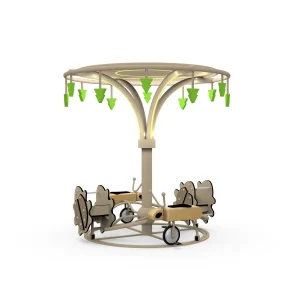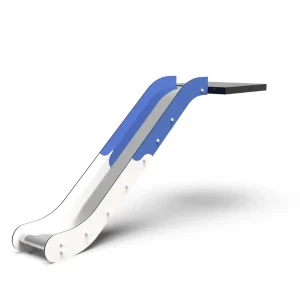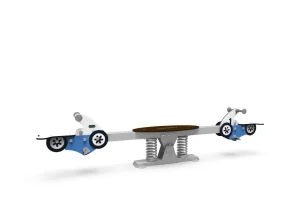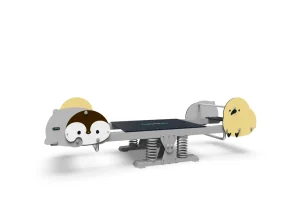
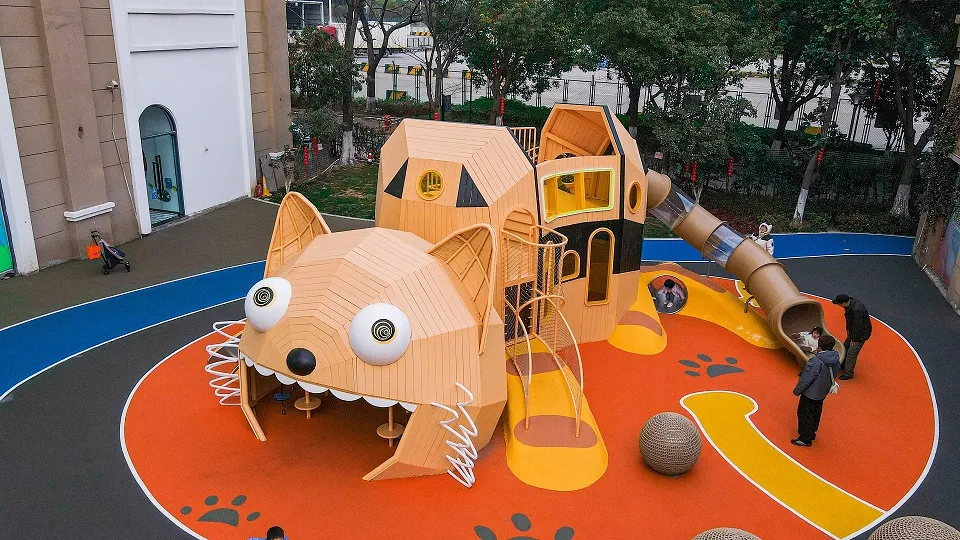
Getting ground prep and drainage right determines whether a playset lasts fifteen years or starts showing problems after three. We’ve seen installations fail not because of equipment quality, but because someone skipped the foundation work or underestimated where water would collect after heavy rain. The slides take the most abuse from poor leveling—uneven bases create stress points that accelerate wear and change the slide angle in ways that affect how kids land at the bottom.
Why Site Assessment Matters Before You Break Ground
A proper site assessment saves money and headaches down the road. This means understanding what’s actually underneath the surface, not just eyeballing the terrain and hoping for the best. Soil that looks stable in dry weather might shift dramatically when saturated, and that slight depression you barely noticed becomes a pond every time it rains.
The process starts with checking soil bearing capacity—basically, whether the ground can support the weight without settling unevenly over time. Sandy soils drain well but compact poorly. Clay holds shape but turns into a drainage nightmare. Most sites fall somewhere in between, which is why testing matters more than assumptions.
Topographical mapping reveals natural water flow patterns that aren’t obvious until you’ve watched the site through a few rainstorms. That gentle slope running toward your planned installation location? Water follows it. Every single time. Catching these patterns early means designing around them rather than fighting them later.
Ground Preparation That Actually Holds Up
The difference between a foundation that settles and one that stays put comes down to methodical preparation. Rushing this phase to save a few days on the installation schedule creates problems that take years to fully manifest—and cost far more to fix than doing it right initially.
Start by removing topsoil and organic material down to stable subgrade. That rich, dark soil that plants love? Terrible for foundations. It compresses unevenly and holds moisture. Get it out of there.
Grading comes next, establishing a subtle slope away from the playset location. Not dramatic—1-2% is enough to move surface water without creating runoff problems elsewhere. The goal is directing water away from where kids play and where structural components meet the ground.
The sub-base layer of crushed stone or gravel serves two purposes: drainage and load distribution. Water moves through it rather than pooling, and it spreads weight across a wider area than the playset footings alone would contact.
Compaction makes or breaks everything else you’ve done. Each layer needs proper compaction using appropriate equipment—hand tamping works for small areas, but larger installations need mechanical compactors. Skipping this step or doing it halfheartedly guarantees future settlement.
Final leveling ensures the playset sits where it should. Even small deviations from horizontal create cumulative stress on joints and connections, and slides perform differently than designed when their angle changes.
Drainage Systems That Prevent Long-Term Damage
Water causes more playset failures than any other environmental factor. It rots wood, corrodes metal fasteners, undermines foundations, and creates safety hazards on play surfaces. Effective drainage isn’t optional—it’s fundamental to protecting the investment.
French drains work well for sites with high water tables or heavy clay soils that don’t drain naturally. A gravel-filled trench with perforated pipe collects groundwater before it reaches the surface and channels it elsewhere. Installation requires planning the outlet location and ensuring proper slope along the pipe run.
Permeable surfacing materials let water pass through rather than pooling on top. Engineered wood fiber and rubber mulch both handle this well while providing impact absorption. The key is maintaining adequate depth and replacing material as it compacts or migrates over time.
Subsurface drainage networks make sense for larger installations or sites with persistent water problems. Catch basins collect surface water, and a pipe network moves it to appropriate discharge points. More complex to install, but effective for challenging sites.
Site grading remains the simplest and most reliable drainage tool. Water flows downhill. Design the site so downhill points away from the playset and toward areas that can handle the runoff without creating new problems.
Choosing Ground Cover That Works
Ground cover selection involves tradeoffs between impact absorption, drainage performance, maintenance requirements, and cost. No single material excels at everything, so matching material properties to site conditions and usage patterns matters.
Permeable Options for Managing Water
Engineered wood fiber drains reasonably well and provides good impact absorption at appropriate depths. It requires periodic replenishment as material compacts and decomposes, and it can migrate out of fall zones without proper containment. Works well in most climates but performs poorly in areas with frequent flooding.
Rubber mulch offers superior impact protection and excellent drainage. It doesn’t decompose like wood products and maintains depth better over time. Higher initial cost, but lower long-term maintenance. Some concerns exist about heat absorption in direct sun and potential chemical leaching, though modern products address these issues better than earlier versions.
Synthetic turf systems with integrated drainage layers provide a consistent surface that handles water well when properly installed. The drainage layer beneath the turf is critical—without it, water pools and the surface becomes slippery. Higher installation cost but minimal ongoing maintenance beyond occasional cleaning and grooming.
Eliminating Standing Water
Standing water under and around playsets creates multiple problems: slip hazards, accelerated material degradation, mosquito breeding habitat, and foundation undermining. Preventing it requires addressing both surface and subsurface water movement.
Proper grading establishes the first line of defense. That 1-2% slope away from the playset moves surface water before it has time to infiltrate and pool. Maintaining this grade requires periodic inspection and correction as soil settles or erodes.
Subsurface drainage catches water that makes it past the surface. Perforated pipes beneath the play area collect infiltrating water and move it away from the foundation. This matters most in clay soils or areas with high water tables.
Permeable ground covers allow water to pass through rather than accumulating on the surface. Maintaining adequate material depth ensures water reaches the drainage layer beneath rather than saturating the surface material itself.
Slightly elevated foundations keep structural components above grade where brief water accumulation won’t cause direct contact. Even a few inches of elevation makes a significant difference in how quickly components dry after rain.
Working With Difficult Terrain
Sloped sites and complex topography don’t prevent playset installation, but they require more planning and specialized techniques. The challenges involve creating level play areas, managing increased water flow, and anchoring equipment securely to ground that wants to move.
Terracing cuts a sloped site into level platforms, each supported by retaining walls that hold back the soil above. This approach works well for moderate slopes but requires proper engineering of the retaining structures. Undersized or poorly constructed walls fail, sometimes catastrophically.
Deep foundations anchor equipment into stable soil below the surface layer. Concrete footings extending below frost depth prevent heaving in cold climates. Helical piles screw into the ground and provide anchoring in loose or unstable soils where conventional footings would be inadequate.
Drainage becomes more critical on slopes because water moves faster and carries more erosive force. Intercepting water upslope of the play area and channeling it around prevents erosion problems that undermine foundations and wash away surfacing materials.
Engineering Requirements for Sloped Installations
Slope installations demand more rigorous engineering than level sites. The margin for error shrinks, and the consequences of mistakes become more severe.
Accurate slope measurement determines what techniques apply. Gentle slopes might need only minor grading adjustments. Steeper grades require terracing, retaining walls, or specialized foundation systems. Guessing wrong means either over-engineering (wasting money) or under-engineering (creating safety hazards).
Retaining wall design requires understanding soil pressures, drainage behind the wall, and appropriate materials for the expected loads. Walls that look fine initially can fail years later when water pressure builds behind them or freeze-thaw cycles weaken the structure.
Custom foundations match the specific soil conditions and slope characteristics of each site. Standard installation methods assume level ground and stable soil—conditions that don’t exist on complex sites. Adapting foundation design to actual conditions prevents the settlement and shifting that compromise equipment safety.
Fall zone calculations become more complex when ground elevation changes within the fall area. Safety surfacing depth requirements are measured from the highest accessible point, not from the ground directly beneath. Sloped sites often require deeper surfacing or modified equipment placement to maintain compliance.
Drainage integration prevents the erosion that gradually undermines everything else. Water moving across a slope picks up speed and erosive power. Intercepting it, slowing it, and directing it away from the play area protects both the foundation and the surfacing materials.
Frequently Asked Questions
What are the essential ground-level preparation steps for installing an outdoor playset with slides?
Ground preparation starts with site assessment—soil analysis and topographical mapping to understand what you’re working with. Then comes excavation to remove unstable topsoil, grading to establish drainage slopes, sub-base installation for stability and drainage, and thorough compaction of each layer. Final leveling ensures the playset sits properly. Skipping any of these steps creates problems that show up months or years later.
How can effective drainage considerations prevent issues like erosion and water damage around playset slides?
Drainage systems move water away from the playset foundation before it can cause damage. French drains handle groundwater, permeable ground covers let surface water infiltrate rather than pool, and proper grading directs runoff away from structural components. Without these measures, water erodes soil around foundations, accelerates material decay, and creates slippery surfaces that increase injury risk.
What are the best ground cover materials to ensure both safety and optimal drainage for playsets?
Engineered wood fiber, rubber mulch, and properly designed synthetic turf systems all provide impact absorption while allowing water to drain through. Each has tradeoffs: wood fiber needs regular replenishment, rubber mulch costs more initially but lasts longer, and synthetic turf requires careful installation of the drainage layer beneath. Material choice depends on budget, maintenance capacity, climate, and usage intensity.
What specific challenges arise when installing playsets on sloped terrain, and how are they addressed?
Sloped sites require creating level play areas through terracing or grading, anchoring equipment with deeper or specialized foundations, managing faster-moving water that causes erosion, and calculating fall zones across changing elevations. Retaining walls hold back soil on terraced sites. Deep concrete footings or helical piles provide secure anchoring. Integrated drainage systems intercept and redirect water before it undermines the installation.
Partnering for Superior Playset Solutions
Suzhou LvDong Amusement Equipment Co., Ltd. provides integrated R&D, design, production, installation, and after-sales support for unpowered amusement solutions. Contact us to discuss your ground-level and drainage requirements. WHATSAPP:+8613915684545 | [email protected]