Importing children’s unpowered playground equipment often creates a mismatch: the products are bulky but comparatively light, while individual orders may be too small to justify a full container. Freight consolidation strategies close that gap by combining orders from multiple buyers into shared container space, lowering per-unit shipping cost without forcing any single buyer to fill an entire container. This article explains how shared loads work for playground equipment, when they make financial sense, and how to structure them so delivery control and documentation stay clean.
Why Playground Equipment Punishes Small Shipments
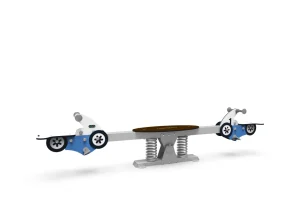
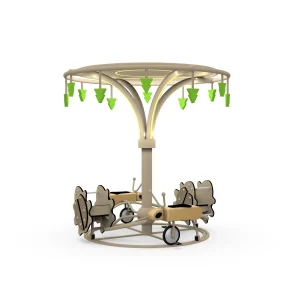
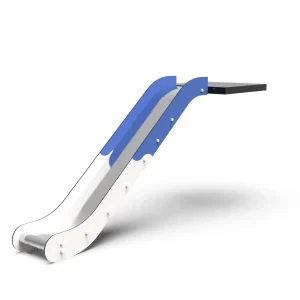
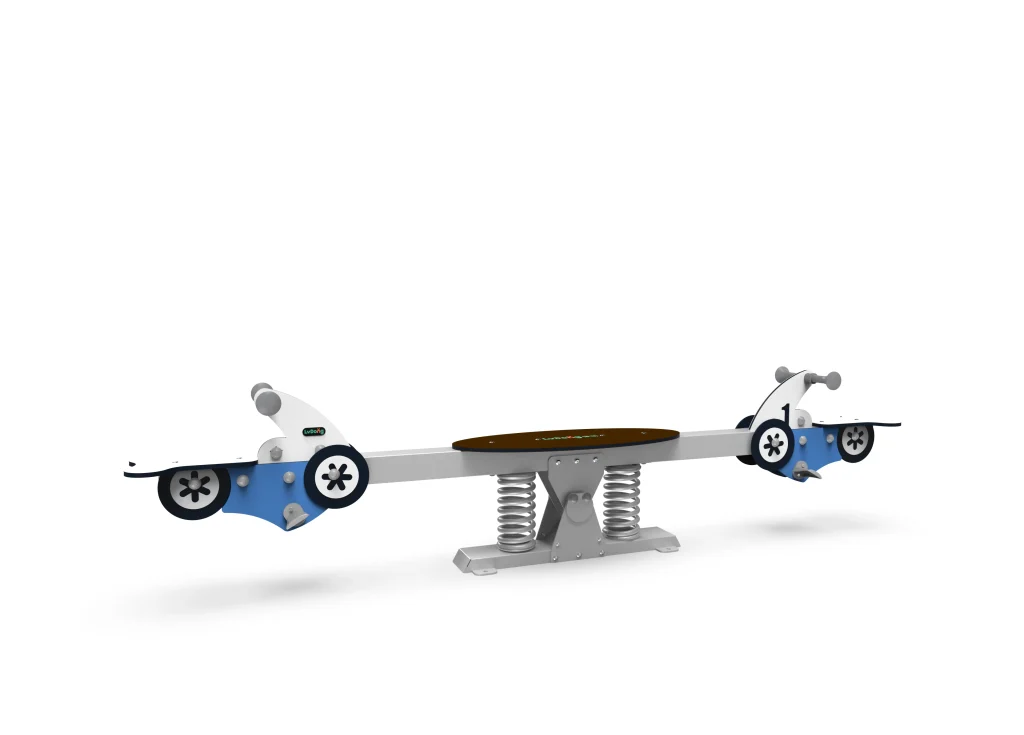
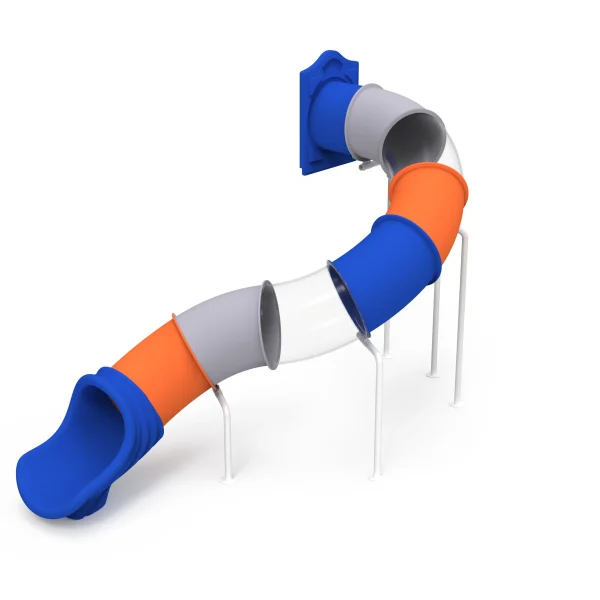
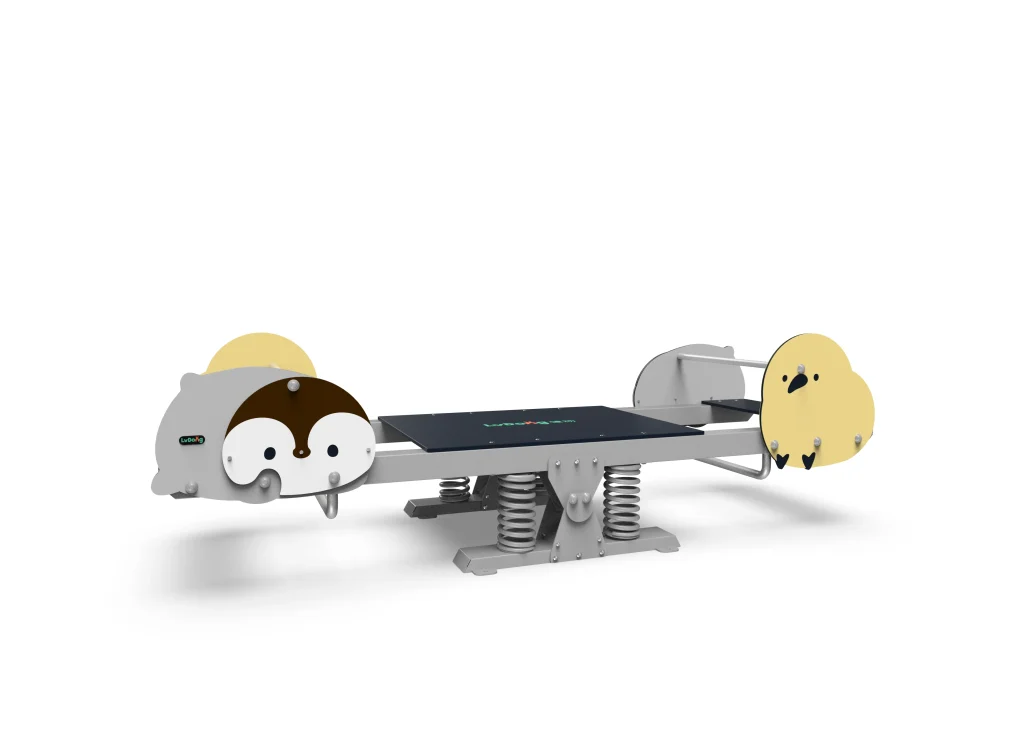
Playground equipment is not typical general cargo. A commercial spring rider may weigh less than 50 kg but ship in a crate that occupies several tenths of a cubic meter. A multi-person seesaw arrives as a long steel frame, seats, spring-assist base, and hardware. Tunnel slides use large curved shells that cannot always nest tightly. Because of this, chargeable volume usually matters more than actual weight.
Small importers who book less-than-container-load shipments on a per-cubic-meter basis also face repeated origin and destination fees: container freight station handling, documentation, customs brokerage, and local delivery. Those fixed charges make fragmented shipping expensive even when the base freight rate looks low. Under Incoterms 2020 [1], the point at which freight responsibility shifts also changes how consolidation savings are shared, so buyers should place the consolidation decision inside the same commercial negotiation as price and delivery terms.
Consolidation helps because it converts several fragmented shipments into one managed load. Instead of three buyers each paying separately for a few cubic meters of less-than-container-load cargo, the loads are combined into a shared block or shared container. That reduces the rate penalty per cubic meter and spreads fixed charges across more equipment.
Freight Consolidation Models That Work for Playground Buyers
Playground buyers typically use one of four consolidation structures:
- Supplier-led consolidation. A manufacturer or trading partner groups ready orders from compatible buyers at one origin warehouse until a target volume is reached.
- Buyer-group consolidation. Two or more importers in the same destination region agree on container space in advance, often through a group purchasing arrangement.
- Forwarder consolidation. A freight forwarder combines your goods with other general cargo on the same route; you buy only the space you need.
- Hub consolidation or cross-dock. Goods move from multiple factories to a hub, are repacked into one container, then discharged and split at destination.
Buyer-group arrangements depend on clear commercial terms. > Consolidation agreements should also be reflected in written purchase terms. <Key Contract Clauses for Commercial Playground Equipment Purchase> covers clauses that reduce risk when orders are split or shared between buyers.
FCL, LCL, and Consolidated Loads: Choosing the Right Structure
The main decision is whether to ship full container load, less-than-container load, or a shared block organized by a consolidator. Full container load gives the buyer dedicated space and usually the lowest cost per cubic meter once volume is sufficient. Less-than-container load is flexible, but the base rate is higher and destination charges still apply. A shared block sits between them: the load is larger than a single buyer’s LCL shipment, but it is still managed under separate buyer documentation.
A practical comparison should include the freight rate, origin handling, destination container freight station charges, customs clearance, onward trucking, and the cost of waiting for other buyers’ goods to be ready. Illustrative example: a buyer with seven cubic meters of play panels and spring riders might be quoted a higher LCL rate per cubic meter plus destination handling. If two other buyers with five and four cubic meters join the same sailing, the combined block may earn a lower blended rate while each buyer keeps separate clearance documents. These figures are illustrative rather than a quotation; actual costs vary by port, route, and seasonality.
Before you commit to any structure, ask your supplier or forwarder to run a landed-cost comparison for full container load, less-than-container load, and shared-load alternatives. Lvdong’s project team can provide packed dimensions, container utilization estimates, and shipment planning guidance for playground equipment; contact [email protected] with the product list and destination port for a consolidation-mapped response.
Documentation, Customs, and Compliance in Shared Loads
When playground equipment moves in a shared load, each buyer generally needs a separate commercial invoice, packing list, and delivery instruction. The consolidated master bill of lading may be split into house bills of lading so each buyer can clear goods independently. That separation reduces the risk of one buyer’s documentation problem delaying another buyer’s delivery.
Safety documentation under EN 1176 [2] and GB/T 34272-2017 [3] should be assigned by buyer and matched to packaging marks. HS classification should be confirmed before shipping; playground equipment commonly falls in HS Chapter 95, but material and function can shift the subheading [4]. Package markings should identify the buyer, consignee, item description, HS code, dimensions, and weight. In shared loads, loose hardware should be unitized or cartoned to prevent pieces from shifting during transit.
Managing Risk and Turning Consolidation Into a Procurement Advantage
The main operational risk in consolidation is timing coordination. If one buyer’s production is delayed, the entire shared load may wait unless the consolidator can swap in other ready cargo. Buyers can reduce this risk by consolidating only finished goods that have passed pre-shipment inspection, agreeing on cutoff dates, and allowing a routing buffer before the vessel cutoff.
Incoterms also matter in shared loads. Under FOB, the buyer controls main carriage but must coordinate with the consolidator and remain responsible for ocean freight arrangements. Under CIF, the seller arranges carriage and insurance to the destination port, but the buyer should still confirm whether shared-load terms match the agreed delivery point [1].
Supplier screening should include logistics capability. > Supplier screening should include logistics capability. <20 Essential Questions Choosing a Playground Equipment Supplier> covers questions about consolidation support, packing standards, and delivery reliability.
Over time, consolidation can become a procurement rhythm. A group of buyers can schedule quarterly releases around common production cycles, negotiate onward trucking as a group, and gradually move from repeated LCL bookings toward a dedicated shared container. This gives smaller playground buyers some of the leverage that normally belongs only to large distributors.
For example, a resort buyer needing two spring riders and a small hotel needing one multi-person seesaw could share a container while retaining separate invoices and separate clearance documents. Their equipment may be packed around a larger slide shell, making better use of cubic space than two isolated pallets.
Consolidate Your Playground Equipment Orders Without Losing Control
If you are evaluating shared-container options for playground equipment, start with a clear product list, target port, incoterm, and delivery date. Lvdong can provide packed dimensions, loading guidance, and shipment planning information tailored to spring riders, seesaws, spinners, slides, and play panels. Send these details to [email protected] or via WhatsApp at +8613915684545 for a consolidation-mapped response:
- Product list and quantities
- Destination port and final address
- Preferred Incoterms 2020 term
- Target on-site date
- Whether you are open to shared container space with another buyer
Frequently Asked Questions
Is freight consolidation the same as buying from multiple suppliers?
No. Freight consolidation is about sharing transport space, not necessarily combining purchases. You can consolidate orders from a single supplier or from multiple suppliers. The key operational requirement is separate documentation for each buyer’s cargo.
How do I know if my order is big enough for full container load?
Compare your chargeable volume with available container capacity. Once your consolidated volume approaches a meaningful share of a 20ft or 40ft container and destination charges per cubic meter fall, full container load may cost less than less-than-container load. A forwarder or supplier can run the comparison before you commit.
What happens if one buyer’s goods fail inspection or are held at customs?
If each buyer operates under a separate house bill of lading and separate customs declaration, one buyer’s hold generally does not block the others. If all goods are on a single bill of lading, the risk is higher because clearance may be linked. Structure separate house bills of lading in shared loads.
Does consolidation add lead time?
It can add time while cargo is being grouped, but clear cutoff dates, inspection before consolidation, and ready-stock planning reduce this. In some routes, consolidation can actually improve sailing frequency because the shared block reaches carrier volume thresholds faster.
References
[1] International Chamber of Commerce, Incoterms® 2020, ICC Publication No. 723E, 2019.
[2] European Committee for Standardization, EN 1176-1:2017, Playground equipment and surfacing — Part 1: General safety requirements and test methods.
[3] Standardization Administration of China, GB/T 34272-2017, General safety requirements for play facilities and equipment.
[4] World Customs Organization, Harmonized Commodity Description and Coding System, 2022 Edition, Chapter 95.
If you’re interested, check out these related articles:
Playground Turntable Safety EN1176 vs ASTM Standards Unpacked
Hurricane Spinner Load Testing Unpacking Playground Safety Standards