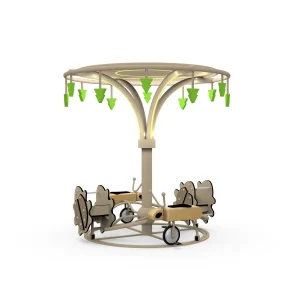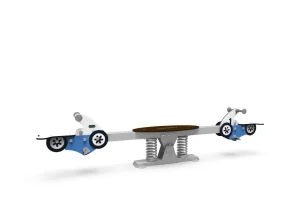
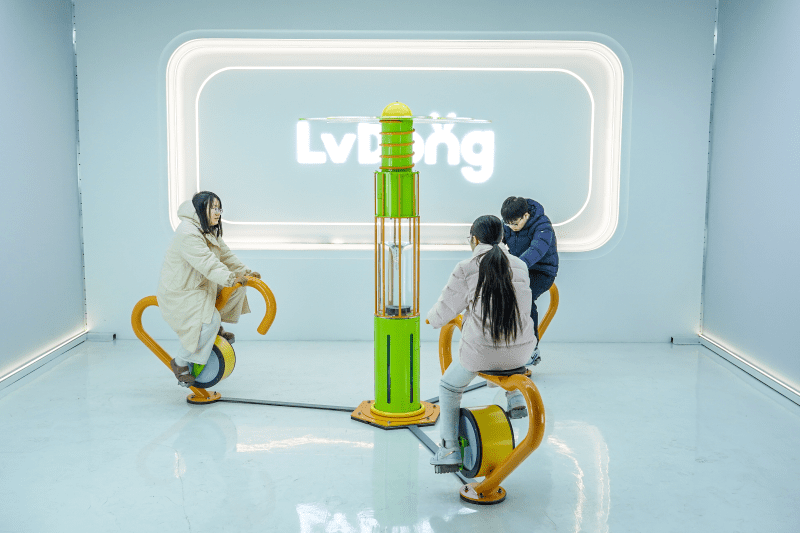
When a playground spinner fails under load, it doesn’t give warnings. The bearing housing cracks, the central post buckles, or the platform shears at the weld—and a child gets hurt. That reality shapes how we approach load testing at Suzhou LvDong Amusement Equipment Co.,Ltd. Every Hurricane Spinner that leaves our facility has been pushed well past the forces it will ever see in actual use, because the margin between “probably fine” and “certified safe” is where injuries happen.
Why Load Testing Determines Spinner Safety
Load testing sits at the core of playground spinner manufacturing because spinning equipment generates forces that static structures never experience. A Multi Player Playground Spinning Wheel with four children aboard creates centrifugal loads, asymmetric weight distribution, and repetitive stress cycles that compound with every rotation. A Single Player Playground Spinner faces different challenges—concentrated point loads and rapid directional changes that stress bearings and mounting hardware in ways that simple weight calculations cannot predict.
The testing process reveals what calculations alone cannot. We subject prototypes to static loads exceeding maximum rated capacity, then apply dynamic forces that simulate years of aggressive play compressed into hours. This approach catches design weaknesses before they become field failures. A spinner might support its rated weight perfectly in a static test yet develop fatigue cracks after simulated seasonal use cycles. Only comprehensive mechanical load testing exposes these failure modes.
Meeting ASTM F1487 and EN 1176 Requirements
International safety standards establish the baseline for playground equipment certification, and we design to exceed those baselines rather than merely meet them. ASTM F1487 governs North American markets with performance-based requirements that focus on injury prevention outcomes. EN 1176 applies throughout Europe with more prescriptive specifications for individual components. We also maintain compliance with GB/T 34272-2017 for the Chinese market.
These standards differ in philosophy but share common ground on structural integrity. Both require that playground spinners withstand specified loads without permanent deformation, that moving parts operate smoothly under stress, and that materials resist degradation over time. Our dual-compliance approach means products leaving our facility satisfy the most stringent requirements from either standard, making them suitable for global deployment.
What specific load testing methods are applied to Hurricane Spinners?
Hurricane Spinners undergo four distinct testing phases. Static load testing applies maximum rated weight plus safety margins to verify the structure holds without deformation—this simulates multiple children standing or sitting simultaneously. Dynamic load testing introduces sudden, repetitive forces that mimic vigorous play, checking for fatigue and structural integrity under continuous movement. Impact testing assesses resistance to sudden blows from falling objects or forceful interactions between users. Fatigue testing runs the spinner through simulated years of use cycles to identify material degradation or structural weaknesses that only emerge over time.
Comparison Chart: ASTM vs. EN Key Differences
| Feature | ASTM F1487 (North America) | EN 1176 (Europe) |
|---|---|---|
| Focus | Injury prevention, user safety, accessibility | Risk assessment, structural integrity, material safety |
| Testing Philosophy | Performance-based, allowing design flexibility | Prescriptive, detailed specifications for components |
| Impact Attenuation | Specifies minimum surfacing requirements based on critical fall height | Specifies critical fall height and material properties |
| Entrapment | Focuses on head and neck entrapment in openings | Addresses head, neck, and clothing entrapment |
| Materials | General guidelines, emphasis on non-toxic and durable materials | Detailed requirements for material strength, durability, and toxicity |
Our adherence to these standards ensures that our Playground Spinner Manufacturer OEM products rank among the safest available globally.
How We Push Spinners Past Their Limits
The testing methodologies we apply to Hurricane Spinners intentionally exceed normal playground conditions. Real children don’t apply perfectly distributed loads—they cluster on one side, jump on while the spinner moves, and use equipment in ways designers never anticipated. Our testing accounts for these realities.
Structural integrity verification begins with computer simulations that model stress distribution across the entire assembly. These simulations identify potential failure points before we build physical prototypes. Once prototypes exist, they face sustained rotational stress tests where the spinner runs continuously under load for extended periods. We also conduct controlled overload scenarios that apply forces significantly beyond rated capacity to establish true safety margins.
Material stress analysis examines how individual components respond to repeated loading cycles. Bearings, welds, fasteners, and the spinner platform itself each receive focused attention. This granular approach to quality control catches problems that system-level testing might miss. A bearing that performs adequately in isolation might fail when combined with platform flex under dynamic loads—only integrated testing reveals these interactions.
For further insights into optimizing operational aspects, consider exploring 《Optimizing Playground Equipment Spare Parts Lead Time and Stock》.
Quality Systems That Support Safe Design
ISO 9001 certification provides the framework for consistent manufacturing, but the real work happens in how we apply that framework to playground equipment specifically. Every design decision—material selection, joint configuration, surface treatment—passes through safety review before reaching production. This design-for-safety approach means we address potential hazards at the concept stage rather than discovering them during testing.
Manufacturing excellence directly affects playground equipment lifespan. Consistent weld quality, proper heat treatment of steel components, and precise bearing installation all contribute to long-term durability. A spinner that passes initial load testing but fails after two seasons of use represents a manufacturing failure, not just a design problem. Our quality management system tracks production variables that affect durability, allowing us to maintain consistency across production runs.
Preventative maintenance considerations shape initial design choices. We engineer access points for bearing inspection, specify fasteners that resist loosening under vibration, and select materials that show visible wear indicators before structural failure occurs. These choices make ongoing maintenance practical and effective.
Installation, Maintenance, and Ongoing Certification
A perfectly manufactured spinner becomes hazardous if installed incorrectly or neglected after installation. Our service model addresses the full equipment lifecycle, not just the manufacturing phase.
Installation guidelines specify foundation requirements, torque values for critical fasteners, and verification procedures that confirm proper setup. Whether installing a Multi Player Playground Spinning Wheel or a Single Player Playground Spinner, the installation team receives documentation that leaves no room for interpretation on safety-critical steps.
Maintenance best practices emphasize routine inspection over reactive repair. Facility managers receive guidance on daily visual checks, monthly operational tests, and seasonal detailed inspections. This tiered approach catches developing problems before they create hazards. Regular inspection protocols identify wear patterns, loose fasteners, and bearing degradation at stages where simple maintenance restores full safety margins.
How often should playground spinner equipment be re-certified?
Annual re-certification represents the standard frequency for playground spinner equipment, supplemented by regular safety audits throughout the year. This schedule ensures that wear, damage, or environmental changes receive professional evaluation before they compromise safety. Certified inspectors verify continued compliance with applicable standards and assess whether the equipment remains suitable for continued use. This proactive approach to re-certification extends equipment lifespan while maintaining regulatory compliance.
What are the consequences of non-compliance with playground safety standards?
Non-compliance creates liability exposure that extends beyond financial penalties. Legal implications can include personal liability for facility managers and organizational leadership. Insurance coverage often becomes void or restricted when equipment fails to meet applicable standards. The most serious consequence remains the potential for child injury—an outcome that no amount of legal or financial planning can adequately address. Compliance represents a fundamental duty of care, not merely a regulatory checkbox.
If you are interested in understanding the critical post-installation checks, you may find 《12 Critical Post Installation Acceptance Tests for Playgrounds》 insightful.
Working with LvDong on Your Playground Project
Our expertise in Hurricane Spinner load testing reflects a broader commitment to playground safety that spans design, manufacturing, installation, and ongoing support. We approach every project with the understanding that children’s well-being depends on decisions made at each stage.
Contact us to discuss your specific requirements and learn how our integrated approach can serve your playground development goals. Reach us at [email protected] or call +8613915684545.