A playground project budget is a promise: it turns a design into safe, usable space for children. When you import equipment from China and the quote is in CNY, part of that promise sits with the exchange rate. The exchange rate does not wait for project sign-off. It moves during design confirmation, production, and ocean freight, and the balance you pay weeks later can buy more or less equipment than the same currency did on the day you approved the order.
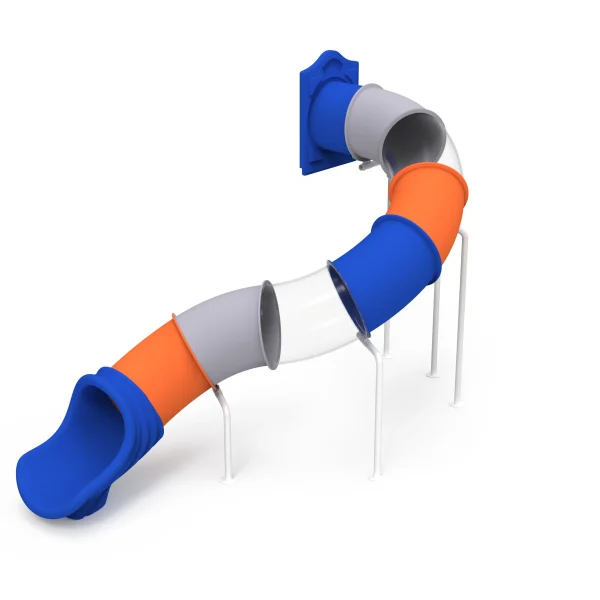
Currency hedging is not speculation. It is a way to make the budget more predictable so you can decide with confidence whether to add another spinner bay, upgrade to a high-visibility tunnel slide, or keep the surfacing allowance intact. The goal is not to guess the rate perfectly; it is to stop a quiet currency move from rewriting the project after the design is already fixed.
Why CNY Exchange Rate Moves Hit Playground Equipment Budgets
China operates a managed floating exchange rate arrangement. The People’s Bank of China publishes a daily central parity against the U.S. dollar, and market supply and demand moves the rate within a managed band [1]. For an importer, that means a CNY-denominated quote can change in value between the day the deposit is paid and the day the balance is settled.
Playground equipment contracts often have a natural time gap built into them. Design confirmation, steel preparation, powder coating, safety testing, packaging, loading, and shipping take time. A standard playground order routinely needs several weeks before export, and larger themed projects take longer. During that window, CNY does not stay frozen against USD, EUR, AUD, or other buyer currencies.
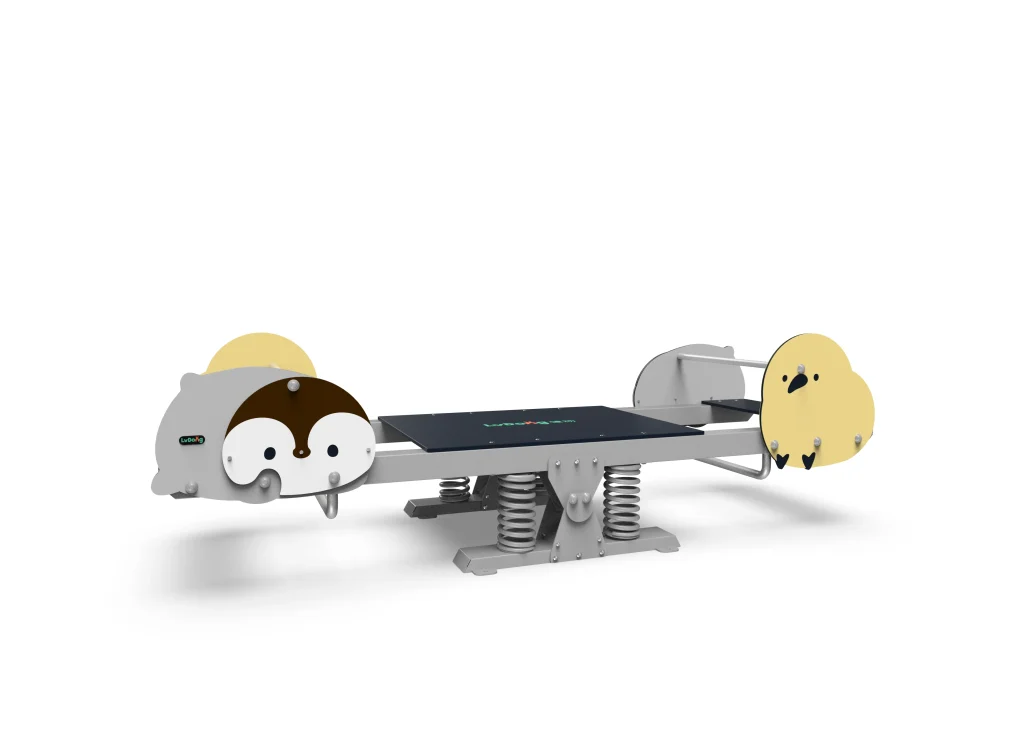
The impact is easiest to see on the balance payment. Suppose the balance is CNY 196,000 and the buyer is converting from U.S. dollars. At 7.25 CNY per dollar, that balance costs about USD 27,034. If the rate moves to 7.03, the same balance costs about USD 27,881—roughly USD 850 more. That is not a drastic market collapse; it is an ordinary 3 percent move. For a municipal park, a hotel kids club, or a kindergarten upgrade, USD 850 can equal two spring riders, several activity panels, or part of the safety surfacing.
Start With the Commercial Baseline Before You Hedge
A hedge should follow the contract, not the other way around. Before a bank forward or option is booked, the buyer needs to know three things from the supplier’s quotation: the invoice currency and amount, the payment milestones, and the delivery terms that trigger each milestone. These commercial terms sit inside the quote and the purchase agreement, and they are what the hedge will protect.
Incoterms provide the delivery baseline [2]. An FOB arrangement usually means the buyer has a clearer pre-shipment balance date than a delivered duty paid arrangement, where landing costs are spread differently. When LvDong project teams prepare an equipment quote, the breakdown is normally built around the equipment scope, freight, and any installation or supervision services the buyer requests. That breakdown is not a bank document, but it is exactly the information a bank or currency specialist asks for when structuring a forward.
The same applies to the equipment list. If the buyer is still deciding between a pre-configured set and a custom layout, the final CNY exposure is not yet stable. Comparing Playground Spinner Manufacturer OEM, Playground Swing Manufacturer OEM, and Playground Slide Manufacturer OEM options early makes the cash-flow schedule clearer. A quote that still has open specification choices should be finalized before the hedge is locked; otherwise the protected amount may not match the final invoice.
Five CNY Hedging Tools That Fit Importers
1. Forward Contract
A forward fixes the exchange rate for a future payment date. The bank commits to convert a currency amount into CNY at a forward rate derived from spot plus forward points reflecting the interest rate differential between the two currencies [3]. This works best when payment dates and amounts are fixed by contract and production schedule.
For playground buyers, forward contracts protect against the balance payment moving against the budget. The trade-off is limited flexibility. If the order is delayed, the forward may need to be extended or settled separately, so the contract date should include a buffer or be matched to a confirmed milestone.
2. Currency Option
An option gives the buyer the right, but not the obligation, to exchange at a protected rate. A plain vanilla CNY option costs a premium. It is useful when the order is still conditional—for example, a site approval is pending or the project may be postponed. The premium is the cost of keeping room to move.
3. Collar or Risk-Reversal Structure
A collar sets a worst-case rate and a best-case rate. It can reduce premium cost compared with an outright option because the buyer gives up some upside. For many importers, the value is not in profiting from the exchange rate; it is in capping the downside to keep the playground budget safe.
4. Natural Hedging or CNY Holding
Buyers with ongoing China purchases may retain some CNY revenue or hold a CNY account to match future invoices. If part of the project can be funded from existing CNY receipts, the need to convert currency at the last minute falls. This is a cash-flow strategy rather than a bank contract, and it requires payment controls and local banking support.
5. Staged Payments and Timing
The payment schedule itself is a form of risk management. A deposit paid at order, a production balance before shipment, and a smaller acceptance amount after delivery spread the conversion risk across several dates. It also aligns payments with work completed and inspection points. The buyer should confirm that payment milestones match real production and shipping milestones, not simply invoice dates.
If you are preparing a playground equipment order and want a payment structure that supports currency planning, contact Suzhou LvDong Amusement Equipment Co., Ltd. at [email protected] or WhatsApp +86 139 1568 4545. The team can confirm current quotation details, production lead time, and delivery milestones so your bank has the right exposure dates before you book a hedge.
CNY Payment Rules and Milestones That Reduce Risk
Cross-border CNY payments for goods are supported by China’s current account settlement framework. Banks verify the underlying trade documents—contract, invoice, customs information—before processing foreign exchange settlement and remittance [4]. That means the buyer should keep the supplier contract, proforma invoice, and payment schedule aligned. If the bank asks for documentation, a clear equipment breakdown and delivery reference make the process smoother.
A common payment structure in Chinese export manufacturing is a deposit, a pre-shipment balance, and a smaller acceptance or commissioning portion. The exact split differs by project size and buyer relationship, but the principle is stable: payments should follow value milestones that the buyer can verify. For playground equipment, verification can include factory inspection photos, pre-shipment video, third-party testing certificates, or loading confirmation.
The hedge should match these milestones. A forward for the full order amount on the deposit date may be premature if the balance is months away. A better approach is to hedge the deposit separately and arrange forward coverage for the balance only when the production completion date is visible. For ongoing multi-year playground building programs, a rolling hedge across quarterly orders can provide more consistency than a single transaction.
A currency hedge will not repair a loosely defined order. If the equipment list, certification scope, and delivery milestones are not fixed before the forward is booked, the protected rate may be applied to the wrong cash-flow schedule. <7 Mistakes to Avoid Buying Commercial Playground Equipment> covers the specification and ordering decisions that should be settled before payment exposure is calculated.
Currency risk is only one part of the landed cost that an importer must control. <Global Import Regulations for Playground Equipment by Country> covers the certification and import regime details that should be confirmed before the final payment schedule is locked.
When payment terms are being structured for a larger venue, it helps to see the equipment as part of a complete project plan. <Indoor Playground Design Consultation Your Project Blueprint> covers how design, engineering, and procurement milestones can be organized into one schedule.
How to Turn the Quote Into a Hedge Decision
Hedging works when the buyer moves from “the rate may move” to a specific, dated cash-flow. A practical sequence is:
- Fix the CNY amount and payment dates from the proforma invoice.
- Confirm the payment bank account details and settlement path.
- Ask the bank or currency provider for spot, forward, and option pricing for those dates.
- Set a budget rate that the project assumption already uses.
- Cover the exposure in proportion to schedule certainty—more for fixed production orders, less when specifications and site approval are still changing.
- Record the hedge date, reference, and bank contact in the project file.
The protected rate should be compared with the budget rate, not with what the market might do later. A hedge is successful when the project cost stays within the approved range, not when the buyer wins a competitive trade against the market.
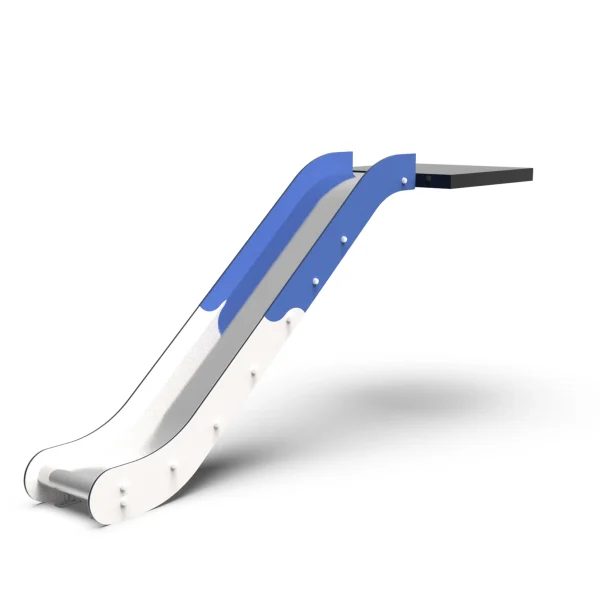
For a playground development, that means the finance decision supports the design decision. When the budget is fixed, the design team can keep the promised slide height, deck configuration, and safety surfacing instead of quietly reducing scope to recover a currency loss.
Common Mistakes That Undo a Currency Hedge
- Hedging before the commercial schedule is final: a rate locked for the wrong payment date creates a new mismatch instead of solving one.
- Mixing offshore CNH and onshore CNY assumptions: the two rates are related but not identical, and the settlement route matters.
- Over-hedging a conditional order: if the project is still awaiting approval, a full forward may become a liability if the order is delayed or cancelled.
- Ignoring bank margin requirements: forwards and options may require credit lines or collateral, so these costs belong in the budget.
- Forgetting the bank documentation trail: without a clean supplier contract and invoice, cross-border settlement can be delayed.
The simplest protection is often the least dramatic: finalize the payment schedule with the supplier, match each milestone to a verifiable production event, and hedge only the exposure that is real. The discipline that prevents a playground from slipping over budget is the same discipline that keeps the equipment selection honest.
To make the first payment milestone faster, prepare five details for the supplier: project location and age group, equipment categories, target delivery window, preferred Incoterm, and any certification requirements. Send these with your CNY quotation request to [email protected] or WhatsApp +86 139 1568 4545. A complete inquiry allows the quotation to be structured around the same milestones your bank will need for a hedge.
Plan the Budget, Protect the Playground
Playground budgets are tighter when the project is already part of a school, hotel, municipality, or community grant. Exchange rate planning should sit alongside equipment selection, safety certification, and shipping coordination—not as an afterthought once the deposit has already moved.
Suzhou LvDong Amusement Equipment Co., Ltd. supports international buyers with a clear quotation structure, defined production lead times, and direct communication about payment milestones. If you are evaluating imported playground equipment and want to align your CNY payment schedule with a hedging plan, contact the LvDong team for current project details.
Email: [email protected]
WhatsApp: +86 139 1568 4545
Frequently Asked Questions
What is the difference between CNY and CNH when hedging payments to a Chinese playground equipment supplier?
CNY is the onshore renminbi traded in mainland China and is the rate most relevant to settling goods payments through mainland banks. CNH is the offshore renminbi traded in Hong Kong and other international centers. The two rates are linked but can differ slightly during periods of liquidity stress or policy adjustment. Buyers should confirm with their bank which rate applies to the payment route.
Can a small buyer hedge CNY payments if the order is only a few thousand dollars?
Yes, but the mechanism may look different. A small buyer may use the bank’s spot desk for staged conversions, a multi-currency account, or a forward if the bank allows a low-value facility. The cost and documentation burden should be checked before committing. Some buyers choose to pay the deposit and balance earlier when the rate is favorable, but that must be balanced against production and inspection protections.
Should I pay the deposit in CNY or convert to USD first?
The invoice currency controls this. If the supplier invoice is in CNY, payment will ultimately be made in CNY, and the buyer or the bank converts before settlement. If the buyer converts earlier into a CNY account, that is a natural hedge for the known deposit, but it should be matched to the payment date and account details. Do not hold unconverted funds in the wrong currency if the contract requires CNY.
What happens if the exchange rate moves in my favor after I buy a forward?
With a forward, the buyer still settles at the fixed rate. The purpose was budget protection, not market gain. If the ability to benefit from favorable moves is important and the order is conditional, an option or collar may be a better fit, but it comes with a premium.
Does LvDong offer fixed CNY price protection for long production lead times?
LvDong provides a defined quotation and payment milestone schedule, and the team can discuss lead times and staging to help buyers plan conversions. The exchange rate itself is managed by banks and currency markets, so a buyer who needs a fixed rate should arrange that with a bank or licensed currency provider after confirming the project schedule with LvDong.
References
[1] People’s Bank of China, “Monetary Policy Report,” People’s Bank of China, Beijing, China, 2025. [Online]. Available: http://www.pbc.gov.cn/en/3688247/3688978/index.html
[2] International Chamber of Commerce, Incoterms 2020: ICC Rules for the Use of Domestic and International Trade Terms, ICC Publication No. 723E. Paris, France: ICC, 2019.
[3] Bank for International Settlements, “Triennial Central Bank Survey of Foreign Exchange and Over-the-Counter Derivatives Markets in 2022,” BIS, Basel, Switzerland, Oct. 2022. [Online]. Available: https://www.bis.org/statistics/rpfx22.htm
[4] State Administration of Foreign Exchange, “Notice on Further Promoting Cross-Border Trade and Investment Facilitation,” SAFE, Beijing, China, 2024. [Online]. Available: https://www.safe.gov.cn/
If you’re interested, check out these related articles:
Indoor Playground Design Consultation Your Project Blueprint
Hurricane Spinner Load Testing Unpacking Playground Safety Standards
Sensory Playground Panels Touch Visual Audio Options
Kindergarten Outdoor Play Equipment Strategic Upgrade Priorities
Evaluate Commercial Playground Manufacturers 8 Critical Selection Factors