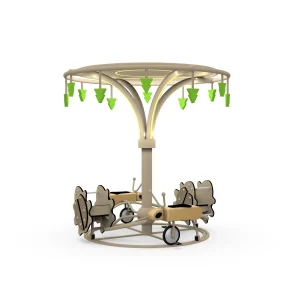
A nautical-themed spinner gives a waterfront play area a clear identity and a high-capacity social activity in one compact structure. In maritime parks and coastal resorts, the helm-style model is ordered because the ship’s wheel form fits the setting, the rotation supports group play, and the construction is intended for outdoor sun, rain, and high-humidity exposure. Planners still need to confirm the right configuration, fall zone, and maintenance routine for salt air. The following guidance covers those decisions.
What Makes a Spinner Nautical-Themed
The most recognizable version uses the helm. The unit is built around a circular platform with a central hub, radiating handholds, and a ship’s wheel visual language that suits a harbor, marina, or beachfront resort. The theme is not just applied color. It affects how children orient themselves around the equipment: handholds are placed around the perimeter, children face the center, and the whole group can push or balance together. This gives the play event a cooperative quality that parents and park staff can read at a glance.
Why Coastal Conditions Change the Specification
Salt air, direct sun, and blowing sand shorten the life of equipment that was never specified for them. A spinner for an inland park may be judged mostly on frame strength; on the coast, exposed fasteners, bearing seals, and coated surfaces become the critical points. The multi-player spinner family used for these applications is produced for outdoor sun, rain, and high-humidity conditions with wear-resistant materials across the platform and moving parts. Buyers should still ask the manufacturer to confirm the corrosion resistance of fasteners and the recommended cleaning method for the finish.
The operational difference is realistic. A daily fresh-water rinse after heavy salt exposure is simpler than replacing pitted hardware later. If the unit sits within splash distance of a fountain or sea breeze carries moisture, the maintenance plan should be written into the opening specification rather than added after the first inspection.
How the Spinner Supports High-Traffic Play Nodes
Maritime parks and resort play zones often have short, intense periods of use. A cruise excursion group, a weekend beach crowd, or a hotel kids’ club arrives all at once. The multi-player spinner holds 6 to 10 children per cycle depending on configuration, so one unit can handle a busy node without multiplying the number of separate devices. The circular layout also distributes children evenly around the platform. When the group pushes together, the rotation accelerates; when one child wants a gentler ride, the handholds and central structure give a stable balance point.
Safety, Access, and Compliance for Public Waterfront Projects
Public projects usually need more than a visual theme. The relevant reference points are the EN 1176 European Safety Standard and the GB/T 34272-2017 Chinese National Standard. The multi-player spinning wheel is supplied to those requirements, with a maximum falling height of 55 to 77 cm depending on the selected model. That number determines the impact-attenuating surface area more than the top rail height does, so the layout plan must account for the full rotating envelope, not only the footprint of the base.
Access planning matters as much as the spinner itself. A wheelchair user may not transfer onto the rotating platform, but the path to the unit, the surrounding surfacing, and the companion activities should still be barrier-free. When the spinner is shown as part of a wider play zone rather than as a stand-alone object, the site can serve mixed mobility, age, and sensory needs.
A themed spinner supports one part of a mixed-age play zone, but inclusion depends on surfacing, routes, and companion choices. <Mastering Age Inclusive Outdoor Play Equipment Solutions> covers how to plan equipment sequences that serve differing physical and sensory needs.
Specifying the Right Configuration
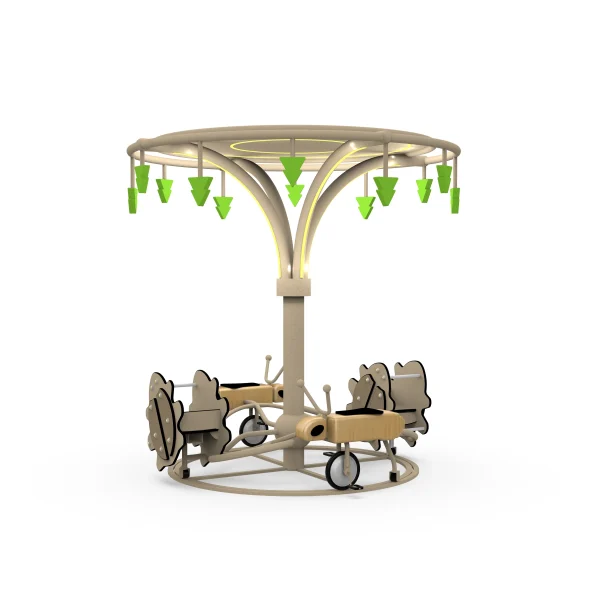
The helm-style spinner is not a single fixed unit. The multi-player family includes different themed forms, but the core decisions remain diameter, height, play mode, and user capacity. A coastal park with open space may choose a larger standing platform; a resort courtyard may prefer a compact version with seated positions. The table below summarizes the range for the multi-player spinning wheel family.
| Specification | Range |
|---|---|
| Suitable age | 2+ to 6+ years, depending on model |
| User capacity | 6 to 10 children per unit |
| Overall diameter | 120 to 200 cm |
| Overall height | 70 to 220 cm |
| Maximum falling height | 55 to 77 cm |
| Installation workload | 1 to 2 installers, about 2 person-hours |
For a maritime site, the order conversation should include the fall zone, foundation anchoring, and drainage. The installer workload is modest after the base is prepared, but the base itself is site-specific. If the unit will sit near a boardwalk, a level structural pad and secure anchors matter more than the assembly time.
A clear spinner specification also makes pricing easier to compare, because finish, base preparation, and shipping can move the total in different directions. <Buying Playground Spinners Pricing Discounts and Supplier Insights> covers the quote and discount factors buyers should separate when ordering this type of equipment.
Maintenance for Salt Air and High Use
Coastal maintenance is simpler when it is built into the routine. Remove salt film with fresh water before it dries, keep sand out of bearing areas, and inspect exposed fasteners after storm season. A low-pressure rinse is usually safer than aggressive pressure washing, which can force water past seals. The inspection should also check handholds, platform surfaces, and any coating wear at high-contact points.
When an operator tracks cleaning, lubrication, and part condition on a simple schedule, small problems stay repairable. The goal is not to make outdoor equipment look new after every season. The goal is to prevent a minor surface issue from becoming a structural or safety concern.
Those routine checks are easier to manage when the park uses a fixed inspection list rather than relying on memory. <Playground Equipment Safety Your Essential Self Inspection Checklist> covers the self-inspection steps that help public playground teams stay consistent.
Planning Companion Equipment Around the Spinner
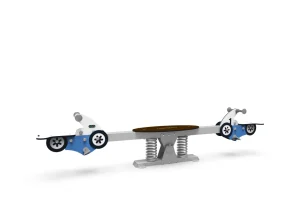
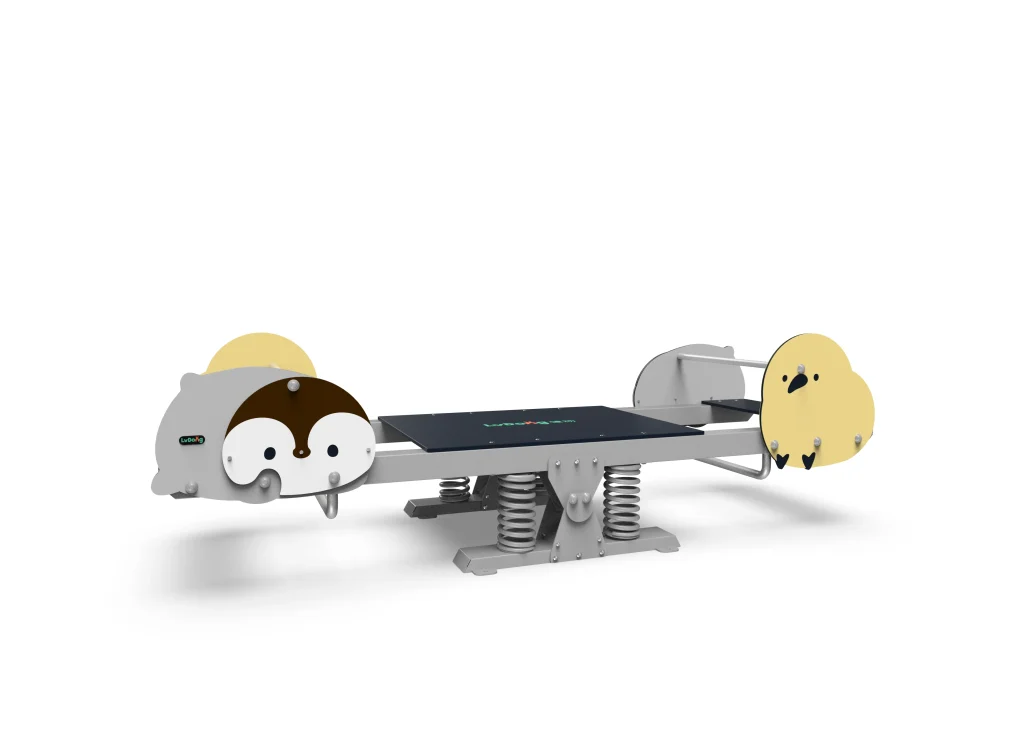
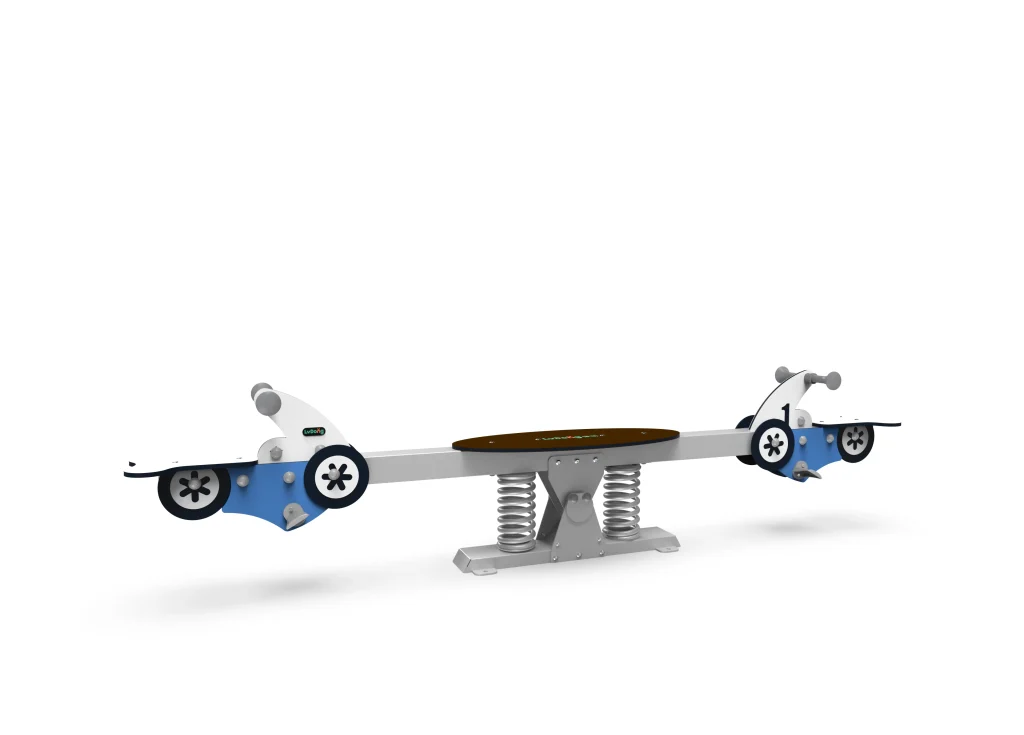
The spinner performs best as part of a movement sequence. Place a low spring rider and a seesaw nearby for younger or mixed-age visitors, and keep a shaded caregiver position close enough for supervision but outside the rotating envelope. Companion equipment can complete a waterfront play zone without competing for the same fall area.
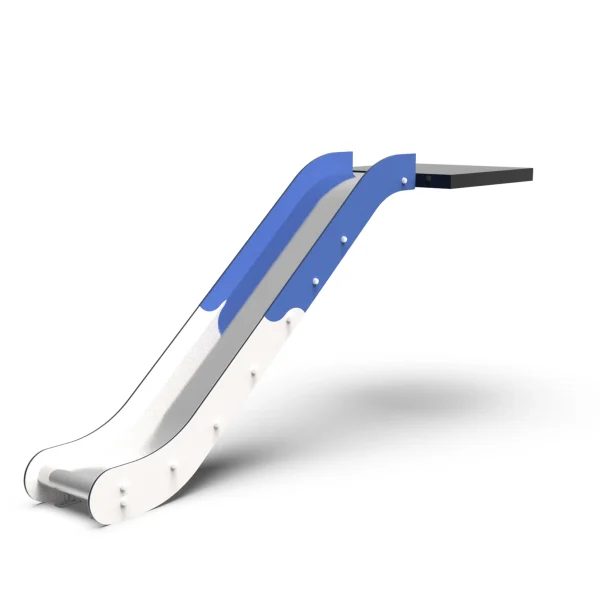
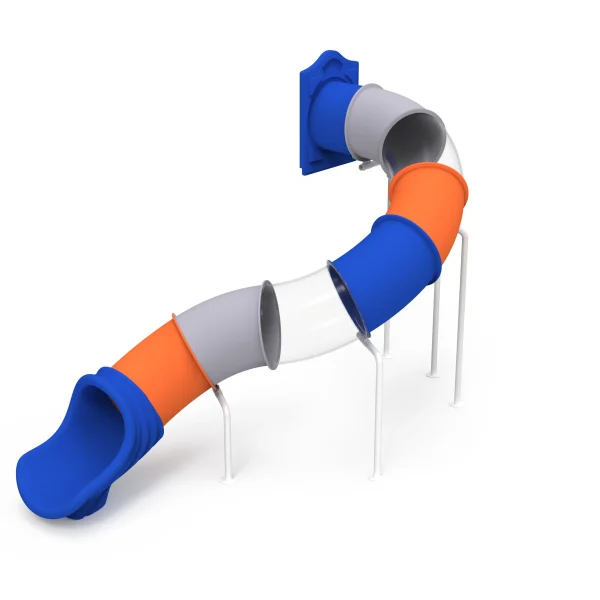
Where the site has more length, a slide can serve as the exit activity after the spinner. A curved slide at the edge of the zone gives children a second high-energy option, and a tunnel slide provides a calmer, enclosed transition. Site planners should leave clear separation between the spinner’s rotation path and the slide runout area.
Specifying a Nautical Spinner for Your Waterfront Project
Send your site dimensions, coastal exposure notes, and target age group to Suzhou LvDong Amusement Equipment Co., Ltd. at [email protected] or WhatsApp +8613915684545. We can confirm the appropriate helm-style spinner configuration, safety zone, surfacing depth, and finish details before you finalize the order.
FAQ
What age group can use the nautical-themed spinner?
The range starts at about 2 years and extends through 6 years or older depending on the selected model. The important step is to confirm the specific model’s age band with the manufacturer, because standing and seated configurations have different balance demands.
How many children can ride at the same time?
Most multi-player configurations support 6 to 10 children per unit. The exact number depends on the platform arrangement and the spacing of the handholds, so the playground plan should reserve enough perimeter space for the full group to enter and exit safely.
Is the helm-style spinner suitable for salt air?
Yes, when the specification is coastal. The spinner family is built for outdoor sun, rain, and high-humidity exposure, but the site should still plan fresh-water rinses and check fasteners and bearing areas more often than an inland installation.
Does the spinner meet public playground safety standards?
The multi-player spinner is aligned with EN 1176 and GB/T 34272-2017. The relevant site requirement is the falling height range of 55 to 77 cm, which must be matched with impact-attenuating surfacing and a clear fall zone.
Can the unit be placed directly on sand?
No. The spinner needs a prepared and level base with anchoring according to the site condition. Sand may be used around the fall zone if it meets the required impact criteria, but the structural base must not rely on loose sand for support.
If you’re interested, check out these related articles:
UV Resistance Testing Protecting Outdoor Playground Spring Riders
School Playground Equipment Zoning for Grade Based Development
Multi Function Playhouse with Slide and Swing Commercial Solutions
Playground Turntable Safety EN1176 vs ASTM Standards Unpacked
Optimal Seasonal Care for Outdoor Metal Swing Sets