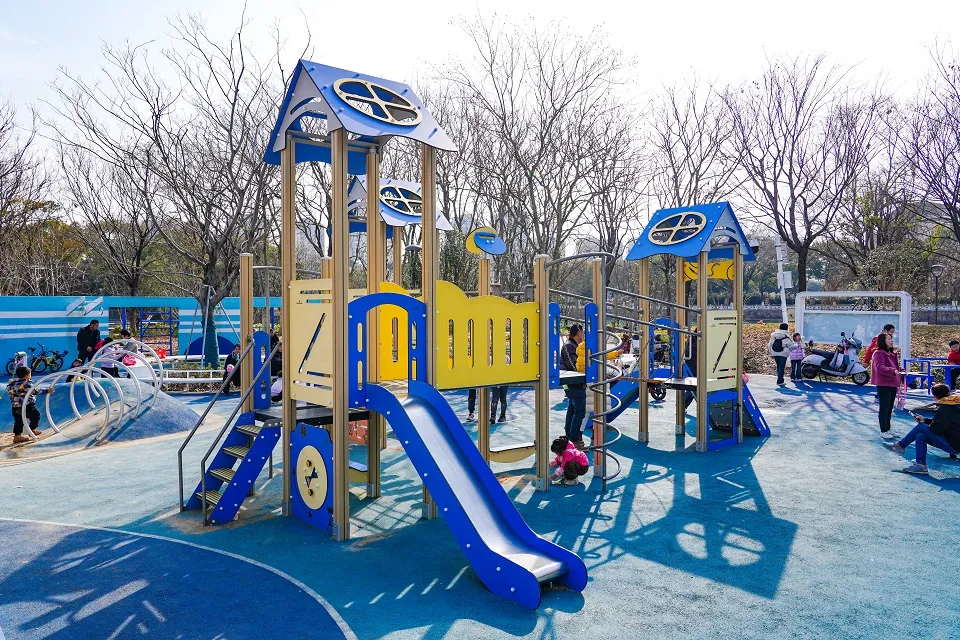
Designing outdoor play equipment for multiple age groups isn’t just about throwing different structures together and hoping for the best. It requires understanding how children actually develop, what genuinely engages them at different stages, and how to keep everyone safe without making the space feel sterile or overly cautious. Getting this balance right means creating environments where a three-year-old exploring textures and a twelve-year-old testing physical limits can both find something meaningful.
How Children Actually Use Play Spaces at Different Ages
The gap between what adults think children need and what children actually seek out in play spaces can be surprisingly wide. A toddler isn’t just “playing” when they repeatedly climb a small step—they’re building neural pathways for balance and spatial reasoning. A nine-year-old hanging upside down from monkey bars is processing risk, building grip strength, and often negotiating social dynamics with peers watching nearby.
| Age Group | Developmental Needs | Recommended Play Activities |
|---|---|---|
| 0-2 years | Sensory exploration, gross motor skills, cause & effect | Soft play, low slides, swings with harnesses, sand & water play |
| 3-5 years | Imagination, balance, coordination, social interaction | Themed structures, climbing, swings, spring riders, sandboxes |
| 6-9 years | Strength, agility, problem-solving, cooperative play | Larger climbing structures, monkey bars, slides, sports areas |
| 10-12 years | Risk assessment, strategic thinking, social challenges | Rope courses, complex climbing walls, multi-sport courts |
How do different age groups benefit from specific outdoor play equipment?
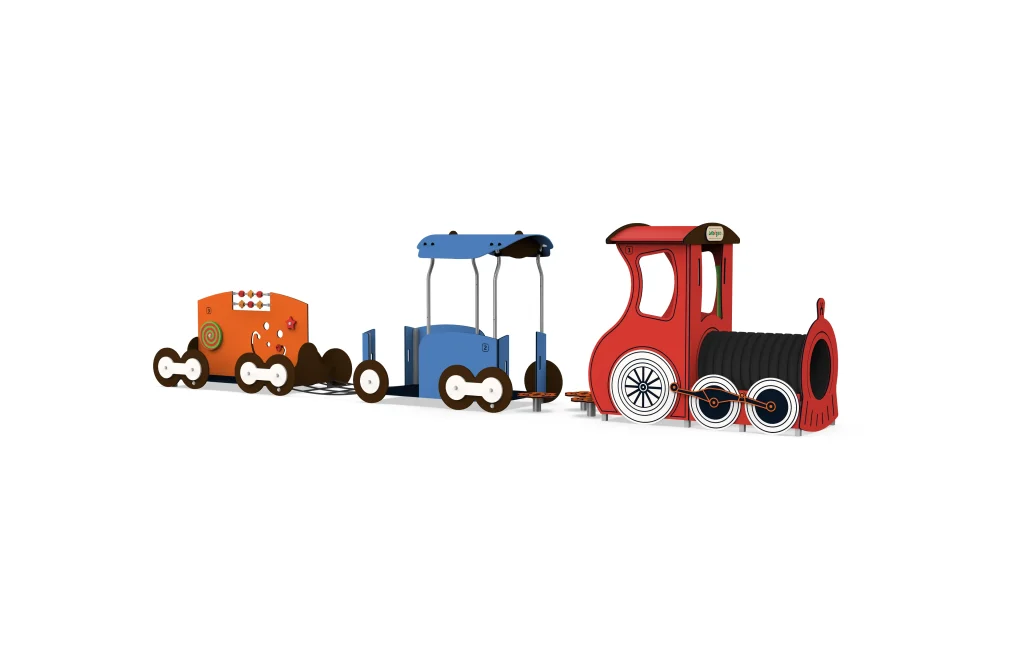
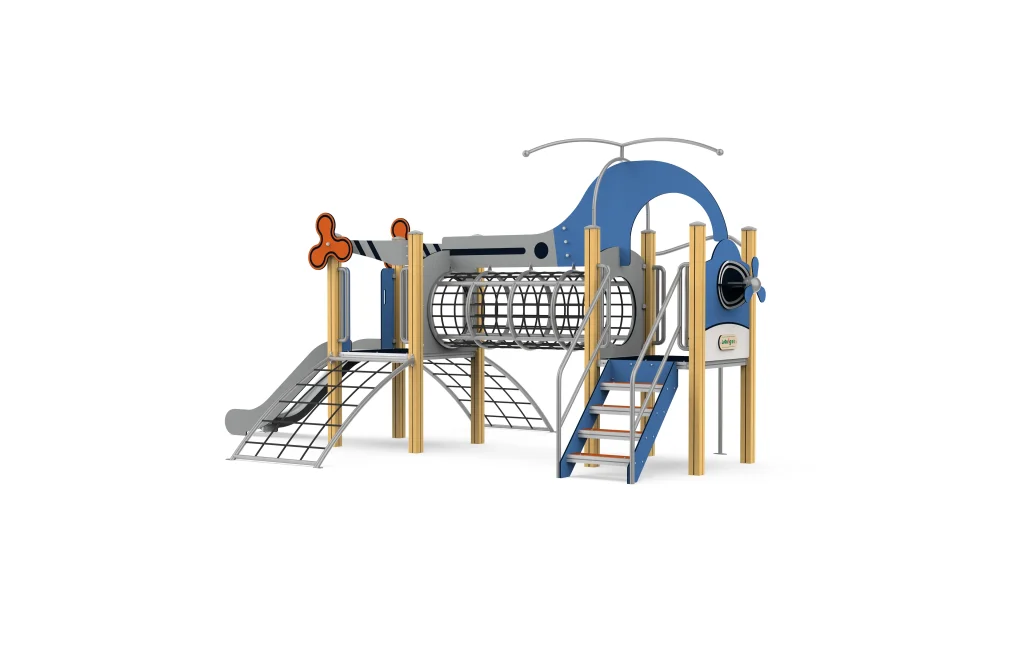
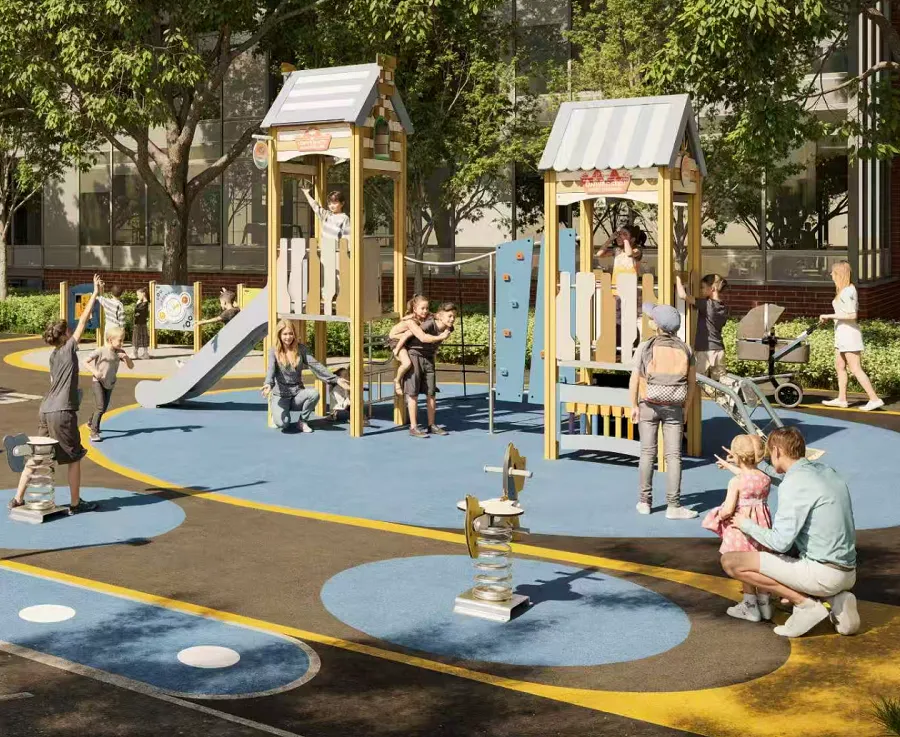
Toddlers gain the most from equipment that lets them explore cause and effect without serious consequences. Low platforms, gentle slopes, and textured surfaces help them develop spatial awareness while soft surfacing catches inevitable tumbles. Preschoolers gravitate toward themed structures where imagination drives the play—a climbing frame becomes a castle, a tunnel becomes a secret passage. School-age children need equipment that actually challenges them physically and mentally. Climbing walls with varied holds, rope structures requiring route-planning, and multi-sport areas give them opportunities to test growing capabilities against real obstacles.
Building Spaces Where Everyone Can Participate
True accessibility in play design goes beyond wheelchair ramps and ground-level activities. It means thinking about children with sensory processing differences, varying strength levels, and different social comfort zones. A well-designed inclusive space offers multiple ways to engage with the same equipment—climbing options at different difficulty levels, quiet corners alongside active zones, and equipment that supports parallel play for children who aren’t ready for direct interaction.
The process starts with understanding who will actually use the space. Site analysis reveals traffic patterns, supervision sightlines, and natural gathering spots. Material selection affects everything from wheelchair accessibility to sensory experience—some surfaces feel overwhelming to children with tactile sensitivities while others provide exactly the input they seek.
We are committed to creating play spaces that serve everyone. To learn more about our comprehensive approach to playground design, you can explore our company’s mission and values.《Why Choose Us》
Keeping Different Age Groups Safe Without Killing the Fun
Safety standards exist for good reason, but implementing them requires judgment. A playground that feels completely risk-free often fails to engage older children, who need appropriate challenges to develop risk assessment skills. The solution lies in age-segregated zones that allow each group to face challenges calibrated to their capabilities.
| Age Group | Key Safety Standards | Maximum Fall Height (Typical) | Critical Surfacing Requirements |
|---|---|---|---|
| 0-2 years | EN 1176-1, ASTM F1487 | 60 cm | Rubber tiles, engineered wood fiber |
| 3-5 years | EN 1176-1, ASTM F1487 | 150 cm | Rubber tiles, engineered wood fiber |
| 6-12 years | EN 1176-1, ASTM F1487 | 250 cm | Rubber tiles, engineered wood fiber |
What are the key safety considerations for age segregated play zones?
Fall heights matter enormously, but they’re not the whole picture. Equipment spacing prevents collisions during active play—children rarely look where they’re going when excitement takes over. Supervision sightlines allow caregivers to monitor multiple children across different zones. Clear signage helps parents direct children to appropriate areas, though determined kids will always find ways to test boundaries. The goal isn’t eliminating all risk but ensuring that consequences match developmental readiness.
Choosing Equipment That Actually Gets Used
A playground full of expensive equipment that sits empty represents a planning failure. Equipment selection should reflect how children actually play, not how adults imagine they should play. This means observing existing play patterns, understanding local demographics, and selecting pieces that encourage both individual exploration and social interaction.
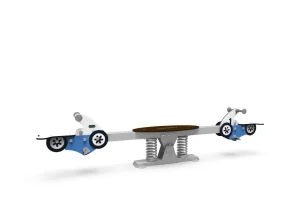
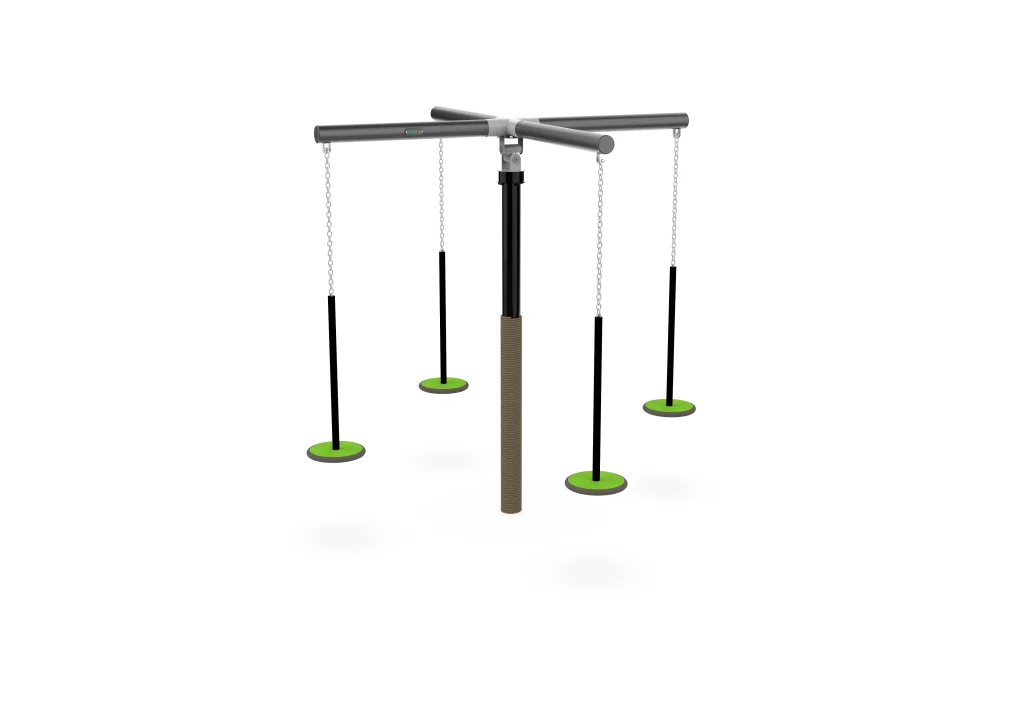
Collaborative equipment like the Multi Player Playground Spinning Wheel creates natural opportunities for children aged 2-6 to negotiate, cooperate, and share. Individual pieces like the Single Player Playground Spinner let children who prefer solo play still engage with the space. The Spring Playground Equipment provides vestibular input that younger children crave, while the Multi Person Playground Seesaw introduces basic physics concepts through cooperative play.
Can outdoor play equipment truly cater to all children from toddlers to teens?
It can, but it requires intentional design rather than wishful thinking. The most successful multi-age playgrounds create distinct zones that feel connected rather than isolated. A central gathering area might serve multiple ages simultaneously, while peripheral zones offer age-specific challenges. Modular systems allow communities to add or modify equipment as demographics shift. The key is designing for actual use patterns rather than theoretical ideals.
Why This Investment Pays Off
Playgrounds that serve narrow age ranges get outgrown quickly. Families with multiple children avoid spaces where only one child can engage meaningfully. Communities that invest in comprehensive age coverage see higher utilization rates, stronger neighborhood connections, and better returns on infrastructure spending.
Over 1,500 completed projects across municipal parks and residential communities have shown consistent patterns: well-designed multi-age spaces become community anchors. They draw families back repeatedly as children grow, creating social bonds that extend beyond the playground itself.
Working with LvDong on Your Next Project
Suzhou LvDong Amusement Equipment Co.,Ltd. brings over a decade of focused experience in unpowered play equipment to every project. Our 10,000+ square meter production facility supports both standard configurations and custom solutions. Whether you’re planning a municipal park renovation or a new community development, we can help you create play environments that serve every age group effectively. Reach out to discuss your specific requirements. WHATSAPP:+8613915684545 | [email protected]
What are the primary benefits of investing in complete age coverage for outdoor play equipment?
Complete age coverage increases total utilization of play spaces, serves families with multiple children more effectively, and extends the useful life of the investment. Communities see stronger engagement when playgrounds remain relevant as children grow rather than becoming spaces kids age out of. Safety improves when children play on equipment matched to their developmental stage rather than gravitating toward challenges designed for older users.
How does Suzhou LvDong Amusement Equipment ensure age appropriate design and safety compliance?
Design decisions incorporate developmental research alongside strict adherence to international standards including ASTM and EN 1176. Our production processes follow standardized quality management protocols, with testing at multiple stages. Equipment specifications account for fall heights, spacing requirements, and surfacing compatibility appropriate to each age group. This systematic approach reduces liability exposure while creating genuinely engaging play experiences.
What types of equipment are essential for achieving complete age coverage in a single play area?
A complete installation typically includes ground-level sensory elements for toddlers, mid-height climbing and imaginative structures for preschoolers, challenging climbing walls and rope elements for school-age children, and sports or fitness components for older kids and teens. Natural play elements like boulders and logs add variety across age groups. Accessible features throughout ensure children with different abilities can participate meaningfully at every developmental stage.