What Installation Supervision Actually Covers
Installation supervision is not the same as installation labor. It is a technical oversight service: a factory-trained engineer checks that the equipment is anchored, leveled, aligned, and commissioned according to the approved design. The work usually breaks into four areas.
- Site readiness check — foundation dimensions, anchor position, drainage, utility clearance, and surfacing base condition.
- Assembly verification — connection sequence, torque settings, leveling, protective caps, and moving-part clearances.
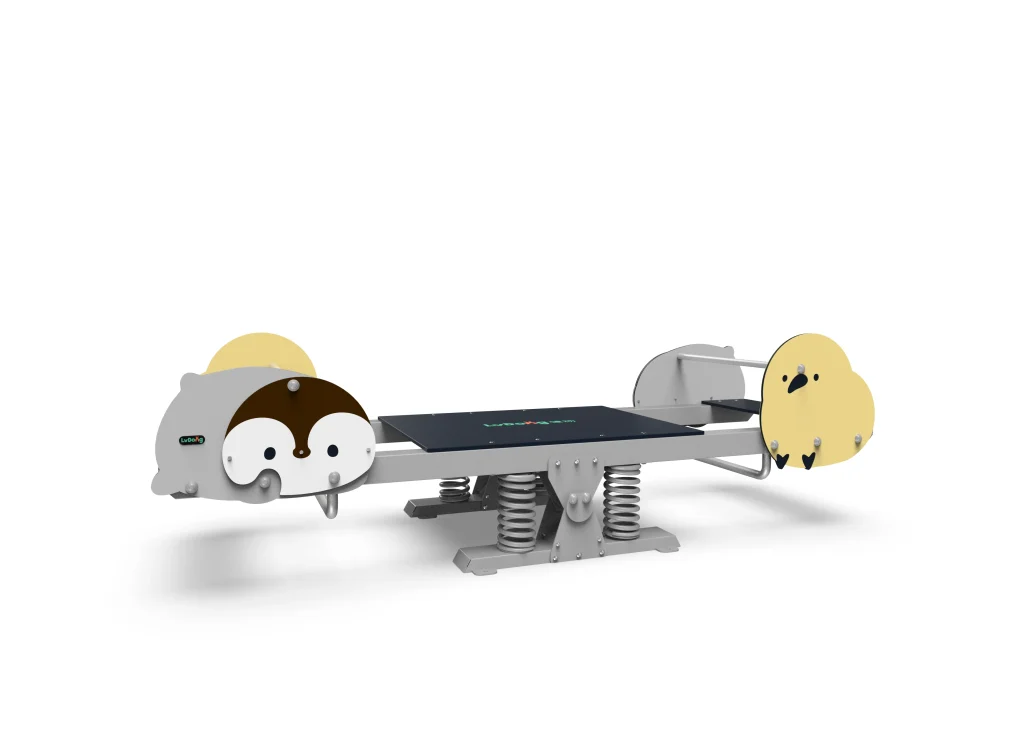
- Dynamic and safety testing — springs, spinners, seesaws, and swings under load, plus fall-zone and surfacing transition checks.
- Handover — maintenance log, inspection schedule, and a briefing for the operator or facility team.
EN 1176-7 advises that installation, inspection, maintenance, and operation be carried out in accordance with the manufacturer’s instructions [1]. The supervision fee is the line item that turns that advice from a manual note into an accountable on-site sign-off.
For many projects, local labor can handle most of the physical work. The supervisor’s real value is narrowing the job to critical-path checks, catching errors while they are still cheap to fix, and leaving behind a documented handover.
When an On-Site Technician Is Worth It
The decision should come from project risk, not habit. A flown-in supervisor is easier to justify when the cost of a failed inspection, a delayed opening, or a safety defect is higher than the travel expense.
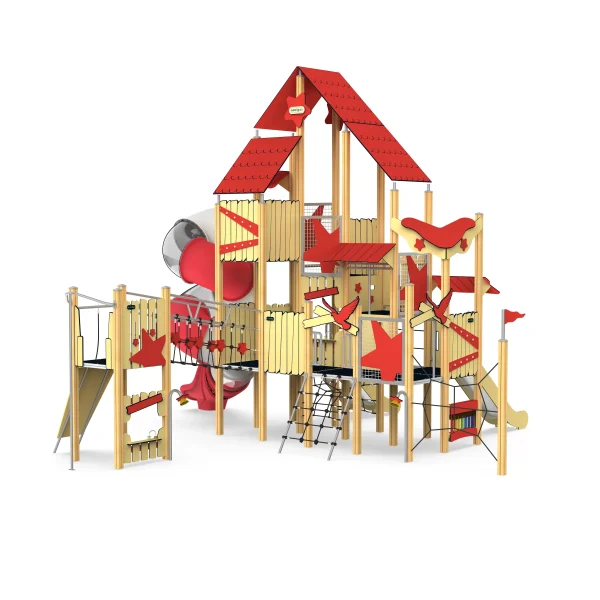
- Complex or multi-level assemblies — deck systems, curved tunnel slides, rope-net transitions, and combined play structures have more hidden failure points.
- Interactive or electronic features — sensors, sound panels, lighting, and controllers need commissioning checks beyond standard mechanical verification.
- Inexperienced local crew — if the installer has not handled commercial playground equipment before, supervision can prevent sequencing mistakes.
- Public-sector acceptance — municipal projects often require documented inspection by competent personnel under standards such as EN 1176 or ASTM F1487 [2].
- Remote or difficult-to-return sites — islands, mountain resorts, desert properties, and fenced project areas make a second corrective visit more expensive than the first.
- Custom or high-value orders — minor errors in custom parts can halt the entire installation until replacements arrive.
For public playgrounds, recurring documented inspection is a recognized expectation in safety guidance such as the CPSC Public Playground Safety Handbook [2]. On-site supervision creates the first credible record in that chain.
When Remote Support Is Enough
Not every order needs a technician on a plane. Many projects can be supervised effectively by video call, photo review, and a disciplined checklist if the conditions are right.
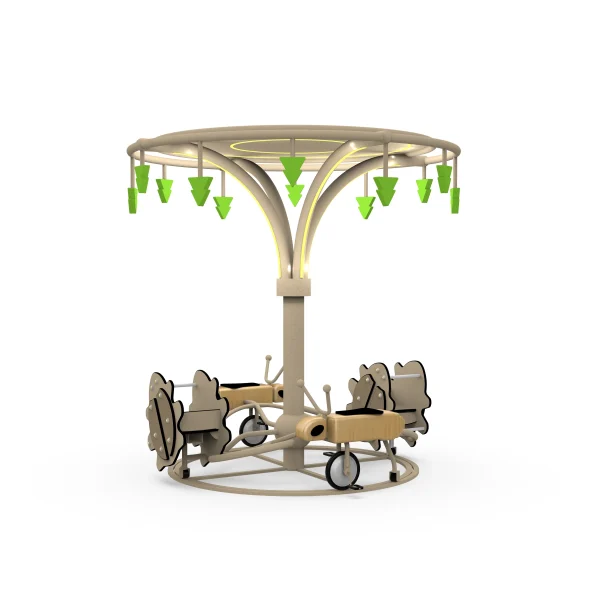
- Simple equipment — single spring riders, ground-level panels, small slides, and compact swing sets with clear manuals.
- Experienced local subcontractor — a team with verifiable commercial or community playground installation experience.
- Repeat buyer — a client already familiar with the product range and assembly sequence.
- Easy comeback window — the site is close to a service route, so a correction visit would not be costly.
- Strong documentation — 3D layout files, detailed photos, torque charts, and a supervisor available for live escalation.
Remote support can also work as a first stage: the factory reviews photos before concrete is poured, then after anchors are set, then before children use the equipment. The on-site visit is booked only if a specific check cannot be confirmed remotely.
What Drives the Supervision Fee
A transparent supervision quote separates travel cost from technical service. That matters because when weather, customs, or site delays change the schedule, the buyer should know which parts of the quote change with it.
| Fee item | What it should cover | Common red flag |
|---|---|---|
| Airfare and transfers | Round-trip transport and airport transfers aligned to the work plan | “Travel at cost” with no cap or booking rule |
| Accommodation and per diem | Reasonable hotel nights and daily allowance tied to working days | Open-ended per-night cost with no ceiling |
| Daily supervision rate | Site instruction, verification, and handover work | Rate charged without a defined daily scope |
| Visa, insurance, and medical | Work-travel documentation and basic accident cover | Excluded from the quote, then added later |
| Tools and small consumables | Torque wrench, level, gauges, and minor touch-up material | Quoted again as a separate “site tools” charge |
| Report and sign-off | Punch list, torque record, and handover checklist | Added as a separate post-arrival charge |
On cross-border contracts, installation risk often splits across the buyer, freight forwarder, local builder, and equipment supplier. The supervision fee should cover technical oversight only; it should not silently absorb missing civil work or local logistics. When the contract separates freight, customs, and installation across parties, scope gaps are the hidden cost driver.
When the contract splits freight, customs, and installation across parties, scope gaps are the hidden cost driver. <International Playground Equipment Procurement A Step by Step Guide> covers the cross-border handoff points where buyers often lose control of installation quality.
How to Audit a Supervision Quote Without Overpaying
The most effective way to control a supervision fee is to reduce what must be discovered on site. A supplier that inspects welds, torque points, and packaging before dispatch leaves fewer unknowns for the traveling technician.
A pre-dispatch inspection narrows the on-site scope to installation-critical checks and protects the supervision budget. <Factory Visit Checklist Playground Equipment Supplier Evaluation> covers the inspection points to verify before equipment leaves the factory.
When reviewing a quote, ask for these items in writing:
- A fixed scope of work with arrival date, planned working days, and escalation process.
- The daily rate separated from travel and accommodation so schedule changes do not trigger uncontrolled charges.
- The cost of a waiting day if the site is not ready.
- The remobilization fee if the technician leaves and must return.
- Photo or video acceptance points that can replace parts of the physical visit.
- A punch-list template and a clear final sign-off condition.
Need a fixed-scope supervision quote? Send your site drawings, equipment list, and local installer capability summary to [email protected] or WhatsApp +8613915684545. Ask for a line-item supervision proposal rather than a rounded travel estimate.
How Lvdong Approaches Installation Support
As Suzhou LvDong Amusement Equipment Co., Ltd., we treat installation supervision as part of a controlled handover, not as a travel add-on. Our equipment is produced under a standardized quality management system audited to ISO 9001:2015 [4], and core products are verified against EN 1176 and GB/T 34272-2017 [1][3]. That baseline means the supervising technician does not spend time repeating what the factory already inspected.
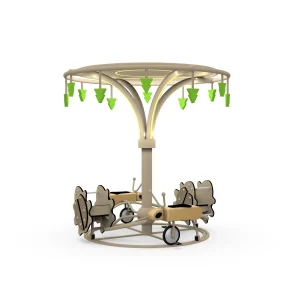
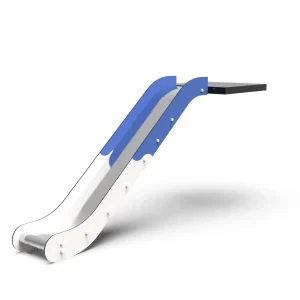
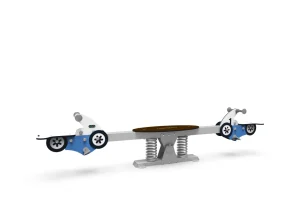
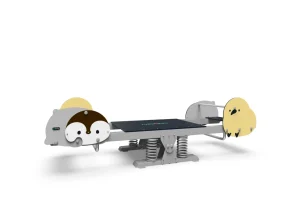
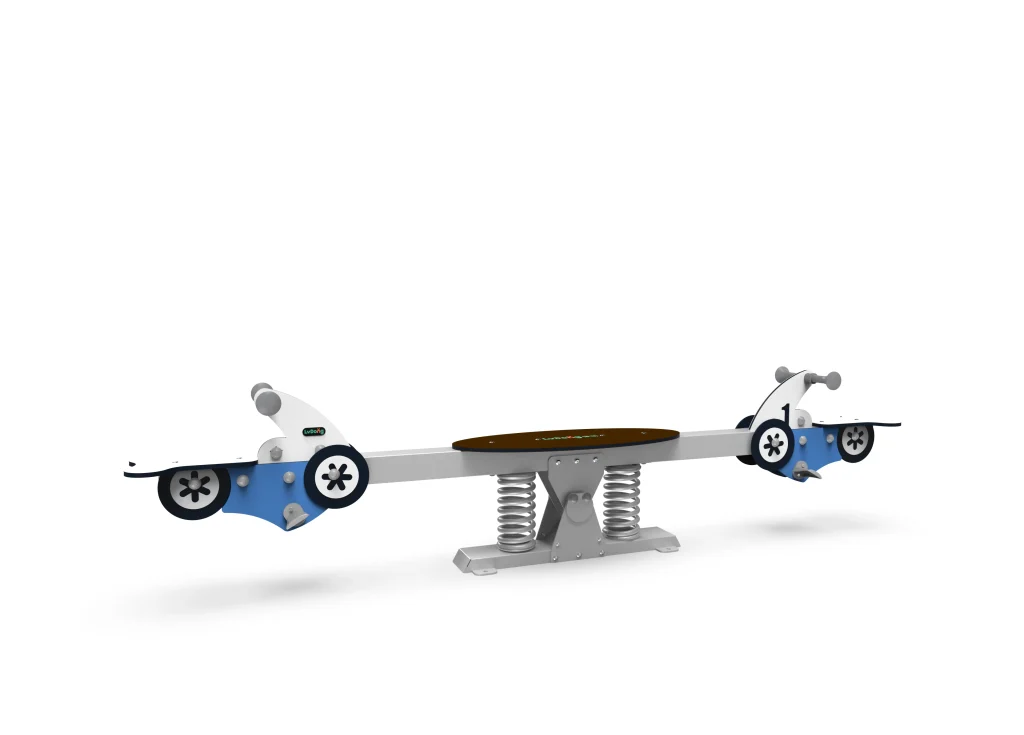
For complex items such as multi-player spinners, seesaws, and curved slides, our pre-dispatch preparation includes assembly check notes, anchor spacing references, and photo-recorded critical connections. The site visit then focuses on installation criticality: foundation alignment, torque verification, fall-zone clearance, and dynamic load behavior.
After the supervisor leaves, the owner still needs a routine inspection process. Post-installation acceptance is the first check, not the last one.
Post-installation acceptance is only the first check; recurring self-inspection catches loosening bolts and surfacing shifts before they become hazards. <Playground Equipment Safety Your Essential Self Inspection Checklist> covers the routine checks that protect the supervisor’s sign-off months after handover.
Contact Lvdong for a Fixed-Scope Supervision Proposal
Send the following four items to get a bound supervision scope instead of an open-ended travel quote:
- Equipment list with item quantities and site layout.
- Foundation and surfacing details, including any civil work already completed.
- Local installer experience summary or subcontractor scope.
- Target handover date and required inspection standard.
Contact [email protected] or WhatsApp +8613915684545 with the subject line “Installation supervision scope.” Include the site city and preferred visit window so the proposal can separate airfare, accommodation, daily rate, and handover documentation.
FAQ
Do I always need a factory technician on site?
Not for every order. Simple equipment with an experienced local crew can often be handled through remote photo checks. Complex structures, public acceptance requirements, and difficult-to-return sites are stronger reasons to fly in a technician.
Can I avoid supervision fees by hiring a local installer?
Sometimes. A local installer may handle the physical work, but you still need a clear inspection and handover record. The supervision fee is often smaller than the cost of rework, delayed opening, or a failed third-party inspection.
What should a fair supervision fee include?
A clear quote should include round-trip airfare, reasonable accommodation, the daily supervision rate, visa or insurance costs if needed, small site tools, and the final sign-off report. Each cost category should be listed separately.
How do I know if a supervision quote is padded?
Look for open-ended travel charges, daily rates without a defined scope, waiting-day fees that are unclear, and report or tools charges added after arrival. A fixed-scope proposal with separated line items is easier to compare and challenge.
References
[1] CEN. EN 1176-7:2008. Playground equipment and surfacing — Part 7: Guidance on installation, inspection, maintenance and operation.
[2] U.S. Consumer Product Safety Commission. Public Playground Safety Handbook. Publication No. 325.
[3] Standardization Administration of China. GB/T 34272-2017. Chinese national standard for playground equipment safety.
[4] International Organization for Standardization. ISO 9001:2015. Quality management systems — Requirements.
If you’re interested, check out these related articles:
Buying Playground Spinners Pricing Discounts and Supplier Insights
Small Space Solutions for Restaurant Childrens Play Areas
Stand and Spin Equipment Essential Maintenance Safety Guide