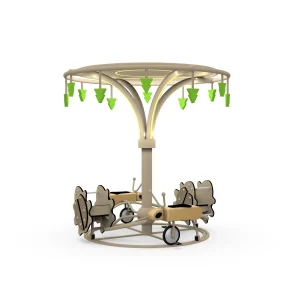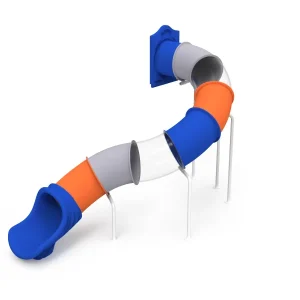
Playground equipment imported from China generally attracts import duty at the border, but the payment does not have to follow the same day the container clears customs. Bonded warehouse storage lets an importer move slides, spinners, seesaws, and spring riders into customs-controlled space first and pay duty only when the goods enter free circulation — typically when they sell. For distributors who hold stock during municipal tender cycles, school budget seasons, or multi-stop distribution, that deferral shifts duty from an arrival cost into a sale cost.
What a Bonded Warehouse Actually Does
A bonded warehouse is a storage facility authorized and supervised by customs for goods on which import duty, value-added tax, and equivalent charges have not yet been paid. Goods inside remain under customs control, and the obligation to pay duty is suspended while they stay there. The deferral is a postponement, not an exemption: duty becomes due when the goods are later released to the domestic market.
The mechanism is recognized across major customs systems. In the European Union, it operates as the customs warehousing procedure under the Union Customs Code, Regulation (EU) No 952/2013 [1], which suspends import duty on non-Union goods. The World Customs Organization sets the broader international framework in the Revised Kyoto Convention, Specific Annex D, Chapter 1 [2]. In the United States, bonded warehouses are authorized under 19 U.S.C. 1555 and administered through Customs and Border Protection rules in 19 CFR Part 19 [3].
How Duty Deferral Changes Import Cash Flow
An imported container of commercial playground equipment carries factory pricing, ocean freight, insurance, local charges, certification support, and import duty. Under standard clearance, that duty is payable when the declaration is accepted. If the equipment then waits for a signed contract, deferral effectively lets the importer hold the stock without financing the duty during the wait.
The advantage is clearest for projects with long decision cycles. A community park purchase approved in April may not pay until the municipal budget closes months later. Rather than paying duty in April and carrying the cost as idle capital, the importer can keep the equipment bonded, release it in line with the payment schedule, and pay duty on each released portion [1]. Freight and site-preparation budgets stay intact, and the customs charge tracks revenue instead of arrival dates [4].
Imported playground equipment carries layered costs long before installation. <Playground Equipment Quotes Spotting Hidden Costs Explained> covers how to read line items so duty, freight, and certification charges never arrive as surprises.
Bonded Warehouse Options for Playground Equipment Importers
Importers generally choose among three structures, and the right one depends on volume, geography, and whether goods will be split among buyers.
| Warehouse type | Who operates it | Typical playground importer fit |
|---|---|---|
| Public bonded warehouse | Licensed third-party operator | Small and mid-size importers entering a market or testing demand |
| Private bonded warehouse | The importer for its own goods | High-volume distributors with steady stock rotation |
| Free zone warehouse | Zone authority or licensed operator | Importers re-exporting to neighboring countries or regional hubs |
Public facilities are the most common starting point for playground importers because they require no ownership of warehouse infrastructure and offer short-term flexibility [2]. Private facilities make sense once throughput and records justify the investment. Free zones add value when equipment will be redirected across borders, as goods can remain outside the destination country’s duty regime until a specific market is chosen.
Playground Equipment HS Codes and Why Classification Comes First
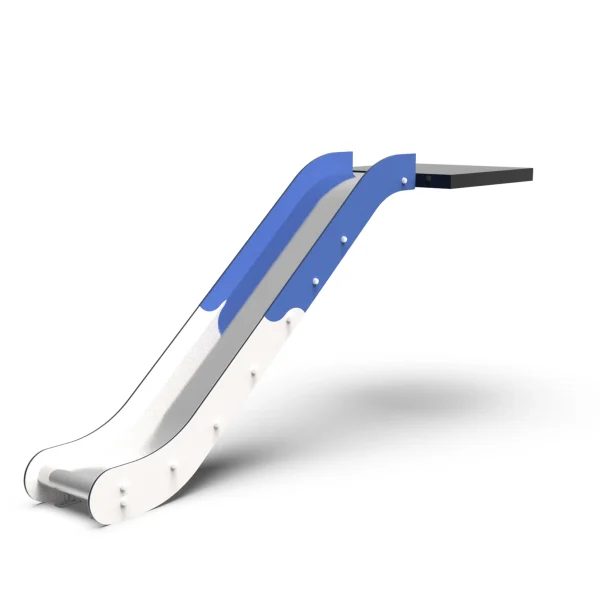
Duty deferral depends on correct classification at entry. Most outdoor playground equipment falls under Harmonized System heading 9506, which covers articles and equipment for gymnastics, athletics, outdoor play, and similar physical recreation, including swings, slides, climbing structures, seesaws, and spinning equipment [5]. Within the heading, subheadings distinguish specific products, and duty rates vary by destination country.
Classification errors undermine the warehouse strategy. If customs reclassifies goods at withdrawal, the correction can trigger additional duty, interest, and potential penalties, which absorbs much of the deferral benefit [6]. Importers should confirm the exact 10-digit code with their customs broker before filing the bonded entry, using the manufacturer’s packing list, material breakdown, and product function data rather than a generic “playground equipment” description.
Rules and Conditions Importers Must Meet
Bonded status is conditional. Customs authorities require at least three things: authorization for the warehouse or procedure, a guarantee or security covering deferred duty, and stock records accurate enough to reconcile entries and withdrawals [1][2].
Time limits and supervision differ by jurisdiction. Under the Union Customs Code, goods may generally remain under customs warehousing without a fixed maximum period, subject to the terms of the authorization [1]. The U.S. framework generally permits bonded storage with time limits set administratively, commonly up to five years with the possibility of extension [3]. In both systems, customs may inspect records, containers, and the warehouse itself, so documentation discipline is part of the operating cost.
Playground equipment has an extra layer: the physical product must remain intact and identifiable while stored. Serial numbers, batch marks, or model codes should match the entry documents so a partial release never raises a discrepancy.
Withdrawing Goods for Sale: How Partial Release Works
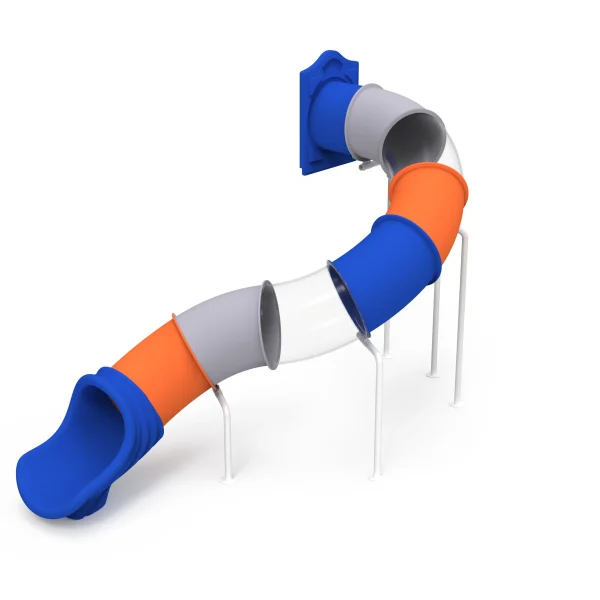
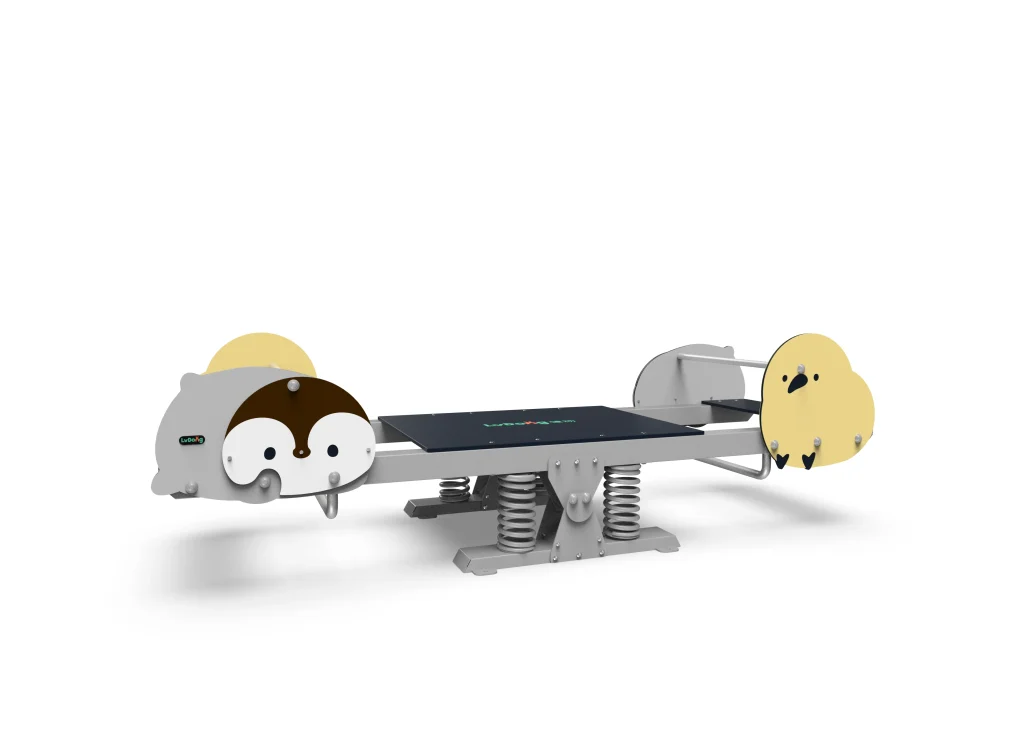
One of the most useful features of bonding is that it supports partial withdrawal. An importer does not have to release the entire container at once. When a portion — say, two Playground Slide Manufacturer OEM units and a set of Playground Seesaw Manufacturer OEM units — is sold, a declaration for free circulation covers only that portion, and duty is paid only on that portion [1].
Each release needs a customs declaration, commercial invoice, packing details, and the documentation identifying the goods within the bonded inventory. Where the equipment was manufactured in China, origin documentation may also support the applicable preferential or standard duty route. Because every release creates a customs event, brokers typically set up a repeating documentation package so repeat withdrawals move quickly.
Planning a deferred-duty entry is easier when the supplier’s commercial documents match your customs broker’s data requirements. If your next order needs bonded-storage planning, email [email protected] or message WhatsApp +8613915684545 with the destination port, product list, and expected sales timeline — the equipment team will return a duty-and-shipment plan built around your withdrawal schedule.
Costs, Limits, and a Simple Decision Framework
Bonded warehouses are not free space. Operators charge storage and handling, and customs may require the guarantee, supervision, or filing work. Typical cost categories include warehouse rent or pallet storage, per-entry and per-withdrawal handling, insurance, and the administrative overhead of bonded records [2][3].
Once deferral is confirmed, buying strategy still shapes landed cost. <Buying Playground Spinners Pricing Discounts and Supplier Insights> covers how volume tiers and supplier terms change unit economics before a container ships.
The decision framework is therefore a comparison between deferral value and carrying cost. A short checklist:
| Situation | Bonded storage makes sense |
|---|---|
| Stock normally held longer than three months before sale | Yes — deferral typically outweighs administrative cost |
| Fast-turn installation orders | No — direct clearance is simpler and cheaper |
| Multiple buyers or markets from one hub | Yes — partial withdrawal per sale and per market |
| Single final buyer with a fixed short delivery date | No — release at entry usually costs less |
For importers with mixed orders, the answer may be partial: bond slow-moving units while clearing fast-moving ones directly. The goal is to match every duty payment to an actual sale or installation event.
Storage decisions and warranty terms both protect long-term value. <Playground Equipment Warranty Comparison 1 3 or 5 Years> covers the coverage windows that matter when equipment waits in storage before installation.
Plan Your Deferred-Duty Import With the Equipment Team
Suzhou LvDong Amusement Equipment Co., Ltd. supports importers with the Chinese-export documents, product data, and EN 1176 records that a bonded entry requires. To build a deferral plan for your specific order, tell us:
- Destination country and port, so we confirm which bonded procedures apply
- Product list and quantities, so packing and HS-related data match your broker’s filing
- Expected sales or installation timeline, so withdrawals track real revenue
- Any existing customs broker requirements, so documents match their system
Contact the equipment team on WhatsApp at +8613915684545 or email [email protected] for a duty-and-shipment plan built around your withdrawal schedule.
Frequently Asked Questions
How long can playground equipment stay in a bonded warehouse?
Under the Union Customs Code, goods may generally remain under customs warehousing without a fixed maximum period, subject to the authorization [1]. The U.S. system commonly allows up to five years, with extensions possible [3]. In practice, storage fees and recordkeeping costs usually set the real limit.
Is bonded warehouse storage the same as duty-free entry?
No. Bonding defers duty; it does not remove it. Goods entering free circulation still pay the applicable rate unless a separate exemption or preference applies [1].
Can I sell or install directly from a bonded warehouse?
Sale is possible while goods are bonded, but installation or transfer to a customer inside the country generally requires release for free circulation and payment of duty first. Re-export from bonded status may avoid local duty depending on the rules of the warehouse regime [2][6].
Does bonded storage affect EN 1176 certification for playground equipment?
No. Certification is a product-safety conformity matter; bonding is a customs-status matter. Equipment certified under EN 1176-1 retains conformity regardless of where or how it is stored [7]. Importers should keep test reports and declaration-of-conformity documents accessible, because release procedures and project acceptance may both require them.
Which playground equipment orders benefit most from deferral?
Orders held for tenders, season-bound municipal budgets, multi-market distribution, and replacement-stock programs tend to benefit most. Fast-turn installation orders usually do not.
What happens if the equipment is never sold?
Goods can typically be re-exported under the warehouse regime, transferred to another approved warehouse, or destroyed under customs supervision, subject to the rules of the applying customs authority [1][2]. Duty generally attaches only when goods enter free circulation.
References
[1] European Parliament and Council, Regulation (EU) No 952/2013 laying down the Union Customs Code, Official Journal of the European Union, L 269, Oct. 10, 2013.
[2] World Customs Organization, Revised Kyoto Convention, Specific Annex D, Chapter 1: Customs Warehouses, Brussels.
[3] U.S. Customs and Border Protection, “Bonded Warehouses,” 19 CFR Part 19; 19 U.S.C. 1555.
[4] International Chamber of Commerce, Incoterms 2020, ICC Publication No. 723E.
[5] World Customs Organization, Harmonized System Nomenclature, Heading 9506: Articles and equipment for general physical exercise, gymnastics, athletics, other sports or outdoor games.
[6] European Commission, Taxation and Customs Union, “Customs Warehousing,” customs procedure guidance.
[7] European Committee for Standardization, EN 1176-1:2017, Playground equipment and surfacing — Part 1: General safety requirements and test methods.
If you’re interested, check out these related articles:
Playground Equipment Quotes Spotting Hidden Costs Explained
8 Essential Certifications for Playground Equipment Manufacturers