Playground certifications exist because children get hurt, and the consequences fall on everyone involved. Equipment that looks sturdy can fail in ways that aren’t obvious until something goes wrong. The certification process catches these problems before installation, testing for structural weaknesses, material degradation, and design flaws that create entrapment hazards. For manufacturers, these certifications represent thousands of hours of testing and documentation. For buyers, they’re the clearest signal that equipment will perform safely under real-world conditions.
What Global Playground Safety Standards Actually Require
Global playground safety standards specify measurable requirements for equipment design, manufacturing tolerances, installation procedures, and ongoing maintenance protocols. These standards emerged from decades of injury data and engineering research, with expert committees updating requirements as new hazards are identified.
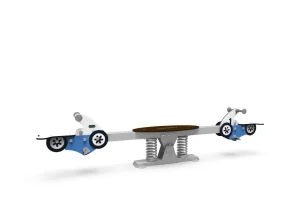
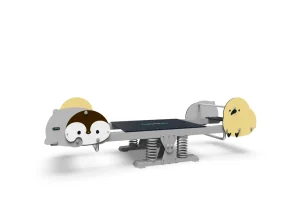
The standards address specific failure modes. Fall height calculations determine required surfacing depth. Entrapment specifications prevent children from getting heads or limbs stuck in openings. Structural load requirements ensure equipment handles the dynamic forces of multiple children playing simultaneously. Suzhou LvDong Amusement Equipment Co., Ltd. builds these requirements into initial design phases rather than retrofitting compliance later. This approach applies across their product range, from multi-player spinning wheels to spring riders.
| Standard | Region/Country | Focus Areas |
|---|---|---|
| ASTM F1487 | USA | Public playground equipment safety performance |
| EN 1176 | Europe | Playground equipment and surfacing safety |
| CSA Z614 | Canada | Children’s play spaces and equipment |
| GB/T 34272-2017 | China | Unpowered amusement equipment safety |
Product Certifications That Verify Equipment Won’t Fail
Product certifications subject equipment to destructive testing that simulates years of use in compressed timeframes. EN 1176 requires European playground equipment to pass specific tests for structural integrity, surface finishing, and dimensional accuracy of openings. ASTM F1487 establishes similar benchmarks for the American market, with particular attention to impact attenuation and protrusion hazards.
These certifications matter because playground equipment experiences loading conditions that differ from typical structural applications. Children jump, swing, and climb in unpredictable patterns. They hang from components not designed as handholds. Certified equipment accounts for these behaviors through safety factors built into material specifications and connection details. Suzhou LvDong Amusement Equipment Co., Ltd. maintains compliance with EN 1176 and GB/T 34272-2017 across their seesaw and spinning equipment lines.
What are the essential safety certifications for playground equipment?
ASTM F1487 covers the United States market, EN 1176 applies throughout Europe, and CSA Z614 governs Canadian installations. Each certification addresses structural integrity, material safety, and impact absorption through specific test protocols. GB/T 34272-2017 is mandatory for equipment sold in China. These certifications verify that playground equipment meets the minimum safety thresholds established by regulatory bodies in each jurisdiction.
System Certifications Show How Manufacturers Actually Operate
Individual product tests confirm that a specific unit passed inspection. System certifications reveal whether the manufacturer can produce that same quality consistently. ISO 9001 certification requires documented procedures for every production step, from incoming material inspection through final assembly and shipping.
The practical difference shows up in batch-to-batch consistency. A manufacturer might produce one excellent prototype for certification testing, then cut corners on production units. System certifications prevent this by requiring process controls that apply to every unit. TUV certification adds independent verification through unannounced factory inspections. Suzhou LvDong Amusement Equipment Co., Ltd. operates under standardized quality management protocols that ensure production units match certified specifications.
Specialized Certifications for Surfacing and Components
Playground safety extends beyond the equipment itself. IPEMA certification specifically addresses surfacing materials, verifying that rubber tiles, poured-in-place surfaces, and engineered wood fiber meet ASTM impact attenuation requirements. The testing measures how effectively surfacing absorbs fall energy at specified drop heights.
CE marking indicates conformity with European directives covering health, safety, and environmental protection. HIC surfacing certification quantifies head injury risk through standardized drop tests that measure peak deceleration forces. Fire safety certifications verify that materials won’t accelerate flame spread. Each specialized certification addresses a specific failure mode that could result in injury.
How Certification Testing Predicts Long-Term Performance
Certification testing includes accelerated aging protocols that simulate years of environmental exposure in weeks. UV exposure tests reveal how quickly plastics will degrade and become brittle. Corrosion testing shows whether metal components will maintain structural integrity after seasons of rain and humidity. Cyclic loading tests determine how many use cycles equipment can withstand before fatigue failure.
This testing directly predicts maintenance requirements and replacement timelines. Equipment that barely passes certification will likely need earlier replacement than equipment that exceeds requirements by significant margins. A certified Playground Spinner Manufacturer OEM or Playground Seesaw Manufacturer OEM provides test data that helps buyers estimate total cost of ownership, not just purchase price.
Why Commercial Installations Demand Certified Equipment
Public and commercial playgrounds face liability exposure that residential installations don’t. When injuries occur on certified equipment that was properly installed and maintained, operators have documentation demonstrating due diligence. When injuries occur on uncertified equipment, operators face much harder questions about why they chose to install equipment that hadn’t been independently verified.
Insurance underwriters recognize this distinction. Certified equipment typically qualifies for lower premiums because the actuarial data shows fewer claims. Suzhou LvDong Amusement Equipment Co., Ltd. has completed over 1,500 projects in municipal parks, residential communities, and cultural tourism destinations. This installation history demonstrates that certified equipment performs reliably across diverse operating conditions.
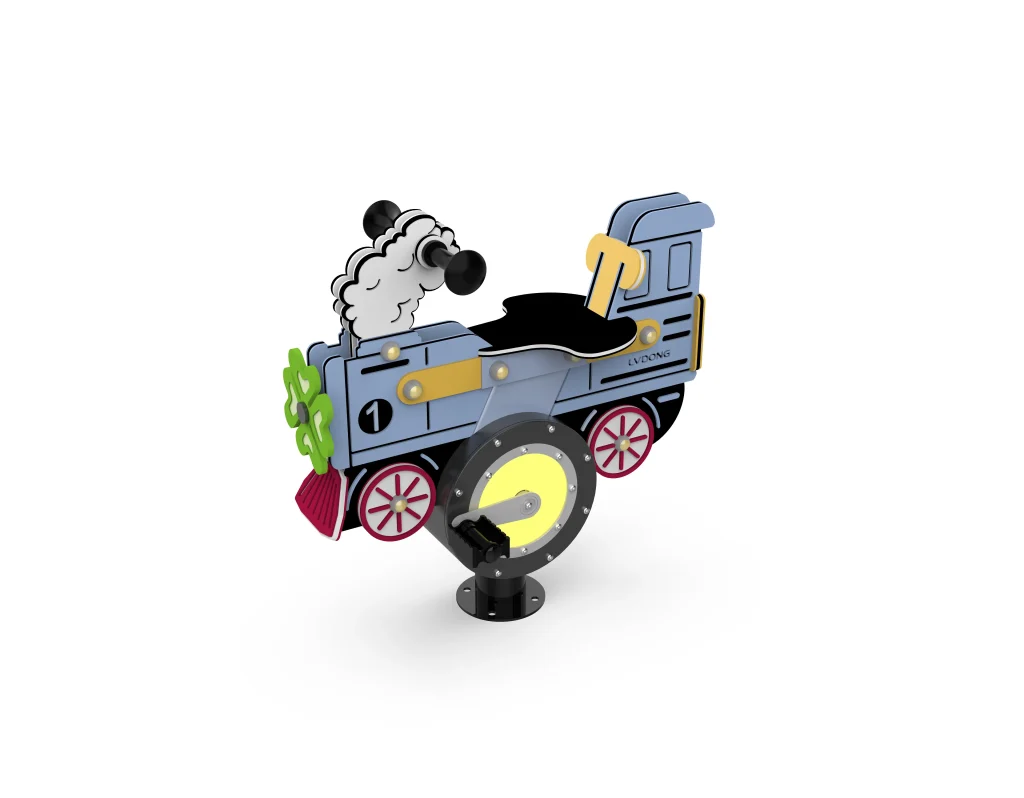
For guidance on arranging equipment within available space, consider reading 《Outdoor Playground Set Layout Strategic Design for Optimal Play》.
Partner with LvDong for Certified Play Solutions
Ensure your next playground project meets the highest global safety and quality standards. Partner with Suzhou LvDong Amusement Equipment Co., Ltd., a leader in premium unpowered amusement solutions with over a decade of proven expertise and a rigorous quality management system. Contact us today for a consultation and discover how our certified equipment can bring safe, innovative, and durable play experiences to your community. WHATSAPP:+8613915684545 | [email protected]
Frequently Asked Questions About Playground Equipment Certifications
What are the legal requirements for playground equipment in my region?
Requirements vary by jurisdiction, but most regions mandate compliance with national standards. The United States generally requires ASTM F1487 compliance for public playgrounds. European Union member states require EN 1176 conformity. Canada follows CSA Z614. Local building codes may impose additional requirements beyond national standards. Working with manufacturers who understand these frameworks prevents costly compliance failures after installation.
How can I verify a manufacturer’s certifications for authenticity?
Request official certificate copies directly from the manufacturer, then verify them independently. ASTM, TUV, ISO, and IPEMA maintain databases or contact points for certificate verification. Legitimate certificates include identification numbers, validity dates, and scope descriptions. Any manufacturer reluctant to provide documentation or assist with verification should raise concerns about whether their certifications are current and applicable to the specific products you’re purchasing.
What is the difference between product certification and system certification for playground equipment?
Product certification confirms that a specific equipment design passed safety and performance tests. System certification confirms that the manufacturer follows documented procedures for consistent quality across all production. Both matter. Product certification without system certification means you’re trusting that your unit matches the tested prototype. System certification without product certification means the manufacturer has good processes but hasn’t verified their designs meet safety standards. The strongest assurance comes from manufacturers holding both.