Why Landlocked Freight Is Different for Play Equipment
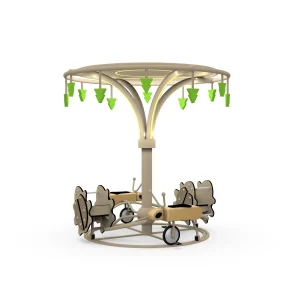
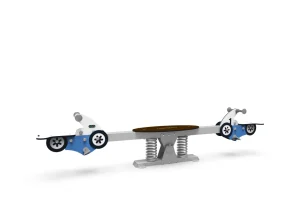
Importing bulky unpowered playground equipment into a landlocked country shifts the project risk from the ocean voyage to the inland corridor. Slides, multi-player spinners, spring riders, seesaws, and activity panels are volumetric rather than dense: one 40-foot high cube may carry enough modules for a complete community play area, but the inland route decides whether the shipment arrives intact, within budget, and ready for installation. Under Incoterms 2020 [1], buyers can also separate the point where freight risk transfers from the point where equipment ownership transfers, which is useful when a rail line or road border adds multiple handovers.
The inland leg is the real planning constraint
Many first-time buyers focus on port-to-port pricing and underestimate the final inland distance from the gateway port to the project site. In a landlocked country, the container must move from a gateway seaport to an inland rail terminal or directly by truck, often through two customs regimes. For bulky steel and plastic play structures, this is not a parcel problem. The cargo is sensitive to shock, moisture, and poor load distribution even when individual components are durable.
Rail Freight for Bulky Play Equipment
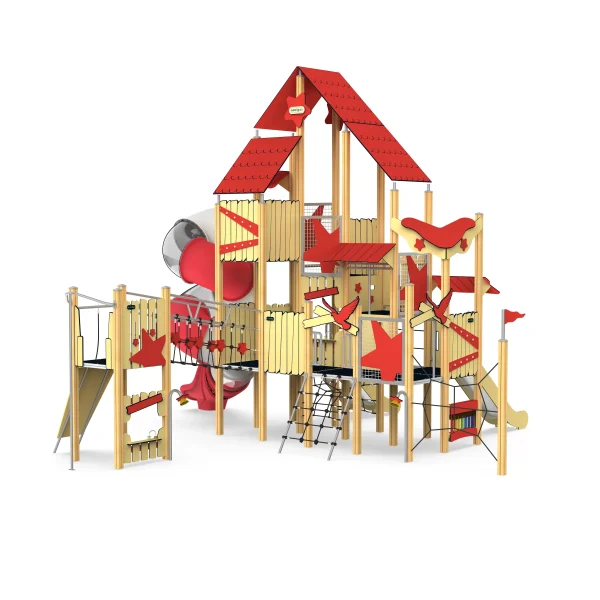
Rail is often the most predictable middle leg for landlocked buyers whose delivery point is a capital, industrial city, or dry port. Containers built to ISO 668 dimensions [2] move from the manufacturer to the rail terminal without repacking, and the same high cube container can continue to the destination country by block train. The advantage is not only cost. It is the reduced number of loading events. Bulky play equipment performs best when it is secured once, inspected once, and not handled again until final receiving.
For a route-level comparison, send the destination and order list to [email protected]. The logistics team can check rail options before production starts.
Rail plus road makes a dependable sequence
Suzhou LvDong Amusement Equipment Co., Ltd. sits close to major rail and road arterials, which helps when a buyer needs split routing: regular production batches by rail while urgent replacement springs or connectors move by road. It is important to confirm early whether the destination rail terminal can accept high cube or oversized equipment. If not, a 40-foot standard container or a mixed road option may be safer.
Road Freight for Final-Mile and Regional Delivery
Road freight is usually essential in landlocked projects because most playground sites are not rail-served. The final leg may include low bridges, unpaved access roads, or a school courtyard with restricted truck turning space. For bulky equipment, the road trailer should be specified for long or high modules. Slide sections and pre-assembled platforms often travel on flatbed or drop-deck trucks when the container is unloaded at the dry port.
For an address-level road and final-mile estimate, contact [email protected] or WhatsApp +8613915684545.
When trucking is better than rail
For smaller orders, single-unit replacements, or remote municipalities far from a functioning rail terminal, direct truck transport can be simpler. The trade-off is usually cost per cubic meter, but the benefit is lower handling and a shorter chain of custody. Each crate should be marked with lift points, weight, and stacking limits so the trucking crew does not have to guess.
Packaging, Container Optimization, and Protective Certification
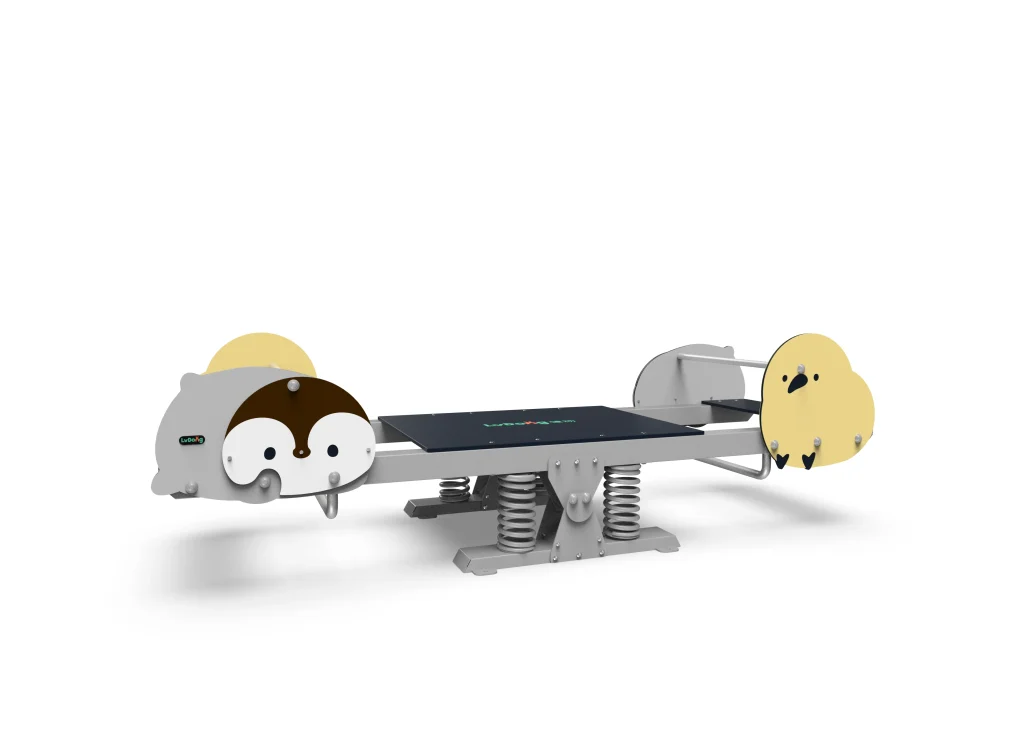
Bulky playground equipment must be prepared for a longer inland journey than a simple port-to-port order. The packaging specification should follow the same logic as the equipment itself: protect children’s contact surfaces and moving parts, prevent moisture ingress, and keep components from shifting. For certified equipment, EN 1176 [3] sets safety requirements for the product. Freight preparation should be designed so those safety characteristics — edge finishes, bearing alignment, spring mounts — are not compromised in transit.
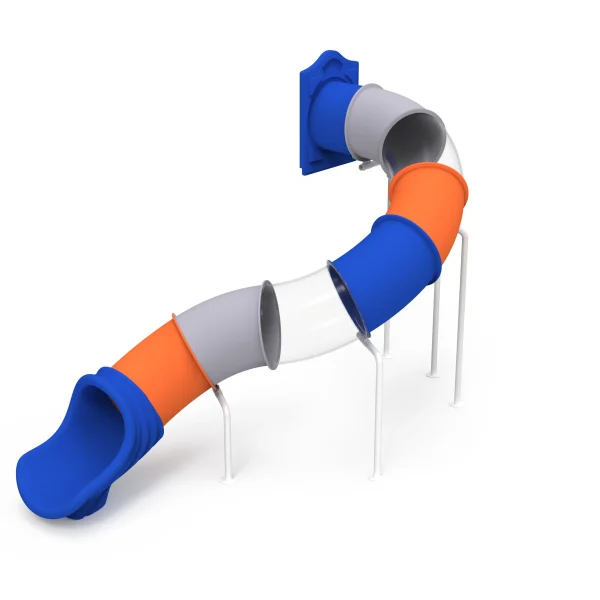
A 40-foot high cube container has roughly 12 m of internal length. What matters for play equipment is not only volume but the sequence of loading. Heavy steel frames and spring bases should sit low, while LLDPE panels and curved slide segments need bracing rather than weight. Steel banding, foam layers, and edge protectors help reduce scratch and rotation damage during rail shunting and road vibration.
Bulky slide modules are easier to plan once the material performance is clear. <Playground Slide Materials LLDPE vs 304 Steel Performance> covers how material choice affects packaging, weight, and long-term handling.
Customs, Documentation, and Border Handoffs
Landlocked routes often mean at least two customs events: the gateway port and the destination border or inland clearance point. The product’s HS classification should be confirmed before the container leaves the loading yard. Playground structures may fall under a general HS heading for gymnastic or playground equipment [4], but the exact subheading depends on the mix of slides, swings, spinners, and spare parts. The more precise the packing list, the lower the chance of a border hold for vague “play set” descriptions.
Complex mixed loads often begin with a custom model. <Custom Playground Slide Design From Vision to 3D Reality> covers how design files become transport-ready modular sections.
Site Readiness and Receiving Checks
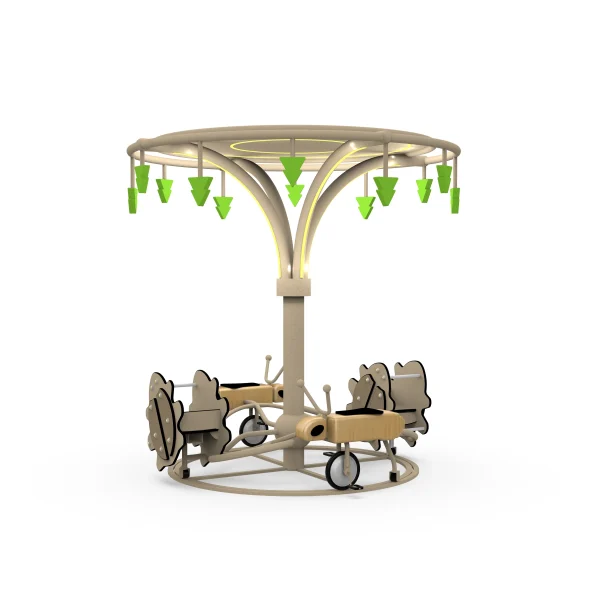
Before the truck leaves the last terminal, the receiving site needs a clear unloading plan. Check the gate width, overhead wires, crane reach, and whether the ground can support a loaded truck. For school or park projects, this may mean a weekend delivery window or temporary traffic control. When the equipment arrives, inspect the container or trailer seal first, then photograph any crushed cartons or shifted load bars before opening.
When a mixed rail shipment arrives, inspection matters as much as the routing. <Evaluate Playground Equipment Samples Before Buying A Guide> covers what to check before signing the delivery note.
Plan Your Landlocked Shipment with LvDong
Landlocked logistics is not only a freight decision. It is part of how the playground is engineered, packed, and handed over. LvDong works from the project drawing and the destination address to recommend a rail-road sequence, container packing plan, and receiving checklist. The company’s 10,000-square-meter production base and more than 1,500 completed projects mean the team has already managed the bulky-equipment handover questions that first-time buyers often meet at the border. Send the project list and delivery city to [email protected] or WhatsApp +8613915684545 for a route and packing recommendation.
Frequently Asked Questions
Can bulky playground equipment be shipped by rail into any landlocked country?
Not every landlocked country has a direct rail corridor. Rail works well when the destination is a dry port or capital served by an intermodal line. Otherwise, the sequence is rail to a nearby gateway and road for the final leg. The right choice depends on the destination terminal and order size.
Is road freight safer than rail for playground structures?
Both can be safe if the load is packed and secured for the actual route. Rail can reduce handling stops, while road may have fewer terminal transfers. For bulky play equipment, the biggest risk is usually repeated handling, so the better option is the one with fewer unplanned lifts.
What should be in the packing list for a landlocked border crossing?
A useful packing list records each crate, the product description, HS heading, net and gross weight, dimensions, and any spare parts included. Clear descriptions reduce the chance that a mixed load of slides, platforms, and connectors is held for re-inspection.
How early should landlocked logistics be confirmed before production?
Logistics should be confirmed before the crate sizes and container plan are finalized. For seasonal park or school openings, this often means starting the routing discussion at the same time as the color and configuration approval.
References
[1] International Chamber of Commerce, Incoterms® 2020, ICC Publication No. 723E, 2019, https://iccwbo.org/business-solutions/incoterms-rules/incoterms-2020/.
[2] ISO 668:2020, Series 1 freight containers — Classification, dimensions and ratings, International Organization for Standardization, 2020, https://www.iso.org/standard/76912.html.
[3] CEN, EN 1176-1:2017, Playground equipment and surfacing — Part 1: General safety requirements and test methods, European Committee for Standardization, 2017, https://standards.cen.eu/.
[4] World Customs Organization, Harmonized Commodity Description and Coding System, HS 2022, 2022, https://www.wcoomd.org/en/topics/nomenclature/instrument-and-tools/hs-nomenclature-2022-edition.aspx.
If you’re interested, check out these related articles:
Hurricane Spinner Load Testing Unpacking Playground Safety Standards
Factory Visit Checklist Playground Equipment Supplier Evaluation
Playground Equipment Quotes Spotting Hidden Costs Explained