University research playgrounds occupy a special position between public play space and controlled observation environment. Children need free, engaging play, while researchers need equipment that supports repeatable movement, clear sight lines, stable age bands, and surfaces that do not interfere with measurement. The right equipment selection can make behavior coding, motor assessment, and social interaction studies more reliable.
Why University Research Playgrounds Need a Research-First Equipment Brief
Most child-study protocols depend on repeated observation across children, sessions, or sites. When platform heights vary unexpectedly, or when a spinner accelerates differently after minor wear, the equipment itself introduces variance. Research-focused playground design therefore starts with equipment that is stable in motion, clearly age-banded, and predictable enough for behavioral coding and sensor placement.
Safety frameworks such as EN 1176-1 and ASTM F1487-21 provide the compliance floor for university sites [1][2]. From there, research teams add data requirements: observation clearances, consistent fall heights, low-noise operation for audio recording, and modular layouts that can be adjusted between study arms. Fixed sight lines and open layout also support supervision and event logging. The CPSC Public Playground Safety Handbook emphasizes use zones, site visibility, and age separation as safety and operational priorities [3].
Equipment Features That Strengthen Child Study Data
University research teams usually benefit from equipment that reduces unnecessary motion variability and makes children visible to observers for longer portions of the play sequence. Several characteristics deserve close attention.
| Equipment type | Typical child-study focus | Data-friendly characteristics |
|---|---|---|
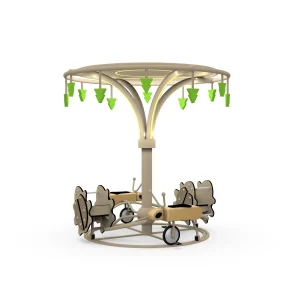
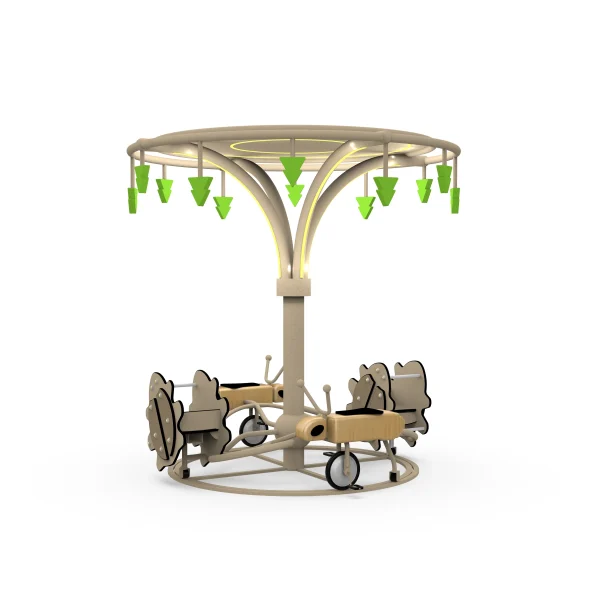
| Multi-player playground spinning wheel | Social reciprocity, turn-taking, vestibular regulation | Controlled rotation; user capacity of 6–10 children; stable round platform |
| Outdoor spring rider | Balance, core activation, imaginative play | Spring-driven rocking motion with low fall height; single-child use |
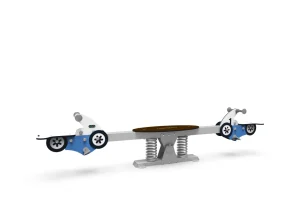
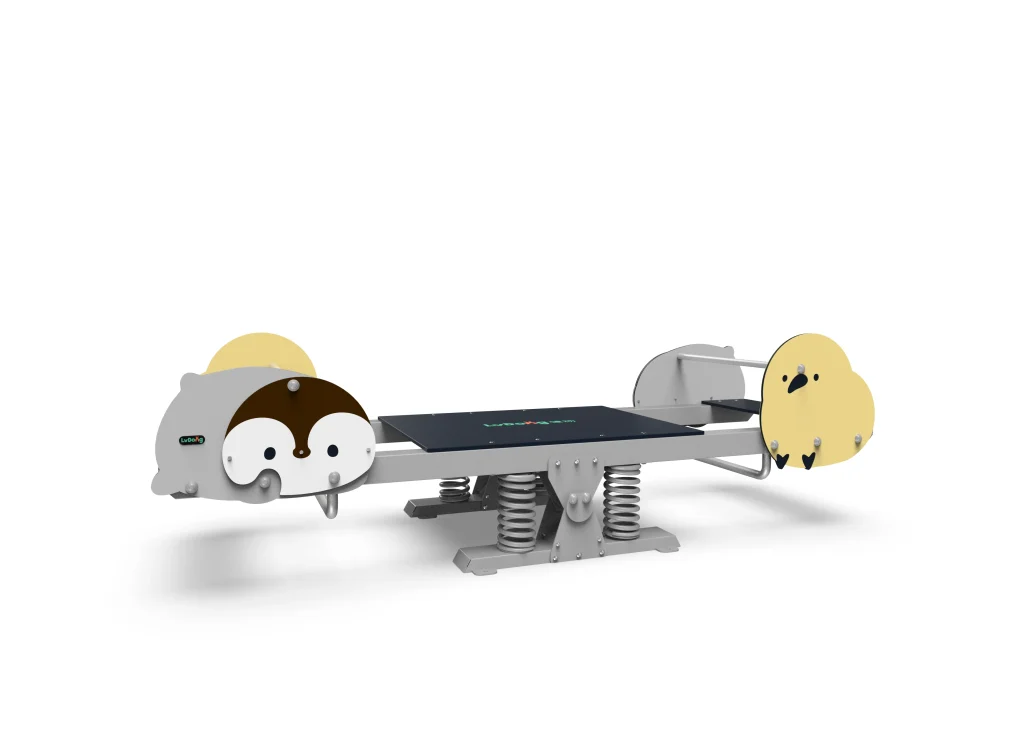
| Multi-person seesaw | Cooperative timing, peer negotiation, weight distribution | Spring-assisted motion; user capacity of 2–10 children; visible partner pairing |
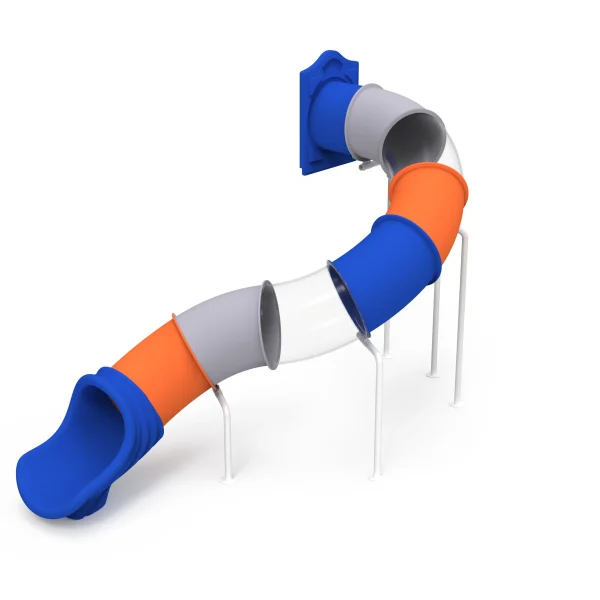
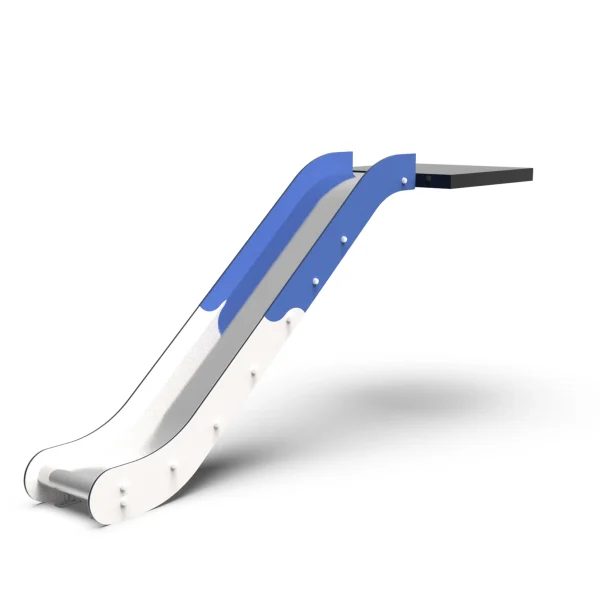
| Tunnel or curved slide | Gross motor sequencing, risk assessment, spatial confidence | Predictable exit path; age-banded platform access |
One practical example is a multi-player spinning wheel with a user capacity of 6–10 children and controlled rotation. Because the motion is governed by a stable round base rather than free acceleration, observers can follow group entry and exit more easily during structured coding.
For slide-based studies, the 2–5 and 5–12 age split matters because platform height, guardrail placement, and exit clearance affect both safety and developmental demand. Researchers can reduce age-related noise by matching slide selection to the study cohort.
Age banding shapes both safety and study design. <Outdoor Childrens Slides Age Grading 2-5 Versus 5-12> covers the 2–5 and 5–12 split in ways that help researchers keep observation groups consistent.
Matching Equipment to Common University Research Protocols
Different research questions require different motion types and group structures. Gross motor studies often favor slides, climbers, and spring riders because they produce clear start-to-finish movement episodes. Social interaction studies may rely on multi-person seesaws and spinners, where entry, exit, and turn-taking can be logged continuously. Sensory and vestibular studies benefit from controlled spinning and spring rocking because the motion can be repeated across participants with fewer speed-related confounds.
When studies include children with mobility aids, equipment should be evaluated against applicable accessibility requirements and the specific inclusion criteria of the protocol. Ground-level activity panels and low-fall-height riders can improve participation without necessarily reducing observational value.
Spinning and vestibular studies need careful age suitability. <Spinning Playground Equipment Age Suitability and Safety Standards> covers age-band and safety choices for controlled motion play.
Installation, Calibration, and Maintenance for Repeatable Data
Data repeatability also depends on installation quality. A slide exit that settles out of level or a spinner that develops bearing play can change movement patterns mid-study. University sites should document installation torque settings, base anchoring, and surface depth, then maintain inspection records. EN 1176-1 requires structural stability and regular inspection as operational obligations [1].
For long-term studies, a short pre-session equipment check can help maintain consistent motion. Inspectors should confirm that moving components rotate or rock within expected limits, fasteners remain tight, and protective surfacing has not shifted.
Long data-collection windows require stable, well-maintained equipment. <Stand and Spin Equipment Essential Maintenance Safety Guide> covers the maintenance checks that keep motion characteristics consistent.
Need a research-ready equipment plan? Contact huyg@lvdongtoys.com with your study protocol, target age group, and site dimensions. A Lvdong design engineer can map equipment choices to observation zones, use zones, and data-collection clearances before quotation.
Plan a Data-Ready University Playground with Lvdong
For university research teams, the most practical path is to specify study requirements early in the design process. Lvdong can support this by preparing clear equipment parameters for the research team.
To begin, send the following information to huyg@lvdongtoys.com or WhatsApp +8613915684545:
- Study protocol and target age groups
- Required play types: spinning, sliding, rocking, climbing, or social play
- Observation points and any planned video or sensor placement
- Site dimensions and surfacing preferences
- Budget or grant constraints where relevant
The design team can then provide an equipment shortlist with falling heights, user capacity, motion type, and age range so researchers can evaluate repeatability before installation.
Frequently Asked Questions
What equipment is easiest to standardize across research sites?
Equipment with controlled motion, clear age bands, stable dimensions, and low fall height is generally easiest to standardize. Multi-player spinners, single-child spring riders, multi-person seesaws, and age-banded tunnel slides offer repeatable movement and clear observation windows.
How should university playgrounds handle mixed age groups?
Mixed age groups should be handled through separate zones. Equipment intended for 2–5 and 5–12 age groups should not share the same surfacing without clear separation, because safety requirements and study variables differ. Age-banded equipment helps reduce developmental noise in collected data.
Which standards apply to university research playgrounds?
University research playgrounds should follow EN 1176-1 for structural and general safety requirements, ASTM F1487-21 for U.S. public-use playground equipment, and the CPSC Public Playground Safety Handbook for use zones, sight lines, and operational guidance [1][2][3]. Local accessibility rules may also apply.
Can equipment be customized for specific study protocols?
Yes. Many manufacturers can adjust dimensions, motion characteristics, age targets, and thematic design while keeping the equipment within recognized safety standards. Custom work should be documented before production so that repeated-study comparisons remain valid.
What maintenance records help protect data quality?
Inspection logs, bearing checks, fastener torque checks, protective surfacing measurements, and seasonal adjustment records all help protect data quality. Consistent maintenance reduces unexpected motion changes that could otherwise become uncontrolled variables.
References
[1] CEN. EN 1176-1:2017, Playground equipment and surfacing — Part 1: General safety requirements and test methods.
[2] ASTM International. ASTM F1487-21, Standard Consumer Safety Performance Specification for Playground Equipment for Public Use.
[3] U.S. Consumer Product Safety Commission. Public Playground Safety Handbook.
If you’re interested, check out these related articles:
Sensory Play Panels Inclusive Design for Special Needs
Optimal Seasonal Care for Outdoor Metal Swing Sets
Free 3D Design for Community Park Playground Equipment Solutions
Playground Equipment Quotes Spotting Hidden Costs Explained
Wholesale Pricing MOQ for Spring Riders A Strategic Guide