Buying spring riders in bulk sounds straightforward until you start comparing quotes and realize how much the numbers can vary. Material grades, safety certifications, design complexity, and order volume all pull the price in different directions. After years of working through these variables with parks departments, school districts, and commercial developers, the patterns become clearer—but they’re rarely obvious at first glance.
This piece breaks down how wholesale pricing actually works for commercial spring riders, what drives Minimum Order Quantity requirements, and where flexibility exists in the procurement process. The goal is to help you make purchasing decisions that hold up over time, not just on paper.
How Wholesale Pricing Actually Works for Commercial Spring Riders
Wholesale pricing for commercial spring riders reflects a combination of manufacturing realities that aren’t always visible in a product catalog. Understanding these cost drivers helps buyers distinguish between genuinely competitive offers and quotes that sacrifice quality for a lower number.
What Actually Drives Unit Costs
The price tag on a spring rider represents more than just materials and labor. Several factors compound to determine what you’ll pay per unit.
Material selection carries significant weight. Heavy-duty spring riders typically use reinforced steel springs rated for tens of thousands of cycles, paired with UV-resistant plastics like LLDPE that won’t crack or fade after years of sun exposure. These materials cost more upfront but dramatically extend service life.
Design complexity adds another layer. Standard catalog shapes cost less because the tooling already exists. Custom spring rider designs—themed animals, branded characters, or unique ergonomic configurations—require new molds and specialized manufacturing processes that increase per-unit costs.
Safety engineering is built into every legitimate commercial spring rider. Ergonomic seating angles, secure hand grips sized for small hands, and smooth edge profiles aren’t optional features. They’re fundamental design requirements that affect manufacturing time and material specifications.
| Cost Factor | What It Includes | Price Impact |
|---|---|---|
| Materials | Steel grade, plastic type (LLDPE), powder coating quality | High |
| Design | Shape complexity, themed elements, custom molds, ergonomic engineering | Medium to High |
| Certification | EN1176 and ASTM F1487 testing, documentation, third-party verification | Medium |
| Manufacturing | Production techniques, labor rates, quality control processes | Medium |
| Order Volume | Economies of scale across setup costs and material purchasing | Low (per unit) |
Getting Better Pricing Without Compromising Quality
Bulk purchase discounts exist, but they work differently than many buyers expect. The savings come from spreading fixed costs—machine setup, quality documentation, shipping container optimization—across more units.
Long-term supplier relationships often unlock pricing tiers that aren’t available on first orders. Manufacturers can plan production more efficiently when they know a buyer will return, which translates to better rates.
Consolidating requirements across multiple project phases or locations into a single purchase order typically yields better per-unit pricing than placing several smaller orders over time. The administrative and production efficiencies benefit both sides.
Early engagement matters more than most buyers realize. Discussing spring rider sourcing during initial project planning—rather than after specifications are locked—creates room for cost-effective alternatives that still meet performance requirements.
Making Sense of Minimum Order Quantities
Minimum Order Quantity requirements frustrate many buyers, especially those managing smaller projects or testing new equipment types. Understanding why MOQs exist makes them easier to work around.
The Manufacturing Logic Behind MOQs
Production economics drive MOQ policies. Setting up manufacturing equipment, sourcing specific material batches, and running quality control protocols all carry fixed costs that don’t scale linearly with order size.
A production run of five units costs nearly as much to set up as a run of fifty. MOQs ensure each batch achieves enough volume to make the per-unit economics viable. Without them, manufacturers would either lose money on small orders or price those orders so high that buyers would walk away anyway.
Inventory management plays a role too. Specialized components—particular spring gauges, custom plastic colors, themed mold inserts—tie up capital when they sit in warehouses. MOQs help manufacturers avoid accumulating excess stock of low-turnover items.
Working With or Around MOQ Requirements
Several strategies help buyers navigate MOQ challenges without abandoning quality suppliers.
Consolidated orders combine multiple equipment types or future project needs into a single purchase. If you need spring riders now and plan to add swings next quarter, bundling both orders often pushes the total above MOQ thresholds while improving overall pricing.
Phased delivery arrangements split a larger order into smaller shipments aligned with project milestones. You commit to the full quantity upfront, but receive equipment as construction phases complete. This approach helps with cash flow and storage limitations.
Direct conversation sometimes reveals flexibility that isn’t advertised. Manufacturers serving diverse markets often have production runs where adding a few extra units costs little. Explaining your situation—project timeline, budget constraints, potential for future orders—can open doors to custom solutions that standard pricing sheets don’t reflect.
Why Safety Certifications Matter More Than You Think
Safety certifications for commercial spring riders aren’t bureaucratic checkboxes. They represent documented evidence that equipment has been tested against specific failure modes that can injure children.
Two primary standards govern most commercial playground equipment markets. EN1176 covers European requirements, while ASTM F1487 addresses American specifications. Both involve rigorous testing for structural integrity, material safety, impact forces, and entrapment hazards.
Products carrying TUV certification have undergone independent third-party verification—meaning the manufacturer’s claims have been validated by external testing laboratories rather than self-reported.
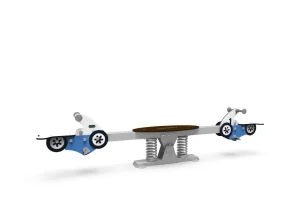
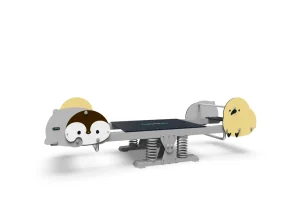
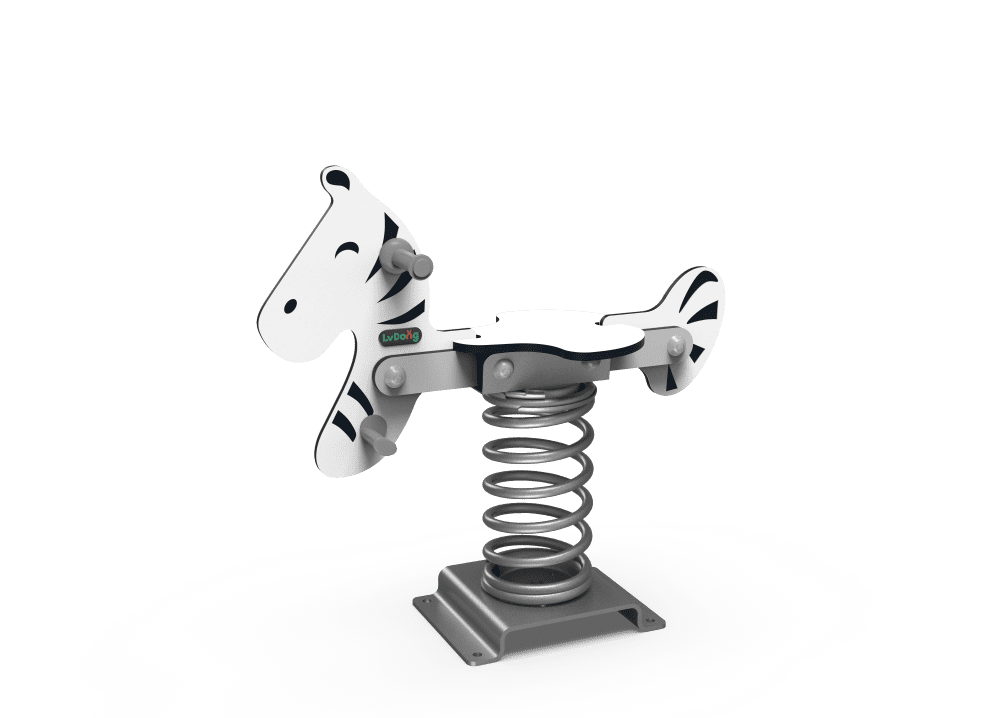
Concrete specifications illustrate what certified equipment actually delivers. A well-designed outdoor spring rider features high-strength steel springs and child-safe construction with smooth edges, ergonomic seating, and secure hand grips. Maximum fall height of 50 cm keeps impact forces within safe limits. Multi-person equipment like spring-assisted seesaws uses sturdy metal frames with fall heights around 60 cm, supporting multiple users simultaneously while maintaining stability.
| Feature | EN 1176 (European) | ASTM F1487 (American) |
|---|---|---|
| Scope | Public playgrounds, general safety requirements | Public equipment for children 6 months to 12 years |
| Material Safety | Chemical composition, non-toxicity verification | Lead content, hazardous substance limits |
| Impact Attenuation | Critical fall height, surfacing specifications | Protective surfacing material requirements |
| Structural Integrity | Load-bearing capacity, stability testing | Entrapment prevention, protrusion limits, edge safety |
| Maintenance | Routine inspection guidelines | Inspection, maintenance, and repair recommendations |
If you’re interested in how different standards apply to outdoor play areas, you might find our article on 《Essential Checklist for Playground Equipment Safety Test Reports》 insightful.
What an Integrated Manufacturing Partner Actually Provides
Suzhou LvDong Amusement Equipment Co., Ltd. operates as a full-service provider of unpowered playground equipment from China, with capabilities spanning the entire project lifecycle. Founded in 2015, the company brings over a decade of manufacturing experience to spring rider production.
The practical advantage of an integrated supplier shows up in project execution. R&D, custom design services, production, installation support, and after-sales service all flow through a single organization. This eliminates the coordination overhead that comes with managing separate vendors for each phase.
A modern production facility exceeding 10,000 square meters supports consistent quality control across high-volume orders. Equipment buyers benefit from manufacturing capacity that can scale with project demands without sacrificing the attention to detail that safety-critical products require.
Getting Equipment From Factory to Installation Site
Logistics complexity increases with order size and international shipping distances. Bulk playground equipment orders involve container optimization, customs documentation, and delivery coordination that smaller purchases don’t require.
Global shipping for playground equipment demands experience with international freight logistics. Transit times, port handling, and customs clearance all affect project timelines. Suppliers with established shipping relationships can often provide more reliable delivery estimates and faster problem resolution when issues arise.
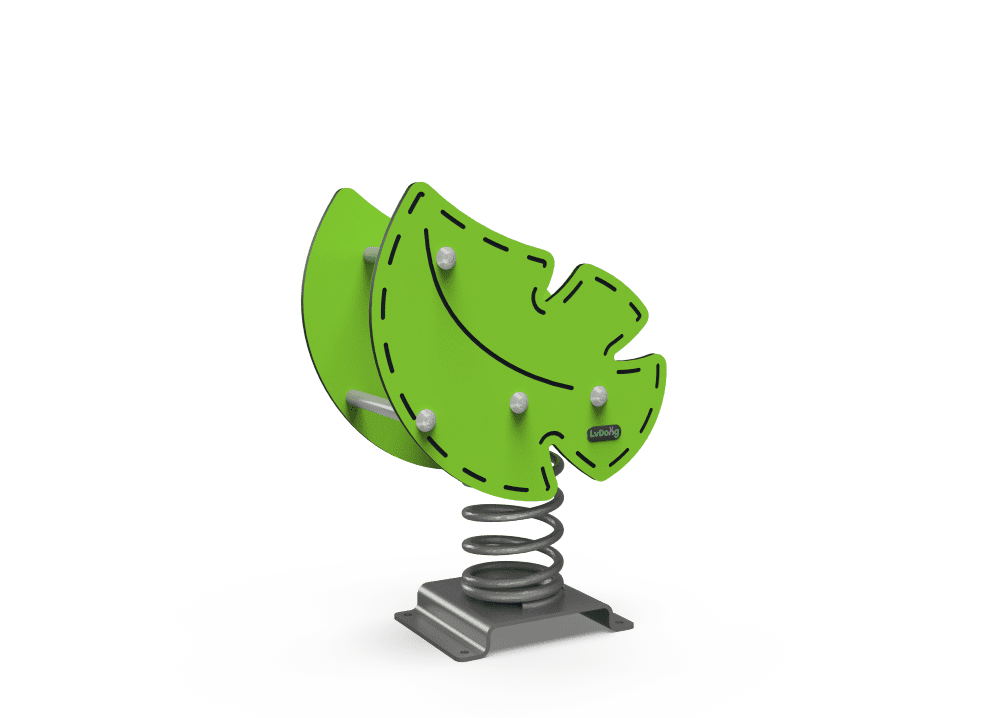
Installation requirements vary by equipment type. A single-user spring rider typically requires one person and about half a person-hour to install properly. Multi-player equipment like spinning wheels needs one to two installers and approximately two person-hours. These specifications help project managers plan labor allocation accurately.
For more details on optimizing the delivery process, consider reading our guide on 《Optimizing Playground Equipment Spare Parts Lead Time and Stock》.
Thinking Beyond Purchase Price
Initial cost represents only part of what playground equipment actually costs over its service life. Maintenance requirements, repair frequency, and eventual replacement timing all factor into total cost of ownership.
Weather-resistant materials and robust construction techniques extend equipment lifespan significantly. Spring riders built with properly galvanized steel and UV-stabilized plastics can serve communities for a decade or more with minimal intervention.
Maintenance protocols matter for long-term performance. Regular inspection of spring tension, hardware tightness, and surface condition catches small issues before they become safety concerns or expensive repairs. Equipment designed for easy maintenance—accessible fasteners, replaceable wear components—reduces ongoing labor costs.
The ROI calculation for playground equipment includes factors that don’t appear on purchase orders. Durable spring riders that remain in service for fifteen years deliver more value than cheaper alternatives that need replacement after seven, even if the initial price difference seems significant.
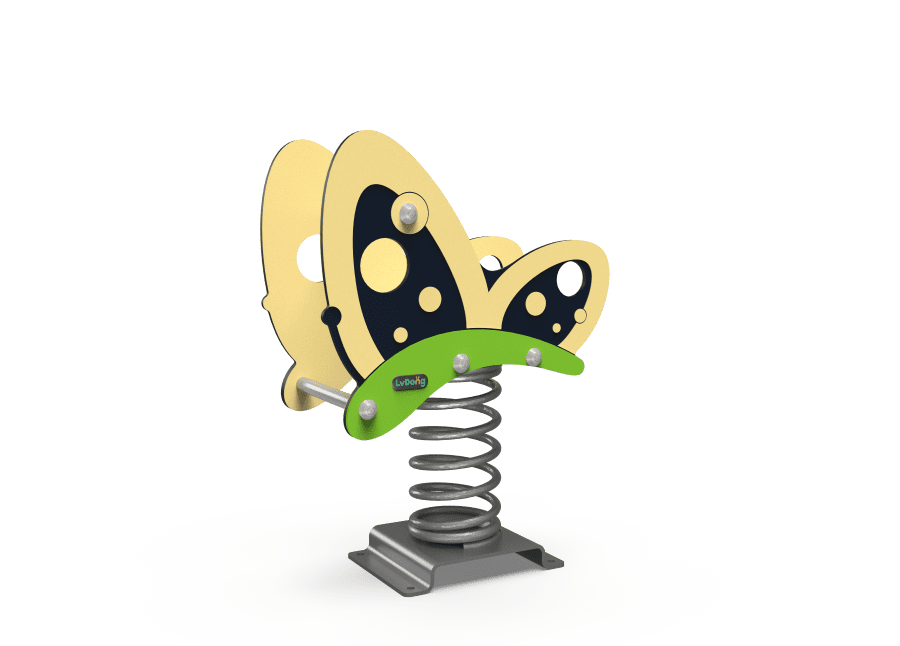
Starting a Conversation About Your Project
Commercial playground projects benefit from early supplier engagement. Discussing requirements before specifications are finalized creates opportunities for cost optimization and design refinement that disappear once bidding begins.
Suzhou LvDong Amusement Equipment Co., Ltd. offers consultations covering wholesale pricing structures, MOQ flexibility, and technical specifications for spring riders and related unpowered equipment. The company’s integrated capabilities—R&D, design, production, installation, and after-sales support—mean conversations can address the full project scope rather than just equipment procurement.
Contact specialists via WhatsApp at +8613915684545 or email [email protected] to discuss specific project requirements.
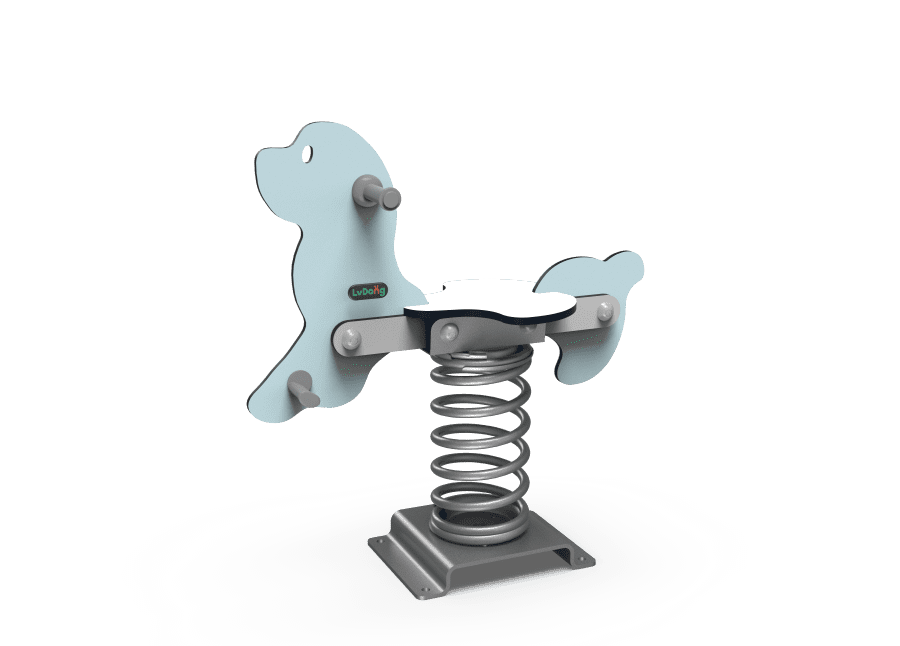
Frequently Asked Questions About Spring Rider Wholesale
What factors influence wholesale pricing for commercial spring riders?
Material quality drives the largest cost variations—reinforced steel springs and UV-resistant LLDPE plastics cost more than standard alternatives but last significantly longer. Design complexity adds cost when custom molds or themed elements are involved. Safety certification testing and documentation represent fixed costs that spread across order volume. Larger orders reduce per-unit pricing because setup and administrative costs distribute across more pieces.
How do I determine the right MOQ for my spring rider order?
Start by mapping your actual equipment needs across current and planned projects. Consolidating requirements from multiple sites or phases often pushes orders above MOQ thresholds naturally. Phased delivery arrangements let you commit to larger quantities while receiving equipment as project schedules allow. Direct discussion with manufacturers sometimes reveals flexibility for buyers who can demonstrate future order potential or accept standard configurations rather than custom designs.
What safety certifications should I look for in wholesale spring riders?
EN1176 certification indicates compliance with European playground safety standards, covering structural integrity, material safety, and fall height requirements. ASTM F1487 addresses American specifications with particular emphasis on entrapment prevention and protective surfacing. TUV certification adds independent third-party verification that manufacturer claims have been validated through external testing. Commercial installations typically require documentation proving compliance with at least one major standard, and many jurisdictions mandate specific certifications for public playground equipment.