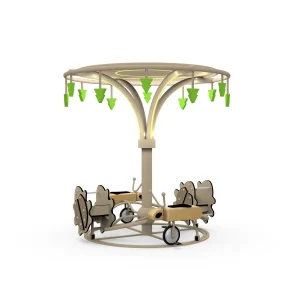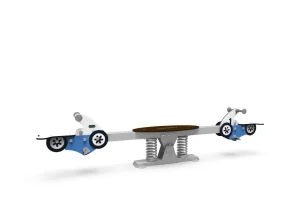
Playground equipment in Nordic countries has to handle two forces that many catalog specifications barely address: sustained minus 30 temperatures and snow depths that turn platforms into load-bearing structures. I have seen too many winter failures begin not with broken plastic but with undersized steel sections and foundation work that shifts during thaw. A Nordic buyer should treat equipment selection as a structural and material specification exercise, not a product catalog decision. This means checking material grades, snow load capacity, foundation depth, and cold-rated moving parts before comparing prices. The sections below explain what we specify for these climates and what to ask suppliers before you commit.
Material Choices for Playground Equipment Rated to Minus 30 Degrees
In cold climates, the first place we look is not the color catalog but the metal specification. Standard mild steel that feels adequate in a Mediterranean park loses toughness as temperatures drop. We specify low-temperature structural steel for frames on Nordic projects. This steel class performs better in Charpy impact testing at subzero temperatures, which matters when a loaded seesaw or spinner experiences dynamic forces on a frozen morning. We also avoid hollow sections that can trap water. Any closed tube must be fully sealed or fitted with proper drainage. A small weep hole can be the difference between a swollen, split post after one winter and a frame that lasts a decade.
For coatings, hot-dip galvanizing under polyester powder coating gives the best combination of corrosion resistance and surface finish in northern coastal and road-salt environments. Stainless steel is reserved for fasteners, chains, and high-wear contact points. Plastic components used for slides and panels should be UV-stabilized, but cold performance is also about resin selection. Some lower-cost rotational-molded plastics become stiff and more impact-sensitive below minus 20 degrees. We require manufacturers to state the lowest service temperature for plastic parts rather than accepting a generic outdoor rating.
| Component | Nordic specification | Purpose | Inspection point |
|---|---|---|---|
| Steel frame | Low-temperature structural steel, hot-dip galvanized | Resists brittle fracture and corrosion | Charpy impact test report |
| Fasteners | Stainless steel | Reduces galvanic corrosion at joints | Grade and washer stack |
| Plastic panels | UV-stabilized resin with stated low-temperature service limit | Maintains impact resistance | Cold impact test or resin datasheet |
| Springs | Spring steel designed for low-temperature fatigue | Keeps rebound consistent in cold | Material certificate and fatigue data |
| Bearings | Sealed units with cold-rated grease | Prevents stiffening and moisture ingress | Grease temperature range |
Snow Load Calculations for Playground Equipment Under Heavy Nordic Snow
Snow load is not an afterthought for roofed play structures. A flat or low-pitch platform roof that collects snow will transfer enormous weight through posts into the ground. Depending on location and altitude, Nordic design values often fall between 1.5 and 4 kN per square meter. We design roofed towers and playhouses with sloped or rounded surfaces that shed snow rather than fight it. Where a roof is required, we reinforce supporting posts and cross-bracing along the actual load path. Adding more steel everywhere is less effective than making the correct brace carry the force.
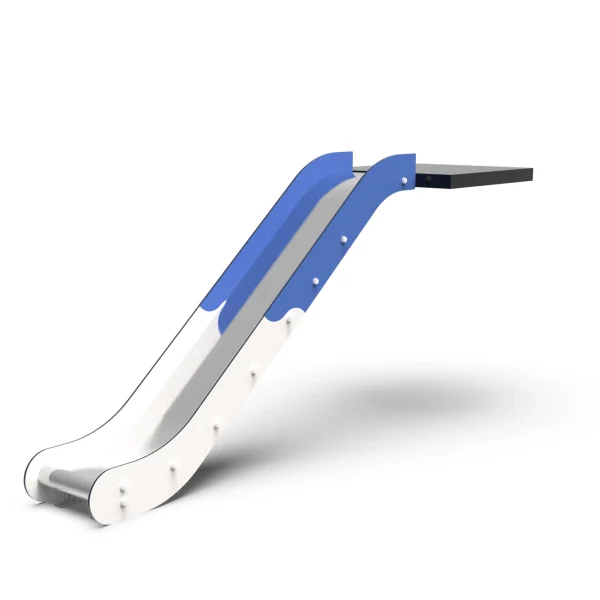
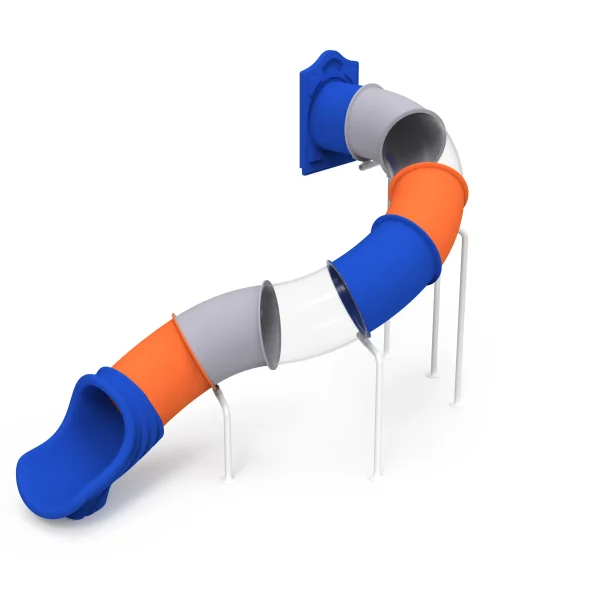
Slides and tunnel sections also need attention. Snow drifting against a tunnel slide can create lateral pressure that pushes the tube sideways. Ground anchors and connection plates must resist that side load. Platform decks with grating or perforated designs reduce accumulation and let snow fall through instead of forming a solid mass. In our documentation, we ask the buyer for the local snow zone and altitude so the structural team can verify post size and brace placement before production. This is not a catalog check; it is a calculation that changes from one municipality to the next.
Platform height and exit design become more critical when snow changes the usable fall zone. <Slide Platform Height and Exit Safety Guidelines for Playgrounds> covers how platform elevation and runout should be verified for safe landing even when surfacing is frozen or snow covered.
Foundations That Survive Frozen Ground and Thaw Cycles
The most common Nordic playground failure I see is not a broken slide; it is a post that has lifted out of the ground over three or four winters. Frost heave pushes shallow footings upward unevenly. We specify concrete foundations below the local frost line. For a municipality where frost reaches 1.5 meters down, a 40 cm sleeve is not enough. The exact depth must come from local geotechnical guidance. We also use ground sleeves or embedded anchors so the post can be leveled and adjusted after a severe thaw.
Drainage is the other half of foundation work. Water that pools around a footing freezes and expands. We slope the base away from every post and use free-draining granular backfill rather than clay-heavy soil. For roofed structures that catch more wind and snow, the footing not only resists downward load but also uplift when wind scours the roof. The final line of defense is a spring inspection that checks for heave, cracked concrete, and loosened anchor bolts before the high-use summer period.
Bearings, Springs, and Seals That Keep Moving Parts Working
Moving equipment is where minus 30 temperatures show up first. Standard grease thickens in extreme cold, making spinner bearings sluggish and increasing wear at the exact moment children are pulling harder. We use low-temperature grease rated for the expected winter range and sealed bearing units where moisture cannot enter and refreeze. Rubber bumpers, seals, and spring covers should be specified for cold flexibility. Some standard rubber formulations harden below minus 25 degrees and lose the cushioning they are meant to deliver.
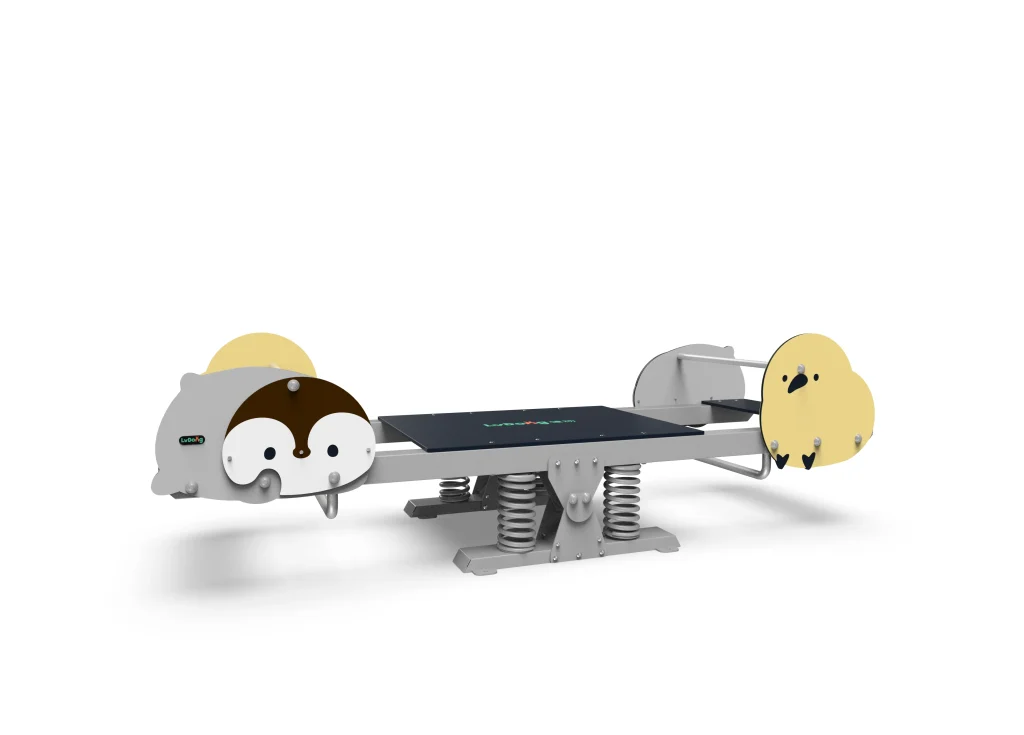
Spring riders are especially sensitive. The spring must stay responsive without becoming brittle. We specify spring steel grades designed for fatigue and low-temperature service. The seating and handles also matter because cold plastic and metal surfaces can feel sharper and less forgiving. This is one reason we keep maximum fall heights low on spring riders, at 50 cm, and require handgrips that are easy to hold through gloves.
For spring rider selection in cold-climate playgrounds, <Playground Pony Spring Rider Dimensions for Ages 2-5> details how seat height and handgrip reach affect use by younger children in bulky winter clothing.
If your program includes spinners or seesaws operating through shoulder seasons, it is worth confirming the bearing grease temperature range and the rubber compound before finalizing your bill of materials. Send your equipment list to [email protected] and we will check the cold-weather suitability line by line.
Confirming Your Nordic Playground Equipment Specification
Specifying for Nordic winters means asking suppliers for more than a sales sheet. We recommend collecting material test reports, foundation drawings, snow load calculations, and low-temperature component data together in one review package. The buyers who avoid winter shutdowns are the ones who challenge every weatherproof claim with a specific temperature and snow zone number.
If your site has a defined snow load or frost depth requirement, you do not need to resolve the engineering alone. Share your local snow zone, wind exposure, and equipment list with our team. We will confirm material grades, footing depths, and moving part specifications for your location. Contact Liu Ming at [email protected] or WhatsApp +8613915684545 with your site details and we will produce a Nordic climate specification review.
Cold-climate claims are easiest to assess when supplier responses are compared side by side. <Effectively Compare Playground Equipment Suppliers Services> covers how to weigh documentation, technical response quality, and after-sales obligations without relying on price alone.
Common Questions About Nordic Playground Equipment
Does a minus 30 rating cover the entire structure or only certain components?
It should cover the complete structure, but many failures come from parts excluded from that claim. A frame can be low-temperature steel while a plastic slide, rubber bumper, or bearing grease is only rated to minus 10 degrees. I ask suppliers to confirm the lowest service temperature for steel, plastics, rubber, and lubrication separately. One blanket weatherproof statement is not enough for a Nordic tender.
Do plastic slides become dangerous at minus 30?
Many buyers assume any plastic slide is unsuitable for severe cold, but that is not the whole picture. Some rotational-molded resins retain impact strength in cold, while cheaper compounds stiffen and may crack under dynamic load. The deciding factors are resin grade, wall thickness, and the manufacturer’s stated low-temperature service limit. For slide beds, thicker walls and proper support spacing reduce the risk of brittle cracking.
How much snow load should we use for a roofed playhouse?
It depends on the location and altitude. Coastal southern Norway and northern Finland do not carry the same design load. Nordic codes commonly range from 1.5 to 4 kN per square meter, but a local engineer must confirm the exact zone. We use the buyer’s snow zone and altitude to verify post size, brace layout, and roof slope before production, so the structure does not rely on a generic average.
Can the equipment be installed in winter or should we wait for spring?
In Nordic projects we have supervised, winter installation is possible but only with clear ground preparation and concrete curing controls. Frozen soil makes excavation slower, and fresh concrete needs protection from early freezing. I generally recommend scheduling foundation work before the deep freeze, then installing the above-ground structure later if needed. Waiting until thaw is safer when the site has poor access or heavy snow cover. Share your installation window with [email protected] and we will confirm whether a winter start is practical.
If you’re interested, check out these related articles:
20 Essential Questions Choosing a Playground Equipment Supplier
Old Playground Renovation Keep or Replace Decisions
How Indoor Playground Equipment Manufacturers Customize Solutions