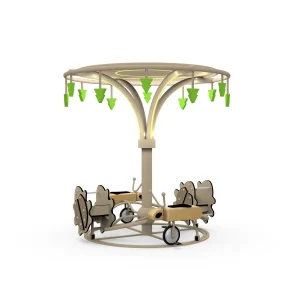
Sandstorm-resistant playgrounds for Middle East residential compounds are decided at the specification stage, not by adding shade later or washing equipment more often. Fine dust penetrates standard bearing seals, abrasive particles strip light powder coats from steel frames, and repeated wind loading loosens shallow anchors. In our design work across residential projects, the successful systems share a short list of choices: hot-dip galvanized frames, UV-stabilized HDPE panels, sealed bearings, and deeper foundation sets. This article details those decisions so facility managers and compound developers can specify equipment that stays functional through harsh seasons without a large annual maintenance burden.
Material Selection for Sandstorm-Resistant Residential Compound Playgrounds
In our production checks, sandstorm failure appears first in three places: frame coating, panel surface, and fasteners. The frame needs a hot-dip galvanized layer before the powder coat. Zinc gives a sacrificial layer that stops surface scratches from turning into red rust after a storm. For panels, we specify UV-stabilized HDPE or LLDPE rather than thin injection-molded plastic because sand abrasion and ultraviolet exposure combine quickly on vertical surfaces. Fasteners should be stainless, preferably 304 for inland compounds and 316 for coastal or high-salinity sites.
What separates sandstorm-rated equipment from standard units?
The main difference is the coating build-up and moving part specification, not the basic frame geometry. A standard unit may pass EN 1176, but that standard covers safety rather than long-term dust resistance. Sandstorm-rated equipment adds sealed bearings, stainless fasteners, and a thicker powder coat over galvanizing. The frame looks similar on a drawing, but the difference appears after the first full dust season.
| Component | Sandstorm-rated specification | Reason |
|---|---|---|
| Steel frame | Hot-dip galvanized base plus polyester powder top coat | Zinc prevents corrosion at impact scratches |
| Panels | UV-stabilized HDPE or LLDPE | Resists color shift and fine dust abrasion |
| Fasteners | 304 or 316 stainless | Avoids rust scaling at thread points |
| Bearings | Sealed IP65 minimum; IP67 near irrigation | Blocks fine dust ingress |
Bearing, Chain, and Fastener Protection Against Fine Dust
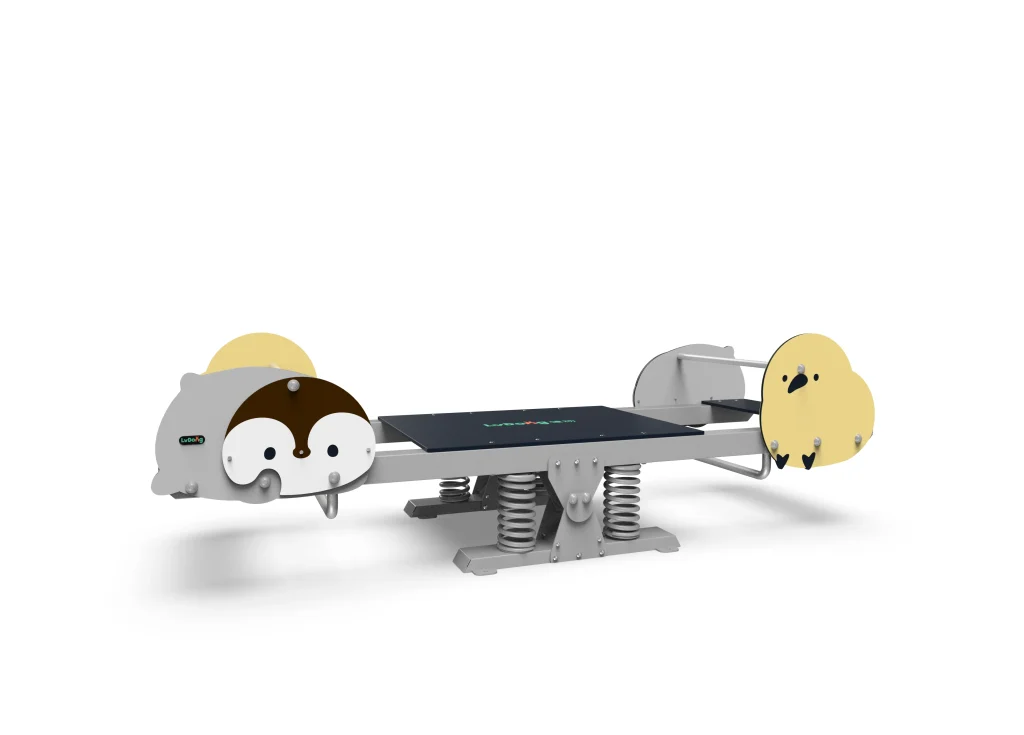
Bearings are the first point of failure in dust-heavy residential compounds because playground dust contains quartz particles finer than many standard seals can block. An open bearing grinds to rough rotation within one season. For spinners and seesaw pivots, we require sealed units with an IP65 rating as a minimum, and IP67 where irrigation overspray or pooled water is nearby. Chains and swing connectors need hardened stainless or heavy galvanized links with smooth welds, not open-hook hardware that traps dust and moisture. Even the best material specification fails if the grease attracts sand; choose dry-film or dust-resistant paste compatible with the bearing temperature range.
If your project includes multiple spinner units or a seesaw bank, it is worth confirming the exact bearing seal rating and dust boot detail before approving the BOM. Reach out at [email protected] with the equipment list and we will return the specific seal callouts for your site.
UV-Stable Coatings and Color Retention in Desert Communities
Ultraviolet exposure in Middle East compounds can fade a bright panel in two to three years if the color pigment is not stabilized. We have seen emerald-green discs on spinners keep their tone through repeated sun exposure only when the base material includes UV inhibitors rather than surface paint. For steel components, polyester powder top coats over galvanizing hold color better than epoxy under desert sun. Epoxy chalks and dulls quickly. The color choice is not cosmetic. It changes surface temperature, coating lifespan, and whether children can use the equipment in summer afternoons.
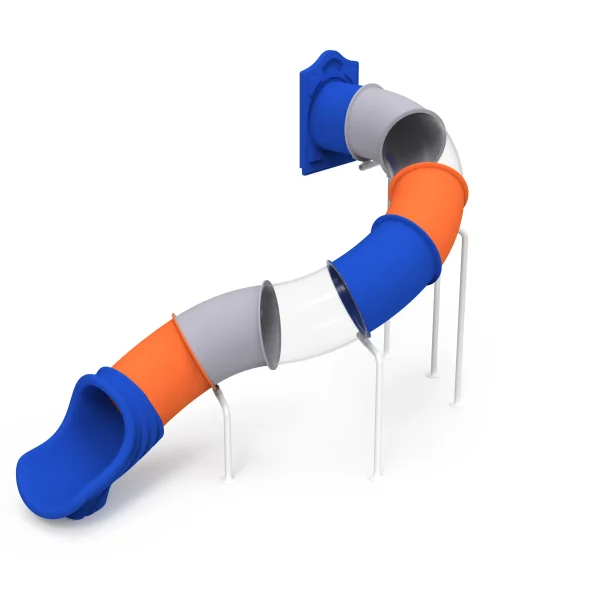
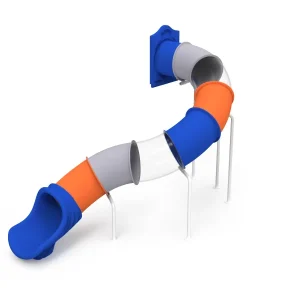
High surface temperatures are as much a materials issue as a coating issue. <Mastering Metal Slide Heat Prevention Strategies for Playgrounds> covers how surface color, shade orientation, and coating type change deck and slide temperatures in full sun, and why that selection matters for compounds where afternoon play hours run long.
Wind Load Anchoring and Sand Ingress Prevention in Ground Surfaces
Most playground failures in open desert grids come from wind load, not use. A spinner may be rated for occupancy and fall height, but if the base plate is spaded into shallow compacted sand, the whole unit can lean after one strong season. We specify concrete footings below the local scour layer and use full-length anchor bolts rather than wedge anchors. The same applies to seesaw and spring rider bases: they carry less surface area but can still catch enough wind to loosen their anchors when dust storms arrive with sustained gusts. Rubber tile joints should be tight and sealed at edges so fines cannot work underneath and lift tiles into tripping edges.
Wind pressure on a slide tower or spinner is not covered by the standard shallow base plate. <DIY vs Supplier Playground Equipment Installation Guide> explains why concrete depth, cross-bracing, and anchor spacing need supplier input, especially when local wind loads exceed the standard layout assumptions.
Specifying Sandstorm-Resistant Compound Playground Equipment
By the time a compound begins comparing playground quotes, the damage points above should already be locked into the specification. We see the same pattern repeatedly: a well-designed play area loses its bearings within two dust seasons because the order sheet did not call out sealed units. The fix is not more maintenance labor. It is specifying the correct galvanizing thickness, coating system, bearing seals, and anchoring depth from the start.
Send your project address, wind zone, age group, and equipment quantities to [email protected] or WhatsApp +8613915684545. We will return a specification sheet with the correct material calls for your site before you finalize your supplier comparison.
Common Questions About Sandstorm-Resistant Playgrounds
Do sandstorm-resistant playgrounds cost significantly more than standard units?
Most of the added cost sits in the galvanizing layer, stainless fasteners, and sealed bearings, which typically add a modest percentage to the order rather than doubling it. The larger saving comes from avoiding early replacement of bearings and repainting steel after two or three seasons. In a residential compound with daily use and periodic storms, the upgraded specification usually pays back through lower maintenance visits. If you are comparing bids, ask each supplier to itemize these three specifications rather than accepting a broad weather-resistant label.
How often should a Middle East residential compound inspect moving parts during dust season?
It depends on the season, but a fixed quarterly schedule is not enough in storm-heavy months. During dust season, a weekly visual check of bearing covers and chain links takes less than ten minutes and catches grit before it scores a shaft. A monthly check of anchor bolts and surface seams is enough outside the storm window. Records matter more than frequency. A simple log showing when covers were cleaned and when a bearing was replaced gives the maintenance team early warning before a unit becomes a liability.
Can existing playground equipment be retrofitted for sandstorm resistance?
The honest answer is partial. Sealed bearings, stainless fasteners, and wiper seals can be swapped onto many existing spinners and seesaws without replacing the frame. Surface panels that have already chauked from UV usually need replacement rather than recoat. If the frame is structurally sound and the anchors still meet the wind load, retrofit is workable. If the galvanizing has failed through to rust, rebuild costs often approach new equipment, and it is better to compare both paths before committing.
What standards apply to residential compound playground equipment in the Middle East?
Many buyers assume a local standard covers sandstorm resistance, but most national codes focus on safety rather than dust life. EN 1176 is the most common safety reference for residential and public playground projects in the region, and we also build to the Chinese GB/T 34272-2017 standard as a twin quality baseline. For dust resistance specifically, there is no single sandstorm standard, so buyers rely on material and bearing callouts. Share your compound’s location and design parameters and we will confirm which certificate package matches your site.
If you’re interested, check out these related articles:
Negotiating Bulk Playground Equipment Orders Expert Strategies
Slide Platform Height and Exit Safety Guidelines for Playgrounds
Compare the current playground equipment range when shortlisting components for a sand-exposed residential site.