Hot metal slides burn kids. That’s the blunt reality every playground designer and operator faces during summer months. After years of working with unpowered amusement equipment, we’ve learned that preventing these burns requires more than slapping on some shade cloth and hoping for the best. The physics of heat transfer, material choices, site orientation, and ongoing maintenance all play interconnected roles. This piece walks through what actually works for keeping slide surfaces at safe temperatures.
How Heat Builds Up on Playground Slides
Slide surfaces heat up through a predictable set of mechanisms. Solar radiation hits the material, which absorbs energy based on its color and composition. That energy converts to heat, and how quickly it spreads depends on thermal conductivity. Metal conducts heat extremely well, which explains why aluminum and steel slides can become untouchable within minutes of direct sun exposure.
Environmental factors complicate the picture. Wind carries heat away, humidity affects evaporative cooling, and ambient air temperature sets the baseline. A slide in Phoenix faces different challenges than one in Seattle, even with identical materials and orientation.
| Material Type | Heat Absorption Rate | Thermal Conductivity | Typical Surface Temperature Range (Direct Sun) |
|---|---|---|---|
| Steel/Aluminum | High | High | 150-180°F (65-82°C) |
| HDPE | Medium | Low | 100-130°F (38-54°C) |
| Rotomolded PE | Medium | Low | 100-130°F (38-54°C) |
| Wood | Low | Very Low | 90-110°F (32-43°C) |
| Composite | Medium | Medium | 110-140°F (43-60°C) |
Thermal mass matters too. A thick steel slide stores more heat energy and takes longer to cool down after the sun moves. Thinner materials respond faster to changing conditions, for better or worse.
Material Innovations That Actually Lower Surface Temperatures
The materials themselves can do a lot of the heavy lifting. Heat reflective coatings bounce solar radiation back before it converts to heat in the slide surface. These coatings work best when maintained properly and reapplied on schedule.
Low emissivity materials take a different approach. They absorb less radiation in the first place and release stored heat more slowly. Composite slide materials now incorporate additives that reduce thermal conductivity compared to traditional metals while maintaining structural integrity.
UV resistant polymers serve double duty. They prevent the material degradation that comes with sun exposure and help maintain whatever reflective properties the surface has. A coating that flakes off after two seasons provides limited value.
| Feature | Traditional Metal Slides | LvDong Advanced Materials |
|---|---|---|
| Heat Absorption | High | Low |
| Surface Temperature | Very High | Significantly Lower |
| Material Degradation | UV & Heat Susceptible | UV Resistant Polymers |
| Coating Lifespan | Limited | Extended (Heat Reflective) |
| Maintenance | Frequent Cooling Needed | Reduced Cooling Needs |
Site Planning and Shade That Makes a Difference
Where you put the slide and what covers it often matters as much as what it’s made from. Orientation affects sun exposure throughout the day. Slides facing north or east avoid the worst afternoon sun in the northern hemisphere. This seems obvious, but plenty of playgrounds get designed without considering sun angles.
Mature trees provide excellent natural shade and look better than most artificial structures. They also cool the surrounding air through evapotranspiration. The catch is that trees take years to grow and require ongoing care.
When natural shade falls short, purpose-built structures fill the gap. Shade sails, canopies, and integrated roof systems each have their place depending on the site. The design needs to account for wind loads, sun angles throughout the year, and how the structure affects play patterns underneath.
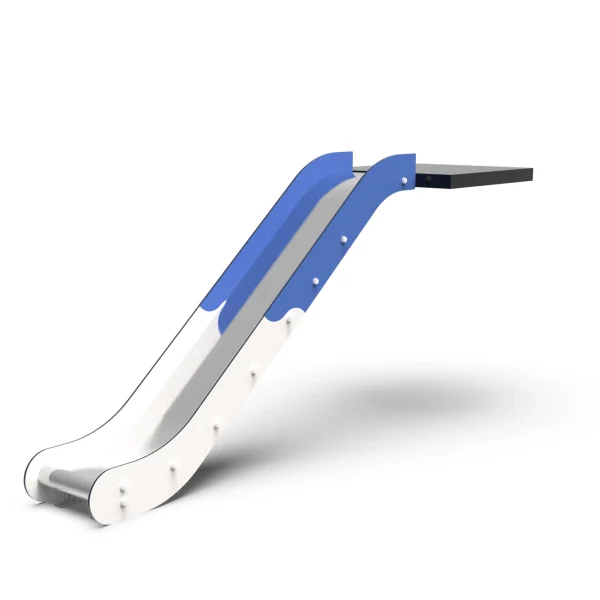
Shade Solution Selection Process
- Assess Site Sun Exposure: Map sun paths and intensity throughout the day and year.
- Prioritize Natural Shading: Identify existing trees or areas for new tree planting.
- Evaluate Structural Shade Needs: Determine areas requiring artificial shade based on sun exposure data.
- Select Shade Structure Type: Choose from sails, canopies, or integrated roof structures.
- Optimize Canopy Design: Consider material, height, and angle for maximum coverage.
- Integrate with Playground Layout: Ensure shade structures complement equipment and play flow.
Active Cooling for Extreme Conditions
Some climates push passive solutions past their limits. Misting systems lower ambient temperatures through evaporative cooling. They work well in dry climates where the water actually evaporates rather than just making everything damp.
Water play features serve multiple purposes. They cool surfaces directly, provide sensory experiences for kids, and create natural gathering points that keep children off the hottest equipment during peak sun hours. The integration requires careful drainage planning and attention to slip hazards.
These active systems add complexity and maintenance requirements. They make sense for high-traffic installations in challenging climates, less so for neighborhood playgrounds with limited budgets.
What materials best reduce slide heat absorption?
HDPE and specialized composites absorb significantly less heat than metal. The physics comes down to thermal conductivity. These thermoplastic materials transfer heat slowly, so even when the surface warms up, it doesn’t reach the extreme temperatures that cause burns. The tradeoff involves different wear characteristics and aesthetic options compared to metal, but for heat management, they outperform traditional materials consistently.
Keeping Heat Prevention Working Over Time
Installation is just the beginning. Dirt and grime accumulate on surfaces and can actually increase heat absorption. Regular cleaning maintains whatever thermal properties the original materials had.
Coated surfaces need periodic reapplication. The schedule depends on the specific coating, local conditions, and how much wear the equipment sees. Skipping this maintenance gradually erodes the heat prevention benefits.
A documented maintenance schedule keeps everything on track. Temperature spot checks with an infrared thermometer provide quick feedback on whether the system is working as intended.
How do professional playground designers mitigate slide heat?
The approach combines multiple strategies rather than relying on any single solution. Material selection comes first, favoring options with lower thermal conductivity. Shading gets integrated through trees, structures, or both. Site planning considers solar orientation from the earliest design stages. These elements work together to meet safety standards while creating spaces that actually get used during hot weather.
Are there innovative coatings for playground slides?
Several coating technologies have emerged in recent years. Heat resistant paints for metal reflect solar radiation before it converts to heat. Cool-touch coatings use similar principles with different formulations. Nanotechnology applications are showing up in some products, offering thin layers with strong heat-reflective properties. The effectiveness varies by product and application, so checking independent testing data helps separate marketing claims from actual performance.
Meeting Safety Standards and Regulations
ASTM F1487 and EN 1176 set specific requirements for playground equipment, including surface temperature limits. These standards exist because burns happen when surfaces exceed certain thresholds. Compliance isn’t optional for public installations.
The standards influence material selection, design decisions, and installation practices. Meeting them requires understanding both the letter of the regulations and the underlying safety principles they address.
Partner with LvDong for Safer Play Environments
Suzhou LvDong Amusement Equipment Co., Ltd. brings over a decade of experience in unpowered amusement solutions to every project. Our 10,000 square meters intelligent production base supports integrated R&D, design, production, installation, and after-sales support. We work with municipal parks, communities, and educational institutions to create play environments that stay safe and engaging even in challenging conditions. Reach out to discuss your specific requirements. WHATSAPP:+8613915684545 | [email protected]
What is the ideal surface temperature for playground slides to ensure child safety?
ASTM F1487 recommends that accessible surfaces stay below 120°F (49°C) to prevent contact burns. This threshold applies to any surface a child might touch, including metal slides during peak sun exposure. Reaching this target in hot climates requires combining material choices, shading, and sometimes active cooling. The specific approach depends on local conditions and budget constraints.
How can playground operators effectively monitor and manage metal slide temperatures?
Infrared thermometers provide quick temperature readings without touching the surface. Regular monitoring during hot weather identifies problems before children get hurt. Beyond monitoring, operators can implement shading, apply or reapply heat reflective coatings, and consider water features for active cooling. The right combination depends on the specific installation and local climate patterns.
Are there sustainable and eco-friendly solutions for reducing heat on metal playground slides?
Sustainable options exist across the spectrum of heat prevention strategies. Recycled materials with low thermal conductivity reduce environmental impact while improving safety. Trees provide natural shade with additional ecological benefits. Non-toxic heat reflective coatings avoid introducing harmful chemicals. These approaches align environmental responsibility with practical heat management, though they sometimes involve tradeoffs in cost or performance compared to conventional alternatives.