Indoor playground design for shopping malls is a strategic investment that shapes visitor experience and repeat foot traffic. Getting the layout, safety compliance, and equipment selection right from the start requires more than picking attractive components out of a catalog. The supplier you choose must function as a design partner—someone who understands building codes, column grids, fire-rated materials, and the commercial reality of mall operations. We have seen too many projects where a promising idea stalled because the supplier could not adapt designs to a real building, leaving mall operators with expensive modifications and gaps between concept and installation. A playground that works in a dedicated play center often fails in a mall’s mixed-use environment unless early collaboration addresses space, safety, and long-term service.
What Makes Mall Indoor Playground Design Different
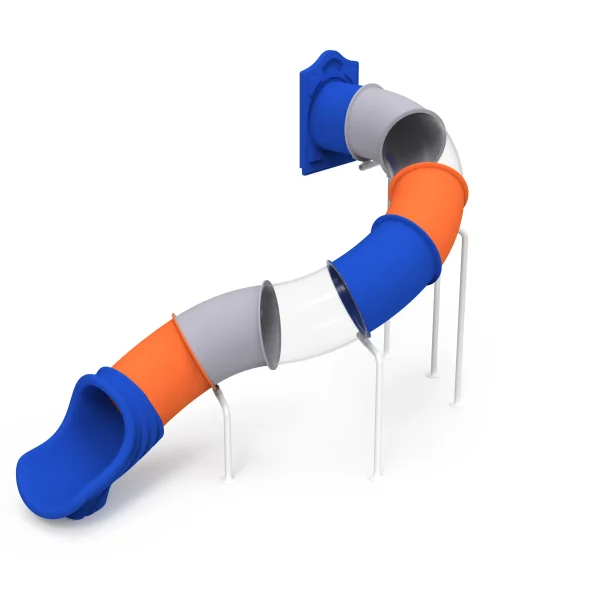
Mall indoor playgrounds live in a different environment than standalone family entertainment centers. Ceiling heights are fixed, columns are frequent, and fire egress corridors cannot be blocked. The design must work inside these architectural givens, not demand structural changes. We always start by reviewing the floor plan and reflected ceiling plan to map structural obstructions and exit paths. This influences everything: which equipment can fit, how tall a climbing structure can go, and where a slide exit lands. In one project, a central support column eliminated the possibility of a large spiral slide, and we redesigned the layout around a multi-level climbing net that turned the column into a play feature instead of a flaw. That kind of adaptive thinking is what a supplier should bring to the table.
Beyond physical space, mall playgrounds need to control noise and visibility. Soft play components with closed-cell foam and fabric coverings help absorb sound so the play area does not disrupt adjacent retail. Sightlines matter too: parents want to see their children from seating areas, so transparent panels and open-sided structures are important design elements. These practical considerations often go unmentioned in generic playground buying guides, but they determine whether the installation succeeds as a commercial amenity.
Safety Standards and Compliance for Indoor Playscapes
Safety inside a mall is not just about impact attenuation. Compliance spans multiple codes: EN 1176 (or ASTM F1487 in North America) for equipment safety, local fire codes for material flame spread, and building regulations for occupant load and emergency exit widths. The supplier should be able to produce test reports and certificates before equipment leaves the factory. Our own equipment, such as interactive play panels and spinning wheels, is built to EN 1176 and GB/T 34272-2017 standards, and we document compliance with third-party lab tests. Mall operators who ask for this documentation early avoid last-minute hurdles during the final building inspection.
| Standard | Scope | Relevance to Mall Playgrounds |
|---|---|---|
| EN 1176 | Playground equipment safety | Covers fall height, entrapment, structural integrity |
| GB/T 34272-2017 | Chinese national standard for playgrounds | Equivalent to international benchmarks |
| Local Fire Code (NFPA 101 or equiv.) | Means of egress, flame spread of materials | Upholstery and foam must meet Class A or equivalent |
| ISO 9001 | Quality management system | Indicates consistent manufacturing processes |
Maintenance and inspection also deserve a structured plan. Daily visual checks for loose fasteners or damaged surfaces, plus an annual professional inspection, keep equipment safe and preserve warranty terms. We recommend building this schedule into the contract, not treating it as an afterthought.
How to Choose a Playground Supplier for Your Mall
The supplier selection process should weigh three things equally: design capability, manufacturing standards, and post-installation support. A low price from a factory that ships standard units with no layout adaptation rarely saves money once shipping, installation, and future parts are factored in. We advise visiting the supplier’s production floor if possible, or requesting a virtual tour with real-time factory views. At our own 10,000-square-meter facility, clients see the entire workflow from metal fabrication to safety surfacing assembly, and we involve them in reviewing samples of foam density, fabric grades, and steel coatings.
Experience with mall projects specifically matters. A supplier who has built for standalone soft play centers may overlook the coordination required with a mall’s fire safety officer or the scheduling constraints of working in an occupied building. Ask for project references from similar mall installations, not just generic playground work. If your location has specific challenges—like a curved glass atrium wall or an underground floor with limited ventilation—raise these during the first consultation. The willingness and ability to problem-solve at that stage separates order-takers from true design partners.
If your program involves an unorthodox space shape or mixed-use requirements, it is worth confirming the supplier’s design approach early. We routinely work from CAD files and produce revised 3D layouts to show how equipment fits within the actual building envelope. You can reach our design team at [email protected] for a preliminary review.
A strong supplier will also have a clear process for spare parts, warranty claims, and long-term support. In our experience, the average indoor playground requires replacement of high-wear components—such as swing connectors and slide bed surfaces—within three to five years, depending on traffic. Knowing lead times for these parts upfront prevents a broken piece from closing a popular attraction during peak season.
Designing for Small or Irregular Mall Spaces
Not every mall unit is a generous rectangle. Courtyard spaces, kiosk zones, and mezzanine corners can still host an effective playground if the design uses height and modularity. We often recommend wall-mounted activity panels and vertical climbing structures to minimize the floor footprint while keeping play value high. A combination of a compact soft play pod with a short slide and an adjacent interactive panel can engage toddlers and preschoolers in under 30 square meters, a critical benchmark for small units.
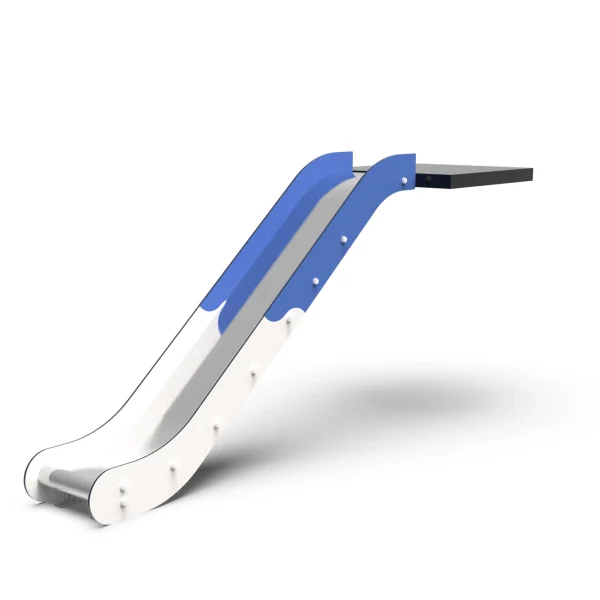
Modular equipment also makes future relocation or expansion easier. If the mall later reassigns the tenant space, unbolted modular frames can be reconfigured rather than scrapped. That flexibility should be part of the design conversation from day one.
Installation, Timeline, and Post-Installation Support
A typical mall playground of 150 to 300 square meters takes between two and four weeks for on-site assembly, provided the subfloor and power supplies are ready when the crew arrives. We coordinate with mall management to schedule deliveries outside business hours and allocate a staging area for crates. After installation, we perform a structured safety audit covering entrapment testing, fall zone clearance, fastener torque checks, and surface impact testing. Only after all checks pass do we hand over the completed play area.
Post-installation support matters because equipment parts wear out and code standards evolve. We maintain an inventory of fast-wear parts for all the equipment we manufacture, and we ship replacement components within standard lead times agreed in the initial contract. Having that commitment in writing protects the mall’s investment for years.
Investing in Value, Not Just the Lowest Bid
Playground cost per square meter ranges widely, from budget soft play with basic shapes to custom-themed structures with specialized interactive features. The purchasing decision involves more than the equipment price. Shipping, import duties, on-site installation, safety certification, and spare parts all contribute to total cost of ownership. A supplier who includes design consulting, compliance documentation, and a clear warranty in the base package often delivers better long-term value than a marginally cheaper alternative that charges for each service separately. We structure our proposals to show full-scope pricing so there are no hidden add-ons later.
Questions Mall Developers Ask About Indoor Playgrounds
Is an indoor playground profitable for a shopping mall?
A well-designed playground increases family dwell time, which translates to higher in-mall spending. Anecdotal data from retail environments suggests that families who visit a mall with a quality play area stay 30 to 45 minutes longer on average. The playground does not need to be a direct profit center if it drives tenant sales and repeat visits. We recommend working with your leasing team to calculate the value of increased foot traffic versus the operating cost.
What maintenance is required for soft play equipment?
Daily cleaning of high-touch surfaces with non-toxic disinfectants is essential. Weekly inspections should check for loose hardware, torn vinyl, and compressed foam that reduces impact protection. Monthly checks include structural tightening and looking for corrosion on metal connectors. Keeping a log of these inspections demonstrates compliance and protects your insurance position.
Can the playground equipment be customized to match our mall brand?
Custom theming is common in mall playgrounds. We can match corporate colors, incorporate branded characters, and design signature entrance archways. This integration turns the playground into an extension of the mall’s visual identity rather than a generic add-on. Send your brand guidelines and we will propose a themed concept that keeps all safety certifications intact.
How do we minimize noise from the play area?
Treat noise at the source and at the boundary. Soft play materials reduce impact noise, while acoustic ceiling panels and sound-absorbing wallcoverings contain airborne sound. Locating the play area away from quiet retail zones and using glass partitions with acoustic seals further isolates noise. In our projects, these measures consistently keep sound levels acceptable for adjacent retail.
What is the first step to starting an indoor playground project?
Map your available space, identify target age groups, and set a realistic budget range. Then share that brief with a supplier who can return a preliminary layout and cost estimate within a few weeks. At Suzhou LvDong, we begin every project with a no-obligation design review based on your floor plans. Send your dimensions, budget, and any inspiration images to [email protected], and our team will create a custom 3D concept. A well-prepared brief shortens lead times and gives you something tangible to present to management or investors.
If you’re interested, check out these related articles:
Global Import Regulations for Playground Equipment by Country
Why ISO Certification Elevates Commercial Playground Equipment Manufacturers
Mastering Age Inclusive Outdoor Play Equipment Solutions