Airports present one of the most demanding environments for children’s playground equipment. Thousands of families pass through terminals daily, and play areas operate continuously with minimal downtime for maintenance. Standard playground equipment designed for parks or schools simply cannot withstand this intensity. The equipment selection decision for airport children’s playgrounds directly determines whether the installation will perform reliably for years or require costly repairs within months. From my experience coordinating playground projects across diverse commercial settings, airport installations demand a specific combination of material specifications, structural design, and maintenance planning that differs substantially from other high traffic venues.
Why Airport Playgrounds Face Unique Durability Challenges
Airport children’s playgrounds operate under conditions that accelerate wear beyond typical commercial installations. The combination of continuous operation, diverse user populations, and strict facility management requirements creates a durability challenge that many procurement teams underestimate.
Terminal play areas typically see 12 to 18 hours of daily use, compared to 4 to 6 hours for community parks. Children arrive in waves corresponding to flight schedules, creating peak load periods where equipment experiences maximum stress. Unlike neighborhood playgrounds where the same children develop familiarity with equipment, airport users are predominantly first time visitors who may not understand intended play patterns.
The indoor terminal environment introduces additional factors. Climate control systems maintain consistent temperatures but also circulate dust and particles that accumulate on moving parts. Cleaning protocols in airports require equipment surfaces to withstand frequent sanitization with commercial grade cleaning agents. Luggage carts, wheelchairs, and service vehicles moving through adjacent areas increase the risk of accidental impact damage.
| Environment Factor | Park Playground | Airport Playground |
|---|---|---|
| Daily operating hours | 4–6 hours | 12–18 hours |
| Annual user cycles | 15,000–30,000 | 200,000–500,000 |
| Cleaning frequency | Weekly | Multiple times daily |
| User familiarity | High | Very low |
| Supervision consistency | Variable | Minimal |
Material Specifications That Withstand Continuous Use
Material selection determines whether airport playground equipment will maintain structural integrity and appearance under extreme use cycles. The difference between standard commercial grade and airport grade materials is not merely quality, it is specification for a fundamentally different application.
Steel frame components require minimum wall thickness of 2.5mm for primary structural members, compared to 2.0mm acceptable in standard commercial installations. Galvanization must meet or exceed 275 g/m² zinc coating weight to prevent corrosion from cleaning chemicals and humidity fluctuations near terminal entrances. Powder coating thickness should reach 80 to 100 microns with UV stabilization, even for indoor installations where fluorescent lighting can cause gradual color degradation.
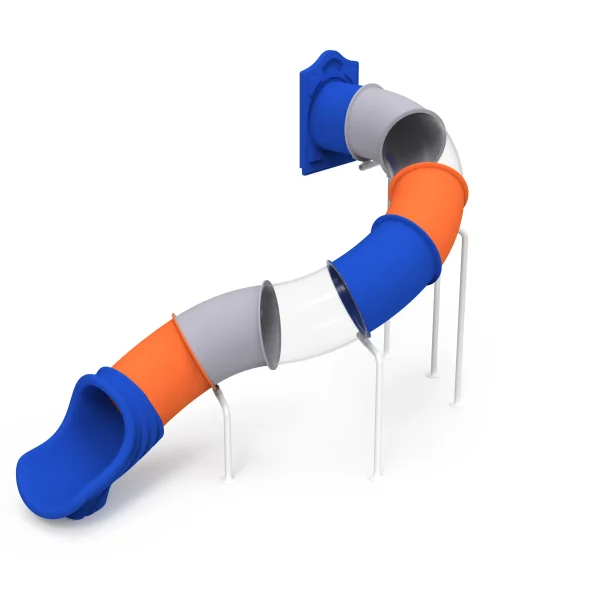
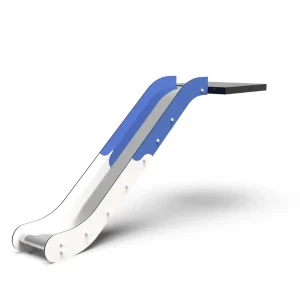
LLDPE (Linear Low Density Polyethylene) components for slides and panels must specify UV8 stabilization grade and minimum wall thickness of 6mm for slide chutes. Rotomolded parts should show consistent wall thickness throughout, which indicates proper manufacturing process control. I have observed that equipment with visible wall thickness variations at edges typically shows stress cracking within 18 to 24 months under airport conditions.
Hardware specifications often receive insufficient attention during procurement. Fasteners should be 304 grade stainless steel minimum, with 316 grade preferred for installations near terminal entrances where de-icing salt exposure may occur. Bearing assemblies in spinning equipment require sealed construction with minimum 50,000 cycle rating, and replacement bearings must be readily available from the manufacturer.
Structural Design Features for Extended Service Life
Beyond material specifications, structural design determines how equipment distributes stress and accommodates the repetitive loading patterns characteristic of airport use. Equipment designed for lower traffic environments may use adequate materials but lack the structural reinforcement needed for airport durability.
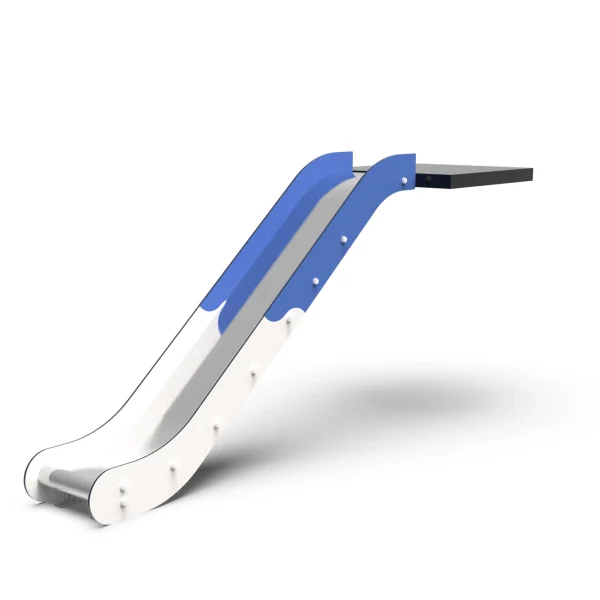
Connection points between components represent the highest failure risk areas. Welded connections should show full penetration welds with smooth grinding, not surface tack welds that can crack under cyclic loading. Bolted connections require through bolting with nylon locking nuts rather than self tapping screws into plastic components. Platform deck connections to frame structures should use multiple fastening points to distribute load rather than relying on single connection hardware.
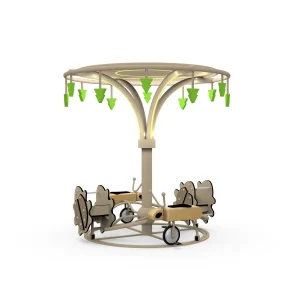
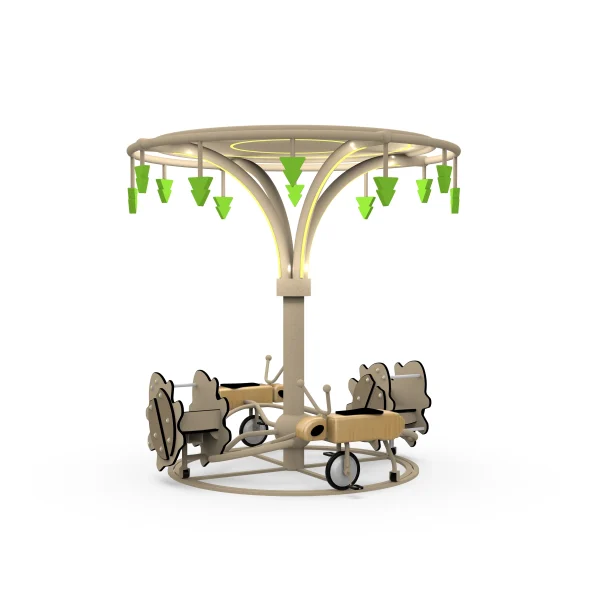
Spring riders and spinning equipment face particular stress in airport settings. Spring riders should specify heavy duty springs rated for 100,000+ cycles, with spring diameter of 12mm minimum. Spinning equipment requires reinforced center bearing housings and base plates with multiple anchor points. Multi-player spinning equipment with user capacity of 6 to 10 children needs center post wall thickness of at least 4mm to handle simultaneous loading from multiple directions.
Equipment with low maximum fall heights, typically under 60cm, reduces both injury risk and structural stress from impact loading. This design approach also simplifies safety surfacing requirements and reduces ongoing maintenance costs for impact absorbing materials.
Maintenance Planning Before Equipment Selection
The maintenance implications of equipment selection decisions often become apparent only after installation. Procurement teams that evaluate maintenance requirements during the selection phase avoid costly surprises and operational disruptions.
Modular design allows replacement of individual worn components without removing entire equipment assemblies. Slide sections, platform decks, and panel elements should be individually removable using standard tools. Equipment requiring specialized proprietary tools for routine maintenance creates long term dependency on manufacturer service visits.
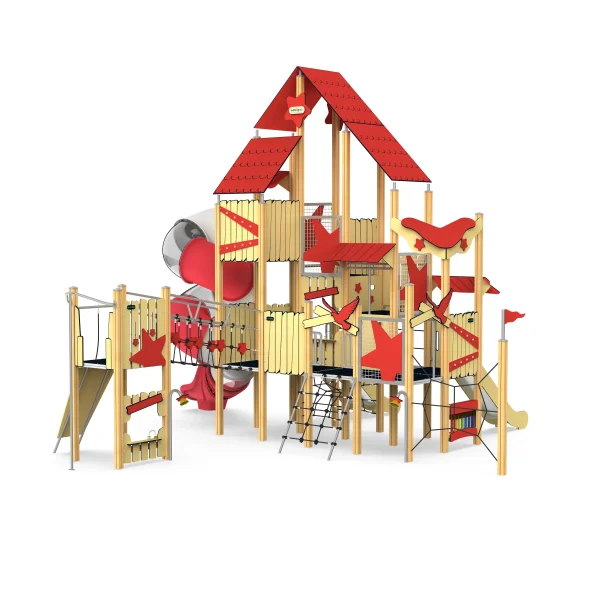
Spare parts availability and lead times require verification before purchase. Request documentation of parts inventory levels and typical shipping times for common replacement items including bearings, fasteners, spring assemblies, and panel sections. Manufacturers maintaining regional parts distribution can typically deliver within 5 to 7 business days, while those shipping only from overseas facilities may require 4 to 6 weeks.
Surface finish durability affects both appearance and cleaning efficiency. Textured surfaces hide wear better than smooth finishes but may trap contaminants. Specify antimicrobial additives in plastic components and smooth transition radii that eliminate crevices where debris accumulates. Equipment surfaces should withstand cleaning with quaternary ammonium compounds and alcohol based sanitizers without degradation.
| Maintenance Factor | Specification to Request |
|---|---|
| Parts lead time | Under 10 business days |
| Tool requirements | Standard metric tools only |
| Component modularity | Individual section replacement |
| Surface chemical resistance | QAC and alcohol compatible |
| Warranty coverage | Minimum 3 years structural |
Certification and Testing Documentation Requirements
Airport facility managers typically require comprehensive documentation demonstrating equipment compliance with safety standards. Understanding which certifications matter and how to verify them prevents procurement delays and installation complications.
EN 1176 certification covers European playground equipment safety standards and is widely recognized internationally. ASTM F1487 applies to public playground equipment in North American markets. Equipment intended for airport use should carry certification to at least one of these standards, with testing conducted by accredited third party laboratories rather than manufacturer self certification.
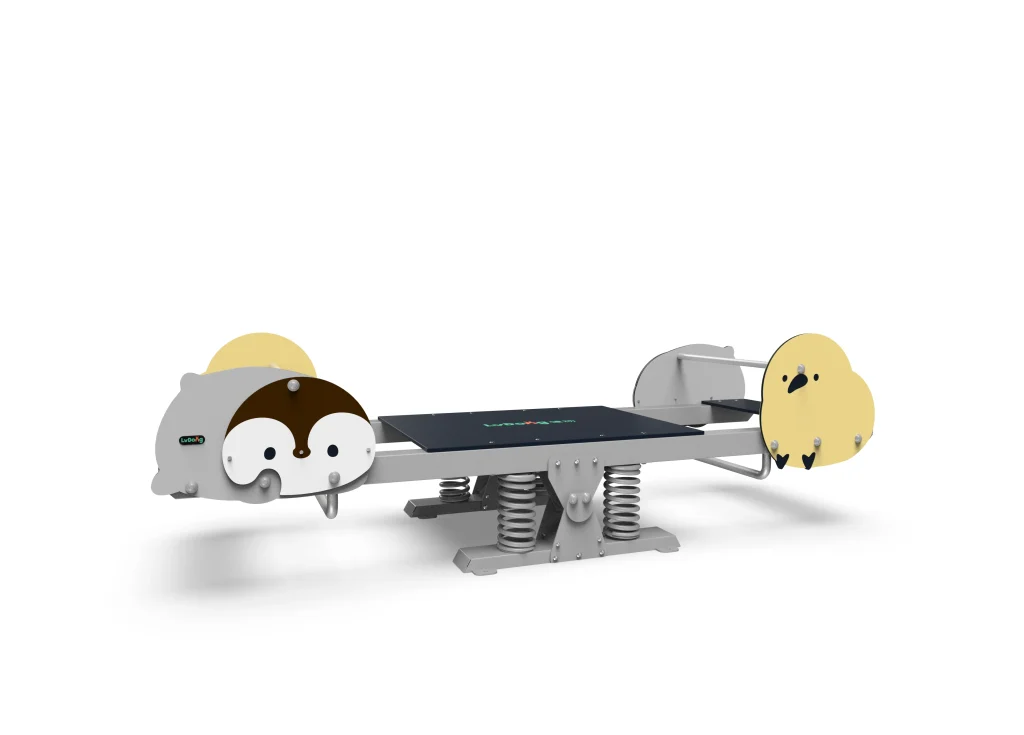
Request test reports showing specific equipment models, not generic product line certifications. Test reports should identify the testing laboratory, test date, standard version, and specific clauses evaluated. For equipment with spinning or rocking motion, verify that dynamic load testing was performed at the rated user capacity.
Material certifications for steel, plastics, and coatings provide traceability and verify that production materials match specification requirements. SGS, REACH, and RoHS compliance documentation demonstrates attention to material safety and environmental standards that many airport authorities now require.
Installation documentation should include foundation specifications, anchor requirements, and safety zone dimensions. Equipment requiring specialized foundation preparation or proprietary anchor systems may increase installation costs significantly compared to standard concrete anchor installations.
Working with Suppliers on Airport Specific Requirements
Most playground equipment suppliers have limited experience with airport installations and may not anticipate the specific requirements these environments demand. Clear communication of expectations during the quotation and specification phase prevents misunderstandings and ensures appropriate equipment recommendations.
Provide suppliers with specific information about daily operating hours, estimated annual user volume, cleaning protocols, and any facility specific requirements such as noise restrictions or color palette constraints. Request references from previous airport or similar high traffic commercial installations, and contact those references to verify equipment performance over time.
If your airport playground project involves specific traffic patterns, space constraints, or integration with terminal design elements, discussing these details with the supplier’s technical team before finalizing specifications can identify potential issues and alternative solutions. Share your site dimensions and traffic flow requirements with our team at [email protected] or WhatsApp +8613915684545, and we can confirm which equipment configurations match your durability and space requirements.
Common Questions About Airport Playground Equipment Selection
What warranty coverage should airport playground equipment include?
Structural warranty coverage should extend minimum 3 years for frame components and 2 years for moving parts and hardware. Standard 1 year warranties are insufficient for airport applications where accelerated wear may not manifest until the second year of operation. Verify that warranty terms cover commercial use explicitly, as some manufacturers void warranties for installations exceeding residential use intensity. Request warranty documentation specifying coverage conditions and claim procedures before purchase.
How do cleaning requirements affect material selection for airport playgrounds?
Airport cleaning protocols typically require sanitization multiple times daily using commercial disinfectants. Plastic components must resist degradation from quaternary ammonium compounds, alcohol solutions, and hydrogen peroxide cleaners. Powder coated metal surfaces need chemical resistant topcoats rated for commercial cleaning exposure. Request material data sheets confirming chemical compatibility with your facility’s approved cleaning products, as incompatible combinations cause surface degradation and premature failure.
What installation timeline should procurement teams expect for airport playground equipment?
Manufacturing lead time for custom configured airport playground equipment typically ranges from 6 to 10 weeks after order confirmation. Shipping adds 2 to 4 weeks depending on destination. Installation requires 2 to 5 days depending on equipment complexity and foundation preparation requirements. Total timeline from order to operational installation commonly spans 10 to 16 weeks. If your project timeline is constrained, confirm current production schedules and shipping options with suppliers before finalizing orders.
How can procurement teams verify equipment durability claims from manufacturers?
Request documentation of accelerated wear testing, cycle testing for moving components, and field performance data from comparable installations. Visit the manufacturer’s production facility if possible to observe quality control processes and material handling. Contact references from previous high traffic installations and ask specifically about maintenance frequency, parts replacement history, and any warranty claims. Manufacturers confident in their durability specifications will provide this information readily.
What ongoing costs should budget planning include beyond initial equipment purchase?
Annual maintenance costs for airport playground equipment typically run 3 to 5 percent of initial equipment cost, covering inspection, lubrication, hardware tightening, and minor repairs. Budget for replacement of wear items including bearings, springs, and fasteners on 2 to 3 year cycles. Safety surfacing replacement or refurbishment may be required every 5 to 7 years depending on material type. Include staff training costs for daily inspection protocols and periodic professional safety audits. If you need guidance on lifecycle cost projections for specific equipment configurations, reach out with your project details and we can provide maintenance planning documentation.
If you’re interested, check out these related articles:
Choosing a Soft Play Specialist Indoor Playground Equipment Expertise
Hurricane Spinner Load Testing Unpacking Playground Safety Standards
Factory Visit Checklist Outdoor Playground Equipment Quality