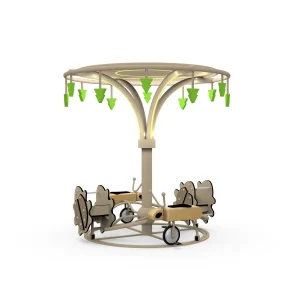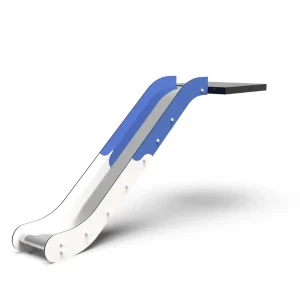
Selecting the right park playground equipment suppliers is a critical decision for any community development project. It directly impacts the safety, engagement, and longevity of a public play space. This choice requires careful consideration of various factors, from understanding community needs to evaluating a supplier’s adherence to stringent safety standards and their ability to provide comprehensive support. The goal is always to create environments where children can thrive through active, imaginative play.
Defining Your Community Park Playground Needs
Before engaging with any supplier, a clear understanding of your community’s specific requirements is foundational. This involves more than just selecting equipment. It means designing a play space that truly serves its intended users.
The process begins by assessing the demographics of the community, considering the age ranges of children who will use the park, their developmental needs, and any specific accessibility requirements. Site conditions also play a significant role, influencing layout, equipment types, and safety surfacing materials. A park serving a dense urban area might prioritize multi-functional structures that maximize play value in a smaller footprint, while a suburban park might accommodate larger, more spread-out installations. Engaging the community in this initial design phase often leads to greater satisfaction and a sense of ownership over the final playground.
Essential Criteria for Evaluating Playground Suppliers
A supplier’s track record, commitment to safety, and comprehensive service offerings are non-negotiable for public park projects. When evaluating park playground equipment suppliers, look for a partner who demonstrates deep experience and a clear understanding of the unique challenges involved. Suppliers with a long history in the industry often bring invaluable insights into playground design considerations and durability. Suzhou LvDong Amusement Equipment Co., Ltd. has accumulated over a decade of craftsmanship, innovation, and strategic foresight in unpowered amusement equipment. This extensive background, coupled with involvement in over 1,500 projects nationwide, provides a depth of knowledge that ensures robust and engaging solutions.
Here are some key aspects to consider when comparing potential partners:
| Feature | Description | Importance |
|---|---|---|
| Experience | Years in business, number of completed projects, diverse project types. | High |
| Certifications | Compliance with international and local safety standards (e.g., EN 1176). | Critical |
| Design Ability | Customization options, innovative play concepts, inclusive design expertise. | High |
| Material Quality | Durability, weather resistance, non-toxic components, sustainability. | Critical |
| Warranty | Coverage for defects, structural integrity, and component longevity. | High |
Navigating Safety, Durability, and Compliance Standards
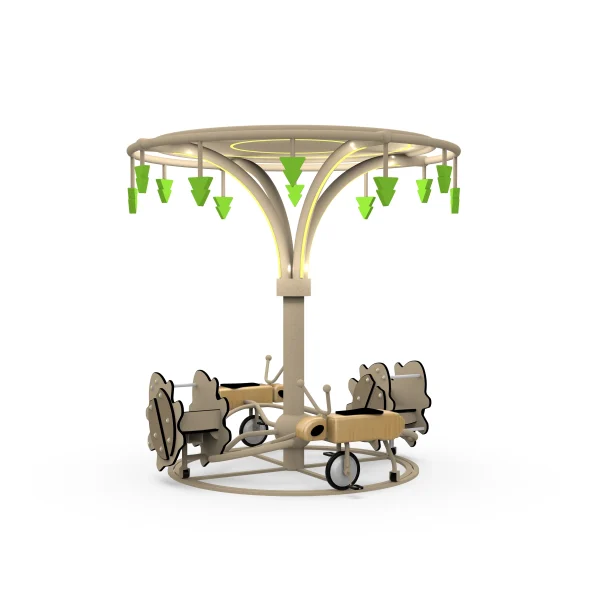
Public playgrounds demand rigorous adherence to safety standards, durable materials, and full regulatory compliance to protect users and mitigate risk. The selection of materials directly influences the longevity and safety of the equipment. A focus on unpowered equipment means prioritizing robust, weather-resistant materials that withstand constant use and diverse environmental conditions.
Suzhou LvDong Amusement Equipment Co., Ltd. operates a modern, intelligent production base with a rigorous standardized quality management system, which ensures every component meets stringent specifications before it leaves the facility. This commitment to quality is not just about meeting a standard. It is about guaranteeing the safety of every child who plays on these structures.
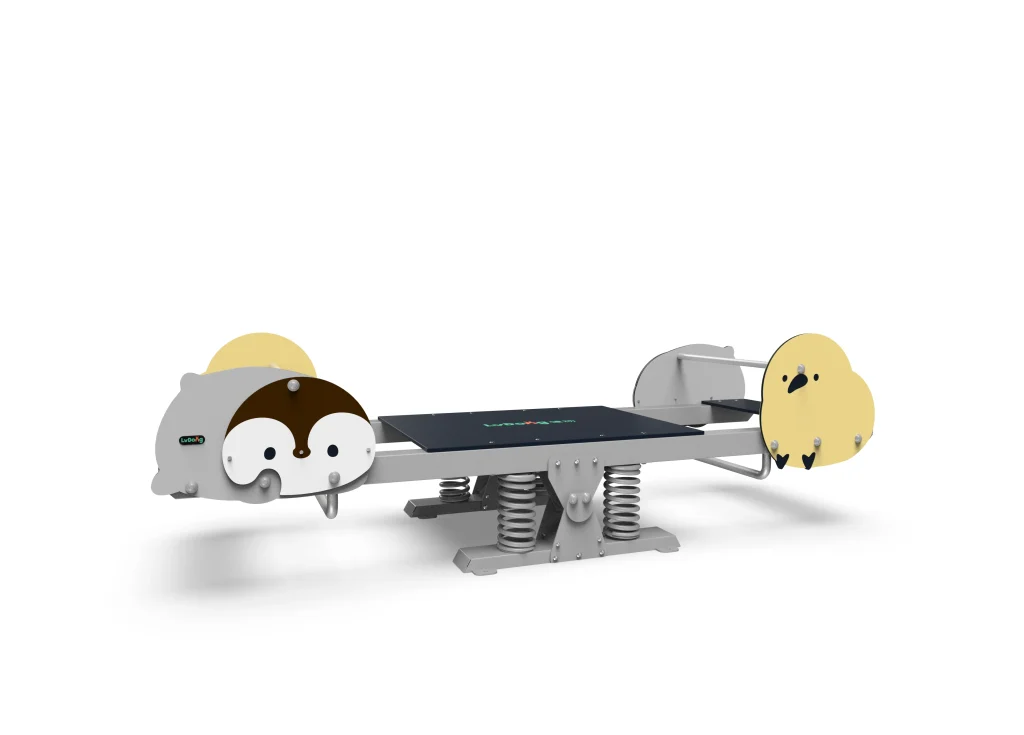
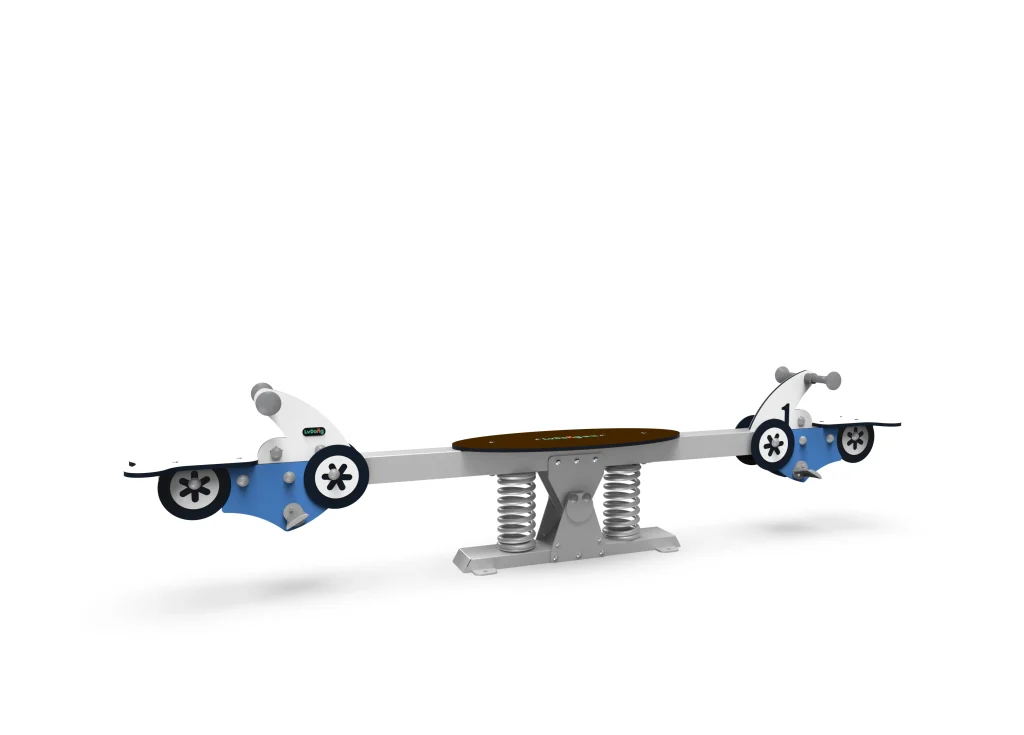
Consider a municipal park project where a series of Multi-Person Outdoor Playground Seesaws were installed. By using high-strength steel frames with spring-assisted bases, the equipment not only met the EN 1176 safety standard for impact absorption but also significantly extended the equipment’s operational lifespan, reducing future maintenance costs for the city.
Budgeting, Funding, and Long-Term Investment
Strategic financial planning, including initial costs, funding sources, and long-term operational expenses, is critical for sustainable community park development. The initial purchase price of playground equipment is only one part of the overall cost of playground equipment. Installation, safety surfacing, site preparation, and ongoing maintenance must also be considered.
Exploring various funding for community playgrounds, such as grants, community fundraising, or public-private partnerships, can help make ambitious projects feasible. A long-term investment perspective means evaluating the return on investment for playgrounds, not just in terms of monetary value, but also in the social and health benefits they provide to the community. Choosing durable, high-quality equipment, even if it has a higher upfront cost, often results in lower long-term operational costs and fewer repairs, ultimately proving more economical over the playground’s lifespan.
If your project involves balancing budget constraints with long-term durability requirements, it is worth discussing material options and lifecycle cost projections with a supplier before committing to a specific equipment line.
Installation, Maintenance, and Ongoing Support
The lifecycle of a playground extends far beyond its purchase, requiring professional installation, regular maintenance, and reliable after-sales support for safety and longevity. Proper playground installation services are paramount to ensuring the equipment functions as designed and meets all safety requirements.
A supplier offering integrated full-industry-chain service capability, from design to installation, provides a seamless project experience. This includes detailed site preparation guidance, professional assembly, and post-installation inspections. Following installation, a comprehensive maintenance requirements for playgrounds plan is essential. This plan should outline routine checks, cleaning schedules, and procedures for addressing wear and tear.
Suzhou LvDong Amusement Equipment Co., Ltd. provides robust after-sales support, including spare parts availability and technical assistance, to ensure playgrounds remain safe and enjoyable for years to come.
Frequently Asked Questions
What are the key safety certifications for playground equipment?
Key safety certifications for playground equipment include EN 1176 (European Standard), ASTM F1487 (North American Standard), and GB/T 34272-2017 (Chinese National Standard). These standards cover design, materials, installation, and maintenance, ensuring equipment is safe for public use. Compliance with these certifications indicates a supplier’s commitment to rigorous safety protocols and child protection. Always request documentation of these certifications from potential suppliers.
How do I ensure a playground is accessible for all children?
Ensuring a playground is accessible for all children involves adhering to ADA compliance playgrounds guidelines in the United States or similar accessibility standards internationally. This means incorporating features like ramp access to elevated structures, unitary safety surfacing materials, ground-level play components, and sensory-rich activities. Working with a supplier experienced in inclusive playground equipment design is essential to create spaces where every child can participate and play.
What is the typical lifespan of quality community park playground equipment?
The typical lifespan of quality community park playground equipment ranges from 15 to 20 years, and often longer, depending on the materials, manufacturing quality, environmental conditions, and maintenance frequency. Equipment made from high-grade steel, durable plastics, and treated wood, combined with regular inspections and maintenance, can significantly extend this lifespan. Investing in well-constructed equipment from reputable park playground equipment suppliers minimizes the need for premature replacement.
How important is local community input in playground design?
Community input is highly important as it ensures the playground genuinely reflects local needs and preferences, fostering a sense of ownership and increasing usage. Engaging residents in the playground design considerations phase helps create a more inclusive and beloved space. Their insights can highlight specific play preferences or cultural elements to incorporate.
What are the primary benefits of choosing unpowered amusement equipment?
Unpowered amusement equipment offers significant benefits, including lower maintenance requirements, reduced operational costs, and enhanced safety due to the absence of complex electrical or mechanical systems. It encourages active play and creative engagement, aligning with children’s development through play, and promotes physical activity.
What is the recommended frequency for playground safety inspections?
Regular safety inspections are critical. Daily visual checks by park staff are recommended, alongside monthly operational inspections and annual comprehensive inspections by certified professionals to ensure all safety surfacing materials and equipment remain compliant and hazard-free. This multi-layered approach helps identify and address issues promptly. To discuss inspection protocols or maintenance planning for your specific installation, contact Suzhou LvDong at [email protected] or WHATSAPP:+8613915684545.
To discuss specific requirements for your next playground project, contact Suzhou LvDong Amusement Equipment Co., Ltd. at [email protected] or WHATSAPP:+8613915684545.
If you’re interested, check out these related articles:
Maximizing Space Strategic Designs for Mall Indoor Playgrounds
Global Import Regulations for Playground Equipment by Country
Factory Visit Checklist Outdoor Playground Equipment Quality
Playground Turntable Safety EN1176 vs ASTM Standards Unpacked
Double Slide Playground Design for Optimal Traffic Flow Strategies