Shopping malls keep bumping into the same problem: not enough room for family entertainment that actually works. The playgrounds that get built often feel like afterthoughts, squeezed into whatever corner was left over. But the ones designed with real intention? They pull families in, keep them around longer, and turn a retail space into somewhere people want to spend their Saturday. Getting the layout right matters more than most operators realize.
Going Up When You Can’t Go Out
When floor space runs tight, the only direction left is up. Vertical play structures and multi-level systems pack more activity into the same square footage without feeling cramped. The trick is layering climbing elements, slides, and interactive panels so kids move naturally between levels rather than bunching up in one spot.
LvDong builds unpowered equipment that handles these constraints well. The Multi-Player Playground Spinning Wheel fits 6-10 kids on a stable round structure, with a footprint between 120 and 200 cm in diameter and heights ranging from 70 to 220 cm. Themed versions like the space cage or windmill give it visual punch without eating extra space. For solo play, the Single-Player Playground Spinning Equipment runs even smaller at 60 × 60 × 90 cm up to 95 × 80 × 160 cm, focusing on balance and coordination.
Modular components add another layer of flexibility. Pieces can be swapped, rearranged, or expanded when needs shift. Mixing soft play, climbing walls, and compact slides into a single vertical flow keeps kids engaged and moving rather than waiting in line for one popular feature.
Keeping Kids Moving Without Chaos
High-density play areas turn into bottlenecks fast without careful planning. Clear pathways and obvious entry and exit points guide traffic naturally, which matters as much for safety as it does for the overall experience. Parents watching from the sidelines need to see what’s happening, and kids need room to move without colliding.
Accessibility shapes every layout decision. Wide corridors, ramps where they make sense, and play elements that work for different abilities aren’t optional extras. They’re built into the foundation. Seating placement for guardians gets the same attention, positioned for comfortable oversight without blocking circulation.
Quieter activities placed away from high-energy zones spread kids out more evenly. This simple separation reduces crowding at any single point. Fall surfacing, equipment spacing, and other safety requirements get integrated from the start rather than patched in later.
Why Modular Equipment Pays Off Over Time
Adaptable designs solve problems that fixed installations can’t touch. When a playground can be reconfigured without tearing everything out, operators can refresh the experience, respond to what’s working, and adjust for different age groups as visitor patterns change.
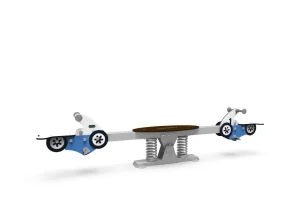
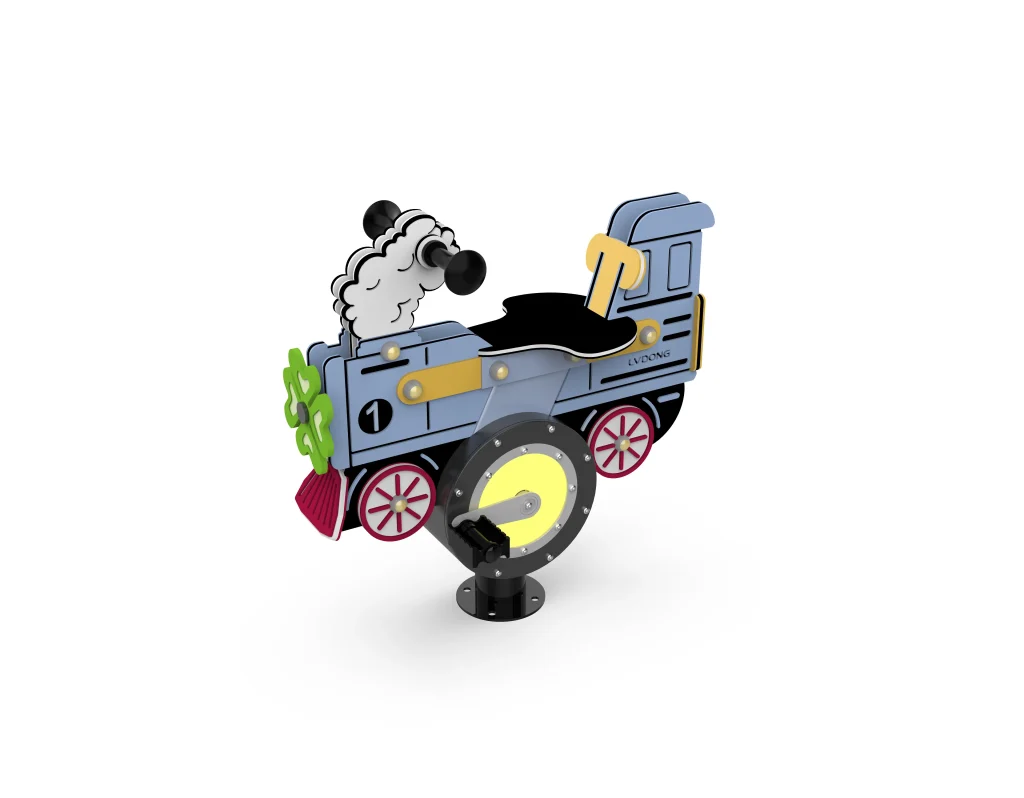
LvDong’s Spring Playground Equipment shows how this works in practice. Single-user spring riders fit into various layouts with minimal fuss. Durable, weather-resistant materials mean they hold up over years of heavy use. Swapping or rearranging individual components keeps the playground feeling fresh without starting from scratch.
| Feature | Fixed Equipment | Modular Equipment |
|---|---|---|
| Space Use | Static, less efficient for changing needs | Flexible, optimizes space through reconfigurations |
| Reconfiguration | Difficult, often requires full replacement | Easy, allows for layout changes and updates |
| Lifespan | Limited by fixed design, prone to obsolescence | Extended through adaptability and component updates |
| Cost | Higher long-term cost due to replacement | Lower long-term cost due to reusability |
| Play Value | Can become repetitive over time | Sustained engagement through novelty and variety |
The sustainability angle matters too. Less waste from full replacements, longer operational life, and sustained visitor interest add up to a smarter investment over the long run.
If you’re interested, check 《Why Choose Us》.
Making the Numbers Work
Space-efficient design ties directly to revenue. The metrics that matter include revenue per square foot, increased foot traffic to the mall, and how long families stick around. A playground that accommodates more kids per hour without feeling overcrowded generates more income from entry fees, party bookings, and the spending that happens at nearby shops and restaurants.
Families drawn in by a well-designed play area tend to stay longer and come back more often. That extended dwell time translates into higher spending across the mall, not just at the playground itself. Average play duration and repeat visit rates signal whether the design is actually working.
| Metric | Description | Impact on ROI |
|---|---|---|
| Revenue per Square Foot | Income generated per unit of area occupied by the playground. | Directly increases profitability in limited spaces. |
| Increased Mall Footfall | Higher number of visitors entering the mall due to the playground. | Boosts overall mall sales and tenant satisfaction. |
| Visitor Dwell Time | Average duration families spend in the mall due to the playground. | Leads to higher incidental spending across the mall. |
| Children’s Engagement | Level of interaction and enjoyment children experience with equipment. | Encourages repeat visits and positive word-of-mouth. |
A straightforward ROI calculation weighs the initial investment against projected gains from tickets, retail lift, and the reduced marketing spend that comes from word-of-mouth reputation.
Safety That Doesn’t Get Compromised
Compact layouts demand extra attention to safety. International standards exist for good reasons, and cutting corners in high-density environments creates real risks. LvDong’s standardized quality management system ensures designs meet stringent regulations without sacrificing play value.
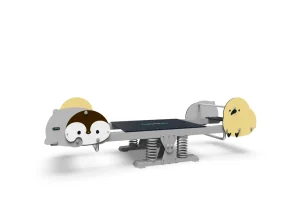
Risk assessment identifies hazards before they become problems. Material selection focuses on durability and non-toxicity. Equipment like the Multi-Person Outdoor Playground Seesaw carries EN 1176 and GB/T34272-2017 compliance, covering requirements for materials, construction, and fall heights.
Clear sightlines for supervision and accessible emergency exits get designed in from the beginning. Soft fall surfacing meets critical fall height requirements. Regular maintenance schedules keep everything functioning safely over time.
Safety Compliance Checklist for Compact Playgrounds
- Equipment Certification: Verify all equipment meets EN 1176 or equivalent international standards.
- Material Safety: Use non-toxic, durable, and impact-absorbing materials.
- Fall Zones: Ensure adequate fall surfacing and clear fall zones around all equipment.
- Supervision: Design layouts that allow for unobstructed views of all play areas.
- Accessibility: Provide clear pathways and accessible entry/exit points.
- Maintenance: Establish a regular inspection and maintenance program.
Themes That Pull Kids In
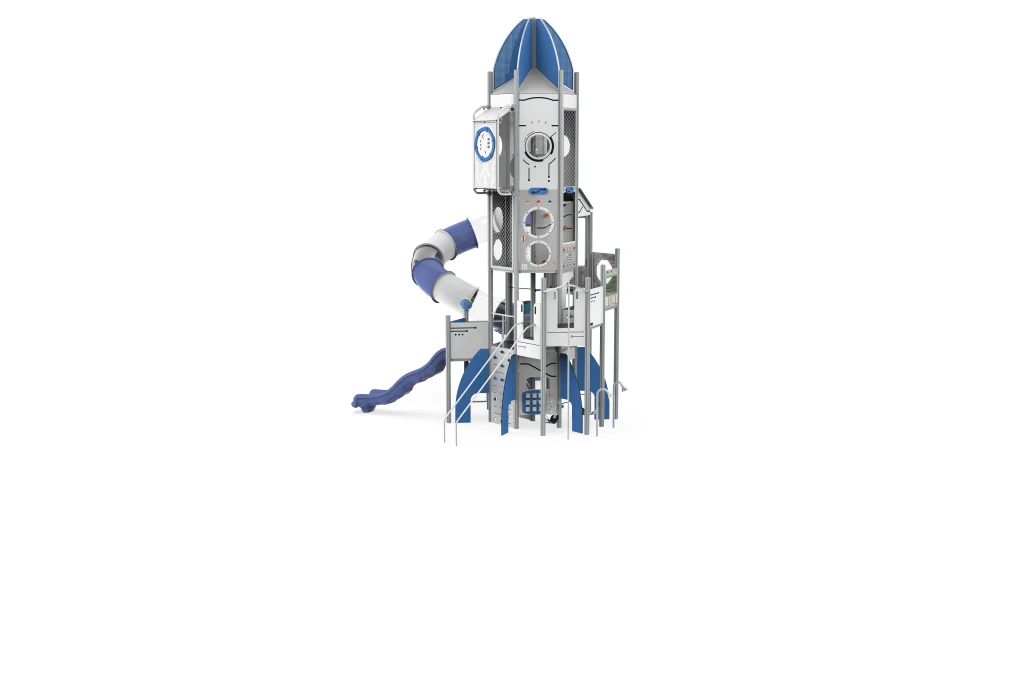
Limited space doesn’t mean limited imagination. Thematic design transforms a functional play area into somewhere kids actually want to be. A space theme might include climbing structures shaped like rockets and planets. Textured panels and sound-producing elements add sensory layers without eating floor space.
LvDong’s Interactive Play Equipment stimulates both cognitive and physical development within compact footprints. The Multi-Player Playground Spinning Wheel’s themed designs encourage group play, while Single Player Playground Spinner units offer individual exploration that still fits the overall narrative.
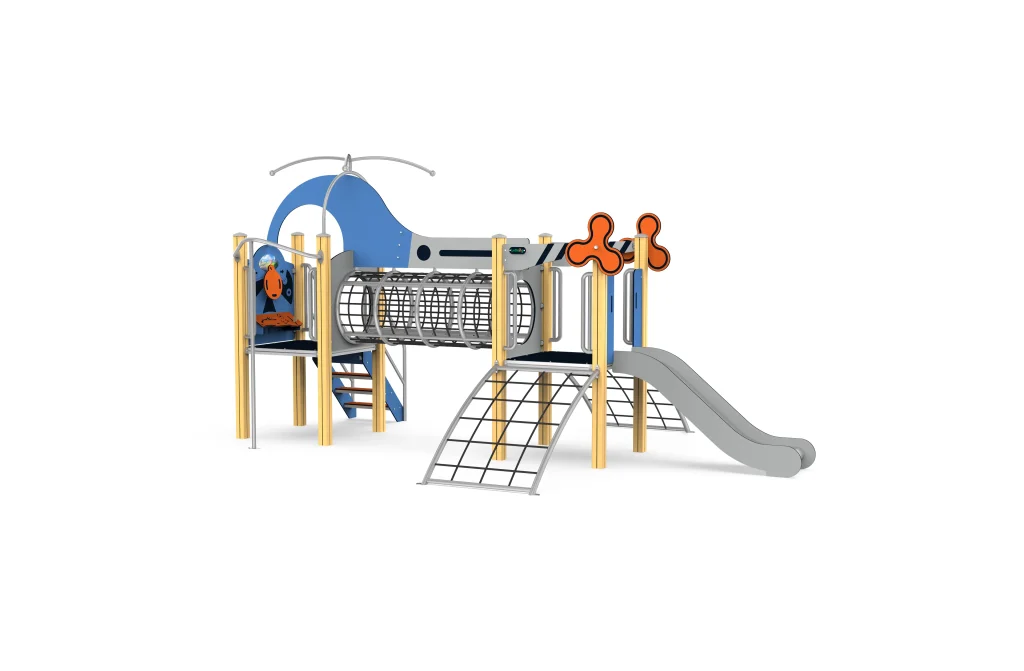
Visual appeal draws families in before anyone sets foot on the equipment. Bright colors, engaging graphics, and distinctive structures make the playground a destination rather than a convenience. The combination of aesthetics and functionality creates spaces that work hard commercially while delivering genuine play value.
Working with Suzhou LvDong
Suzhou LvDong Amusement Equipment Co.,Ltd brings over a decade of experience to indoor playground projects. The full-industry-chain service covers R&D, design, production, installation, and after-sales support. More than 1,500 successful projects across different scenarios demonstrate what’s possible with unpowered amusement equipment and custom solutions.
Contact us today to discuss your project needs.
Email: [email protected]
WhatsApp: +8613915684545
Frequently Asked Questions About Mall Indoor Playground Space Optimization
What are the most effective design principles for compact indoor playgrounds?
Effective design principles for compact indoor playgrounds focus on verticality, multi-level structures, and modular equipment. Utilizing walls for climbing elements, creating mezzanines for different play zones, and incorporating adaptable components allows for maximum play value within a minimal footprint. Strategic pathways and clear sightlines also optimize traffic flow and supervision, which proves particularly valuable for high-density areas.
How can I ensure safety and compliance in a high-density play area?
Ensuring safety and compliance in high-density play areas requires meticulous planning and adherence to international standards. Key strategies include using durable, non-toxic materials, implementing clear entry/exit points, designing for easy supervision, and regular equipment maintenance. LvDong’s rigorous standardized quality management system ensures all designs meet stringent safety regulations, prioritizing child well-being even in compact spaces.
What is the return on investment for optimizing space in a shopping mall playground?
Optimizing space in a shopping mall playground can significantly boost ROI by increasing visitor capacity, enhancing engagement, and driving higher foot traffic to the mall. By maximizing revenue per square foot through efficient design and attractive play elements, operators can see improved profitability, longer dwell times for families, and a stronger competitive advantage. LvDong’s designs focus on delivering both play value and commercial success.