Ensuring the safety of children’s play equipment is a foundational responsibility for manufacturers and operators alike. Commercial teeter totter standards, particularly those set by organizations like the CPSC and TUV, provide critical benchmarks for design, manufacturing, and installation. Adhering to these guidelines is not merely a legal requirement; it is a commitment to creating secure and enjoyable play environments for every child. Navigating these complex regulations requires careful attention to detail and a proactive approach to compliance.
How CPSC Guidelines Shape US Playground Safety Requirements
The Consumer Product Safety Commission provides comprehensive guidelines for public playground safety in the United States. These recommendations, though not always legally binding in themselves, often form the basis for state and local regulations and are frequently referenced in legal proceedings. The CPSC Handbook for Public Playground Safety details critical aspects such as fall protection, equipment spacing, and hazard identification. It emphasizes the importance of impact attenuation, which refers to the ability of a surface to reduce the effect of an impact, minimizing injury from falls. Compliance also addresses pinch point hazards, where body parts could be caught, and proper equipment installation guidelines to prevent structural failures.
| Requirement Area | Key Consideration |
|---|---|
| Fall Protection | Adequate surfacing depth and type |
| Equipment Spacing | Minimum clearances between structures |
| Protrusions | Absence of snag hazards |
| Entrapment | Prevention of head/neck entrapment |
| Structural Integrity | Stable construction and secure anchoring |
What TUV Certification Means for International Market Access
TUV certification signifies adherence to rigorous European and international safety benchmarks, crucial for global market acceptance and demonstrating product quality. The TUV Rheinland Group offers certification services based on standards like EN 1176, the European standard for playground equipment. This standard covers general safety requirements and test methods, focusing on aspects such as structural integrity, material safety for play equipment, and durability testing under various environmental conditions. For any manufacturer aiming for international markets, TUV certification is a powerful indicator of a product’s compliance with some of the world’s strictest safety protocols.
How Design and Material Choices Affect Commercial Teeter Totter Safety
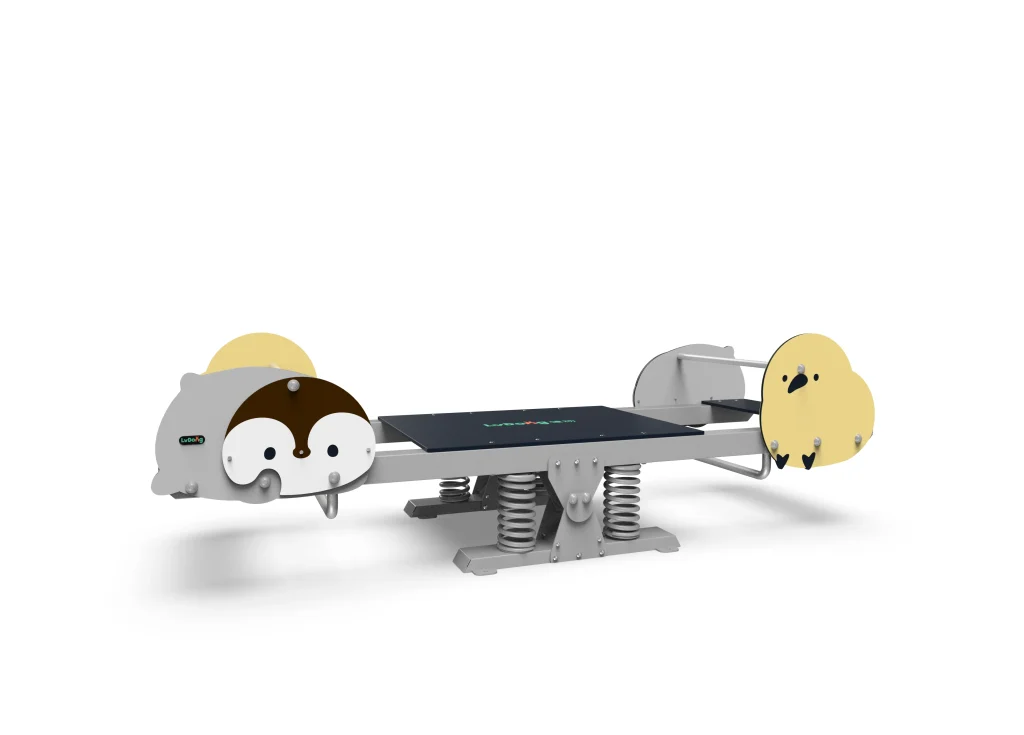
The design and material choices for commercial teeter totters are paramount in preventing injuries and ensuring long-term safety. Eliminating potential entrapment zones is a primary concern during design review. These are spaces where a child’s head or limbs could become trapped, requiring careful consideration of openings, angles, and clearances throughout the structure. Age appropriateness for teeter totters is also critical. Equipment must be designed to suit the developmental capabilities of its intended users, with specific height and weight considerations factored into every component.
Accessibility standards, such as those outlined in the Americans with Disabilities Act in the US, also guide the design process, ensuring inclusive play for all children. Materials must be not only durable and weather-resistant but also free from harmful substances, contributing to overall child safety in playgrounds.
| Property | Preferred Material Characteristics |
|---|---|
| Durability | High resistance to wear and tear, UV, and corrosion |
| Toxicity | Non-toxic, lead-free, phthalate-free |
| Surface Finish | Smooth, splinter-free, non-abrasive |
| Temperature | Stable across wide temperature ranges |
| Recyclability | Environmentally friendly options preferred |
Why Installation and Maintenance Protocols Determine Long-Term Compliance
Beyond manufacturing, sustained safety compliance relies heavily on proper installation, routine maintenance, and regular inspections. Incorrect installation can negate even the most carefully designed equipment, leading to instability or unexpected hazards. Improper anchoring has led to equipment shifting, creating unsafe gaps between components and surfacing. A mandatory post-installation audit protocol reduced such discrepancies by 95% within the first year of implementation at facilities that adopted the practice.
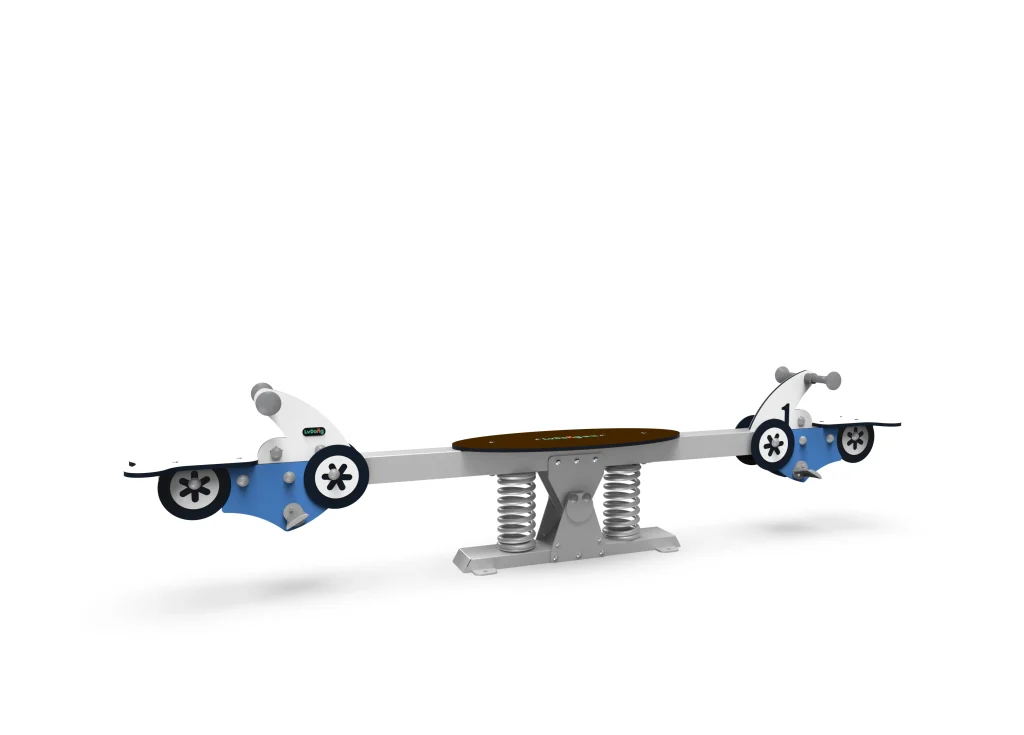
Maintenance of commercial teeter totters involves checking for wear, loose fasteners, and damaged components. Inspection protocols range from daily visual checks by operators to annual comprehensive audits by certified professionals. These measures are critical for minimizing operational risks and extending equipment lifespan. If your facility lacks a structured inspection schedule, it is worth establishing one before the next operating season begins.
| Inspection Type | Frequency | Focus Areas |
|---|---|---|
| Visual Check | Daily | Obvious hazards, debris, vandalism |
| Operational Check | Weekly | Moving parts, functionality, wear |
| Detailed Check | Monthly | Fasteners, structural integrity, surfacing |
| Main Inspection | Annually | Overall compliance, major repairs |
How Safety Standards Affect Business Risk and Market Position
Proactive compliance with safety standards mitigates legal risks, enhances brand reputation, and provides a significant competitive edge in the global amusement equipment market. Manufacturers bear significant responsibilities, not just for the product itself, but often for providing clear installation and maintenance instructions. Adhering to standards like those for playground surfacing ensures that public playground equipment meets safety requirements from the ground up.
Certification marks from bodies like TUV or adherence to CPSC guidelines serve as visible assurances of quality and safety to clients and end-users. This commitment to design for safety ultimately builds trust, reduces liability exposure, and positions a company as a reliable partner in creating enriching play spaces.
Frequently Asked Questions
What are the key differences between CPSC and TUV standards for playground equipment?
CPSC guidelines are recommendations for public playground safety primarily used in the United States, often adopted by local jurisdictions. TUV certification, frequently based on the EN 1176 standard, is a mandatory European standard. Both aim for child safety, but TUV involves a more rigorous product certification process with independent testing, whereas CPSC provides guidance that manufacturers should follow. The testing methodologies and documentation requirements differ substantially between the two frameworks.
Can commercial teeter totters certified by TUV be sold in the US without CPSC approval?
A TUV certification alone does not automatically grant approval for sale in the US. While TUV certified equipment often meets or exceeds many CPSC recommendations, manufacturers must still ensure compliance with all applicable US federal, state, and local regulations. Verifying specific requirements with local authorities before introducing equipment into the US market is always advisable, as jurisdictional requirements vary considerably.
How often should commercial teeter totters be inspected for safety compliance?
Commercial teeter totters should undergo a multi-tiered inspection process. This typically includes daily visual checks by site staff, weekly or monthly operational checks, and a comprehensive annual inspection by a certified playground safety inspector. This layered approach helps identify and address potential hazards promptly, maintaining safety and extending equipment life. To discuss inspection protocols or equipment specifications for your facility, contact LvDong at [email protected] or WHATSAPP: +8613915684545.
If you’re interested, check out these related articles:
Playground Slide Materials LLDPE vs 304 Steel Performance
Bike Spring Riders Realistic Design Safety Engineering
Buyers Guide to Spinning Playground Equipment in 2025
Outdoor Playground Set Layout Strategic Design for Optimal Play
Sensory Play Panels Inclusive Design for Special Needs