Picking a playground equipment supplier feels straightforward until you realize how many variables actually matter. Safety certifications, material choices, installation logistics, warranty terms—each decision ripples through the project for years. After watching dozens of playground projects unfold, the pattern becomes clear: suppliers who can answer detailed questions upfront tend to deliver smoother outcomes. The ones who deflect or generalize often create headaches down the line.
Safety Standards That Actually Protect Children
Safety in playground design isn’t a marketing checkbox. It’s a framework of regulations governing everything from how far a child can fall to what chemicals touch their skin. Different regions enforce different standards, and a playground equipment supplier worth considering will know exactly which ones apply to your project.
| Standard | Region | Focus |
|---|---|---|
| ASTM F1487 | North America | Public Playground Equipment Safety |
| EN 1176 | Europe | Playground Equipment and Surfacing |
| GB/T 34272-2017 | China | Safety Requirements for Playground Equipment |
| ISO 9001 | International | Quality Management Systems |
| ISO 14001 | International | Environmental Management Systems |
These certifications reflect real testing protocols. ASTM F1487, for instance, specifies entrapment hazards, protrusion limits, and impact attenuation requirements. EN 1176 covers similar ground but with different measurement approaches. A playground equipment supplier should provide current certification documentation for specific equipment models, not just general company credentials.
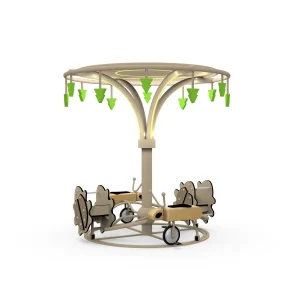
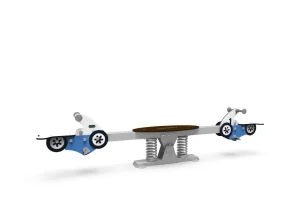
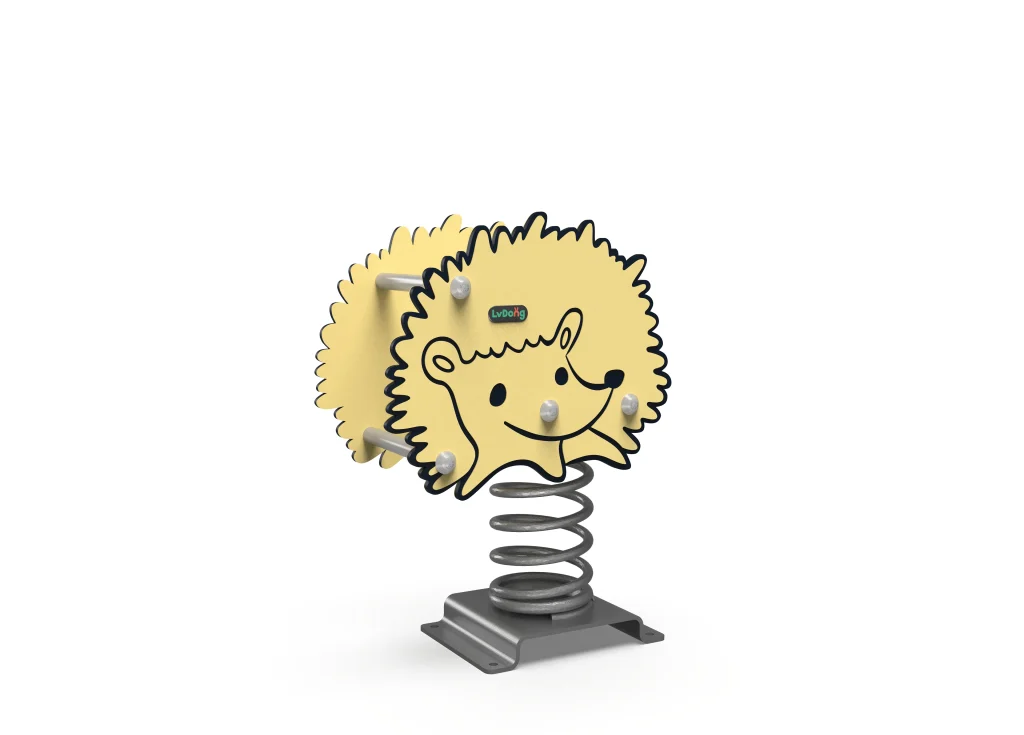
LvDong operates under a standardized quality management system that addresses these requirements. Products like the Multi-Player Playground Spinning Wheel and Spring Playground Equipment carry EN 1176 and GB/T 34272-2017 compliance. The Multi-Person Outdoor Playground Seesaw meets the same standards. Verification matters here—ask for test reports, not just logos.
Local regulations add another layer. Municipal codes sometimes exceed international standards on spacing requirements or surfacing depth. Your playground equipment supplier should demonstrate familiarity with these variations rather than assuming one-size-fits-all compliance.
Material Quality and What It Means for Longevity
The materials in playground equipment determine how long it lasts, how much maintenance it needs, and how it weathers over time. Premium unpowered amusement equipment uses materials selected for specific performance characteristics, not just cost efficiency.
Steel structural components provide strength and weather resistance. The coating matters as much as the base metal—powder coating or galvanization prevents rust from compromising structural integrity. Plastics, particularly LLDPE (linear low-density polyethylene), offer UV resistance and color retention that cheaper alternatives can’t match. Slides and panels made from LLDPE maintain their appearance and safety properties for years.
Wood creates a natural aesthetic that appeals to certain design visions. The trade-off involves maintenance. Untreated wood rots, splinters, and attracts insects. Pressure-treated options last longer but require periodic inspection and refinishing. Composite materials blend recycled plastics with wood fibers, offering durability with reduced maintenance demands.
Each material choice affects total cost of ownership. A playground equipment supplier should explain these trade-offs clearly, helping you balance upfront investment against long-term expenses. LvDong’s decade of manufacturing experience informs material selection for different environments—coastal installations face salt exposure, northern climates deal with freeze-thaw cycles, high-traffic urban parks see constant use.
Full-Cycle Support From Design Through Maintenance
Manufacturing quality matters, but so does everything surrounding it. A playground equipment supplier’s expertise should span the entire project lifecycle, from initial concept through years of operation.
LvDong maintains integrated capabilities across R&D, design, production, installation, and after-sales support. This full-industry-chain approach eliminates the coordination problems that arise when different vendors handle different phases. With 1,500+ completed projects across municipal parks, educational institutions, and cultural tourism sites, patterns emerge about what works and what creates problems.
Project Management and Installation Timelines
Experienced project management prevents the delays and cost overruns that plague poorly coordinated installations. It involves realistic scheduling, proper resource allocation, and the ability to solve problems before they cascade.
A playground equipment supplier with extensive installation history recognizes potential site issues early. Drainage problems, underground utilities, access restrictions for delivery vehicles—these challenges have solutions, but only if someone anticipates them. Post-installation inspections verify that equipment meets specifications and safety requirements before children use it.
After-Sales Support That Protects Your Investment
Warranties and spare parts availability matter more than most buyers realize during the selection process. Equipment will eventually need repairs. Components wear out. Vandalism happens.
Reputable playground equipment suppliers provide comprehensive warranties covering manufacturing defects. They maintain spare parts inventory and offer maintenance guides that extend equipment life. LvDong’s commitment to ongoing support includes responsive technical assistance when issues arise.
For deeper insight into warranty considerations, check 《Playground Equipment Warranty Comparison 1 3 or 5 Years》.
Budget Planning Beyond the Purchase Price
Initial equipment cost represents only part of the financial picture. Total cost of ownership includes installation labor, site preparation, safety surfacing, and ongoing maintenance. A transparent playground equipment supplier helps identify these expenses upfront rather than letting them surface as surprises.
Quality equipment costs more initially but often delivers better ROI through reduced maintenance and longer service life. Cheaper alternatives may require replacement in five years while premium equipment serves for fifteen. The math favors durability when you account for removal costs, new installation, and the disruption of having a playground out of service.
Hidden costs appear in unexpected places. Inadequate drainage leads to surfacing replacement. Undersized footings require reinforcement. Non-standard hardware creates spare parts headaches. A playground equipment supplier should help you anticipate these scenarios during planning rather than after installation.
Inclusive Design for All Children
Modern playground philosophy emphasizes universal access. Inclusive play solutions ensure children with different abilities can participate together, not in segregated areas but in shared experiences.
This approach goes beyond wheelchair ramps. It considers sensory experiences, cognitive engagement, and social interaction opportunities. Ground-level activities, transfer platforms, and equipment with multiple difficulty levels create environments where every child finds appropriate challenges.
Developmental benefits extend across physical, cognitive, social, and emotional domains. Climbing builds strength and coordination. Imaginative play structures support cognitive growth. Group activities foster social skills. A playground equipment supplier focused on children’s development designs for these outcomes intentionally.
Learn more about age-appropriate inclusive approaches in 《Mastering Age Inclusive Outdoor Play Equipment Solutions》.
Site Assessment and Long-Term Planning
Successful playground projects start with thorough site evaluation. Drainage patterns, sun exposure, existing trees, underground utilities, and access routes all influence design decisions. A playground equipment supplier offering comprehensive master planning services addresses these factors systematically.
Future expansion deserves consideration during initial planning. Will the site accommodate additional equipment later? Can infrastructure support phased development? Strategic foresight prevents expensive retrofitting when needs evolve.
Environmental factors shape material selection and layout. Coastal locations face salt corrosion. Desert climates create extreme surface temperatures on metal and dark plastics. Northern regions deal with frost heave affecting footings. Local regulations may impose additional requirements beyond international standards.
Working With LvDong
Suzhou LvDong Amusement Equipment Co., Ltd. brings over a decade of experience to playground equipment supply. Our 10,000+ square meter intelligent production base supports integrated manufacturing, while 1,500+ completed projects demonstrate practical execution capability.
We serve municipal parks, high-end residential communities, cultural tourism destinations, and educational institutions. Each setting presents different requirements, and our full-industry-chain approach—R&D, design, production, installation, and after-sales support—addresses them comprehensively.
Contact our specialists to discuss your project requirements and explore how LvDong can deliver safe, durable, engaging play solutions.
WHATSAPP: +8613915684545
[email protected]
Frequently Asked Questions About Playground Equipment Procurement
Why does long-term maintenance planning matter when selecting playground equipment?
Maintenance requirements directly affect total ownership costs and operational safety. Equipment without clear maintenance protocols deteriorates faster and may develop safety hazards. Warranties protect against manufacturing defects, but ongoing care determines whether equipment reaches its expected service life. A playground equipment supplier should provide detailed maintenance schedules and responsive support when issues arise. LvDong includes comprehensive warranty coverage and maintenance guidance with every installation.
How do I verify that playground equipment meets local accessibility requirements?
Accessibility standards vary by jurisdiction. ADA requirements apply in the United States, while other regions follow different frameworks. Start by asking your playground equipment supplier about their experience with accessible designs in your specific location. Request compliance documentation for individual equipment pieces, not just general statements. Verify that installation plans include accessible surfacing, pathways, and transfer points. Suppliers with inclusive design experience integrate accessibility from the beginning rather than treating it as an afterthought.
Which safety certifications should I prioritize when evaluating playground equipment?
Regional standards determine the relevant certifications. North American projects typically require ASTM F1487 compliance. European installations follow EN 1176. Chinese projects reference GB/T 34272-2017. These standards address design safety, material requirements, installation specifications, and impact protection. Ask your playground equipment supplier for current certification documentation specific to the equipment you’re considering. Certifications should be verifiable through testing organizations, not just claimed on marketing materials.