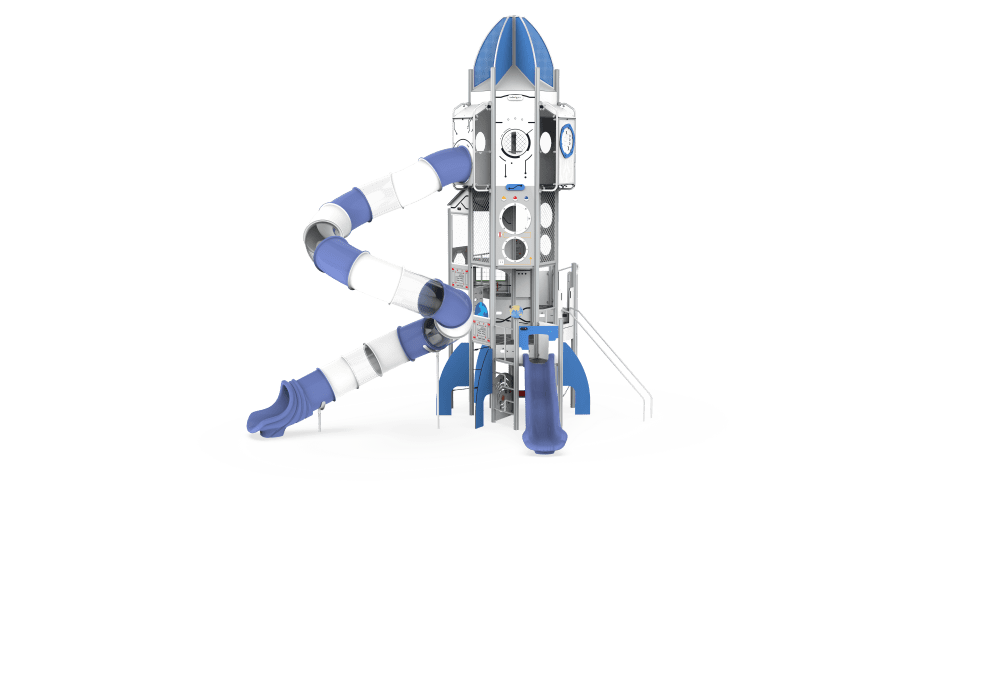
Getting large playground slides from factory to finished installation involves more challenges than most people realize. These oversized components create genuine logistical headaches—regulatory requirements shift between jurisdictions, crane positioning demands precise calculations, and site conditions rarely match what drawings suggest. After working through over 1,500 projects across wildly different locations, certain patterns emerge in what makes these installations succeed or fail.
Strategic Logistics for Oversized Playground Slides
Moving oversized playground slides requires planning that goes well beyond booking a truck. The real work happens before anything leaves the facility: measuring exact dimensions, calculating total weight with packaging, and mapping routes that can actually accommodate the load. Route surveys reveal problems that look fine on paper—bridges with clearance limits, residential streets too narrow for turning radius, utility lines hanging lower than municipal records indicate.
Coordinating with specialized heavy equipment transport providers means matching vehicle specifications to load requirements precisely. Undersized equipment creates safety risks; oversized equipment wastes money and complicates maneuvering. The goal is equipment that handles the load with appropriate margins while still fitting through the route constraints identified during surveys. Tight delivery schedules leave no room for discovering problems mid-transit.
Permit Acquisition and Regulatory Compliance for Large Slides
The regulatory landscape for oversized playground equipment transport varies more than expected between jurisdictions. Some regions require permits based purely on dimensions; others factor in weight, time of travel, and specific road segments. Municipal parks, residential communities, and tourism destinations each tend to fall under different regulatory frameworks, sometimes overlapping in ways that create conflicting requirements.
Managing documentation and coordinating with authorities takes time that project schedules rarely account for adequately. Permit applications submitted without complete information get rejected or delayed, pushing installation dates and creating downstream scheduling conflicts with crane operators and installation crews.
What permits are needed for oversized playground equipment transport?
Transporting oversized playground equipment typically requires special transport permits from state or local authorities. These permits often specify approved travel times, routes, and the need for escort vehicles. Regulations vary significantly based on the equipment’s dimensions and weight, necessitating detailed planning and expert knowledge for acquisition.
| Permit Type | Description | Key Considerations |
|---|---|---|
| Oversize Load Permit | Required for loads exceeding standard legal dimensions (width, height, length, weight). | Varies by state/region; often requires route surveys. |
| Escort Vehicle Permit | Mandated for loads exceeding specific width or length thresholds. | Specifies number and type of escort vehicles. |
| Night Travel Permit | Allows transport during off-peak hours for minimal traffic disruption. | May have additional safety requirements. |
| Bridge/Road Permits | Necessary for routes involving structurally sensitive infrastructure. | Assesses load impact on bridges and road surfaces. |
If you’re interested, check 《Why Choose Us》.
Crane Selection and Lifting Plan Development for Installation
Choosing the right crane for large playground structure installation comes down to matching equipment capabilities to specific job requirements. The heaviest component determines minimum capacity, but reach requirements and site geometry often push toward larger equipment than weight alone would suggest. Mobile cranes offer positioning flexibility; tower cranes provide height advantages when site conditions allow their installation.
Lifting plans require more detail than many project managers initially expect. Rigging configurations, load chart calculations at specific radii, ground bearing pressure at crane outrigger positions, and swing path clearances all need documentation before equipment arrives on site. Skipping this planning creates situations where cranes arrive and cannot safely complete the lift, wasting rental costs and delaying installation.
How is crane capacity determined for large slide installation?
Crane capacity for large slide installation is determined by analyzing the weight and dimensions of the heaviest component, the required lifting height, and the horizontal reach. Load charts, specific to each crane model, are consulted to ensure the selected crane can safely handle the load at the necessary radius and elevation. Ground bearing pressure calculations are also crucial to prevent ground instability during operation.
Site Preparation and Access for Large Playground Equipment
Site conditions on paper rarely match site conditions in reality. Terrain assessments reveal grade changes that affect crane stability. Underground utility locates sometimes contradict as-built drawings. Soil conditions that seemed adequate during dry weather become problematic after rain. These discoveries during installation create expensive delays; finding them during planning allows time for solutions.
Access routes to installation areas present their own challenges. Entry points that accommodate delivery vehicles may not work for crane positioning. Staging areas need enough space for component laydown without interfering with crane swing paths. Temporary road construction or ground stabilization sometimes becomes necessary, adding cost and time that should appear in initial project estimates rather than change orders.
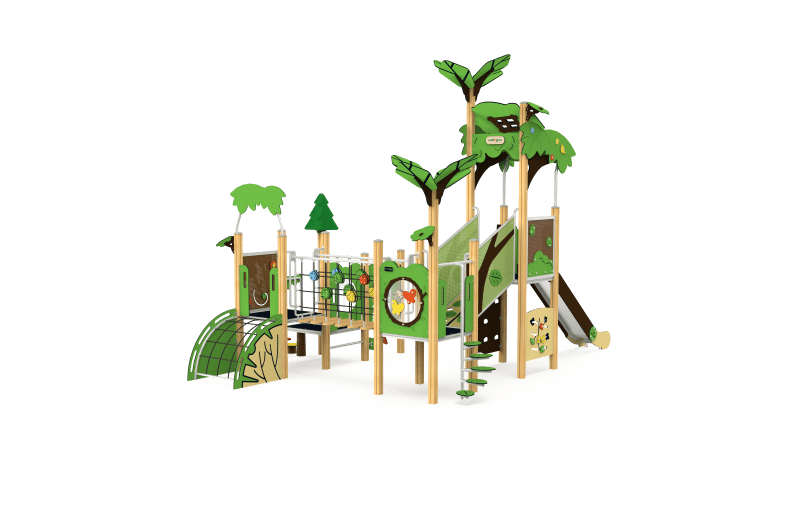
Safety Protocols for Large Playground Installation
Safety protocols for large playground installation exist because the consequences of failures are severe. Risk assessments identify hazards specific to each project: overhead power lines, unstable ground, traffic proximity, weather exposure. Generic safety plans miss site-specific risks that cause actual incidents.
Daily briefings, equipment inspections, and PPE requirements form the baseline. Beyond compliance minimums, effective safety management includes clear communication channels when conditions change, authority for any worker to stop operations when hazards emerge, and post-incident review processes that actually improve future performance rather than just assign blame.
What are the safety protocols for installing large playground structures?
Safety protocols for installing large playground structures include pre-installation risk assessments, daily safety briefings, and strict adherence to equipment-specific operating procedures. Comprehensive safety checklists, appropriate personal protective equipment for all personnel, and clear emergency procedures form the foundation. Regular inspections confirm compliance with safety standards and best practices.
Partner with Suzhou LvDong for Your Next Project
Ensure your next Large Playground Slide project is executed with unparalleled precision and safety. Partner with Suzhou LvDong Amusement Equipment Co., Ltd., China’s leading innovator in unpowered amusement. Our integrated R&D, design, production, installation, and after-sales support guarantee a seamless experience from concept to thrilling reality. Contact us today to discuss your complex transportation and crane requirements. WHATSAPP:+8613915684545 | [email protected]
FAQ
What factors influence the cost of large playground slide transportation?
The cost of large playground slide transportation is influenced by several factors, including the slide’s dimensions and weight, the distance to the site, required permits for oversized loads, the need for escort vehicles, and any specialized heavy equipment transport arrangements. Detailed logistical assessments help optimize costs by identifying the most efficient routing and equipment combinations.
How does Suzhou LvDong ensure compliance with local crane operation regulations?
Suzhou LvDong ensures compliance with local crane operation regulations through meticulous planning, engaging certified crane operators, obtaining all necessary permits, and conducting thorough site-specific risk assessments. The integrated service model covers all aspects of playground installation safety and regulatory adherence.
Can Suzhou LvDong assist with site-specific crane lifting plans for complex installations?
Absolutely. Suzhou LvDong specializes in comprehensive project management, which includes developing detailed, site-specific crane lifting plans. The team works closely with clients to assess site access, ground conditions, and equipment specifications to ensure safe and efficient installation of Playground Equipment Slides.
To discuss slide delivery access and installation planning, contact the LvDong team with your project requirements.