Choosing a school playground equipment supplier is not just about comparing prices or lead times. The children who will climb, swing, and slide every day depend on decisions made long before the equipment arrives on site. A supplier that looks solid on a website can still deliver hollow steel, weak welds, or designs that ignore real play patterns. Over the past decade, I have seen too many schools accept equipment that met a low bid but failed within two years. The right supplier is one whose manufacturing capability, safety record, and after-sales support you have verified, not one whose catalog is simply the most colorful.
Key Traits of a Reliable School Playground Equipment Supplier
The most important signal is whether the company actually manufactures its own equipment or resells products made by someone else. A genuine manufacturer has an in-house design team, a production floor, and a quality management system. The company should be able to walk you through the entire process from raw material to finished product without needing to call an external factory.
A few concrete signs point toward reliability. Look for a supplier that has completed at least several hundred projects, ideally across different regions. A project list that includes schools, communities, and kindergartens suggests adaptability. Then, examine the pre-sale communication. If the contact person cannot explain the difference between structural steel grades or why a slide platform height matters, the technical depth you need later is probably missing.
Most schools I work with also overlook an important detail: does the supplier have experience with your specific climate and site conditions? Playgrounds near the coast need stainless steel hardware and UV-resistant plastics. Northern schools need materials that stay safe at sub-zero temperatures. A supplier who does not bring up these topics during initial discussions is not thinking about your project, only about their catalog.
Safety Certifications a Playground Equipment Supplier Must Hold
Safety standards govern everything from entrapment hazards to maximum fall heights. A supplier serving schools must provide third-party test reports for the specific equipment models you are ordering, not just a general company certificate.
The core standards vary by region, but any supplier exporting globally should be fluent in at least these:
| Standard | Scope | What It Covers |
|---|---|---|
| EN 1176 | European playground equipment | Structural integrity, entrapment, impact attenuation, spacing |
| ASTM F1487 | US public playgrounds | Head and neck entrapment, protrusions, surfacing requirements |
| GB/T 34272 | China national standard | Safety requirements for unpowered amusement equipment |
Request the full test report, not a summary page. A report that only says “compliant” without listing the test methods and results is worthless. I have reviewed documents that turned out to be expired or for the wrong model. If a supplier cannot produce current, model-specific reports within a few days, that is a red flag you should not ignore.
Visiting the Playground Equipment Supplier’s Factory
A factory visit reveals more in one afternoon than months of email exchanges. What you are verifying is whether the supplier has real production depth or merely a showroom and an outsourcing network.
Start with the production floor. Look at the steel tube cutting and welding stations. Inspect the surface treatment line: powder coating or hot-dip galvanizing should be systematic, with cleaning, pre-treatment, and curing stages clearly separated. Ask to see the raw material storage area and check if material certificates for steel and plastics are organized and accessible. A company that controls its own welding, finishing, and assembly is less likely to cut corners on hidden structural elements.
Pay attention to quality control checkpoints. In our 10,000-square-meter production base, every batch goes through dimensional inspection, weld integrity testing, and finish adhesion checks before assembly. This kind of staged QC is not optional for school equipment because defects caught later multiply the cost and create safety gaps.
Design capability matters equally. Ask to see the design team’s workspace and their recent 3D models, not just finished product photos. A supplier that can present a 3D rendering of your site with equipment placed to scale has invested in the engineering resources that prevent installation surprises.
Comparing Playground Equipment Costs Beyond the Quote
Selecting a school playground equipment supplier means looking past the unit price per item. A complete cost analysis includes:
- Equipment cost, itemized with material specifications and dimensions.
- Packaging appropriate for sea freight or long-distance land transport; cheap packaging causes damage that voids warranties.
- Shipping, customs duties, and inland freight if importing; confirm whether these are included.
- Installation labor and any specialized tools or ground preparation required.
- Surfacing costs if safety surfacing is not included in the quote.
- Annual maintenance and spare parts availability with lead times.
I have seen school committees approve a low bid only to learn later that installation was not included, or that spare parts took twelve weeks to arrive from a distant warehouse. The cheapest quote almost never covers everything needed to have children safely playing by the first day of school.
If your program involves multiple age groups or requires phased installation spanning multiple school terms, it is worth confirming the supplier’s ability to schedule and stage deliveries before finalizing your purchase. Reach out to discuss your timeline and equipment list at [email protected].
What Your Playground Equipment Supplier Should Provide After the Sale
Warranty is the starting point, not the endpoint. A standard one-year warranty on moving parts is common, but the structural frame should carry a five-year or longer guarantee because corrosion and fatigue failures rarely show up in the first twelve months. Ask for a written warranty document that names specific components and excludes vague categories like “acts of God.”
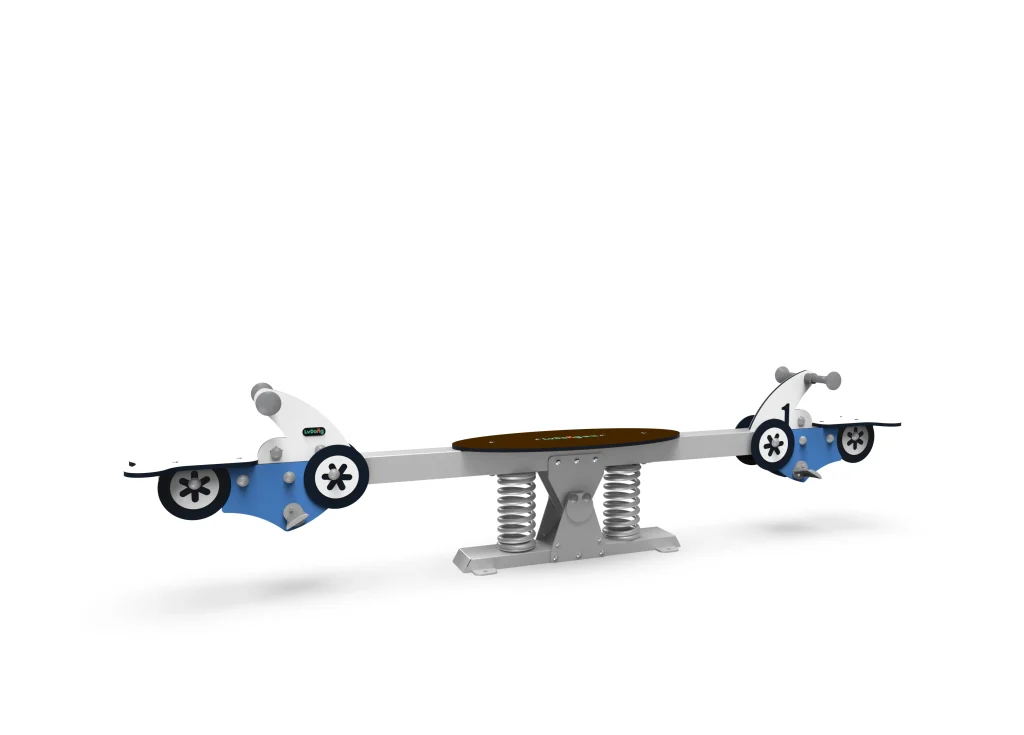
Spare parts availability separates a supplier who supports schools from one who only ships products. Bolts, bearings, spring elements, and swing chains are wear items. Confirm that the supplier keeps stock of these for the exact models you are buying and can dispatch them within days, not weeks. Ask about the recommended replacement interval for each wear part so you can build a maintenance budget.
Finally, a responsible supplier offers post-installation support that goes beyond a phone number. We send installation supervisors to the site for complex projects and provide an acceptance checklist aligned with the relevant safety standard. After handover, the supplier should remain reachable for maintenance guidance, repainting advice, and periodic inspection recommendations for years, not months.
After the Decision: Common Questions About Choosing a School Playground Supplier
How long does it take from order to delivery for school playground equipment?
Most custom playground equipment takes 30 to 60 days to manufacture, plus shipping time depending on distance and freight method. Standard items in stock can ship within two weeks. For schools with tight summer renovation windows, plan for at least 90 days from order to completed installation, including ground preparation and safety surfacing. Confirm the production and shipping timeline in the contract to avoid delays that push into the school year.
Can playground equipment be customized to fit our school’s specific space?
Yes. A manufacturer with in-house design capability can adjust equipment dimensions, layout, and color themes to match your site’s footprint and the school’s branding. We regularly adapt slide heights, platform configurations, and component combinations for schools with irregular playground boundaries. A reliable supplier provides a 3D design proposal using your site measurements before production begins, so you see exactly how the equipment will sit on your land.
Do you provide on-site installation assistance?
We offer installation supervision as part of larger projects and can supply detailed installation manuals and videos for standard equipment. For complex multi-unit playgrounds, having an experienced supervisor on site during the critical assembly days prevents errors that compromise safety. Confirm whether your supplier’s installation support is included or an additional service, and whether the installation team is directly trained by the manufacturer, not a third-party contractor.
What maintenance does school playground equipment need each year?
An annual maintenance calendar should include tightening all fasteners, inspecting welds and moving parts for wear, checking surface treatment for corrosion, and replacing any worn components like bearings or swing connectors. Surface impact attenuation under swings and slides should be measured every two years. A responsible supplier provides a maintenance checklist specific to the installed equipment models and can supply replacement parts quickly. Share your equipment list and we can prepare a model-specific maintenance plan for your school. For a design consultation or a detailed quotation, email your site plan and requirements to [email protected] or reach out on WhatsApp at +8613915684545.
If you’re interested, check out these related articles:
Playground Pony Spring Rider Dimensions for Ages 2-5
Negotiating Bulk Playground Equipment Orders Expert Strategies
Factory Visit Checklist Playground Equipment Supplier Evaluation
Playground Slides Buying Guide Height Slope and Critical Safety