Hotel Kids Club Playground Configuration Guide
Getting a kids club playground right takes more than picking out a few colorful structures and calling it done. Hotels that attract families year after year have figured out something important: the playground isn’t just a place to park children while parents relax. It’s a genuine draw, sometimes the deciding factor when families compare properties. The challenge lies in balancing what children actually want to do with what keeps them safe, what fits the budget, and what holds up under constant use. After working through hundreds of these projects, certain patterns emerge about what works and what quietly fails.
Strategic Planning for Hotel Kids Club Playgrounds
Effective hotel playground design principles start with understanding who will actually use the space. A resort catering to toddlers and young families needs different equipment than a business hotel where older children might spend time during conferences. Analyzing guest demographics reveals not just age ranges but play preferences that vary by region and culture.
Space utilization strategies matter enormously when square footage is limited. Vertical elements, multi-use structures, and thoughtful traffic flow can make a modest area feel expansive. Indoor spaces present different constraints than outdoor ones, but both benefit from intentional zoning.
The ROI hotel kids club generates comes through multiple channels. Families book specifically because of the amenities. Parents leave positive reviews mentioning how their children didn’t want to leave. Repeat bookings increase when children remember the playground fondly. These outcomes don’t happen by accident.
What Makes a Successful Hotel Kids Club Playground
A successful kids club playground works on several levels simultaneously. Children of different ages find activities that challenge them appropriately. The equipment holds up under heavy use without constant repairs. Themes and interactive elements spark imagination rather than just providing something to climb on.
Safety and accessibility form the foundation. A playground that excludes children with disabilities or creates anxiety for parents watching fails regardless of how impressive it looks. These successful kids club features contribute directly to guest experience optimization and strengthen a hotel’s position as a family-friendly destination.
Selecting Equipment for Indoor, Outdoor, and Themed Environments
Choosing the right equipment for a hotel play area requires matching the environment, age groups, and desired atmosphere. Unpowered amusement equipment promotes physical activity and imaginative play without electrical systems that can malfunction or require specialized maintenance. Durable playground materials suitable for both indoor and outdoor applications ensure the investment lasts.
| Equipment Type | Environment Suitability | Age Range | Key Features |
|---|---|---|---|
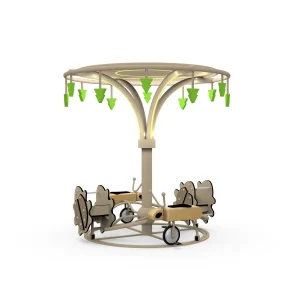
| Multi-Player Spinning Wheel | Indoor/Outdoor | 2+ to 6+ years | Collaborative play, stable rotation, themed designs |
| Single-Player Spinning Equipment | Indoor/Outdoor | 2+ years | Independent play, compact, controlled rocking |
| Spring Playground Equipment | Outdoor | 2+ or 3+ years | Balance, coordination, weather-resistant, themed |
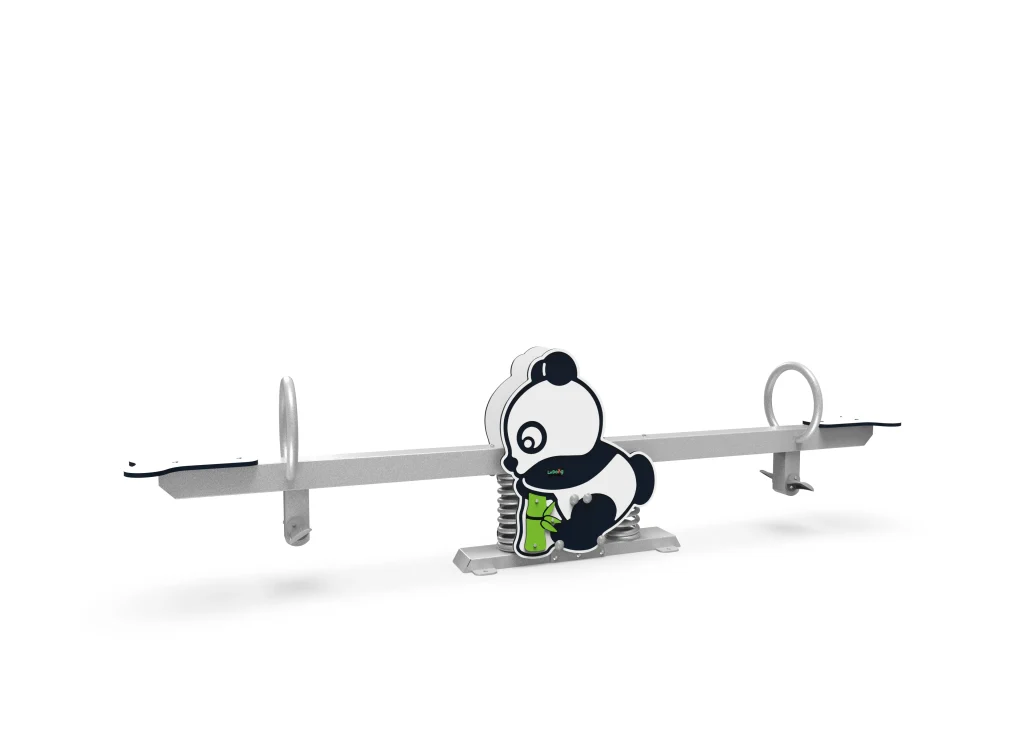
| Multi-Person Seesaw | Outdoor | 3+ years | Social interaction, sturdy frame, ergonomic seats |
For indoor kids club equipment, the Multi Player Playground Spinning Wheel creates collaborative experiences with high structural stability. Units with diameters ranging from 120–200 cm support 6–10 children at once, which matters during peak usage times. For individual play, Single Player Playground Spinner equipment occupies minimal floor space (60x60x90 cm) while promoting balance through controlled rocking motions. Both types comply with EN 1176 and GB/T 34272-2017 safety standards.
Outdoor hotel play areas demand robust equipment engineered for weather resistance. Spring Playground Equipment provides single-user rocking motion that supports sensory development for children aged 2+. High-strength steel springs and child-safe designs prevent the pinch points and sharp edges that plague cheaper alternatives. For group interaction, the Multi Person Playground Seesaw accommodates 2–10 children, building social skills through shared activity. Sturdy metal frames and spring-assisted bases handle the stress of enthusiastic use.
Themed playground concepts transform functional equipment into immersive experiences. Animal motifs, vehicle designs, and fantasy elements give children stories to act out rather than just physical challenges to complete.
Matching Equipment to Different Hotel Environments
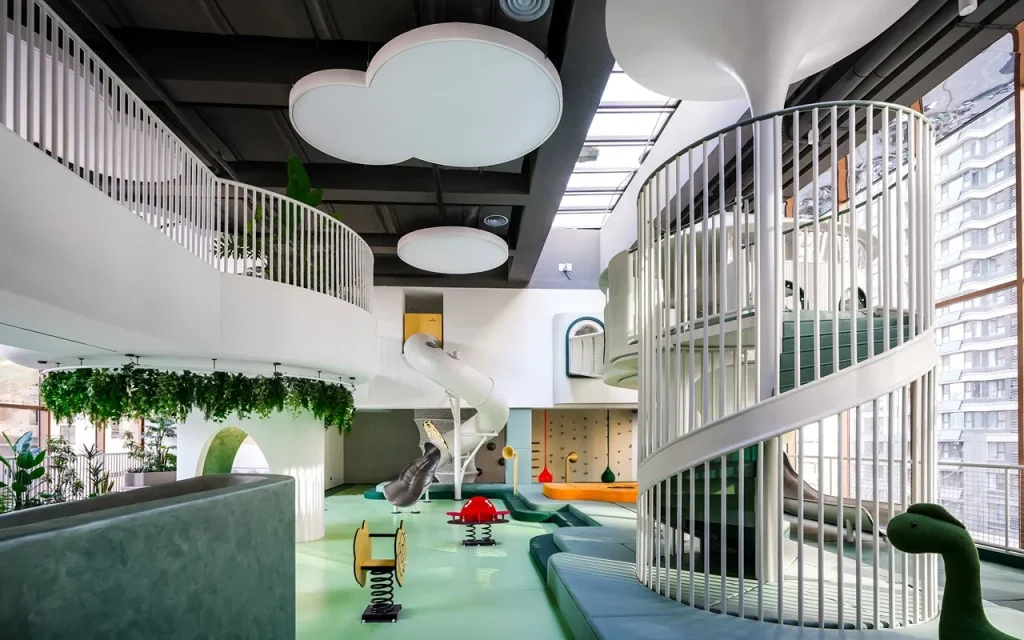
Indoor environments benefit from equipment that maximizes vertical space while encouraging interactive play. Soft play structures, climbing walls, and themed play panels create engaging experiences without requiring massive footprints. The controlled climate allows materials that might not survive outdoor exposure.
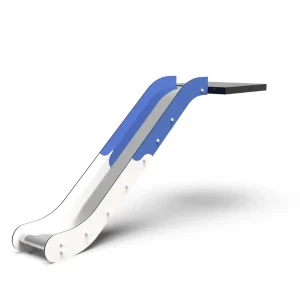
Outdoor settings at resorts can accommodate larger structures. Multi-functional play systems, slides, and swings take advantage of open space. Weather-resistant construction becomes non-negotiable since rain, sun, and temperature swings will test every component.
Luxury hotel playgrounds often integrate custom-designed elements that reflect the property’s aesthetic. Natural play features using wood, stone, and landscaping create environments that feel less institutional. Budget-friendly play solutions typically involve modular systems that can expand as demand justifies additional investment.
For guidance on matching equipment to developmental stages, the 《Age Appropriate Playground Sets for Child Development》 provides detailed recommendations.
Safety and Compliance Requirements
Safety represents the non-negotiable foundation of any children’s play area. Playground safety standards hotels must meet include both national and international children’s play area regulations. EN 1176 and GB/T 34272-2017 establish baseline requirements, but meeting minimums rarely produces excellent outcomes.
A thorough risk assessment playground process identifies hazards before children encounter them. Sharp edges, entrapment points, inadequate fall zones, and sight-line obstructions all require evaluation. ADA compliance playground guidelines ensure children with disabilities can participate meaningfully, which matters both ethically and legally.
Safety surfacing options significantly affect injury rates from falls. Rubber tiles provide consistent cushioning and drain well. Engineered wood fiber costs less but requires regular maintenance to maintain proper depth. Poured-in-place rubber creates seamless surfaces but demands professional installation.
Essential Safety Considerations
All playground equipment certification should be verified before purchase. Certificates from recognized testing bodies confirm that equipment meets stated standards under actual testing conditions, not just manufacturer claims.
Fall height requirements determine minimum safety surfacing depths and clearance zones. Equipment designed for older children with higher platforms needs correspondingly more protective surfacing. The relationship between fall height and required surfacing depth follows established formulas that shouldn’t be approximated.
Supervision guidelines need clear documentation for staff training. How many adults per child? What behaviors require intervention? Where should supervisors position themselves for optimal sight lines? These questions deserve specific answers rather than vague expectations.
Regular inspections catch wear-related hazards before injuries occur. Loose bolts, cracked plastic, worn chains, and degraded surfacing all develop gradually. Scheduled maintenance prevents small problems from becoming dangerous ones.
Installation, Maintenance, and Protecting Your Investment
Successful playground implementation extends well beyond selecting equipment. Installation requirements hotel playground projects present include site preparation, foundation work, equipment assembly, and safety surfacing installation. Professional expertise prevents the subtle errors that create problems months or years later.
Proactive maintenance playground equipment hotel strategies protect both children and budgets. Routine inspections catch developing issues. Cleaning prevents buildup that accelerates wear. Timely repairs address problems before they compound. Equipment longevity depends heavily on how well these ongoing responsibilities are handled.
Budgeting for hotel playgrounds must account for operational costs that continue indefinitely. Replacement parts, surfacing maintenance, cleaning supplies, and staff time all factor into true cost of ownership. Custom hotel playground solutions designed for specific site conditions often reduce long-term maintenance by avoiding compromises that create ongoing problems.
Maximizing Return on Investment
Hotels maximize ROI through several interconnected strategies. A well-designed, engaging playground directly increases family bookings. Parents actively seek properties where children will be happy, and playground quality influences those decisions.
Effective marketing family amenities requires compelling content. Photos and descriptions that convey the actual experience outperform generic claims about “family-friendly” facilities. Specific details about equipment, themes, and age-appropriate zones help parents evaluate fit.
Operational efficiency playground maintenance and supervision minimizes ongoing costs without compromising quality. Staff training, preventive maintenance schedules, and efficient inspection protocols all contribute.
Positive guest experiences generate word-of-mouth referrals and online reviews that influence future bookings. A child who talks about the playground for weeks afterward creates marketing value that advertising cannot replicate.
The 《DIY vs Supplier Playground Equipment Installation Guide》 explores installation approaches in greater depth.
Selecting the Right Equipment Supplier
Choosing a supplier affects outcomes far beyond the initial purchase. Hotels should evaluate potential partners based on integrated capabilities spanning R&D, design, production, installation, and after-sales support. Fragmented supply chains create gaps where problems fall through.
A robust quality management system playground ensures equipment consistently meets safety standards. Certifications matter, but so does the supplier’s track record with similar projects. References from comparable properties reveal how well promises translate into results.
Experience with over 1,500 projects provides perspective that newer suppliers lack. Patterns emerge about what works in different environments, what maintenance issues develop over time, and what design choices create problems that weren’t obvious initially. A 10,000 square meter intelligent production base supports both quality control and delivery reliability.
Frequently Asked Questions
Why invest in a hotel kids club playground?
A hotel kids club playground creates competitive advantage by directly influencing booking decisions. Families comparing properties weigh amenities heavily, and playgrounds rank among the most visible differentiators. The investment enhances overall guest experience, increases satisfaction scores, and builds brand loyalty through memorable childhood experiences. Children who enjoyed their stay become advocates for return visits, and parents remember properties where their children were happy.
How long does it take to design and install a hotel playground?
Project timelines vary based on complexity and customization requirements. Design phases typically span several weeks to months depending on how much custom work is involved. Manufacturing requires 4-8 weeks for standard equipment. Installation generally takes 1-2 weeks for straightforward projects, though larger custom designs need additional time. Site conditions, permitting requirements, and coordination with hotel operations all influence actual schedules. Realistic timeline planning prevents the rushed installations that create quality problems.
What are the common mistakes to avoid when configuring a hotel kids club playground?
Common playground design errors include neglecting age-appropriate zoning, which forces younger children into areas designed for older ones or vice versa. Failing to account for future expansion limits options when demand grows. Inadequate safety surfacing creates liability exposure and injury risk. Underestimating maintenance requirements leads to deferred upkeep that accelerates equipment degradation. Installation issues often stem from improper site preparation or shortcuts that compromise safety compliance. Avoiding these mistakes requires experienced guidance and realistic planning.
Creating Memorable Family Experiences
A well-configured kids club playground transforms how families experience a hotel property. The investment pays returns through increased bookings, stronger reviews, and the genuine satisfaction of providing children with spaces designed for their enjoyment and development. The decisions made during planning and equipment selection echo through years of operation, affecting maintenance costs, safety records, and guest satisfaction.
Suzhou LvDong Amusement Equipment Co., Ltd. brings extensive experience in unpowered amusement solutions, offering integrated support from initial concept through installation and ongoing maintenance. Creating engaging, safe, and memorable play environments requires partnership with suppliers who understand both the technical requirements and the hospitality context.
For personalized consultation on your hotel’s playground project, reach out directly. WHATSAPP: +8613915684545 | Email: [email protected]