Choosing a school playground equipment supplier is more than a procurement task — it is a decision that shapes children’s safety, development, and daily joy. Over the past decade, I have seen schools face costly mistakes when they prioritize price over structural integrity or overlook after-sales accountability. This guide walks through the essential factors you need to weigh, from verifying safety certifications to evaluating a supplier’s design and manufacturing depth. A well-chosen supplier becomes a long-term partner, not just a vendor.
Assess Your School’s Specific Playground Requirements
Before contacting suppliers, clarify exactly what your school needs. Start by defining the age range of the children. Equipment for 2‑5‑year‑olds has different fall heights, grip sizes, and thematic demands compared to setups for 5‑12‑year‑olds. Measure your available outdoor area, noting any slopes, drainage patterns, or shade structures that will influence layout. Think about how many children will use the playground at peak times; a single swing bay may not serve a school of 400 students.
Consider the educational and play goals. Do you want a nature‑themed discovery zone, a physically challenging climbing course, or a multi‑activity set that slides, swings, and spins? I recommend involving teachers and the maintenance team early. Their input on supervision sightlines and daily cleaning will prevent expensive redesign. Document these requirements in a brief that you can share with potential suppliers. A supplier who asks detailed questions about your space and curriculum is already proving they think beyond a catalogue sale.
Verify Supplier Safety Certifications and Standards
Safety is the non‑negotiable layer of any school playground project. Every supplier you shortlist must be able to provide full compliance documentation with recognized standards. For international procurement, EN 1176 and ASTM F1487 are the benchmarks. For domestic Chinese projects, GB/T 34272‑2017 applies. Ask for copies of third‑party test reports, not just self‑declarations.
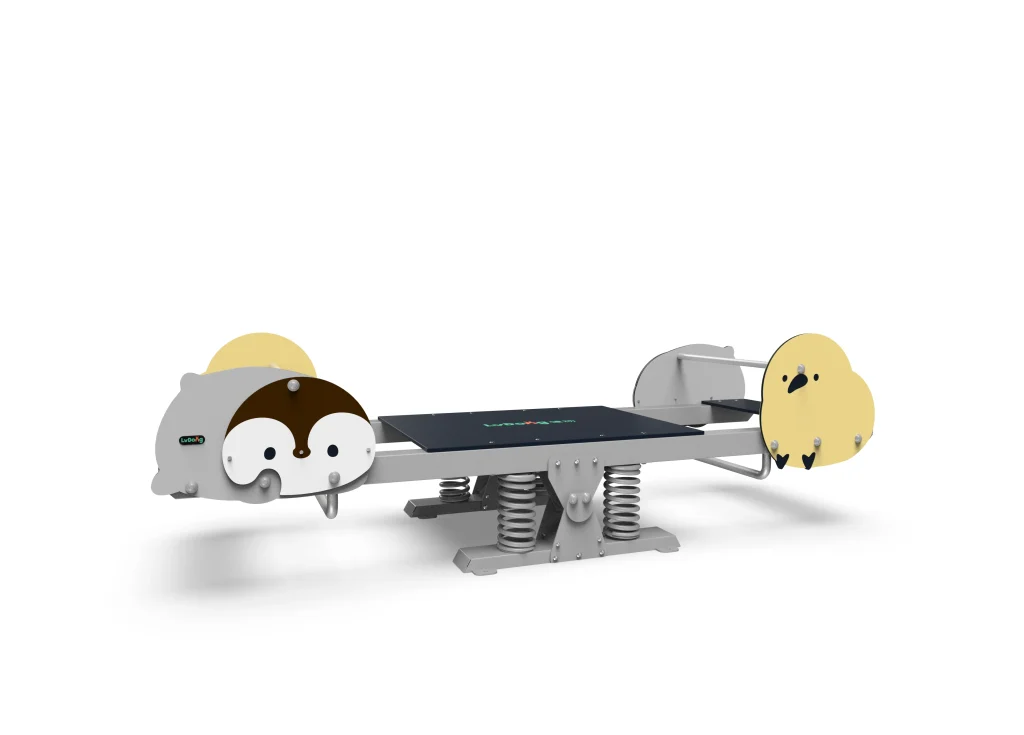
In our own factory, we test every rotating and swinging product according to these standards before dispatch. A supplier should be able to walk you through the maximum falling heights, entrapment tests, and impact‑attenuating surface requirements without hesitation. If they cannot explain how a specific piece of equipment meets the safety criteria for the age group on your brief, scratch them from the list. Schools have a duty of care that leaves no room for undocumented claims. Remember that safety certification is not a one‑time achievement. Ask how the supplier re‑tests product batches and whether they update designs when standards change.
Examine Design and Customization Capabilities
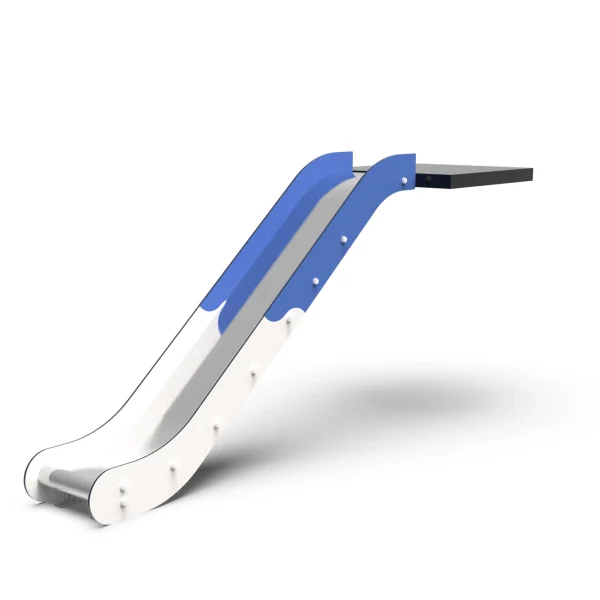
A catalogue of standard parts can work for a simple installation, but most schools benefit from at least some level of customization. Maybe you need a playground slide in a specific color to match the school brand, or you want to integrate a school mascot into a spring rider. When a supplier offers in‑house design services, you can move from a rough sketch to a production‑ready 3D model in days, not weeks.
We have found that providing a free 3D design upfront — as we do for community parks and schools — eliminates alignment gaps before manufacturing begins. Ask potential suppliers if they can produce renderings that include your existing site features, such as trees, pathways, and fences. The ability to visualize the playground in context helps the entire stakeholder group, from the head teacher to the facilities manager, make a confident decision. It also reveals whether the supplier has genuine engineering capability or merely assembles prefabricated modules.
Inspect Manufacturing Quality and Material Selection
The difference between a playground that looks good for two years and one that remains safe and vibrant for a decade sits inside the production workshop. Visit the supplier’s factory if your budget allows, or request a detailed video walkthrough. Look for evidence of structured quality management and traceability in the supply chain, not just a collection of welding bays.
At our 10,000‑square‑meter intelligent production base, we control the full process from steel tube cutting and bending to plastic roto‑molding and powder coating. This vertical integration is what keeps material consistency high. For a school playground, focus on the materials that children touch daily. LLDPE slides resist UV fading better than cheaper plastics. 304 stainless steel hardware will not rust around coastal regions. Play panels and activity walls should have weatherproof finishes that survive both sun and rain without delamination.
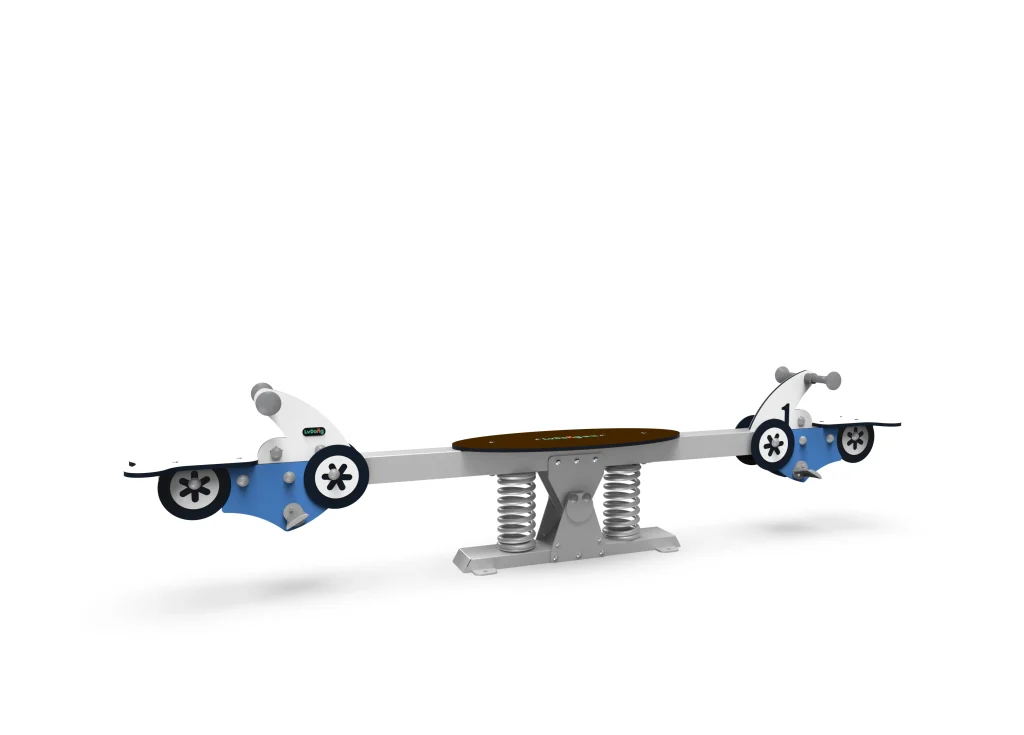
Ask the supplier to explain the wall thickness of metal posts, the type of springs used in seesaws, and the way rotating components are sealed. A transparent supplier will share material certifications without being pressed. If you sense hesitation or vague answers about material origin, consider it a warning sign.
Evaluate Installation, Support, and After-Sales Service
Installation quality is often where the biggest hidden costs and risks reside. Determine early whether the supplier provides a turnkey service that includes ground preparation, concrete work, and assembly, or whether they ship components and leave installation to your local team. Both models can work, but you need to know the boundaries of responsibility.
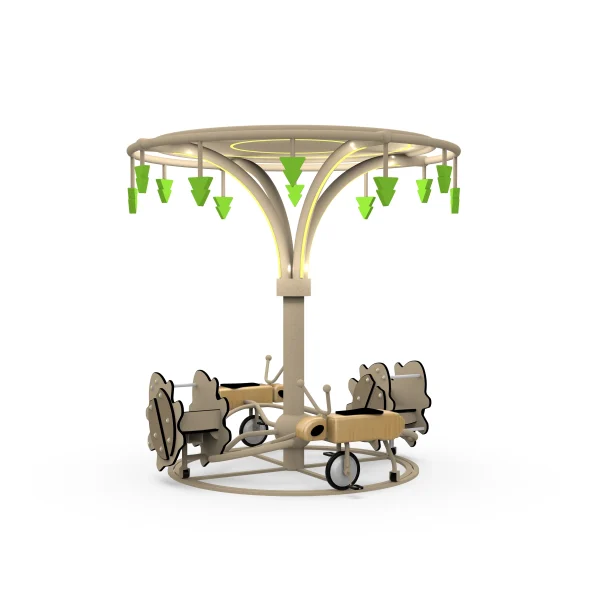
In our projects, we supply a full installation manual and offer on‑site supervision for large school rollouts. Even when local contractors do the work, our engineer will guide them through the critical first steps of anchoring and alignment. After installation, your relationship with the supplier should not end. A reliable partner keeps safety‑critical spare parts — bearings, chain connectors, spring assemblies — in stock and can ship them quickly. Before signing a contract, ask for a sample spare parts list and the standard lead time for three wear items. A supplier who cannot deliver a swing seat in under two weeks will cause a playground closure that disrupts the school schedule.
| Service Item | What to Ask | Red Flag |
|---|---|---|
| Installation | Is supervision included? | “Just follow the manual” |
| Spare Parts | What is the lead time for springs and bearings? | Over 14 days for common items |
| Warranty | Does it cover structural welds and surface coating? | Excludes paint or plastic parts |
| Maintenance Guidance | Do you provide an annual inspection checklist? | No documentation provided |
Weigh Cost Against Long-Term Value
Price matters, but the true cost of a playground includes the installation freight, the expected lifespan of the materials, and the downtime caused by failures. A slightly higher upfront investment in thicker metal posts and UV‑stabilized plastics can save thousands in replacement costs after five years of heavy school use. I encourage you to request quotes that break down itemized costs: each slide module, each swing bay, surfacing, and freight.
When comparing two suppliers with very similar equipment lists, look at the warranty terms and the spare parts pricing. A five‑year structural warranty together with a commitment to stock components for at least eight years signals that the manufacturer trusts its own work. If your school program involves multiple campuses or a phased rollout, discuss volume pricing early. A supplier with deep production capacity can often adjust unit costs more favorably as the order grows.
Partner With a Supplier Who Shares Your Commitment to Child Safety
Every playground I have helped deliver has reinforced one belief: the right supplier relationship is built on transparent communication and shared accountability. Instead of chasing the lowest bid, choose a partner who can demonstrate engineering competence, documented safety compliance, and a willingness to support your team long after the ribbon is cut. If you have specific site constraints or want a customized design that matches your school’s identity, reach out to our team at [email protected] or via WhatsApp at +8613915684545 with your project brief. We will review your requirements and prepare a detailed proposal including layout options, safety documentation, and a phased delivery timeline.
Common Questions About Selecting a Playground Equipment Supplier
What safety standards must a school playground equipment supplier meet?
A qualified supplier should comply with EN 1176 (European) or ASTM F1487 (US) for international projects, as well as GB/T 34272‑2017 for schools inside China. These standards cover everything from head and finger entrapment to impact attenuation. Always ask for current third‑party test certificates, not expired ones. If the supplier cannot produce reports for the specific SKUs you are buying, look elsewhere.
How long does a typical school playground project take from design to installation?
Timelines vary with complexity, but a custom multi‑activity playground usually takes six to ten weeks. Design and approval may take two weeks, manufacturing four to five weeks, and installation one to two weeks. Larger projects with multiple zones can extend to twelve weeks. Clarify whether the supplier’s lead time is counted from design freeze or from deposit, because some quotes start the clock only after full payment.
Can we get a customized design for a small school playground?
Yes, and I would argue that smaller spaces benefit most from customization. Instead of trying to squeeze in pre‑configured sets, a custom layout can fit a slide, a few spring riders, and an activity panel into a compact footprint while maintaining safety buffer zones. We have designed 60‑square‑meter playgrounds for inner‑city kindergartens that feel spacious because every element was placed with purpose. Share your site measurements and a wish list; a capable supplier will work within your limits.
What warranty should we expect on playground equipment?
A solid warranty covers structural metal components for at least five years, plastic parts for three years, and moving wear items like bearings and springs for one year. Read the exclusions carefully. Some warranties will not cover fading of plastic or surface rust, which is acceptable if those are cosmetic. But if the warranty excludes welds or load‑bearing hardware, that is a dealbreaker. Warranties also imply a promise to supply compatible parts throughout the warranty period, so confirm that in writing. If your playground setting includes coastal or high‑humidity exposure, discuss anti‑rust treatments and confirm how they are reflected in the coverage terms before you order.
If you’re interested, check out these related articles:
Eco Friendly Playground Equipment SGS REACH RoHS Standards Explained
Age Appropriate Playground Sets for Child Development
Replacing Chains Bearings Springs Lifespan Guide Strategies
Single vs Double Seat Playground Horse Spring Riders A Comparison
Playground Equipment Safety Your Essential Self Inspection Checklist