Selecting a playground equipment supplier for a school is not just about comparing price sheets. The decisions you make today affect how safely children play for the next decade. In my ten years of designing and manufacturing unpowered playground equipment, I have learned that a supplier’s integrated capability—from in‑house design to final installation—is the strongest predictor of long-term safety and durability. A low bid that brings hidden maintenance costs or absent safety reports is no bargain. This guide walks through the practical evaluation points that my own clients find most useful.
What Experts Look for in a School Playground Equipment Supplier
When I speak with school administrators, I often hear the same concern: “Everyone’s brochure looks good, how do I see past the marketing?” The answer lies in distinguishing manufacturers from resellers. A real manufacturer controls design, steel fabrication, welding, coating, and assembly under one roof. They can react to site changes, customize units, and trace quality at every step. A reseller, on the other hand, sources from multiple factories and has limited influence over production consistency.
| Capability | Integrated Manufacturer | Trading / Reseller |
|---|---|---|
| In‑house design team | Yes, can adapt to site and age group | No, relies on factory catalogs |
| Direct quality control | Full oversight from raw material to packaging | Limited to inspection at shipment |
| Customization | Deep, including structural modifications | Usually color changes only |
| After‑sales support | Stock spare parts, own service team | Depends on third‑party factory |
| Certifications and test reports | Produced in‑house for each order | May give generic one‑time certs |
This table isn’t about brand names—it’s about understanding who holds the wrench and who holds only the phone.
Assessing Design and Engineering Capability in Your Supplier
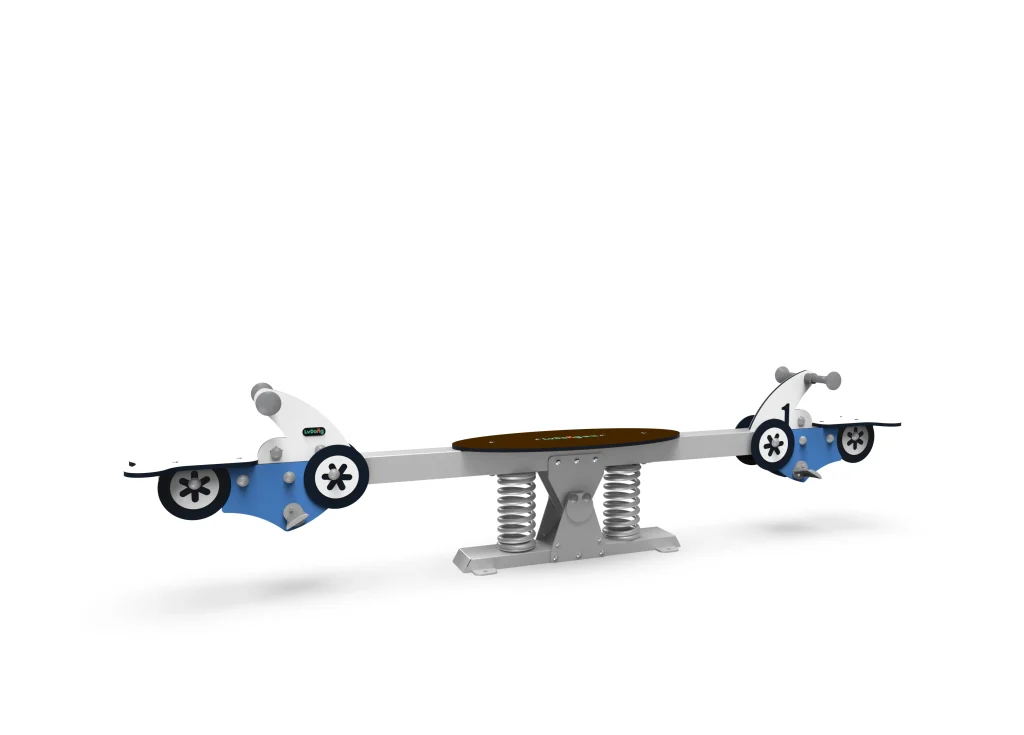
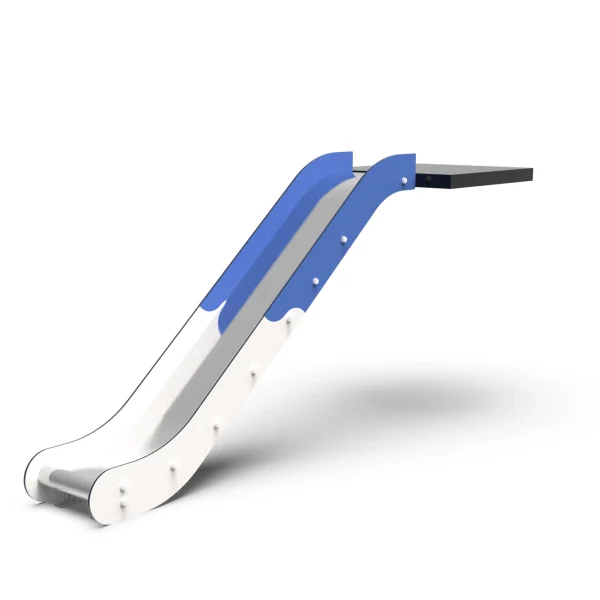
A supplier who understands playground design as more than assembling catalogs can save you months of back-and-forth. I recall a school that had an awkward triangular plot behind the gym. A reseller offered a standard rectangular set that lost half the usable space. Our design team, however, reconfigured a multi-play unit into a linear sequence with a curved slide and climber that followed the fence line, creating a natural flow that maximized both play value and safety clearances.
Why In-House Design Matters for Custom School Playgrounds
In‑house design capability means your supplier can create a playground that fits your specific site, not the other way around. They will consider fall zones per ASTM F1487, age‑group separation, traffic patterns, and even supervision sightlines. This is particularly important for schools that serve mixed age groups, where toddler swings must sit at a safe distance from older children’s climbing structures. A manufacturer-led design process often includes a free 3D concept plan, so you can visualize the entire layout before any steel is cut.
How to Request and Review a 3D Playground Design Proposal
Share a scaled site plan and photos of the area. Ask for more than a sketch: the 3D rendering should show dimensions, equipment footprints, fall zones, and surfacing boundaries. Look for evidence that the designer has thought about sun orientation—metal slides facing north in hot climates—and drainage. A proposal that feels “plug‑and‑play” may mean the supplier is just placing pre‑built models without site‑specific adjustments.
If your school has unusual slopes or space constraints, it is worth discussing these with a design engineer early. Share your site plan at [email protected]. We will assess the feasibility before you commit.
Evaluating Manufacturing Quality and Safety Standards
A certificate on a wall does not prevent a weld from cracking next year. When I visit supplier factories with clients, we look at the actual process.
Key Factory Floor Indicators of Durable Playground Equipment
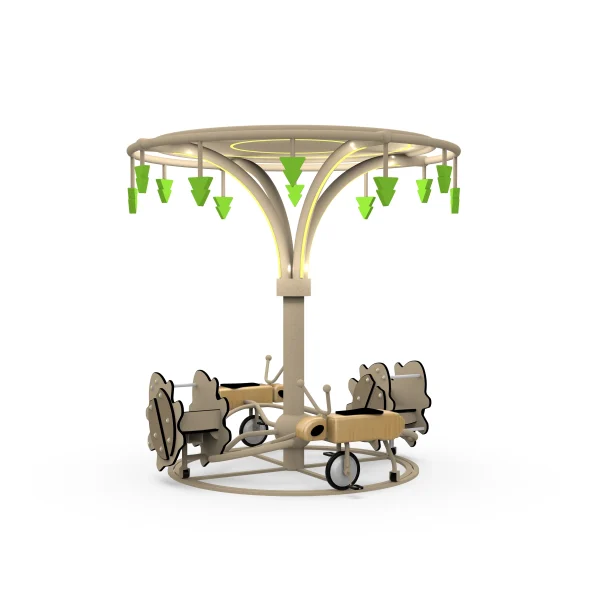
Start with the steel. Commercial playground posts should be at least 2.5 mm thick galvanized steel with double‑layer powder coating—not thin‑wall tubing that bends on impact. Look at how the welds are finished: are they fully ground and smooth, or is there slag left behind? A quality manufacturer will use jigs to keep consistent joint alignment and will test samples for strength. Also examine the plastic components. For slides and panels, rotationally molded LLDPE with UV stabilizers prevents cracking and fading after years of sun exposure. Ask to see the weathering test reports.
Understanding Safety Certifications and Testing Documentation
The supplier should hold ISO 9001 for quality management, and their products should comply with EN 1176 (Europe) or ASTM F1487 (United States). For import from China, GB/T 34272-2017 is the national standard, equivalent to international benchmarks. Go beyond the certificate: ask for third‑party load test reports from TÜV or SGS on critical assemblies like swing joints, spinning axles, and spring rider bases. I have seen cases where a supplier provided a valid EN 1176 certificate for the slide, but the connecting clamps had never been tested—a gap that could lead to failure under heavy use.
Project Management and After-Sales Support for Schools
A beautifully designed playground can turn into a headache if installation is botched or parts are unavailable a year later.
What Installation and Site Supervision Should Include
A responsible supplier either dispatches a trained installation crew or assigns an on‑site supervisor to guide your local contractors. They should confirm that the concrete footings are correctly sized, the equipment is level, and the safety surfacing—poured‑in‑place rubber, turf, or engineered wood fiber—meets impact attenuation requirements. Pre‑installation duties include verifying underground utilities and drainage slopes. After assembly, a thorough post‑installation inspection checks all fasteners, moving parts, and fall zone dimensions against the approved layout.
Maintenance Plans and Spare Parts Availability
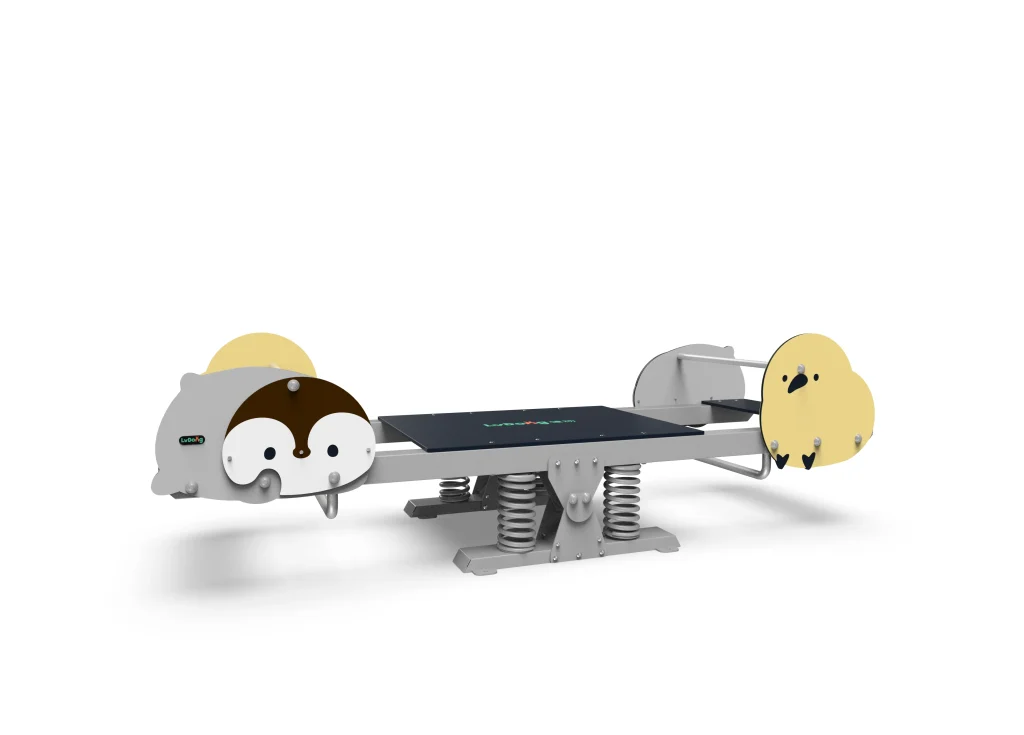
Every playground needs a maintenance rhythm. Ask your supplier for an annual inspection checklist and a schedule for lubricating bearings, tightening bolts, and touching up scratched paint. Even more important is the spare parts pipeline. I encourage schools to order a starter kit of frequently replaced items—swing seats, bearings, spring covers—at the time of purchase. Because we manufacture in‑house, Suzhou LvDong keeps a deep stock of components, and we can ship commonly needed parts within days, keeping downtime short.
Steps to Finalize Your Playground Equipment Partner
After narrowing your options, follow these steps to make a confident decision:
- Request a site‑specific 3D proposal with a detailed quote. The quote should itemize equipment, surfacing, transportation, installation supervision, and any taxes or duties. Compare the total cost, not just the equipment list.
- Verify factory audits or request a virtual tour. Look at the welding station, coating line, and assembly area. A clean, organized floor speaks volumes.
- Review the warranty clause with a critical eye. A five‑year structural warranty is common among reputable manufacturers, but confirm what’s excluded. Ask how warranty claims are handled—do they send parts, or do you pay shipping?
- Check references. Ask for at least three school projects similar to yours and contact the facilities manager. Inquire about installation punctuality, communication, and after‑sales response.
- Visit a completed project if possible. There is no substitute for watching children actually use the equipment you are about to buy.
A supplier who controls the entire process—from design to production to after‑sales—removes the uncertainty that keeps school administrators awake at night. Share your school’s site plan and play requirements with us at [email protected] or on WhatsApp +8613915684545. We will prepare a free 3D design proposal tailored to your age groups and space, including a detailed quote with no hidden costs.
Common Supplier Selection Questions from School Administrators
How long does it take from placing an order to having a playground installed?
Typical lead times range from four to eight weeks for production, depending on customization and factory backlog. Shipping adds another one to three weeks for domestic orders, or longer for international freight. We usually ship standard sets within four weeks; complex custom orders may take up to ten weeks. Always confirm with your supplier and build in extra time for site preparation and weather delays.
What safety certifications should a school playground supplier definitely have?
At minimum, look for ISO 9001 quality management certification and product compliance with EN 1176 or ASTM F1487. If importing, confirm that the manufacturer follows GB/T 34272-2017. Ask for third‑party test reports from recognized labs like TÜV, SGS, or Intertek for critical components. A supplier willing to share full test documentation is one that takes safety seriously.
Can a supplier customize equipment to fit our specific site dimensions and theme?
Yes. Provide a site plan with dimensions, obstacles, and any desired theme or educational focus. We regularly adapt slides, climbers, and multi‑play units to irregular spaces and can incorporate school colors, logos, or learning panels. A custom design often results in a more engaging play environment than a generic catalog set.
What should I look for in a playground equipment warranty?
A strong warranty covers structural posts and welds for at least five years, with one to two years on moving parts like swings and spinners. Read the fine print: some warranties exclude damage from normal wear or void if installation is not done by the supplier’s team. Also confirm how spare parts get supplied during the warranty period. If you are comparing warranty terms between suppliers, share the contracts with us at [email protected] and we will identify hidden gaps for you—no obligation.
If you’re interested, check out these related articles:
Outdoor Playground Set Layout Strategic Design for Optimal Play
Key Contract Clauses for Commercial Playground Equipment Purchase