Selecting age-appropriate swings is fundamental to creating safe and engaging play environments for children. It is not simply about providing a place to swing; it involves a thoughtful consideration of a child’s physical capabilities, developmental stage, and the inherent safety requirements of playground equipment. By matching swing seats to a child’s age and abilities, we ensure that outdoor play remains a secure and enriching experience, fostering both physical growth and cognitive development.
Understanding Developmental Stages and Swing Seat Needs
Children progress through distinct developmental stages, each with unique physical and cognitive needs that influence their interaction with playground equipment. For infants and toddlers, their developing core strength and balance require different support compared to preschoolers or older children. Understanding these stages is the first step in choosing the right age-appropriate swings, ensuring both safety and maximum developmental benefit.
| Age Range | Developmental Stage | Recommended Swing Type | Safety Considerations |
|---|---|---|---|
| 6-24 Months | Developing head/neck control, sitting | Full Bucket Swing | High back support, enclosed sides, safety harness |
| 2-5 Years | Improved balance, motor skills | Half Bucket Swing | Partial enclosure, secure seating, adult supervision |
| 5-12 Years | Strong balance, coordination | Belt Swing, Tire Swing | Flexible seat, open design, proper grip |
| All Ages (with needs) | Varied physical/cognitive abilities | Inclusive Swing Seat | High back, harness, wider seat, accessible design |
What are the different types of swing seats for babies and toddlers?
For babies and toddlers, the primary types of swing seats are full bucket swings and half bucket swings. Full bucket swings provide complete enclosure and head support, ideal for infants who can sit upright but still need significant stability. Half bucket swings offer strong back support and leg openings, suitable for toddlers with better balance and coordination. Both types prioritize security to prevent falls while allowing young children to experience the joy of swinging.
Meeting Safety Standards and Certifications for Age-Appropriate Swings
Adherence to established safety standards is paramount when designing and installing playground equipment, especially age-appropriate swings. These regulations minimize risks and ensure that every component, from the swing seat to the support structure, meets rigorous performance criteria. Compliance is not just a requirement; it is a core principle guiding manufacturing and installation processes.
International safety standards such as EN 1176 (the European standard for playground equipment) and GB/T 34272-2017 (the national standard for unpowered amusement facilities in China) set the baseline for quality. For projects requiring North American compliance, equipment must meet ASTM F1148 standards, which cover consumer safety performance specifications for home playground equipment. These certifications dictate everything from material strength and impact attenuation to entrapment prevention and weight limits for swings.
A comprehensive renovation project for a large municipal park illustrates how these standards apply in practice. The existing equipment, including various play structures and swings, was severely outdated. A thorough assessment identified several components that did not meet current GB/T 34272-2017 standards, particularly regarding material integrity and fall zone compliance. The proposed design incorporated robust, UV-resistant materials for all exposed parts, including swing chains and seats manufactured to withstand harsh weather. Once completed, the project revitalized the play area and resulted in zero reported equipment-related safety incidents over the subsequent two years, a significant improvement from previous records.
How do I ensure the swing seat I choose is safe for my child’s age?
To ensure a swing seat is safe, verify it meets recognized safety standards like ASTM F1148 or EN 1176. Check the manufacturer’s age and weight recommendations, ensuring they align with your child’s stage. For younger children, choose seats with high backs and secure harnesses, like full bucket swings, to provide necessary support and prevent falls. Regular inspection for wear and tear is also crucial for ongoing safety.
Types of Age-Appropriate Swing Seats and Their Features
The market offers a variety of age-appropriate swing seats, each designed with specific features to cater to different developmental stages and physical abilities. From the secure embrace of a full bucket swing to the dynamic movement of a belt swing, understanding these options helps in creating inclusive and stimulating play areas.
| Swing Seat Type | Key Features | Suitable Age Range | Primary Developmental Benefit |
|---|---|---|---|
| Full Bucket Swing | High back, fully enclosed sides, leg holes, harness | 6-24 Months | Head/neck support, sensory input, security |
| Half Bucket Swing | High back, partial enclosure, leg holes | 2-5 Years | Balance, coordination, core strength |
| Belt Swing | Flexible rubber seat, open design | 5-12 Years | Gross motor skills, spatial awareness, grip |
| Tire Swing | Recycled tire, multi-directional movement | 5-12 Years | Vestibular stimulation, social play |
| Inclusive Swing | High back, full support, safety harness, accessible | All Ages | Sensory integration, social interaction |
When should a child transition from a bucket swing to a belt swing?
A child should transition from a bucket swing to a belt swing when they demonstrate strong upper body control, can sit unassisted with good balance, and can hold onto the swing chains independently. This typically occurs between 4 and 5 years of age, but it depends on individual developmental progress. Always prioritize the child’s stability and comfort to ensure a safe and enjoyable experience.
Material Durability and Weather Resistance for Outdoor Play
The longevity and consistent safety of outdoor playground equipment, including age-appropriate swings, depend heavily on the quality of materials used. Exposure to sun, rain, temperature fluctuations, and heavy use demands components that are robust and resistant to environmental degradation. Investing in durable swing materials means investing in sustained safety and reduced maintenance over time.
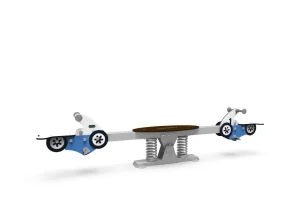
Materials known for their resilience include high-density polyethylene (HDPE) for swing seats, which offers excellent UV resistance to prevent fading and cracking, and galvanized steel for chains and hardware, ensuring protection against rust and corrosion. These choices are critical for maintaining structural integrity and preventing premature wear, which could compromise child safety. Spring riders and seesaws constructed with weather-resistant structures suitable for continuous outdoor exposure mirror the material quality expected for swing components. This commitment to material science ensures that equipment remains safe and visually appealing for years, even in challenging climates.
Installation Best Practices and Ongoing Maintenance
Proper installation and diligent ongoing maintenance are two non-negotiable aspects of ensuring the safety and longevity of age-appropriate swings. Even the highest quality equipment can become a hazard if not installed correctly or if neglected over time.
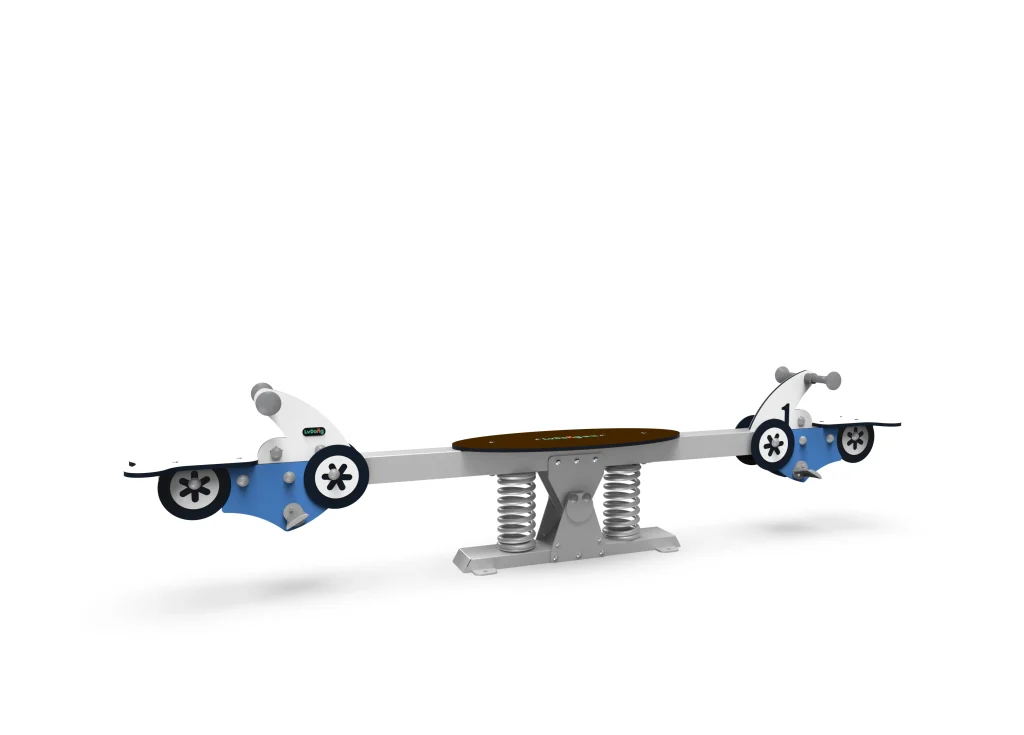
Installation begins with thorough site preparation, ensuring a level surface and adequate fall zone surfacing. Each component must be assembled according to manufacturer specifications, with all bolts and fasteners securely tightened. Multi-person outdoor playground seesaws, for example, require precise alignment and anchoring to ensure stable, smooth motion for multiple users. After installation, a certified inspector should verify compliance with all local codes and safety standards.
Routine maintenance involves regular inspections for wear and tear, such as checking swing chains for links that are thinning, seats for cracks, and hardware for looseness. Lubrication of moving parts, cleaning, and prompt replacement of damaged components are also part of the maintenance cycle. Integrated service capability extends beyond design and production to include installation guidance and after-sales support, helping clients maintain optimal equipment performance and safety for the long term.
Choosing Quality Age-Appropriate Swings for Your Project
Ensuring children’s play environments are both safe and stimulating requires high-quality, age-appropriate equipment. If your project involves specific site constraints or accessibility requirements, it is worth discussing material specifications and installation options before finalizing your design. Suzhou LvDong Amusement Equipment Co., Ltd helps park managers, educators, and community planners create exceptional, safe play spaces through innovative design, rigorous manufacturing, and comprehensive support. Contact us today to discuss how our premium unpowered amusement solutions can elevate your next project.
Frequently Asked Questions
How often should swing seats be inspected for wear and tear?
Swing seats in commercial settings should be inspected monthly for signs of wear, cracks, or damage. Regular checks help identify issues before they compromise the integrity of durable swing materials. This proactive approach is vital for maintaining a safe play environment.
Are there specific swing seats designed for children with special needs?
Yes, inclusive swing seats are specifically designed with features like high backs, harnesses, and wider dimensions to provide support and safety for children with varying abilities, promoting developmental benefits of swinging for all. These designs ensure accessibility and comfort for every child.
What is the typical lifespan of a commercial-grade swing seat?
A high-quality commercial-grade swing seat, made from durable, UV-resistant materials and properly maintained, can last 5 to 10 years or more, depending on usage and environmental conditions. Adherence to playground equipment maintenance schedules is key to maximizing its lifespan and safety.
Can I use a residential swing seat in a commercial playground?
No, residential swing seats are not typically designed to meet the more stringent safety standards and durability requirements of commercial playgrounds. Always use commercial-grade equipment that complies with ASTM F1148 standards for public use to ensure adequate safety and resilience.
What are the key considerations for swing seat installation height?
Installation height must comply with manufacturer guidelines and local regulations, typically ensuring adequate clearance from the ground and surrounding structures to prevent injuries during use. Correct installation height is paramount for preventing accidents. For guidance on specific height requirements for your project, reach out to discuss your site conditions.
If you’re interested, check out these related articles:
How Indoor Playground Equipment Manufacturers Customize Solutions
Factory Direct Playground Spring Riders Unbeatable Value Quality
Essential Checklist for Playground Equipment Safety Test Reports