Choosing the right partner for school playground equipment is a significant decision that affects student well-being, educational enrichment, and long-term facility management. A well-designed play environment fosters physical activity, social development, and imaginative exploration. This makes selecting school playground suppliers a critical step in any campus improvement project. The following guide outlines key considerations to help schools secure safe, durable, and engaging play spaces that serve students for years to come.
What Should Schools Define Before Contacting Suppliers
Before engaging with any school playground suppliers, clearly defining your school’s unique needs and vision is paramount. This initial planning phase ensures the playground equipment aligns with your educational philosophy, the specific demographics of your student body, and the physical characteristics of your site.
Consider the age range of the children who will use the playground. Equipment must be age-appropriate to maximize safety and engagement. A climbing structure designed for ten-year-olds presents fall hazards for kindergarteners, while equipment scaled for younger children fails to challenge older students physically or cognitively. Inclusive play elements are also vital. Children of all abilities should be able to participate and interact, which means evaluating wheelchair accessibility, sensory play options, and equipment that accommodates varying motor skill levels.
We recommend conducting a thorough site assessment to understand the available space, existing infrastructure, and any environmental factors like sun exposure or drainage. A south-facing playground in a region with intense summers may require shade structures or equipment with lower heat retention. Poor drainage can create standing water that accelerates equipment corrosion and creates slip hazards. This foundational work prevents costly redesigns and ensures the final playground maximizes its positive impact on student development.
How to Evaluate Supplier Credentials and Track Record
Partnering with an experienced supplier minimizes project risks and ensures reliable execution from concept to completion. When evaluating school playground suppliers, look for a track record of successful projects, particularly those involving educational institutions. A supplier’s reputation often reflects their commitment to quality and client satisfaction.
In my experience overseeing projects at Suzhou LvDong Amusement Equipment Co.,Ltd, I have seen firsthand how a clear vision translates into successful outcomes. When we worked with a school in Jiangsu province, their initial request was for a standard swing set. After our team conducted a thorough site assessment and discussed their educational goals, we recommended an inclusive play structure that ultimately increased daily student engagement by an estimated 30% and received overwhelmingly positive feedback from parents. LvDong’s decade of craftsmanship and over 1,500 successfully implemented projects demonstrate proven expertise in delivering reliable playground solutions across diverse scenarios, including educational institutions.
Suppliers should hold certifications such as EN 1176 (European Safety Standard) and GB/T 34272-2017 (Chinese National Standard) for unpowered amusement equipment. These certifications confirm the equipment meets stringent safety criteria, providing assurance of quality and compliance. Request documentation rather than accepting verbal claims.
Evaluate suppliers based on their project portfolio, client references, adherence to safety standards, material quality, customization capabilities, and the comprehensiveness of their after-sales support. A transparent manufacturing process and clear warranty policies are also important indicators of reliability.
| Evaluation Criterion | What to Look For |
|---|---|
| Experience and Reputation | Number of completed school projects, verifiable references, years in operation |
| Safety Certifications | EN 1176, ASTM F1487, GB/T 34272-2017 documentation |
| Material Quality | Specific material grades, coating specifications, UV resistance ratings |
| Design Capabilities | Portfolio of custom projects, in-house design team, 3D rendering capabilities |
| Installation Support | Professional installation crews, training for maintenance staff, installation timeline guarantees |
| After-Sales Service | Warranty duration, spare parts availability, response time commitments |
Why Safety Standards and Material Quality Cannot Be Compromised
The safety of children is non-negotiable, making it the foremost consideration when selecting school playground suppliers. Equipment must adhere to stringent international safety standards, such as EN 1176 and GB/T 34272-2017, which dictate design, materials, installation, and maintenance requirements. Always request proof of compliance and understand the implications of these certifications for your specific project.
Beyond safety certifications, the quality and durability of materials directly influence the playground’s lifespan and long-term maintenance costs. A playground built with substandard materials may pass initial inspection but develop stress fractures, coating failures, or structural weaknesses within three to five years. Investing in high-quality, certified equipment protects children and reduces future expenses. Suzhou LvDong Amusement Equipment Co.,Ltd’s modern production base and rigorous quality management system ensure our equipment meets high safety and durability standards.
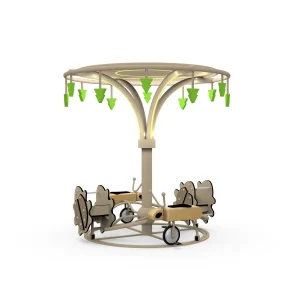
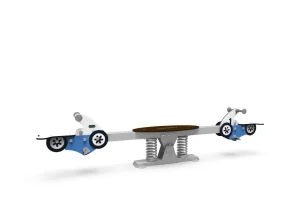
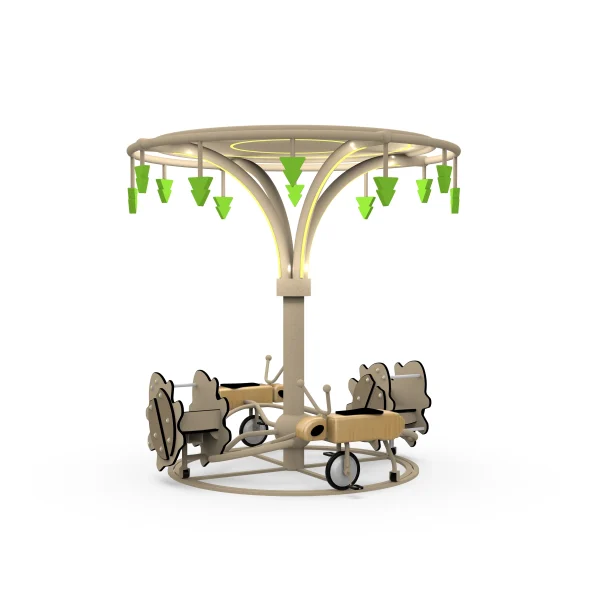
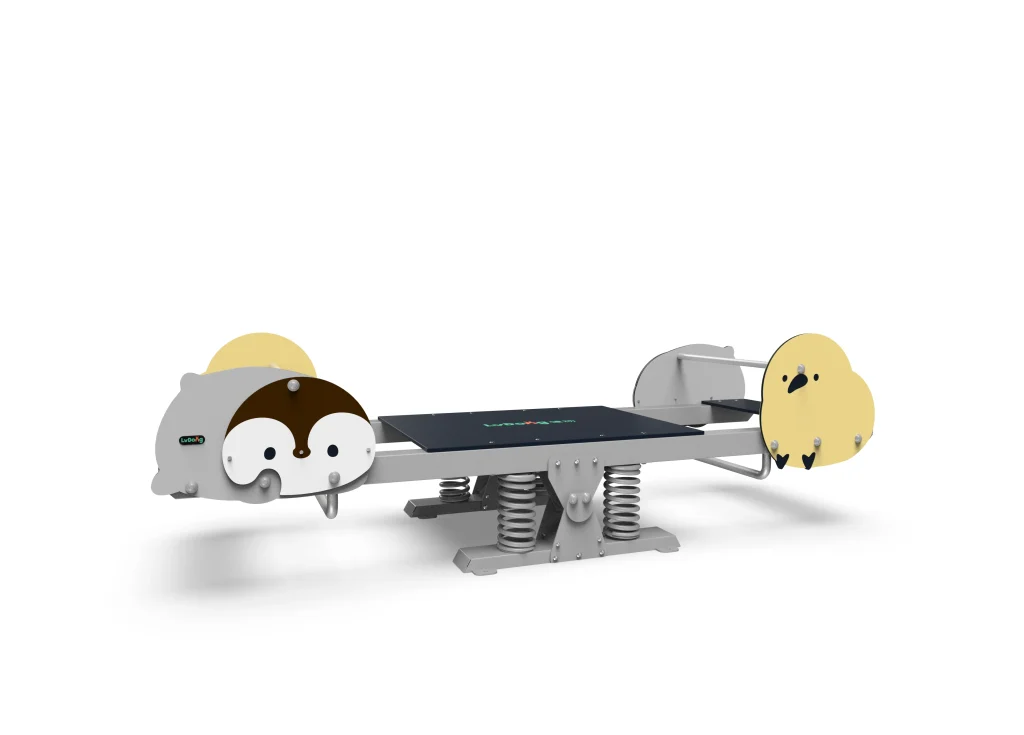
Consider the materials used in the playground equipment. Our Multi-Player Playground Spinning Wheel features durable, wear-resistant materials suitable for both outdoor sun and rain exposure, as well as high-frequency indoor use. Similarly, our Single-Player Playground Spinning Equipment and Spring Playground Equipment are constructed with high-strength steel springs and child-safe designs, ensuring stability and smooth motion with low fall heights. Even our Multi-Person Outdoor Playground Seesaw uses a sturdy metal frame with a spring-assisted base, designed for longevity and safety.
| Material Type | Advantages | Limitations | Maintenance Requirements |
|---|---|---|---|
| Steel | High strength, design versatility, cost-effective for large structures | Susceptible to rust without proper coating | Annual inspection for coating integrity, touch-up painting every 3-5 years |
| Plastic (HDPE/LLDPE) | Weather-resistant, maintains color, lower surface temperature than metal | UV degradation over time, can become brittle in extreme cold | UV protectant application, crack inspection |
| Wood | Natural aesthetic, splinter-resistant when properly treated | Requires sealing, susceptible to rot and insect damage | Annual sealing, regular inspection for splitting |
| Aluminum | Lightweight, naturally corrosion-resistant, high strength-to-weight ratio | Higher initial cost, limited design flexibility | Minimal, periodic cleaning |
What Design, Installation, and After-Sales Support Should Include
A comprehensive approach to playground development extends beyond equipment selection to encompass design, installation, and ongoing support. A supplier offering integrated services ensures a seamless project and sustained equipment functionality. This integrated full-industry-chain service covers research and development, custom design, production, professional installation, and comprehensive after-sales support.
Effective project management from your chosen school playground suppliers is critical. They should provide clear timelines, communicate progress regularly, and manage all aspects of delivery and installation. Post-installation, the availability of maintenance services and a robust warranty policy are indicators of a supplier’s commitment to the longevity and safety of their products.
Customization is highly important for school playgrounds. It allows a playground to perfectly fit the school’s unique space, student demographics, and educational objectives. Tailored designs can incorporate specific themes, promote particular skills, or address site-specific challenges, enhancing the playground’s overall value and appeal. A supplier with in-house design capabilities can adjust equipment dimensions, color schemes, and configurations without the delays that come from outsourcing design work.
After-sales support is critical for ensuring the long-term safety and functionality of playground equipment. It includes warranty coverage, availability of spare parts, and maintenance guidance, which helps schools address issues promptly, extend equipment lifespan, and maintain a safe play environment. Ask potential suppliers about their typical response time for warranty claims and whether they stock replacement parts domestically or ship from overseas.
If your project involves complex site conditions or phased installation, it is worth discussing logistics and timeline flexibility before committing to a supplier.
How to Balance Budget Constraints with Long-Term Value
Strategic budget planning and understanding the total cost of ownership are essential for a sustainable investment in children’s play. While initial purchase price is a factor, it is important to consider the long-term expenses associated with installation, maintenance, repairs, and potential replacement.
Request detailed quotes that itemize all costs, including delivery and installation. A quote that bundles everything into a single line item makes it difficult to compare suppliers or identify where costs can be reduced. Explore various financing options if needed, and understand the procurement process to ensure compliance with school or district policies. The goal is to find school playground equipment that offers the best balance of safety, quality, and durability within your budget, providing enduring value for your students.
The typical lifespan of commercial playground equipment varies significantly based on material quality, usage intensity, maintenance practices, and environmental conditions. High-quality equipment, properly installed and regularly maintained, can last 15 to 25 years or even longer. A playground that costs 20% more upfront but lasts 50% longer represents better value than the lowest-bid option that requires replacement in eight years.
Partner with Experienced Playground Specialists
Ensuring children’s safety and fostering their development through play can be a complex challenge for schools. Suzhou LvDong Amusement Equipment Co.,Ltd helps educational institutions achieve exceptional, safe play environments with over a decade of expertise in premium unpowered equipment and integrated full-industry-chain services. Connect with us today to design a custom playground solution that inspires joy and learning for your students.
Frequently Asked Questions
How can schools ensure their playground equipment meets all local safety standards?
Schools must verify that suppliers provide equipment certified by relevant national and international safety organizations, such as ASTM or EN standards. Request copies of certification documents and confirm they apply to the specific equipment models being purchased, not just the manufacturer’s product line in general. Some jurisdictions have additional local requirements beyond international standards, so check with your facilities department or local regulatory authority before finalizing specifications.
What are the benefits of choosing a supplier with in-house design capabilities?
In-house design capabilities allow for greater customization and flexibility. The design team can adjust dimensions to fit irregular site boundaries, modify configurations to work around existing trees or structures, and incorporate school colors or mascot themes without the communication delays that occur when design is outsourced. Changes during the approval process can be implemented faster, keeping the project on schedule.
Is it possible to integrate educational elements into playground designs?
Many modern playground designs incorporate elements that foster cognitive development, problem-solving, and social skills. Balance beams and climbing structures develop proprioception and motor planning. Musical play panels introduce cause-and-effect relationships. Multi-user equipment like seesaws and spinning platforms requires cooperation and turn-taking. Some suppliers offer panels with letters, numbers, or puzzle elements that support early literacy and numeracy in age-appropriate ways.
How does a supplier’s warranty policy impact the long-term investment?
A robust warranty policy provides critical protection against defects and premature wear. Compare warranty duration across suppliers, but also examine what the warranty covers. Some warranties exclude normal wear items like swing seats or rubber grips. Others require professional installation to remain valid. Understanding these details before purchase prevents unexpected costs when components need replacement.
To discuss specific requirements for your school playground, contact us at [email protected] or WHATSAPP:+8613915684545.
If you’re interested, check out these related articles:
Playground Slides Buying Guide Height Slope and Critical Safety
Playground Equipment Paint Refresh Optimal Surface Prep Recoating
Sensory Playground Panels Touch Visual Audio Options
OEM Branding Services Elevating Outdoor Playset Manufacturing