Playground seesaw certification confirms equipment meets safety standards designed to prevent injuries. The process verifies every component—from design through installation—is fit for purpose. Adhering to these benchmarks protects children, provides peace of mind for parents and operators, and upholds the integrity of the play environment.
Why Seesaw Certification Matters for Preventing Injuries
The presence of playground equipment implies a promise of safe play. Seesaw certification is not a bureaucratic hurdle; it is a fundamental safeguard against potential harm. When a seesaw is certified, it has undergone thorough testing and evaluation against established safety standards. This process directly contributes to preventing injuries by addressing hazards like entrapment points, sharp edges, fall heights, and structural integrity. Without proper certification, equipment may harbor hidden dangers that could lead to accidents ranging from minor scrapes to severe injuries.
Beyond immediate physical safety, certification mitigates legal risks and liabilities for playground operators, manufacturers, and installers. Non-compliant equipment can expose organizations to lawsuits, fines, and reputational damage. I have seen how a lack of adherence to simple safety guidelines can lead to complex legal challenges. At Suzhou LvDong Amusement Equipment Co., Ltd., we ensure that every piece of equipment we produce meets and often exceeds the required safety benchmarks, protecting all stakeholders. This proactive approach keeps the joy of play untainted by preventable accidents.
What EN 1176 and ASTM F1487 Require for Seesaws
Adherence to recognized global and regional safety standards is paramount for any manufacturer or operator in the playground industry. These standards provide a common language for safety, ensuring that equipment designed in one region can be safely used in another, provided it meets the local regulatory framework.
The most prominent international standards include EN 1176 for Europe and ASTM F1487 for North America. EN 1176 covers general safety requirements and test methods for playground equipment, including specific provisions for seesaws regarding dimensions, stability, and impact areas. ASTM F1487 similarly outlines safety performance specifications for public playground equipment, focusing on hazard reduction. CE marking indicates conformity with European health, safety, and environmental protection standards, allowing free movement of products within the European Economic Area. TÜV certification signifies independent verification of product safety and quality. CSA standards are prevalent in Canada, providing similar safety guidelines.
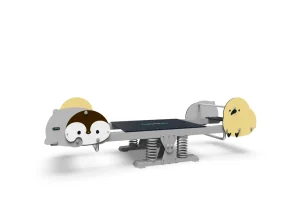
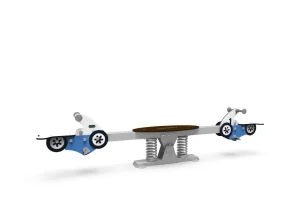
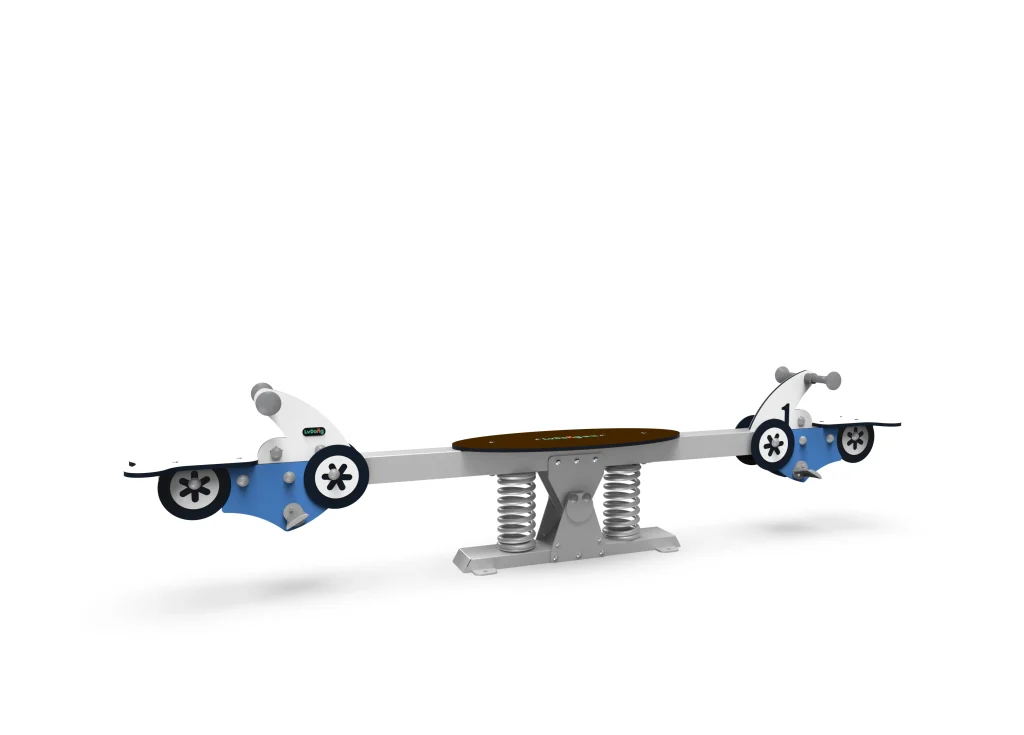
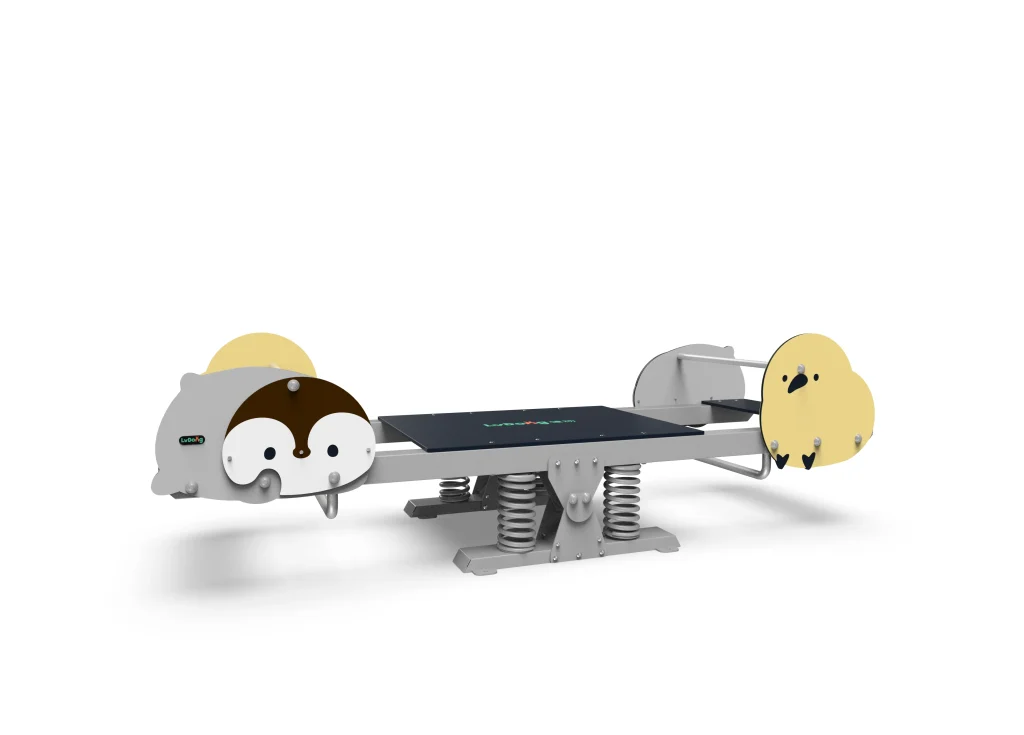
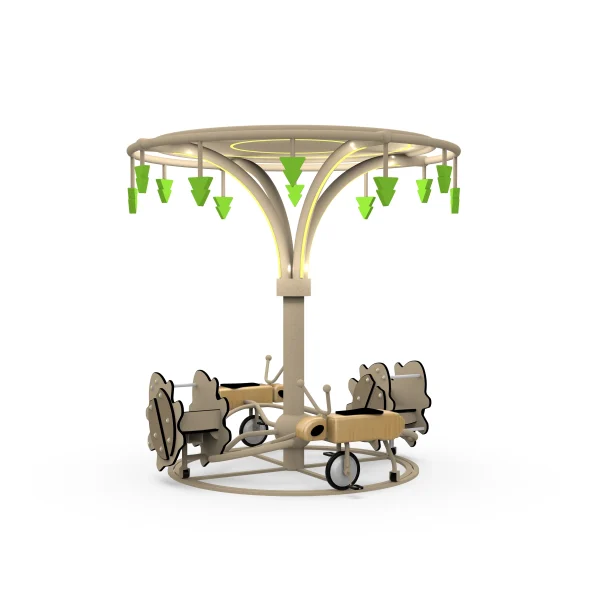
Suzhou LvDong Amusement Equipment Co., Ltd. designs products like our Multi-Person Outdoor Playground Seesaw with these global benchmarks in mind. Our manufacturing processes and materials align with these diverse requirements, facilitating market access and building trust with users and regulators worldwide.
What are the essential safety standards for playground seesaws?
The essential safety standards for playground seesaws are primarily EN 1176 (European) and ASTM F1487 (North American). These standards dictate critical aspects such as structural integrity, absence of entrapment hazards, appropriate fall heights, and required safety surfacing. They ensure seesaw equipment is designed, manufactured, and installed to minimize risks and promote safe play environments.
How the Certification Process Works from Design to Market Entry
The path to playground seesaw certification is a structured process that validates product integrity from initial concept to final market entry. It begins with rigorous research and development, where safety principles are integrated into the foundation of the design. This involves material selection, ergonomic considerations, and preliminary risk assessments. Following design, prototypes undergo extensive testing to simulate real-world usage and stress conditions. These tests evaluate strength, stability, and durability.
Our team at Suzhou LvDong Amusement Equipment Co., Ltd. manages this entire journey through our integrated full-industry-chain service. We control every stage: from initial R&D and design, through precision manufacturing in our over 10,000 square meter intelligent production base, to professional installation and comprehensive after-sales support. This integrated approach allows us to maintain strict quality control and ensure compliance at every step.
During the design phase of our Multi-Person Outdoor Playground Seesaw, we meticulously analyzed potential pinch points and ensured all moving parts were safely enclosed or designed to prevent injury, directly addressing EN 1176 guidelines for moving components. This comprehensive oversight ensures all safety criteria are met before the equipment reaches a playground.
Which Design and Material Specifications Determine Compliance
The inherent safety of seesaw equipment is rooted in its design and the materials used in construction. Specific design elements must prevent head and limb entrapment, eliminate sharp edges or protruding parts, and ensure stable operation. The age appropriateness of the equipment guides design choices; a seesaw for toddlers will have different dimensions and safety features than one for older children.
The maximum falling height of the seesaw dictates the type and depth of safety surfacing required beneath it. This impact attenuation material (engineered wood fiber, rubber tiles, or poured-in-place rubber) must absorb impact effectively to prevent serious injury from falls.
Materials must be durable, weather-resistant, and non-toxic. The steel frames used in our Multi-Person Outdoor Playground Seesaw are treated for corrosion resistance, and the plastic components are UV-stabilized to prevent degradation under sun exposure. Durability testing ensures the equipment can withstand continuous use and environmental stressors over its lifespan without compromising safety. We conduct thorough material safety checks to confirm all components meet stringent chemical and physical property requirements, ensuring they pose no health risks to children.
What Installation and Inspection Practices Maintain Long-Term Compliance
Achieving initial certification is a significant step, but maintaining safety throughout operational life requires continuous effort. Correct installation is fundamental; even perfectly certified equipment can become hazardous if not installed according to manufacturer specifications and local regulations. This involves proper anchoring, ensuring adequate fall zones, and verifying the correct depth and type of safety surfacing.
Following installation, a structured program of inspections and maintenance is vital. Regular playground inspection checklists should be used for routine visual checks (daily or weekly), operational inspections (quarterly), and comprehensive annual inspections by a qualified professional. These checks identify wear and tear, loose fastenings, structural damage, or any changes that could compromise safety.
Our after-sales support includes guidance on maintenance guidelines, and our standardized quality management system extends to providing replacement parts and technical assistance to ensure long-term safety and compliance.
How often should playground equipment be inspected for safety compliance?
Playground seesaws and other equipment should undergo routine visual inspections weekly, operational inspections quarterly, and comprehensive annual inspections by a qualified professional. Regular checks identify wear, damage, or potential hazards early, ensuring ongoing seesaw safety standards are met and maintaining a safe play environment.
How to Evaluate a Manufacturer’s Certification Credentials
Choosing the right manufacturer is the most critical decision for any playground project. Partnering with reputable manufacturers who demonstrate an unwavering commitment to certification and quality ensures inherent safety and regulatory compliance from the outset. A manufacturer’s adherence to international safety standards, coupled with certifications like ISO 9001 for quality management, speaks to their operational integrity.
When evaluating suppliers, consider their track record, their understanding of diverse regional standards, and their ability to provide comprehensive compliance documentation. Suzhou LvDong Amusement Equipment Co., Ltd., founded in 2015, has built a leading position in the domestic children’s amusement industry through over a decade of craftsmanship and innovation. Our modern production base and integrated full-industry-chain service (from R&D to after-sales support) reflect our dedication to producing premium unpowered amusement equipment that consistently meets the highest international safety standards. We have successfully implemented over 1,500 projects nationwide.
Who is responsible for certifying playground equipment?
While manufacturers are primarily responsible for designing and producing playground equipment that meets certification standards, independent third-party certification bodies conduct the actual certification process. The playground owner or operator bears the ongoing responsibility for ensuring the equipment remains compliant through proper installation, regular inspections, and diligent maintenance.
If your project involves municipal parks, community spaces, or educational institutions, discussing your specific compliance requirements early can prevent delays later. Contact us to review your safety documentation needs before finalizing equipment specifications.
WHATSAPP: +8613915684545
[email protected]
Frequently Asked Questions
What are the primary international standards for seesaw safety?
The primary international standards include EN 1176 (European) and ASTM F1487 (North American), which outline critical playground equipment safety requirements for design, materials, installation, and maintenance. These standards ensure seesaws are built to withstand use and protect children from foreseeable hazards.
How often should playground seesaws be inspected for compliance?
Playground seesaws should undergo routine visual inspections weekly, operational inspections quarterly, and comprehensive annual inspections by a qualified professional. This systematic approach helps maintain a safe play environment and catches deterioration before it becomes dangerous.
Who is ultimately responsible for ensuring playground seesaw certification?
While manufacturers are responsible for producing certified equipment, the ultimate responsibility for ensuring playground safety standards and ongoing compliance falls to the owner or operator of the playground, including regular maintenance and inspections. This shared responsibility ensures continuous safety throughout the equipment’s service life.
Can a seesaw be certified if it uses recycled materials?
Yes, seesaws using recycled materials can be certified, provided the materials meet specific material safety requirements for strength, durability, and non-toxicity, and the final product passes all relevant performance tests. The key is that the materials do not compromise the equipment’s safety or performance over time.
What documentation is required for seesaw certification?
Certification typically requires detailed design specifications, material datasheets, test reports (impact attenuation, stability), installation instructions, and a compliance declaration from the manufacturer confirming adherence to relevant standards. This paperwork verifies that all safety checks have been performed. To discuss documentation requirements for your specific project, reach out to our technical team at [email protected].
UV Resistance Testing Protecting Outdoor Playground Spring Riders
Wholesale Pricing MOQ for Spring Riders A Strategic Guide