Playgrounds shape how children grow, learn, and connect with the world around them. The panels you choose—whether they lean toward teaching or pure fun—set the tone for what kids actually do when they arrive. Getting this balance right matters more than most people realize. A well-designed space can spark curiosity, build confidence, and keep children coming back day after day. This guide breaks down what educational and entertainment play panels actually deliver, how to combine them effectively, and what to look for when making purchasing decisions.
What Educational Play Panels Actually Do
Educational play panels target specific developmental outcomes through structured activities. These panels work on cognitive growth, social-emotional learning, and motor skill refinement in ways that feel like play rather than instruction. Many incorporate STEM concepts—science, technology, engineering, mathematics—turning outdoor spaces into hands-on learning environments.
Puzzle panels build logical reasoning and spatial awareness. Sound panels introduce children to acoustic principles through direct experimentation. Gear mechanisms teach cause-and-effect relationships while strengthening fine motor control. The learning happens naturally because children engage with these elements on their own terms.
Suzhou LvDong designs educational play panels with both engagement and pedagogical soundness in mind. The goal is creating equipment that teachers and parents recognize as valuable, while children simply see as interesting things to explore.
| Educational Play Panel Type | Primary Benefit | Developmental Area |
|---|---|---|
| Puzzle Panels | Problem-solving, spatial reasoning | Cognitive |
| Musical/Sound Panels | Auditory discrimination, creativity | Sensory, Cognitive |
| Gear/Mechanism Panels | Cause-and-effect, fine motor skills | Cognitive, Motor |
| Alphabet/Number Panels | Literacy, numeracy | Cognitive |
| Storytelling Panels | Language development, imagination | Social-Emotional |
Why Entertainment Play Panels Hold Children’s Attention
Entertainment play panels prioritize physical movement and sensory exploration over structured learning objectives. These panels give children space to invent their own games, test physical limits, and engage their imaginations without adult-directed goals.
Climbing walls challenge coordination and build strength. Sensory boards with varied textures stimulate tactile awareness. Interactive elements that respond to movement create feedback loops that keep children engaged longer than static equipment typically manages.
The absence of explicit learning goals doesn’t mean these panels lack developmental value. Unstructured play builds creativity, social negotiation skills, and physical confidence in ways that structured activities cannot replicate. Children who play freely develop problem-solving abilities through trial and error rather than instruction.
What are the key differences between educational and entertainment play panels?
Educational play panels structure activities around specific skill development. Entertainment play panels prioritize open-ended exploration and physical engagement. Both contribute to child development, but through different mechanisms.
Educational panels guide children through sequential tasks with clear objectives. Entertainment panels let children determine their own goals and methods. The cognitive benefits of educational panels tend to be more measurable, while entertainment panels excel at building physical fitness and creative thinking.
| Feature | Educational Play Panels | Entertainment Play Panels |
|---|---|---|
| Primary Goal | Skill development, learning | Fun, physical activity, imagination |
| Design Focus | Structured tasks, problem-solving | Open-ended play, sensory input |
| Engagement | Guided, sequential | Free-form, spontaneous |
| Outcome | Cognitive growth, specific skills | Physical fitness, creativity |
For further insights into optimizing playground layouts, consider reading 《Outdoor Playground Set Layout Strategic Design for Optimal Play》.
Combining Educational and Entertainment Elements Effectively
The strongest playgrounds blend both approaches rather than choosing one over the other. This combination serves children with different preferences while ensuring no single developmental area gets neglected.
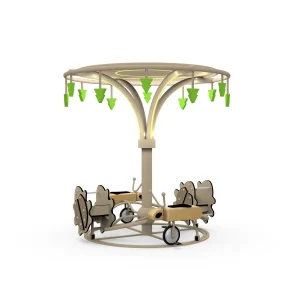
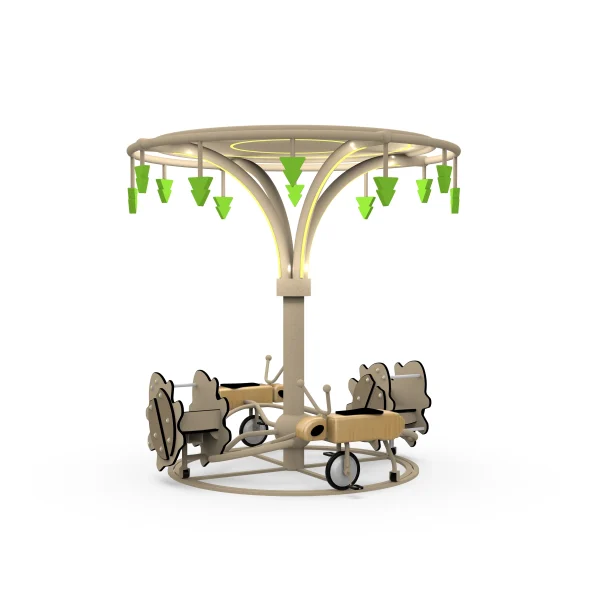
A Multi Player Playground Spinning Wheel positioned near cognitive puzzle panels creates natural transitions between physical exertion and focused thinking. Children move between activities based on their energy levels and interests, engaging multiple developmental areas within a single play session.
Inclusive playground design benefits from this integration. Children with different abilities and preferences find entry points that suit them, then gradually explore other elements as comfort grows. The variety also extends how long children remain engaged—when one activity loses appeal, alternatives are immediately available.
Suzhou LvDong develops custom play panel solutions that merge educational and entertainment functions within single installations. Sensory integration elements appear alongside physical challenges, creating equipment that serves multiple purposes without feeling cluttered or confusing.
How do educational play panels contribute to child development?
Educational play panels target cognitive processes, social skills, emotional regulation, and motor development through structured interaction. A collaborative puzzle panel, for example, requires children to communicate, share ideas, and coordinate actions—building teamwork alongside problem-solving abilities.
These panels provide concrete ways to practice abstract concepts. A child learning about gears in a classroom gains deeper understanding by manipulating actual gear mechanisms on a playground panel. The physical engagement reinforces mental models in ways that passive observation cannot match.
To ensure your playground equipment meets the highest standards, explore 《Essential Checklist for Playground Equipment Safety Test Reports》.
What to Evaluate Before Purchasing Play Panels
Smart purchasing decisions require looking beyond initial costs to consider total ownership expenses and community impact over time.
Safety compliance forms the foundation. Equipment must meet relevant standards—EN 1176 for European markets, GB/T 34272-2017 for Chinese installations, ASTM for North American projects. Non-compliant equipment creates liability exposure and genuine risk to children.
Durability determines whether equipment remains functional and attractive years after installation. Weather resistance matters in outdoor applications. Material quality affects both longevity and maintenance requirements.
Maintenance demands vary significantly between products. Some panels require regular inspection and adjustment. Others function reliably with minimal attention. Understanding these requirements before purchase prevents budget surprises and service interruptions.
Age appropriateness ensures the equipment actually serves its intended users. Panels designed for older children may frustrate or endanger younger ones. Equipment aimed at toddlers bores school-age children quickly.
| Selection Criteria | Description | Importance |
|---|---|---|
| Safety | Compliance with EN 1176, GB/T 34272-2017 standards | Critical |
| Durability | Weather-resistant, high-quality materials | High |
| Maintenance | Ease of cleaning, repair, and part replacement | High |
| Age-Appropriate | Suitable for target age groups (e.g., 2+, 3+, 6+) | High |
| Engagement | Ability to hold children’s interest over time | High |
For guidance on selecting equipment suitable for different age groups, see 《Age Appropriate Playground Sets for Child Development》.
How Suzhou LvDong Approaches Play Panel Design
Suzhou LvDong Amusement Equipment Co., Ltd. brings more than a decade of focused experience to unpowered amusement equipment design and production. The company operates an integrated full-industry-chain service covering research and development, design, manufacturing, installation, and ongoing support.
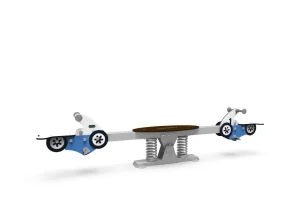
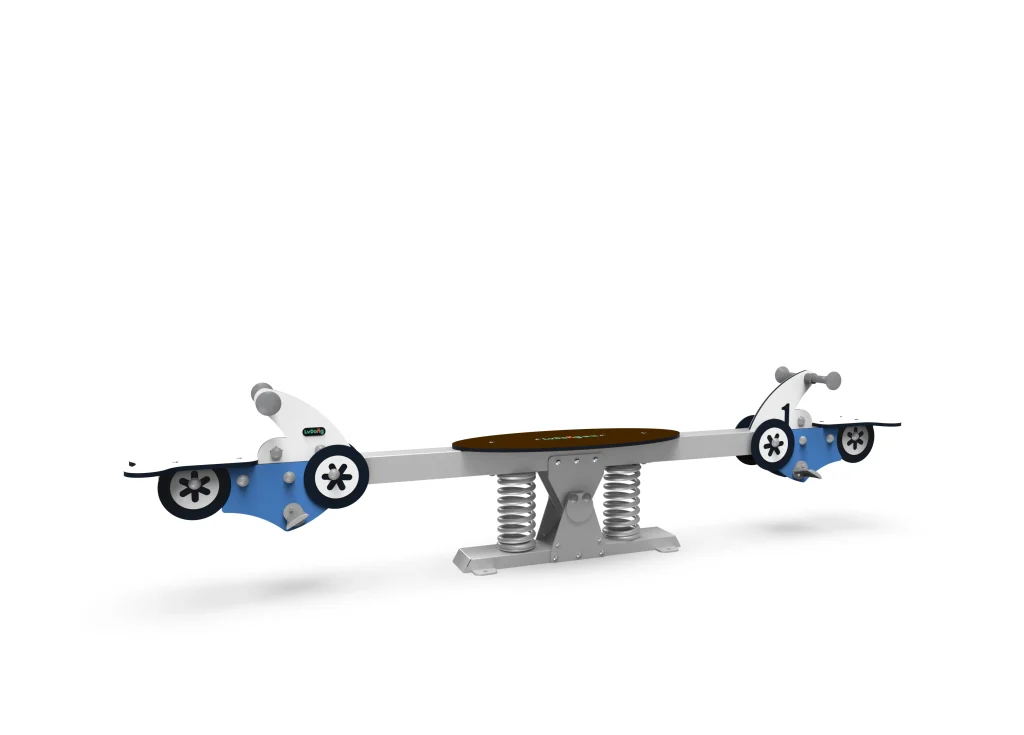
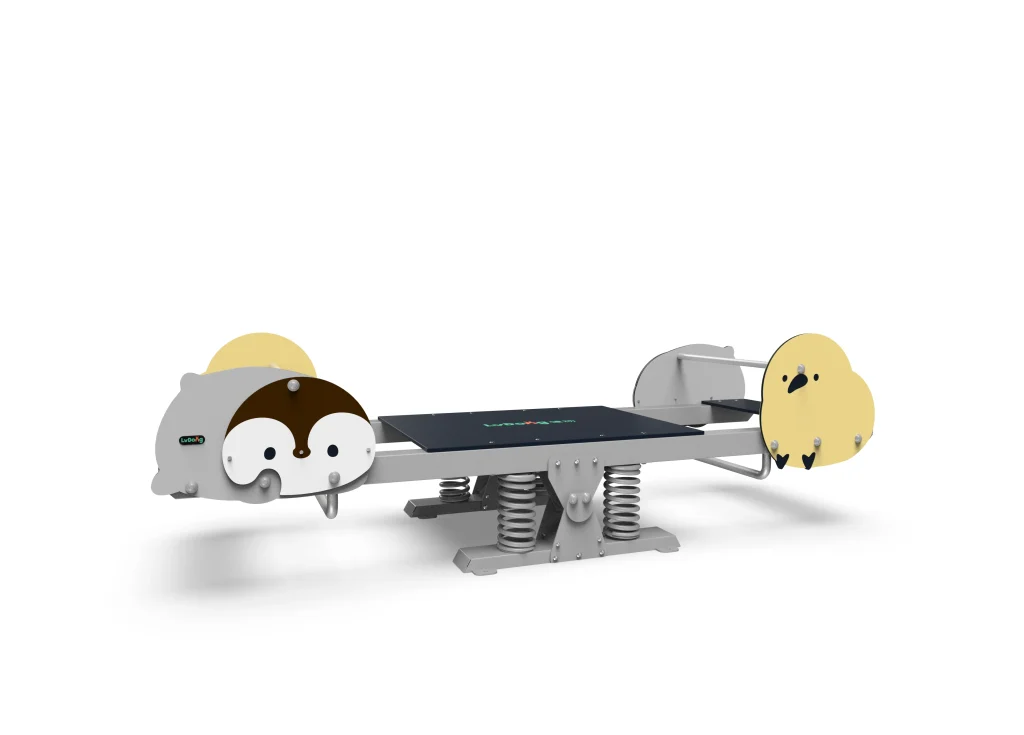
A standardized quality management system governs production of all equipment, from Playground Spinner Manufacturer OEM products to Playground Seesaw Manufacturer OEM installations. This consistency ensures safety and durability standards remain uniform across product lines.
The design philosophy centers on creating play environments that satisfy both educational objectives and entertainment needs. Over 1,500 completed projects across municipal parks, residential communities, and educational institutions demonstrate this approach in practice.
Where Play Panel Technology Is Heading
Playground design continues evolving as new materials, technologies, and understanding of child development emerge.
Adaptive playground design receives increasing attention, creating spaces that serve children with varying physical and cognitive abilities. Universal design principles are replacing the older approach of adding accessibility features as afterthoughts.
Smart play solutions that blend digital elements with physical equipment are appearing in some markets. These systems can track usage patterns, adjust difficulty levels, or provide feedback that extends engagement. The technology remains relatively new, and long-term outcomes are still being studied.
Sustainable materials are becoming standard expectations rather than premium options. Recycled plastics, responsibly sourced wood, and low-maintenance finishes reduce environmental impact while often improving durability.
Suzhou LvDong monitors these developments and incorporates proven innovations into new designs. The focus remains on practical improvements that enhance play value rather than novelty for its own sake.
Partner with Suzhou LvDong
Suzhou LvDong Amusement Equipment Co., Ltd. combines over a decade of manufacturing expertise with integrated solutions from initial concept through final installation. Our unpowered amusement equipment meets stringent safety standards while delivering the engagement that keeps children active and learning. Contact us for a personalized consultation to discuss how our play panels can serve your specific project requirements. WHATSAPP:+8613915684545 | [email protected]
Frequently Asked Questions About Play Panels
Which type of play panel offers better long-term value for community playgrounds?
Long-term value typically comes from combining both educational and entertainment play panels rather than choosing one category exclusively. Educational panels provide sustained developmental benefits that parents and educators appreciate. Entertainment panels ensure broad appeal across different children’s preferences, driving consistent utilization.
Durability, maintenance requirements, and adaptability to various age groups also significantly affect long-term value calculations. Equipment that serves a narrow age range or requires frequent repairs delivers less value regardless of its initial appeal.
Suzhou LvDong designs unpowered amusement equipment for extended service life with minimal maintenance, maximizing return on community investment.
Are there specific safety standards for educational vs. entertainment play panels?
General playground safety standards apply to all play equipment regardless of category. Standards like ASTM F1487 in North America and EN 1176 in Europe cover structural integrity, fall zones, entrapment hazards, and material safety.
Design considerations do differ somewhat between panel types. Educational panels may need features preventing misuse during focused activities. Entertainment panels require attention to risks associated with dynamic, unpredictable movement patterns.
Suzhou LvDong maintains compliance with international safety standards across all unpowered amusement equipment production, regardless of whether products emphasize educational or entertainment functions.
How can I assess the ‘play value’ of different playground panels?
Play value assessment examines how effectively equipment promotes engagement, creativity, physical activity, and social interaction over time.
For educational play panels, evaluate how well they stimulate cognitive processes and whether the learning objectives align with your community’s priorities. For entertainment panels, consider capacity for imaginative play and physical challenge variety.
Direct observation of children interacting with similar equipment provides valuable data. Age-appropriateness reviews and expert assessments from child development specialists can supplement observational findings.
Suzhou LvDong incorporates play value assessment into the design process, ensuring equipment delivers sustained engagement rather than brief novelty.