When you spend enough time around playgrounds, you start noticing which equipment holds up and which doesn’t. Spring riders take a beating — kids bounce on them daily, rain soaks them, sun bakes them, and in coastal areas, salt air works on every exposed surface. The material underneath all that paint and coating determines whether a spring rider lasts five years or fifteen. Steel remains the backbone of most spring rider construction, but the type of steel and how it’s protected makes all the difference. Getting this decision right means fewer replacements, lower maintenance costs, and equipment that stays safe throughout its service life.
Steel Types That Actually Perform in Outdoor Conditions
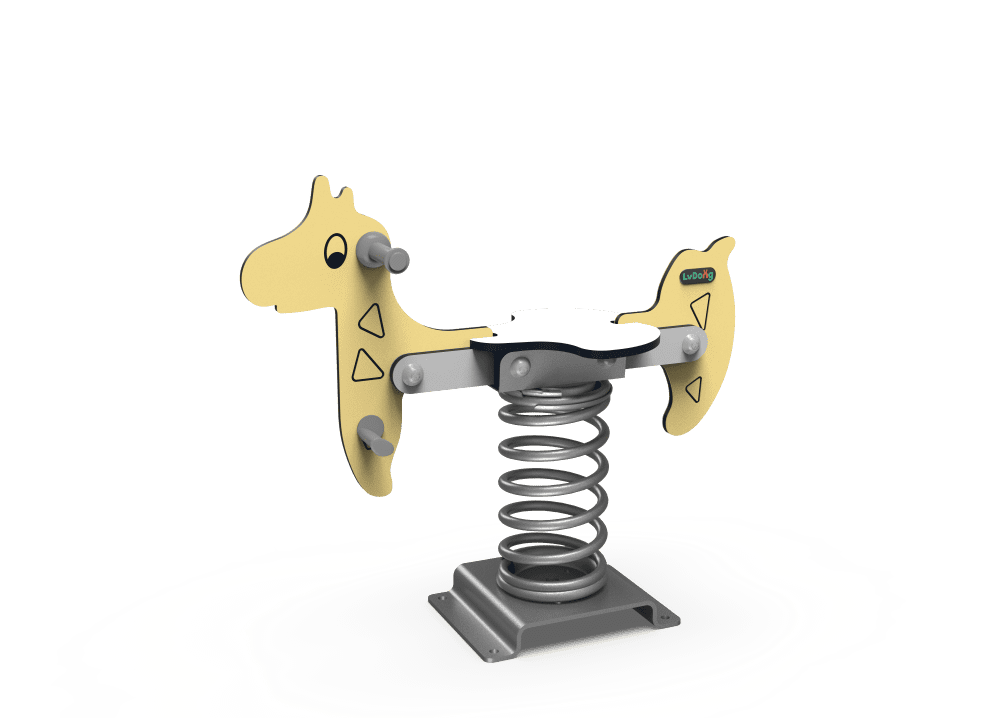
Steel forms the structural core of most Spring Playground Equipment because nothing else matches its combination of strength and spring characteristics. But outdoor exposure changes everything. Bare steel would rust within months in most climates, so the real question becomes which steel treatment works best for your specific situation.
Galvanized steel uses a zinc coating that physically bonds to the base metal. When moisture hits the surface, the zinc corrodes first — a sacrificial process that keeps the underlying steel intact. This works well in most environments, though the zinc layer does thin over time with repeated exposure.
Stainless steel takes a different approach. The chromium content creates a self-healing oxide layer on the surface. Scratch it, and the layer reforms. This makes stainless steel particularly valuable in harsh conditions where coatings might get damaged during use.
Powder-coated steel combines corrosion protection with color options. The electrostatically applied powder melts into a continuous film that resists chips and scratches better than liquid paint. It’s not just cosmetic — that coating adds genuine weather resistance to the underlying metal.
What is the most durable material for playground spring riders in harsh weather?
Stainless steel consistently outperforms other options in demanding environments. Coastal installations, areas with acid rain, or regions with extreme temperature swings all favor stainless steel’s inherent corrosion resistance. The chromium oxide layer that forms on stainless steel doesn’t wash away or wear thin the way galvanized coatings eventually do. That said, high-grade galvanized steel with quality protective coatings comes surprisingly close in performance for most inland locations. The specific climate matters more than general rules — a playground in Arizona faces different challenges than one in Florida.
| Steel Type | Strength | Cost | Corrosion Resistance |
|---|---|---|---|
| Galvanized | High | Medium | Good |
| Stainless | High | High | Excellent |
| Powder-Coated | High | Medium | Very Good |
How Modern Coating Systems Extend Equipment Life
The base metal only tells part of the story. What goes on top of that metal often determines how long playground spring riders actually last in real-world conditions.
Hot-dip galvanization creates the thickest, most durable zinc coating available. The steel gets submerged in molten zinc, forming an alloy layer at the interface that bonds far more strongly than spray-applied coatings. This process produces rust-proof playground components that resist damage even when the surface gets scratched during installation or use.
Multi-layer coating systems build protection in stages. An epoxy primer bonds to the metal and provides chemical resistance. A zinc-rich intermediate layer adds sacrificial protection. The topcoat — often polyester or polyurethane — handles UV exposure and physical wear. Each layer serves a specific purpose, and together they create weather resistance that single coatings can’t match.
UV resistant coatings deserve special attention for playground applications. Sunlight breaks down many protective films over time, causing chalking, fading, and eventually cracking. Modern UV stabilizers incorporated into topcoats slow this degradation significantly, keeping protective coatings playground applications intact for years longer than older formulations.
Real Costs Over the Equipment’s Full Service Life
Initial purchase price tells you almost nothing about what playground spring riders will actually cost over their useful life. A cheaper spring rider that needs replacement in seven years costs more than a premium unit that lasts fifteen.
Stainless steel carries the highest upfront cost but requires almost no maintenance beyond occasional cleaning. There’s no coating to reapply, no rust spots to treat, no gradual degradation to monitor. For operators who struggle to maintain consistent inspection schedules, this simplicity has real value.
Galvanized steel with quality coatings hits a middle ground that works for most installations. The initial investment stays reasonable, and with proper maintenance tips for spring riders — annual inspections, touch-up of any coating damage, cleaning to remove salt or chemical deposits — these units deliver excellent spring rider longevity.
The maintenance capacity question matters more than most buyers realize. A school with a dedicated facilities team can keep coated steel in excellent condition indefinitely. A small community park with volunteer maintenance might benefit from the lower-maintenance stainless option despite the higher initial cost.
How do anti-rust coatings on steel spring riders compare to stainless steel in terms of lifespan and cost?
Modern coating systems have narrowed the gap considerably. A well-maintained galvanized and powder-coated spring rider can deliver 10-15 years of service in moderate climates. Stainless steel typically reaches 15-20 years or more with minimal attention. The cost difference at purchase might be 30-50% higher for stainless, but the total cost of ownership playground calculation often favors stainless when you factor in maintenance labor and potential mid-life coating repairs. For budget-constrained projects in mild climates, coated steel remains a smart choice. For harsh environments or situations where maintenance will be inconsistent, stainless steel’s higher initial cost often pays back over the equipment’s full life.
| Feature | Galvanized Steel with Anti-Rust Coating | Stainless Steel |
|---|---|---|
| Lifespan | Very Good (10-15+ years) | Excellent (15-20+ years) |
| Maintenance | Low to Medium | Very Low |
| Initial Cost | Medium | High |
| TCO | Good | Very Good |
Meeting Safety Requirements Across Different Markets
Playground equipment faces strict regulatory oversight, and material specifications form a core part of those requirements. ASTM F1487 standards govern playground equipment in North America, covering everything from structural strength to surface finish requirements. EN 1176 compliance applies across European markets with similarly comprehensive material safety for children’s play specifications.
These standards address concerns beyond just rust resistance. Material composition matters — certain alloys contain elements that shouldn’t contact children’s skin. Surface treatments must not create sharp edges or flaking hazards. Structural calculations must account for material fatigue over thousands of use cycles.
Environmental considerations have gained prominence in recent specifications. Lead-free coatings are now mandatory in most jurisdictions. Some buyers specifically request sustainable playground materials with documented recycled content or end-of-life recyclability. Manufacturing processes that minimize waste and energy use increasingly factor into procurement decisions for public projects.
Matching Materials to Your Specific Situation
The right material choice depends on factors that vary from project to project. A coastal resort playground faces different challenges than an inland school installation. High-traffic urban parks see more wear than neighborhood playgrounds with lighter use.
Climate assessment should come first. Humidity levels, salt exposure, temperature extremes, and UV intensity all affect material performance differently. Coastal and industrial areas demand higher corrosion resistance. Desert climates stress UV protection. Freeze-thaw cycles test coating adhesion.
Usage patterns matter too. A playground serving hundreds of children daily needs materials that handle constant wear. A residential development playground with lighter use can often succeed with more economical options.
Budget realities require honest assessment. The best material for a given application might exceed available funding. In those cases, understanding the tradeoffs helps identify where to invest and where to economize. Spending more on the spring mechanism while using standard coatings elsewhere might make sense for some projects.
Checklist: Material Selection Criteria
- Climate Assessment: Evaluate local weather patterns, humidity, and salinity.
- Usage Intensity: Consider expected daily traffic and potential wear.
- Budget Allocation: Balance initial cost with long-term durability and maintenance.
- Maintenance Capacity: Assess resources for routine inspections and repairs.
- Safety Compliance: Ensure adherence to all relevant international standards.
- Environmental Impact: Prioritize sustainable and responsibly sourced materials.
What These Material Decisions Mean in Practice
Material selection for playground spring riders comes down to matching steel type and coating system to your specific conditions and constraints. Stainless steel offers the longest service life with minimal maintenance, making it ideal for harsh environments or situations where consistent upkeep isn’t guaranteed. Galvanized steel with quality powder coatings provides excellent durability at lower initial cost, performing well in moderate climates when properly maintained. The protective coating systems available today — hot-dip galvanization, multi-layer powder coating, UV-resistant topcoats — have made rust-proof playground components achievable across a range of budgets. Understanding these options and how they perform under different conditions leads to equipment purchases that deliver lasting value.
Partner with Suzhou LvDong for Your Playground Solutions
As a pioneering enterprise in premium unpowered amusement equipment with over a decade of expertise, Suzhou LvDong Amusement Equipment Co., Ltd. is committed to delivering unparalleled quality and safety. Our integrated R&D, design, and production capabilities ensure every component, from material selection to installation, meets the highest standards. Contact us today to discuss your project’s specific material needs and discover how our innovative solutions can bring your vision to life. WHATSAPP:+8613915684545 | [email protected]
Frequently Asked Questions About Playground Spring Rider Materials
Are there specific safety standards for the materials used in children’s playground springs?
International standards govern material specifications for playground equipment across major markets. ASTM F1487 applies in North America, while EN 1176 covers European installations. Both address material composition, structural requirements, and surface finish specifications. These standards prohibit toxic substances, require adequate strength for expected loads, and mandate testing protocols that verify compliance. Manufacturers like Suzhou LvDong build their Playground Spring Rider Manufacturer OEM products to meet these requirements, with documentation available for verification.
What factors influence the lifespan of playground spring rider materials?
Several variables interact to determine how long materials last in service. The base material matters — stainless steel outlasts standard carbon steel in most conditions. Coating quality and thickness affect how well the underlying metal stays protected. Local climate creates the environmental stress that coatings must resist. Usage intensity determines wear rates on both coatings and base materials. Maintenance practices either extend or shorten useful life depending on how consistently inspections and repairs happen. High-quality Spring Playground Equipment combined with appropriate maintenance routines delivers the longest service life.
Is stainless steel always the best option for rust prevention in playground springs?
Stainless steel provides the best inherent rust resistance, but “best” depends on what you’re optimizing for. In mild climates with consistent maintenance, galvanized steel with quality coatings delivers comparable performance at lower cost. The coating approach also allows color customization that stainless steel doesn’t offer. Stainless steel makes the most sense for harsh environments, coastal locations, or situations where maintenance will be minimal or inconsistent. Budget constraints, aesthetic requirements, and operational realities all factor into the optimal choice for any specific playground spring rider installation.