Choosing a playground equipment supplier takes more than comparing quotes. Walking through a factory floor reveals what spreadsheets cannot—how a manufacturer actually builds, tests, and stands behind their products. This kind of direct assessment protects your budget and, more importantly, protects the children who will use the equipment daily.
Factory Visits Reveal What Catalogs Cannot
A factory visit cuts through marketing language and gets to operational reality. You see how materials move through production, whether quality checks happen at meaningful intervals, and how workers handle the details that determine whether equipment lasts five years or fifteen.
Suzhou LvDong Amusement Equipment Co., Ltd. operates with this transparency in mind. Our full-industry-chain service spans R&D, design, production, installation, and after-sales support. When clients tour our facility, they observe quality control protocols in action and evaluate our manufacturing environment against their own standards. This direct exposure builds confidence that cannot come from documentation alone.
Thorough supplier evaluation reduces complications down the road. Equipment failures, delayed shipments, and warranty disputes often trace back to gaps that a factory visit would have exposed. The time invested upfront pays dividends throughout the project lifecycle.
Critical Inspection Points During Your Factory Tour
A structured approach to factory evaluation ensures you gather meaningful information rather than surface impressions. Certain areas deserve focused attention because they directly influence product safety and longevity.
Certifications That Matter for Playground Equipment
Legitimate playground equipment factories hold certifications that validate their safety and quality practices. EN1176 covers European playground equipment standards. ASTM F1487 addresses consumer safety performance specifications for public playground equipment in North American markets. ISO 9001 certification indicates systematic quality management. These credentials confirm that a manufacturer operates within established safety frameworks rather than improvising their own standards.
During your factory visit, examine these key areas:
| Inspection Area | Key Aspects to Observe | Verification Method |
|---|---|---|
| Production Line | Organization, workflow, automation level | Observe assembly, material flow, equipment maintenance |
| Material Storage | Organization, protection from elements, inventory control | Check material handling, storage conditions, labeling |
| Welding/Fabrication | Weld quality, precision, finishing | Inspect samples, observe skilled technicians, equipment |
| Painting/Finishing | Application consistency, curing process, environmental controls | Examine finished parts, check paint booth conditions |
| Assembly Area | Cleanliness, tool organization, component staging | Observe assembly procedures, quality checks |
| Packaging/Shipping | Protection methods, labeling, logistics organization | Review packaging standards, observe loading processes |
Each category connects to downstream outcomes. Poor material storage leads to corrosion before installation. Inconsistent welding creates stress points that fail under repeated use. Inadequate packaging results in damage during transit.
For more insights into ensuring product safety, refer to 《Essential Checklist for Playground Equipment Safety Test Reports》.
Quality Control Systems That Protect Your Investment
Evaluating quality control goes beyond watching workers perform tasks. You need to understand the systems that catch problems before they leave the factory. Suzhou LvDong’s decade of manufacturing experience has shaped rigorous protocols that apply to every product line.
Focus your assessment on these elements:
Incoming Material Inspection: Raw materials should undergo verification against specifications before entering production. Steel, plastics, and coatings all require documentation confirming their properties match what was ordered.
In-Process Quality Checks: Quality gates at multiple production stages prevent defects from compounding. A weld flaw caught early costs far less to fix than one discovered during final assembly.
Final Product Testing: Finished equipment should undergo structural integrity tests, impact attenuation tests, and compliance verification against EN1176 and ASTM F1487 requirements.
Equipment Calibration: Testing instruments require regular calibration to produce accurate measurements. Ask when equipment was last calibrated and review the documentation.
Non-Conformance Management: Every factory encounters defects. What matters is how they handle them. Look for clear procedures covering identification, isolation, and correction of problems.
Safety Documentation: Request access to safety manuals, risk assessments, and employee training records. These documents reveal whether safety is embedded in operations or treated as an afterthought.
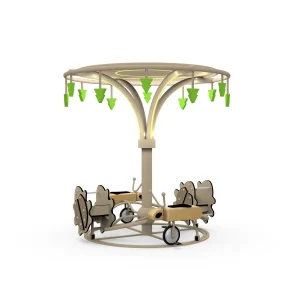
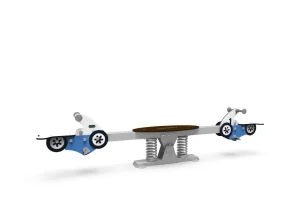
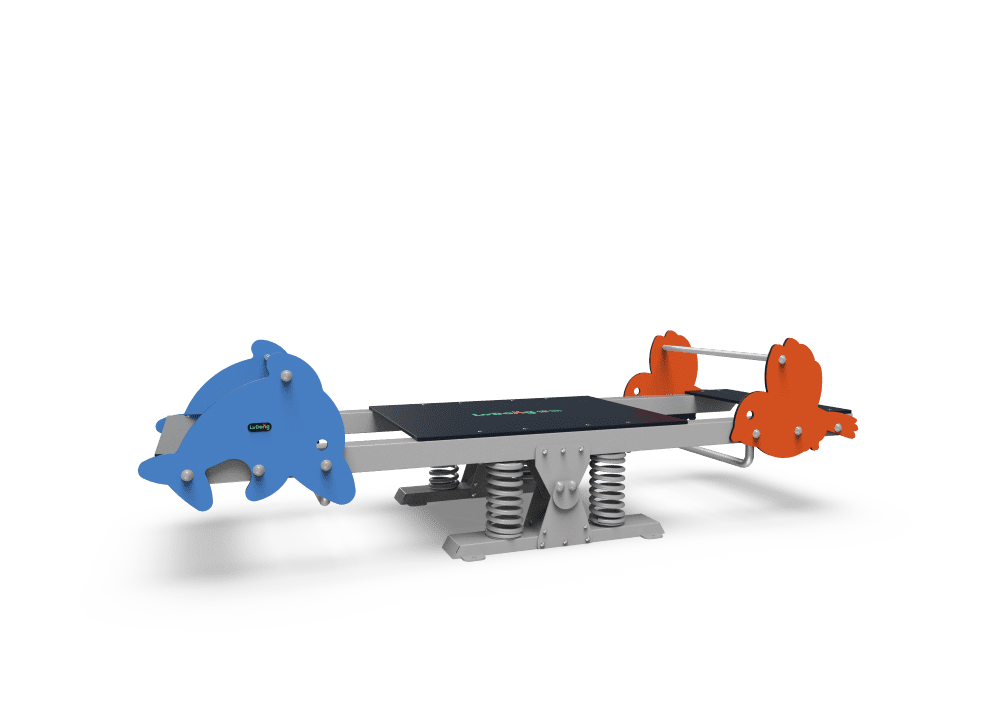
Our quality management system applies equally to a Multi Player Playground Spinning Wheel and a Multi Person Playground Seesaw. Consistent standards across product lines indicate mature manufacturing practices.
R&D Capabilities and Support Services
Manufacturing quality matters, but so does a supplier’s ability to innovate and support you after the sale. These capabilities determine whether your partnership remains valuable over time.
Evaluating R&D and Customization:
Visit the R&D department to observe design processes and current development projects. Ask about their approach to incorporating new safety features and responding to market trends.
Review their custom design portfolio. Past projects demonstrate their capacity to translate specific requirements into compliant, functional playground solutions.
Assess prototyping facilities. Quick prototyping and testing indicates responsiveness to custom specifications.
Discuss material innovation. Manufacturers investing in advanced materials for enhanced durability and safety are thinking beyond minimum requirements.
After-Sales Support Assessment:
Clarify installation support levels. Options range from detailed guides to on-site technical assistance.
Understand warranty terms and spare parts availability. Focus on Optimizing Playground Equipment Spare Parts Lead Time and Stock is essential for maintaining equipment over its service life.
Inquire about technical support channels and typical response times for troubleshooting requests.
Verifying Production Capacity and Lead Times
Production capacity verification requires observation combined with direct questions. Physical layout and machinery condition indicate potential output. A modern production base like Suzhou LvDong’s 10,000+ square meter facility suggests substantial capacity, but observation confirms whether that capacity is being used efficiently.
Watch how materials and work-in-progress flow through the facility. Bottlenecks reveal capacity constraints that affect lead times.
Discuss current production schedules and historical lead times for projects comparable to yours. Ask about inventory management systems and contingency plans for demand surges or supply chain disruptions. Realistic answers indicate a supplier who has thought through operational challenges.
For further reading on optimizing your play area, consider 《Outdoor Playground Set Layout Strategic Design for Optimal Play》.
Building Partnerships That Last
A playground equipment supplier relationship extends well beyond the initial purchase. Equipment requires maintenance, replacement parts, and eventual upgrades. Suzhou LvDong’s decade of operations and successful nationwide projects reflect our commitment to relationships that endure.
Long-term partnership considerations:
Financial Stability: Review business history and financial health. A supplier facing financial pressure may cut corners or struggle to honor warranty commitments.
Ethical Practices: Inquire about supply chain transparency and adherence to labor and environmental standards. These factors increasingly matter to end users and regulatory bodies.
Continuous Improvement: Look for ongoing investment in R&D and process refinement. A supplier that stops innovating eventually falls behind safety standards and design expectations.
Communication Quality: Assess responsiveness during your visit. How quickly do they answer questions? How thoroughly do they address concerns? These patterns predict future interactions.
Values Alignment: Consider whether their company culture fits your project objectives and organizational priorities.
What Separates Good Factories from Great Ones
A great playground equipment factory distinguishes itself through proactive approaches rather than reactive ones. Good factories meet compliance requirements. Great factories exceed them.
Significant R&D investment drives innovation in playground solutions and manufacturing technologies. A rigorous quality management system goes beyond basic certification to embed quality thinking throughout operations.
Comprehensive integrated services spanning initial design through post-installation support indicate a supplier who takes ownership of outcomes. A strong project portfolio demonstrates consistent execution. Suzhou LvDong’s 1,500+ implementations nationwide reflect this track record.
Great suppliers prioritize safety, durability, and customer satisfaction as interconnected goals rather than competing priorities.
For additional insights into playground design, explore 《Custom Playground Slide Design From Vision to 3D Reality》.
Partner with Suzhou LvDong for Your Next Playground Project
Ensure your next playground project is built on a foundation of quality and trust. Suzhou LvDong Amusement Equipment Co., Ltd. invites you to experience our modern, intelligent production base firsthand. Witness our rigorous quality management system, innovative R&D, and comprehensive service capabilities that have led to over 1,500 successful projects nationwide. Contact us today to schedule your factory visit and discuss how our premium unpowered amusement equipment can bring your vision to life. WHATSAPP: +8613915684545 | [email protected]
FAQ
What specific safety certifications should I look for in a playground equipment supplier?
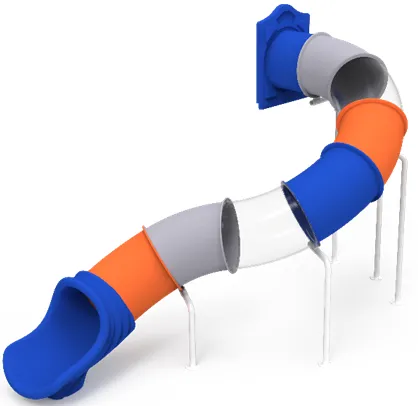
EN1176 covers European playground equipment standards and remains widely recognized internationally. ASTM F1487 addresses consumer safety performance for public playground equipment in North American contexts. ISO 9001 certification indicates systematic quality management practices. These certifications demonstrate that a manufacturer operates within established safety frameworks for products like Playground Equipment Slides. Request current certification documents during your factory visit and verify their validity dates.
How can I verify a playground equipment factory’s production capacity and lead times effectively?
Start with physical observation. Assess production line organization, raw material inventory levels, and finished goods staging areas. Then move to direct questions about current production schedules and historical lead times for projects similar to yours in scope and complexity. Ask specifically about contingency plans for supply chain disruptions or unexpected demand increases. Suppliers who have thought through these scenarios can describe their approaches clearly. For Commercial Playground Slide production, typical lead times vary based on customization requirements and current order volume.
What distinguishes a leading playground equipment manufacturer’s factory from an average one?
Leading manufacturers invest beyond minimum requirements. Their facilities feature modern machinery and intelligent production systems. Quality management goes deeper than certification, with quality thinking embedded throughout operations. R&D receives meaningful investment, producing innovative designs and manufacturing improvements. Services span the full project lifecycle from initial design through after-sales support. Project portfolios demonstrate consistent execution across diverse requirements. Suzhou LvDong’s 1,500+ successful implementations reflect this comprehensive approach to products like Spring Playground Equipment. The difference often shows in details that average factories overlook.