Selecting playground equipment means understanding how children actually develop. A well-designed play space supports physical, cognitive, and social growth across age groups. Over the past decade, we’ve focused on creating environments that engage kids while remaining developmentally appropriate and safe. Every piece of equipment should contribute meaningfully to a child’s play experience based on their evolving capabilities.
Understanding Child Development Stages for Play
Effective playground design starts with knowing how children progress through distinct developmental stages. Each stage brings unique physical, cognitive, and social milestones. Getting this right means selecting equipment that challenges without overwhelming, fostering genuine growth and engagement.
| Age Group | Key Developmental Milestones | Play Needs & Equipment Focus |
|---|---|---|
| Infants (0-12 months) | Developing head control, grasping, reaching, early crawling, sensory exploration. | Soft, safe spaces; sensory panels; low-height activity centers; interactive elements. |
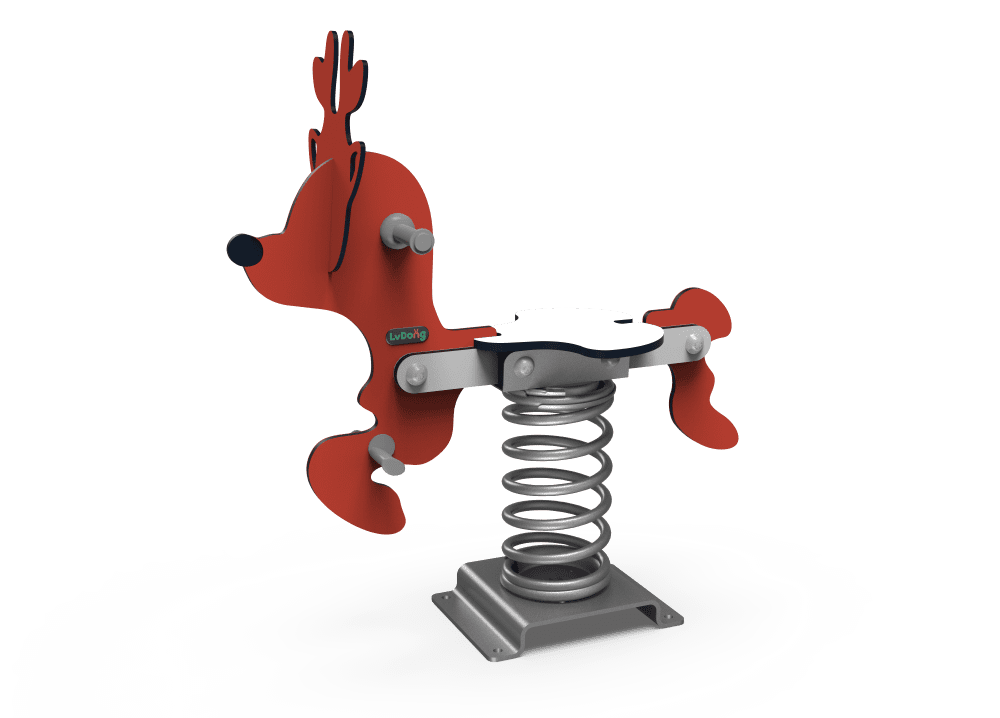
| Toddlers (1-3 years) | Walking, running, climbing, basic problem-solving, parallel play, language development. | Low slides, bucket swings, small climbing structures, Spring Playground Equipment (e.g., spring riders), sandboxes. |
| Preschoolers (3-5 years) | Improved balance, coordination, imaginative play, cooperative play, fine motor skills. | Medium-height slides, traditional swings, more complex climbing, themed play structures, interactive panels. |
| School-Aged (5-12 years) | Advanced motor skills, strategic thinking, complex social interactions, physical challenges. | Tall slides, climbing walls, monkey bars, sports equipment, multi-user spinning equipment, obstacle courses. |
For infants, playground elements should focus on sensory stimulation and safe exploration. Soft textures, varying colors, and interactive panels encourage reaching and grasping. As children become toddlers, their play development shifts towards gross motor skills like walking and climbing. Equipment like low-height slides and bucket swings supports these emerging abilities. Preschoolers refine their coordination and begin engaging in more imaginative and cooperative play. They benefit from structures that encourage role-playing and social interaction, such as themed playhouses and multi-user spring riders. School-aged children seek greater physical challenges and opportunities for complex social interaction. They require equipment that promotes advanced climbing, problem-solving, and cooperative games, such as adventure playgrounds and fitness-oriented structures.
Strategic Selection of Playground Equipment Combinations
Designing an integrated play environment requires strategic selection of equipment combinations. Creating cohesive play zones that cater to specific age groups while promoting holistic development ensures maximum engagement and adherence to safety guidelines.
Toddler and Preschooler Play Zone Essentials
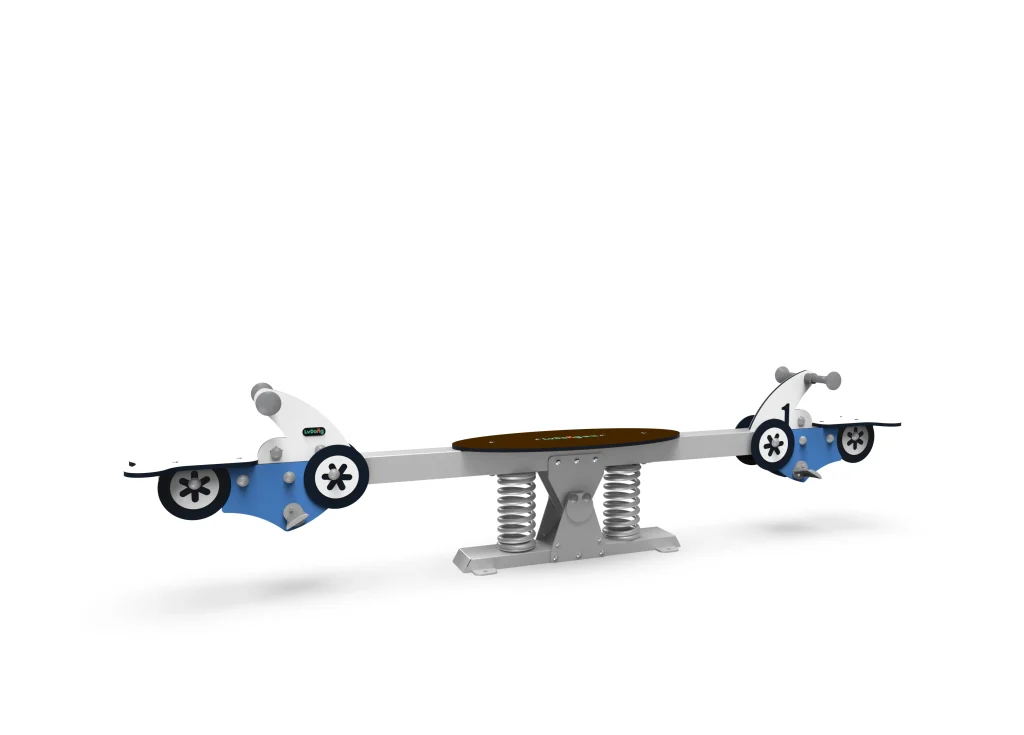
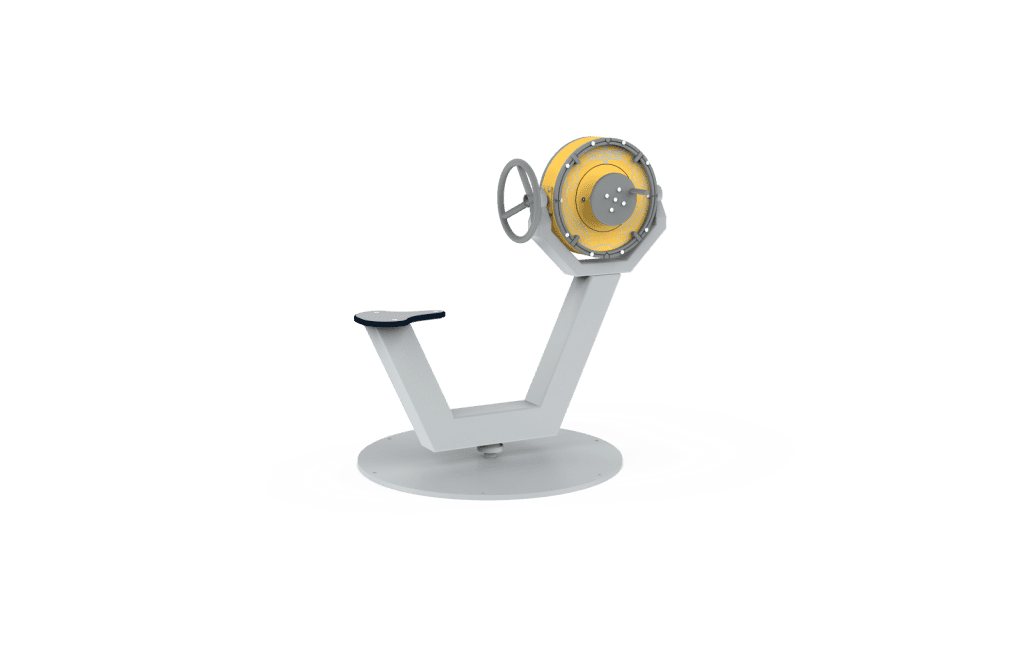
For toddlers (1-3 years) and preschoolers (3-5 years), play zones must prioritize safety, accessibility, and developmental stimulation. Equipment should support early motor skill development, sensory exploration, and social interaction. Low-height slides, such as a Children Slide Set, allow for safe sliding experiences. Swings with bucket seats provide secure swinging for developing balance. Sandboxes and water play tables offer tactile sensory experiences. Small climbing structures with easy-to-grip elements encourage early climbing skills. Interactive Play Equipment panels, featuring gears or musical elements, stimulate cognitive development and fine motor skills. Our Multi-Person Outdoor Playground Seesaw, designed for ages 3+, supports cooperative play with its sturdy frame and playful themes. The Single Player Playground Spinner promotes independent balance and coordination for children aged 2+.
Designing Dynamic Play for School Aged Children
School-aged children (5-12 years) require more complex and challenging play structures that cater to their advanced physical and social capabilities. Equipment for this age group should encourage problem-solving, cooperative play, and physical fitness. Taller climbing walls, monkey bars, and rope structures build strength and agility. Multi-user playground spinning wheels, like our models suitable for 2+ to 6+ years, offer collaborative play experiences while developing coordination. Adventure playgrounds with varied routes and obstacles promote strategic thinking and physical endurance. Fitness-oriented equipment, such as balance beams and agility courses, supports overall physical development.
Prioritizing Safety Standards in Playground Design
Safety remains paramount in playground design, especially when creating age-appropriate combinations. Strict adherence to national and international safety standards, including EN 1176 European Safety Standard and GB/T 34272-2017 Chinese National Standard, dictates critical aspects such as fall heights, spacing between equipment, and material specifications.
Proper safety surfacing mitigates injury risks from falls. Options include engineered wood fiber, rubber tiles, and poured-in-place rubber. Each surfacing type has specific critical fall height ratings that must match the equipment’s maximum fall height. Our Multi-Person Outdoor Playground Seesaw has a maximum fall height of 60 cm, requiring appropriate surfacing beneath it. Regular equipment certification and maintenance checks ensure ongoing compliance and structural integrity. This includes inspecting for wear and tear, secure anchoring, and the absence of pinch points or sharp edges. Every piece of unpowered amusement equipment we produce meets rigorous safety benchmarks, providing a secure play environment for all children.
Optimizing Playground Layout for Engagement and Supervision
An optimized playground layout enhances both child engagement and adult supervision. Strategic zoning, clear sightlines, and accessible pathways create intuitive and safe play spaces. Layouts that naturally guide children through different play experiences while allowing supervisors an unobstructed view of all activity areas work best in practice.
Separating play zones by age group helps prevent collisions between children of different sizes and developmental stages. A dedicated toddler area with low-height equipment should be distinct from a school-aged zone featuring taller structures. Accessibility ensures that children of all abilities can access and enjoy the playground, incorporating ramps, transfer stations, and accessible surfacing. The flow of traffic within the playground should be intuitive, minimizing bottlenecks and encouraging continuous movement. Effective layout planning supports easier supervision, allowing adults to quickly respond to any situation and maintain a safe play environment.
Long Term Value and Durability of Age Specific Play Systems
Investing in high-quality, age-specific play systems delivers significant long-term value and durability. Premium unpowered amusement equipment ensures reduced maintenance, extended lifespan, and enhanced user satisfaction. Durable, weather-resistant materials withstand outdoor sun, rain, and high-frequency use.
Our Multi-Player Playground Spinning Wheel and Single-Player Playground Spinning Equipment are constructed from wear-resistant materials, ensuring longevity even in demanding environments. This durability translates into a lower total cost of ownership over the equipment’s lifespan. Age-appropriate design reduces the likelihood of misuse or damage, contributing to the equipment’s sustained integrity. Providing play experiences that genuinely meet children’s developmental needs maximizes engagement and encourages repeated use, reinforcing the return on investment. A rigorous standardized quality management system, backed by a 10,000 sqm intelligent production base, ensures every product meets the highest standards of quality and resilience.
Partner with Suzhou LvDong Amusement Equipment Co., Ltd.
Create a play environment with expertly designed, age-appropriate playground solutions. With over a decade of innovation and a 10,000 sqm intelligent production base, Suzhou LvDong Amusement Equipment Co., Ltd. delivers premium, unpowered amusement equipment tailored for safety, development, and lasting enjoyment. Contact us today to bring your vision to life. Reach out via email at [email protected] or WhatsApp at +8613915684545.
Frequently Asked Questions About Age Appropriate Playground Sets
What playground equipment is best for toddlers and preschoolers?
For toddlers (1-3 years) and preschoolers (3-5 years), the best playground equipment focuses on developing basic motor skills, sensory exploration, and early social interaction. This includes low-height Playground Equipment Slides, swings with bucket seats, sandboxes, small climbing structures with easy access, and Playground Activity Panels. Equipment should prioritize safety with appropriate fall heights and soft surfacing, ensuring a secure environment for their developing coordination.
How do I choose safe playground sets for different age groups?
Choosing safe playground sets requires understanding the developmental capabilities and limitations of each age group. For infants and toddlers, prioritize enclosed spaces, low heights, and soft materials. For preschoolers, incorporate more challenging climbing and sliding elements, but still with supervision in mind. School-aged children can handle higher, more complex structures. Always ensure compliance with safety standards like ASTM or EN, proper fall surfacing, and clear sightlines for supervision to create a safe playground environment for all children.
What are the essential safety features for children’s playgrounds?
Playground safety features include appropriate fall surfacing (e.g., engineered wood fiber, rubber tiles) with adequate depth for critical fall heights, proper spacing between equipment to prevent collisions, secure anchoring of all structures, and regular maintenance checks for wear and tear. Ensuring equipment is free from pinch points, sharp edges, and entanglement hazards matters just as much. Designing for clear sightlines aids in effective supervision, enhancing overall playground safety.