Custom playground projects create two assets at the same time: the physical equipment and the design behind it. The second asset is usually the one that matters most after the last container ships. A buyer may own the steel, powder coating, springs, and panels, while the manufacturer still owns the production drawings, CAD revisions, or registered design rights. Payment for tooling, molds, or the first production batch does not automatically transfer those rights. The answer to “who owns the custom design” is decided by applicable law and by the written contract—not by the invoice.
What Design Ownership Actually Controls
Design ownership is not a single file. It controls several layers: copyright in the drawings and CAD models, design patents or registered design rights for the product’s visual appearance, trade dress in some markets, and physical tooling such as molds, jigs, and production templates.
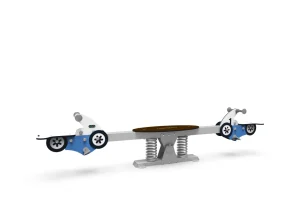
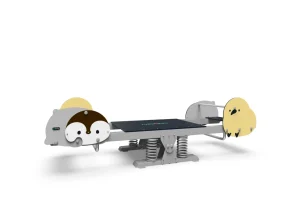
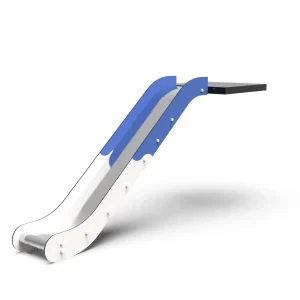
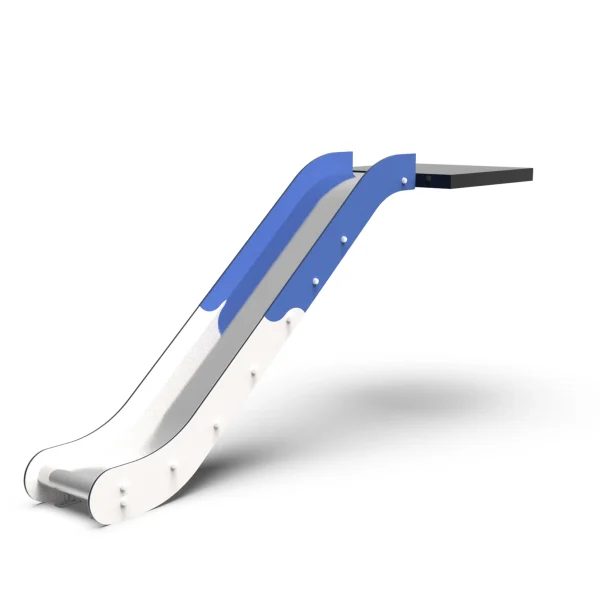
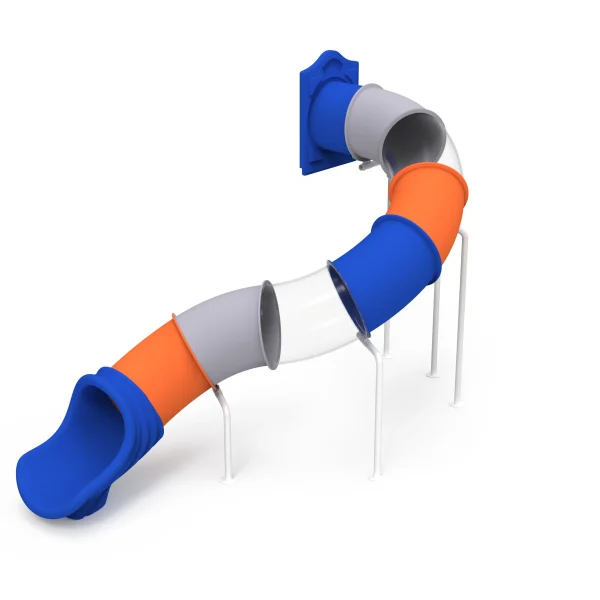
Industrial design protection focuses on the visual form of a product rather than its technical function [1]. That distinction matters because a buyer can own one layer while the manufacturer owns another. For example, a buyer may own the idea for a nautical-themed spinner, but the manufacturer may own the production-ready curved slide geometry, weld sequence, and mounting details created from that idea.
This layered nature is why procurement teams should not treat “custom design ownership” as a single yes-or-no question. The practical question is: who owns the files and rights needed for future reorders, modifications, spare parts, and brand protection?
Default Ownership Rules Across Key Markets
When a contract is silent, ownership usually stays with the creator or employer, not the paying customer. European Union law provides an unregistered design right for three years from first public disclosure within the EU, while a registered Community design can be renewed for up to 25 years [2]. In the United States, work created by an employee within the scope of employment generally belongs to the employer, but an outside commissioned design is treated as a work made for hire only when a written agreement exists and the work falls into a qualifying category [3].
The Berne Convention reinforces a similar principle for copyright: protection arises automatically without formal registration, and original works receive protection in member countries through national treatment [4]. In China, a design patent can protect the visual appearance of a product, with a term of 15 years from filing under the current patent law [5].
The practical consequence is clear: a buyer who commissions a custom playground design from an overseas manufacturer does not automatically own that design. Even when the buyer provides the initial sketch, the production CAD, engineering adaptations, and final manufacturing files may be considered new works owned by the manufacturer unless the contract says otherwise.
Contract Clauses That Decide the Outcome
The purchase order usually settles price, quantity, payment terms, and delivery date. It rarely settles intellectual property. For custom equipment, the most reliable approach is an IP appendix or a dedicated clause that names the design deliverables, assigns rights, and states what happens after production ends.
| Clause | What It Should State | What Happens Without It |
|---|---|---|
| Design deliverable definition | List CAD files, renderings, technical drawings, BOM, and file formats | Buyer may receive only a catalog image, not usable production data |
| IP assignment | Transfer copyright, design rights, and production drawings to the buyer | Manufacturer may retain ownership of revised production files |
| Tooling ownership | State who owns molds, jigs, and fixtures; address storage and buyback | Tooling may be held by the factory even if the buyer paid for it |
| License-back | Grant manufacturer a limited right to produce for the buyer only | Factory may legally produce similar designs for competitors |
| Spare parts and post-production access | Require drawing access for replacements and future reorders | Buyer may be locked into one supplier without enforceable file rights |
| Governing law and jurisdiction | Choose a legal system and dispute mechanism | Cross-border disputes become slower and more uncertain |
| Confidentiality | Prohibit disclosure of drawings, pricing, and design files | Shared design details may enter the market before launch |
A purchase order that lists only equipment specifications does not settle IP. The strongest protection is a written appendix that identifies every design asset, states who owns it, and explains what happens after the final batch ships.
A vague purchase order is one of the fastest ways to discover that the buyer does not own the production drawings it paid for. <7 Mistakes to Avoid Buying Commercial Playground Equipment> covers the first-buyer contract and specification errors that often begin with missing design ownership terms.
Production Files, Tooling, and the Custom Design Handoff
Even when the buyer owns the concept, the production-ready adaptations may be newly authored by the manufacturer. Changes made for safety compliance, material substitution, tube slide geometry, or local installation conditions can create new design work. Without an assignment clause, those improvements may belong to the maker.
Payment for tooling is not the same as payment for design. A written tooling agreement can state that the buyer owns the physical mold while receiving a license to the related design files, or it can assign both. The distinction becomes critical when spare parts are needed, a second production run is ordered, or the buyer wants to move the design to another factory.
Technical standards such as ASTM F1487 and EN 1176 do not assign intellectual property, but they create a verifiable technical baseline for the design version [6][7]. Retained drawings, test reports, change orders, and approval emails help prove which version was originally manufactured and who authorized each revision.
If the buyer cannot prove which drawing version was approved, enforcing design ownership becomes difficult after the equipment leaves the factory. <Essential Checklist for Playground Equipment Safety Test Reports> covers the document trail buyers should build before accepting custom equipment.
Before the next drawing revision, send the current specification and a list of every design deliverable to [email protected]. Ask the supplier to confirm in writing who will own the production CAD, the tooling, and any design adaptations. The answer to that single question usually reveals whether the contract is ready.
Practical Ownership Scenarios and a Buyer Checklist
Different procurement models create different default risk. The table below shows common custom playground scenarios and the better contractual position.
| Scenario | If Contract Is Silent | Stronger Position |
|---|---|---|
| Off-the-shelf item with recoloring and logo | Manufacturer owns base design; buyer owns supplied logo only | Confirm logo assignment and a non-exclusive product license |
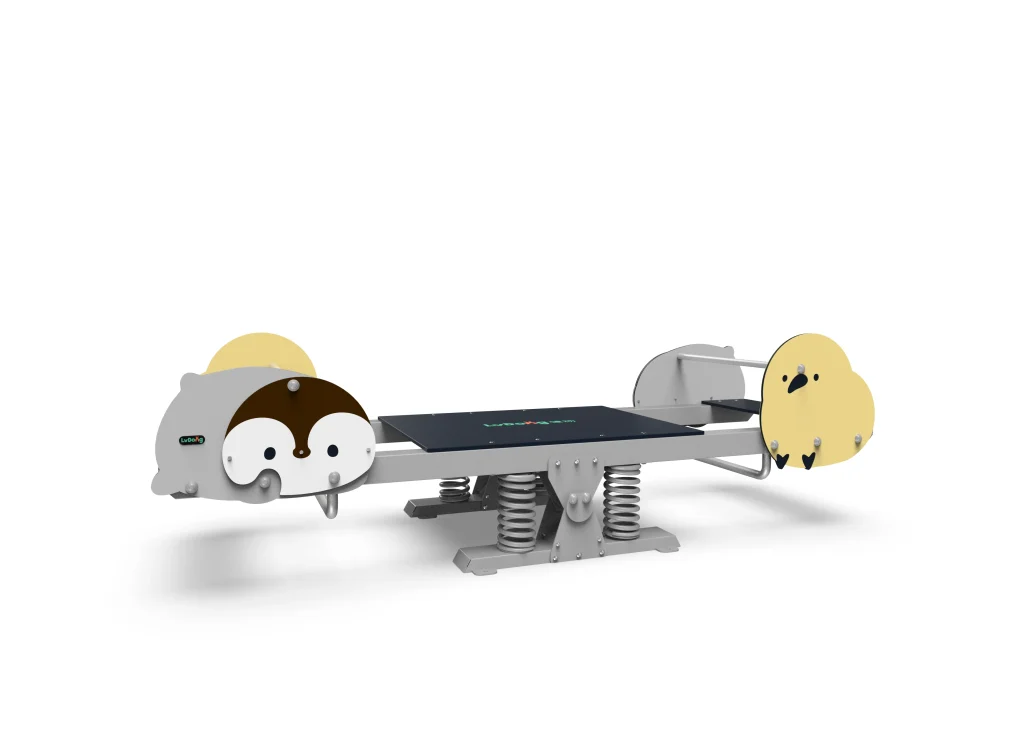
| Custom slide tower based on buyer’s hand sketch | Buyer may own concept; manufacturer may own production CAD | Assign final production drawings and design adaptations to buyer |
| Co-designed themed spinner | Joint ownership or divided file rights may block both parties | Define contribution shares, usage rights, and modification rights |
| OEM or white-label product line | Brand may belong to buyer, design may remain with manufacturer | Require design assignment or a long-term exclusive license |
| Buyer-paid tooling without design clause | Buyer owns or controls tooling, but design data may stay with factory | Separate tooling ownership from design file ownership in writing |
A practical buyer checklist should include these steps before the first production batch:
- Add an IP clause to the purchase order before tooling starts.
- Define CAD, STEP or IGES files, renderings, production drawings, and BOM as deliverables.
- Record who creates each drawing revision and who approves it.
- Run a design search or clearance review in the target market.
- Include post-production drawing access for spare parts and reorders.
- Set governing law, jurisdiction, and dispute resolution.
- Use confidentiality obligations covering drawings, pricing, and design details.
Clarify Your Custom Playground IP Before Tooling Starts
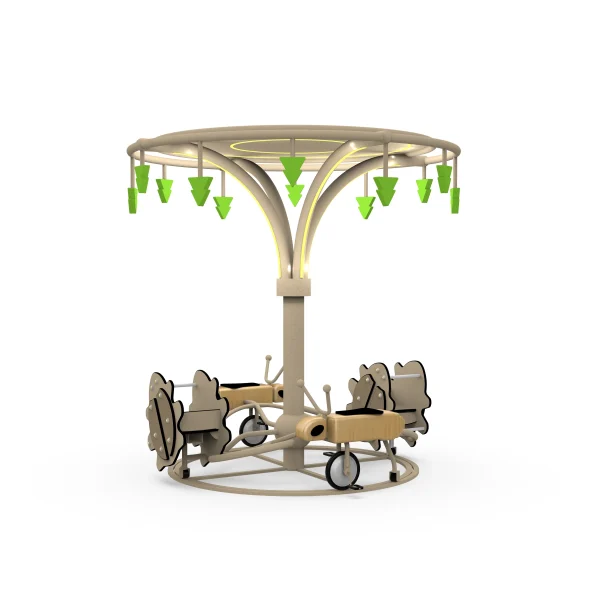
For buyers planning custom playground slides, themed spinners, play panels, or complete multi-activity sets, the intellectual property conversation should happen before the tooling payment, not after production ends. Send the design intent, target market, existing sketches, and any trademark or branding constraints to [email protected] or WhatsApp +8613915684545. In the same message, ask for a sample IP appendix that covers CAD deliverable formats, tooling ownership, design assignment, and post-production drawing access.
Frequently Asked Questions
If I pay for the mold, do I automatically own the design?
No. Payment for physical tooling transfers tooling only when the contract says so, and it does not automatically transfer design rights. A separate written clause must cover copyright, design rights, and production drawings.
Can a manufacturer claim copyright over my idea?
Ideas themselves are not protected by copyright; the fixed expression of an idea is protected. If a manufacturer turns a rough concept into detailed production CAD, that manufacturer may own the new drawing or design work unless the contract assigns it to the buyer.
What is the difference between a registered design and a design patent?
Both protect visual appearance, but the terminology and rules differ by jurisdiction. A registered Community design in the EU can last up to 25 years with renewals, while a Chinese design patent currently lasts 15 years from filing [2][5].
Should I ask for CAD files after production ends?
Yes. If you expect future reorders, spare parts, modifications, or factory transfer, request the CAD files in agreed formats and state revision rights in the contract.
Does EN 1176 or ASTM F1487 prove design ownership?
No. Those standards help verify a compliant technical version, but they do not assign intellectual property [6][7]. Ownership must be established through a contract, registered rights, or documented design records.
References
[1] World Intellectual Property Organization, “Designs,” [Online]. Available: https://www.wipo.int/designs/en/
[2] European Union Intellectual Property Office, “Designs in the European Union,” [Online]. Available: https://euipo.europa.eu/ohimportal/en/designs
[3] U.S. Copyright Office, “Circular 30: Works Made for Hire,” 2021. [Online]. Available: https://www.copyright.gov/circs/circ30.pdf
[4] World Intellectual Property Organization, “Berne Convention for the Protection of Literary and Artistic Works,” 1979. [Online]. Available: https://www.wipo.int/treaties/en/ip/berne/
[5] World Intellectual Property Organization, “China: Patent Law of the People’s Republic of China,” [Online]. Available: https://www.wipo.int/wipolex/en/legislation/details/21263
[6] ASTM International, “ASTM F1487-21 Standard Consumer Safety Performance Specification for Playground Equipment for Public Use,” 2021. [Online]. Available: https://www.astm.org/f1487-21.html
[7] European Committee for Standardization, “EN 1176-1:2017 Playground equipment and surfacing. General safety requirements and test methods,” 2017. [Online]. Available: https://standards.cen.eu/
If you’re interested, check out these related articles:
12 Critical Post Installation Acceptance Tests for Playgrounds
Essential Checklist for Playground Equipment Safety Test Reports